
 Aiden k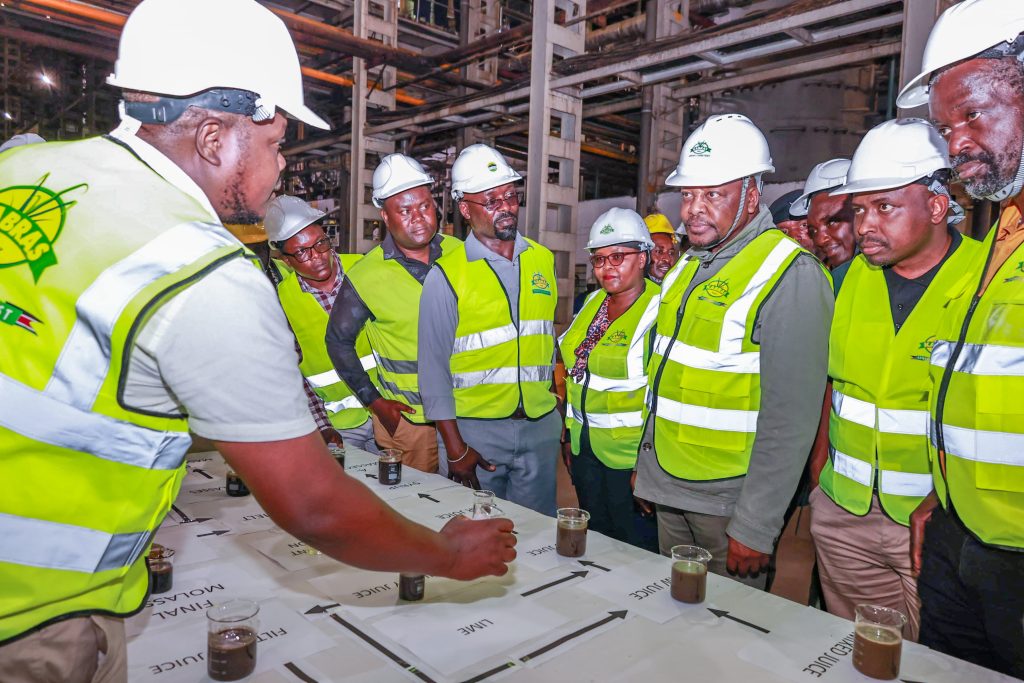
- CS Kagwe:Sugar Factories to Power Kenya as Government Pushes Electricity and Ethanol Revolution;
Kenya is accelerating plans to transform the sugar industry into a major producer of electricity and biofuel, with the Government now pushing for sugar factories to supply power to the national grid while expanding ethanol production to reduce the country’s fuel import bill and strengthen energy security.
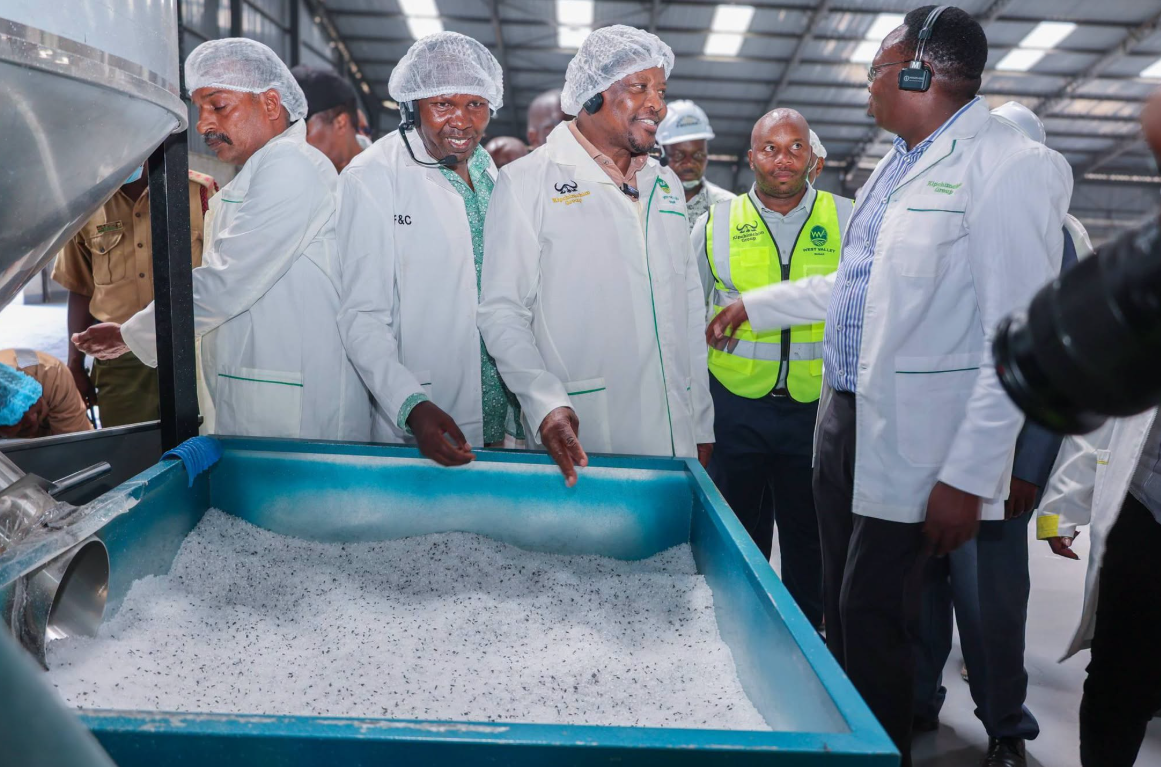
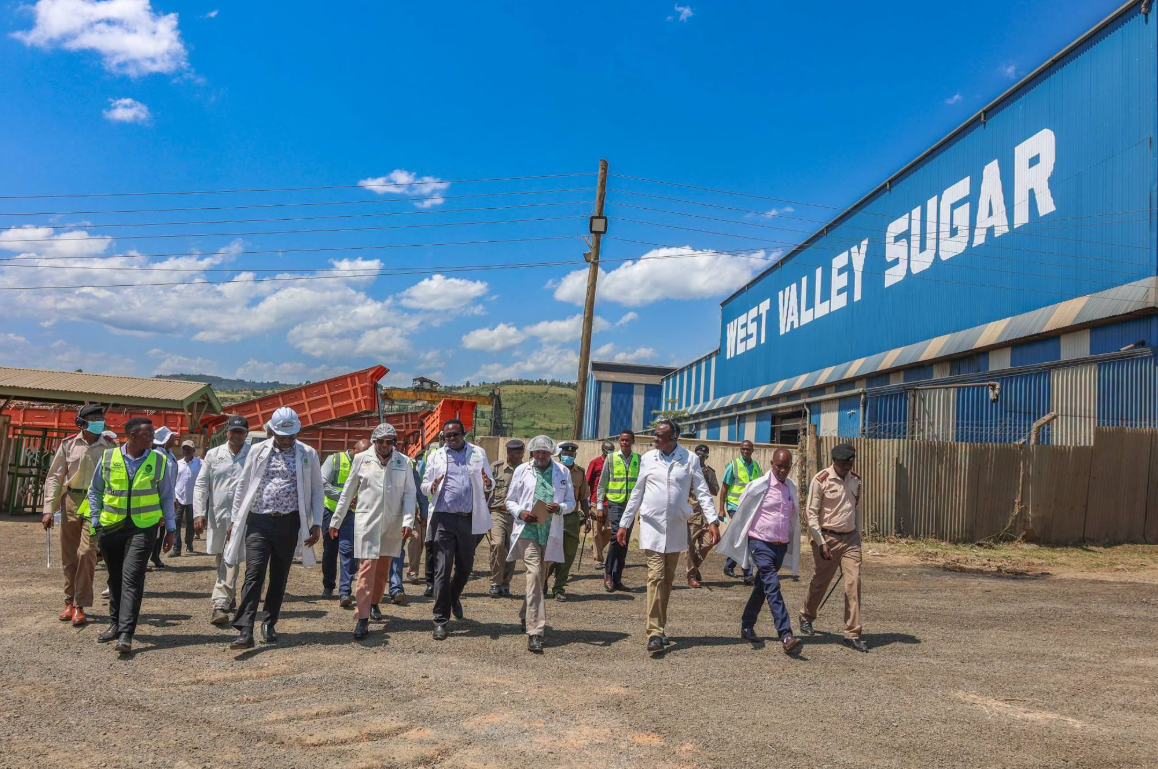
 Speaking during a visit to West Valley Sugar Company, a flagship investment under the Kipchimchim Group, Cabinet Secretary for Agriculture and Livestock Development Sen. Mutahi Kagwe said the future of the sugar sector lies in maximizing every component of sugarcane to produce sugar, electricity, ethanol and other industrial products.
 The CS revealed that the Government is actively engaging the Ministry of Energy to facilitate the purchase of electricity generated by sugar factories, describing cogeneration from bagasse — a by-product of sugar processing — as an untapped opportunity that could significantly contribute to Kenya’s energy mix.

Using West Valley Sugar Company as an example,Kagwe noted that the factory is already generating five megawatts of electricity while utilizing only about 30 percent of its available bagasse.
“West Valley is producing five megawatts of electricity with only a fraction of its bagasse. If the factory operated at full capacity, it could generate up to 15 megawatts.
This is a fantastic opportunity not only for Kenya but for the region.Our neighbours are already doing this and there is no reason we should be left behind,” said CS Kagwe.
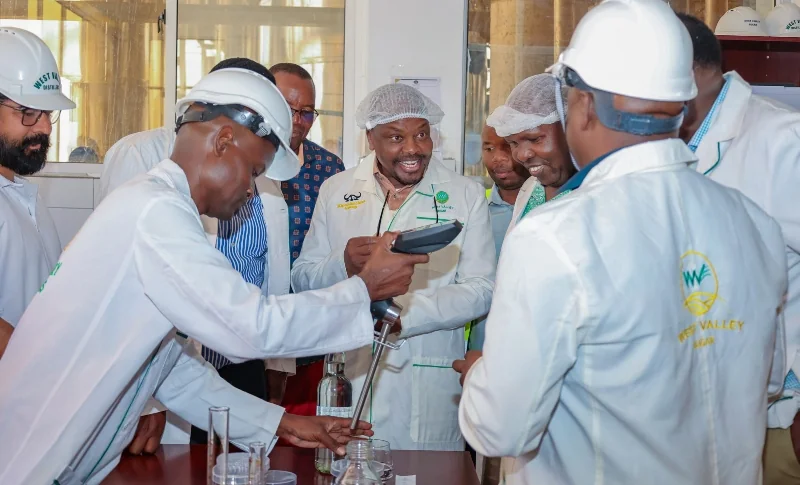
He called on Energy Cabinet Secretary Opiyo Wandayi to expedite frameworks that would allow sugar factories to sell surplus electricity to the national grid, saying the partnership between the agriculture and energy sectors could help reduce the country’s reliance on imported energy while creating new revenue streams for farmers and millers.
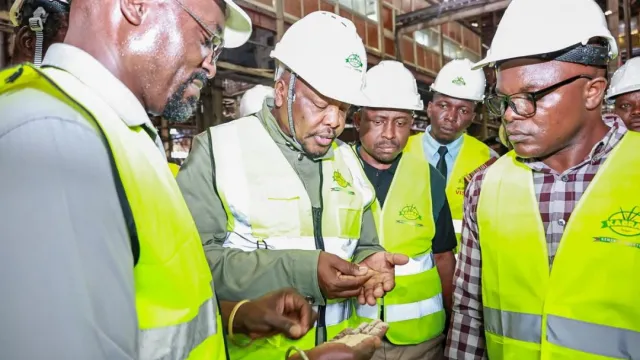 The remarks come weeks after Deputy President Prof. Kithure Kindiki, while touring the Coast region in Diani, reiterated the Government’s commitment to value addition in agriculture and the commercialization of sugar by-products as part of Kenya’s industrialization agenda.
 The Deputy President emphasized that revitalized sugar factories would not only produce sugar but also become centres of energy generation, ethanol production and employment creation.

Beyond electricity generation, CS Kagwe announced that the Government is preparing to support an aggressive expansion of ethanol production as part of a broader strategy to reduce fuel imports and save foreign exchange.
Referring to recent geopolitical developments in the Middle East that have exposed vulnerabilities in global energy markets, the CS said Kenya must urgently diversify its fuel sources by embracing ethanol blending programmes similar to those successfully implemented in countries such as Brazil and India.
 “We have seen what has happened in the Middle East.If we blend ethanol with fuel, we will save foreign exchange and significantly reduce our dependence on imported petroleum products.
Going the ethanol way is what this Government will support and we will provide all incentives necessary to make it happen,” CS Kagwe said.
 He added that the Government is prepared to implement policy and fiscal incentives to encourage millers to invest in ethanol distillation plants and other value-addition ventures.
West Valley Sugar Company currently operates ethanol production facilities with a daily capacity of approximately 20,000 litres, an investment the CS described as a model for the future direction of Kenya’s sugar industry.
The renewed focus on electricity and ethanol comes against the backdrop of remarkable recovery within the sugar sector following reforms initiated by the Government.
CS Kagwe said the leasing of state-owned sugar factories to private operators has already begun yielding positive results, noting that sugar production has grown by approximately 22 percent over the last year.
“Last year we completed the leasing of sugar factories.When you combine private sector efficiency with Government support through subsidized fertilizer and farmer support programmes, we are now witnessing a 22 percent increase in sugar production,” he said.
The CS assured workers in the sugar industry that all outstanding salary arrears inherited from previously distressed state-owned mills would be settled as part of the ongoing sector reforms.
“We will ensure all arrears owed to workers are paid. The revival of the sugar sector must benefit farmers, workers and local communities alike,” he said.
CS Kagwe further challenged Kenyans to invest in the sugar sector, saying its transformation should not be left solely to foreign investors.
“We want to encourage Kenyans to become investors in this sector.We should not depend entirely on foreign direct investment.
The opportunities in sugar, ethanol, electricity and value addition are enormous and Kenyan investors must take advantage of them,” he said.
The Cabinet Secretary also addressed ongoing disputes surrounding elections to the Kenya Sugar Board, clarifying that the Ministry has no legal mandate to interfere with the election of farmer representatives.
He noted that while some stakeholders have criticized delays in constituting the board, the law requires farmers themselves to elect their representatives.
 “Government parastatals nominate their representatives to boards, but for the Kenya Sugar Board(KSB),farmers must elect their own representatives according to the law.
The Ministry cannot tamper with what the law provides,” CS Kagwe said.
He disclosed that some farmers have proposed amendments to the Sugar Act to allow the Ministry greater flexibility in appointing representatives, adding that a private member’s bill is currently before Parliament seeking to address the challenges that have delayed elections in some regions.
The CS praised the Kipchimchim Group for demonstrating how local investment can drive agricultural industrialization and economic transformation.
The Group currently employs more than 7,000 people across its various enterprises, making it one of the largest indigenous investors in Kenya’s agricultural value chains.
He said the company’s investments in sugar manufacturing, ethanol production, electricity generation, retail and logistics demonstrate the potential of integrated agricultural enterprises to create jobs, increase farmer incomes and strengthen national food and energy security.
As the Government pursues the revival of formerly distressed sugar factories and expands support for private sector-led growth, the sugar industry is increasingly emerging as a strategic pillar not only for food production but also for energy generation, fuel security,industrial growth and rural economic transformation.
With electricity generation from bagasse and ethanol blending now taking centre stage,Kenya’s sugarcane fields may soon become a major source of both food and energy, positioning the sector at the heart of the country’s economic modernization agenda.
Present during the visit were Alfred Soi, Chairman of the Kipchimchim Group; Bernard Soi, Managing Director of West Valley Sugar Company; Brian Soi, Chief Executive Officer (CEO) of K-Matt Supermarket; and Samuel Lagat from the Kenya Sugar Board.
Views: 20