

 Business Desk
Gideon Gitonga, Managing Director, BlockCoop Sacco
- Unlocking Kenya’s Co-operative Finance Sector
- How BlockCoop SACCO Is Using Blockchain to Unlock a New Financial Era
A quiet but potentially transformative shift is taking place within Kenya’s cooperative finance sector.
Long regarded as the backbone of grassroots savings and credit access, SACCOs are now confronting a new reality, one shaped by digital expectations, global investment flows, and the demand for faster, more transparent financial systems.

From its offices in Westlands, Nairobi, BlockCoop is not seeking to replace the SACCO model. Instead, it is attempting something far more ambitious: rebuilding it for a digital-first economy.
 SACCOs have long played a critical role in financial inclusion, serving millions across Kenya. Yet, structural inefficiencies have persisted, illiquid shares, manual processes, limited transparency, and restricted access to credit.
 These constraints have increasingly made traditional SACCOs less attractive, particularly to younger, digitally native users.
BlockCoop’s approach is rooted in modernization. Through leveraging blockchain technology as an infrastructure layer, the SACCO introduces a system where transactions are recorded on a shared, tamper-resistant ledger.
 This allows members to verify activities in real time, significantly improving transparency while reducing operational and audit costs.
Automation through smart contracts further enhances efficiency, streamlining processes such as lending, voting, and share issuance.
 The result is a system where members interact with faster, more reliable services without needing to understand the underlying technology.
One of the most disruptive innovations introduced by BlockCoop is the tokenization of SACCO shares into digital assets known as BLOCKS.
These tokens fundamentally transform the concept of shareholding.

Traditionally, SACCO shares have been static—long-term commitments with limited flexibility.BlockCoop flips this model by enabling members to buy, sell, and track their holdings in real time through both primary and secondary markets.
This introduces liquidity into a system where capital has historically remained locked.

The implications are significant, with over $1.4 billion in SACCO share capital in Kenya remains illiquid. The firm enhances financial flexibility for existing members by appealing to younger investors, diaspora communities, and even institutional players.
Rethinking Credit Access
Beyond shareholding, BlockCoop is also reimagining how credit is accessed within SACCOs. Traditional guarantor systems, which is often a barrier to entry, are replaced with guarantor pools and trust-based scoring models.
Instead of relying solely on personal relationships, creditworthiness is determined through data-driven insights, including member activity and participation.

The shift is not merely operational; it is philosophical.Credit becomes less about who you know and more about how you participate within the financial ecosystem.
 The sacco innovation extends into everyday financial behavior through initiatives such as “Lipa na BLOCKS,”. The program allows users to make payments while receiving discounts and retaining value through their holdings.
This creates a new financial loop where spending is no longer purely consumptive. Instead, it becomes integrated with saving and investing, captured in the concept: “Uki-spend, una-save.”
Such models could redefine consumer behavior, particularly in markets where balancing immediate needs with long-term financial growth remains a challenge.
 Strategic Partnerships
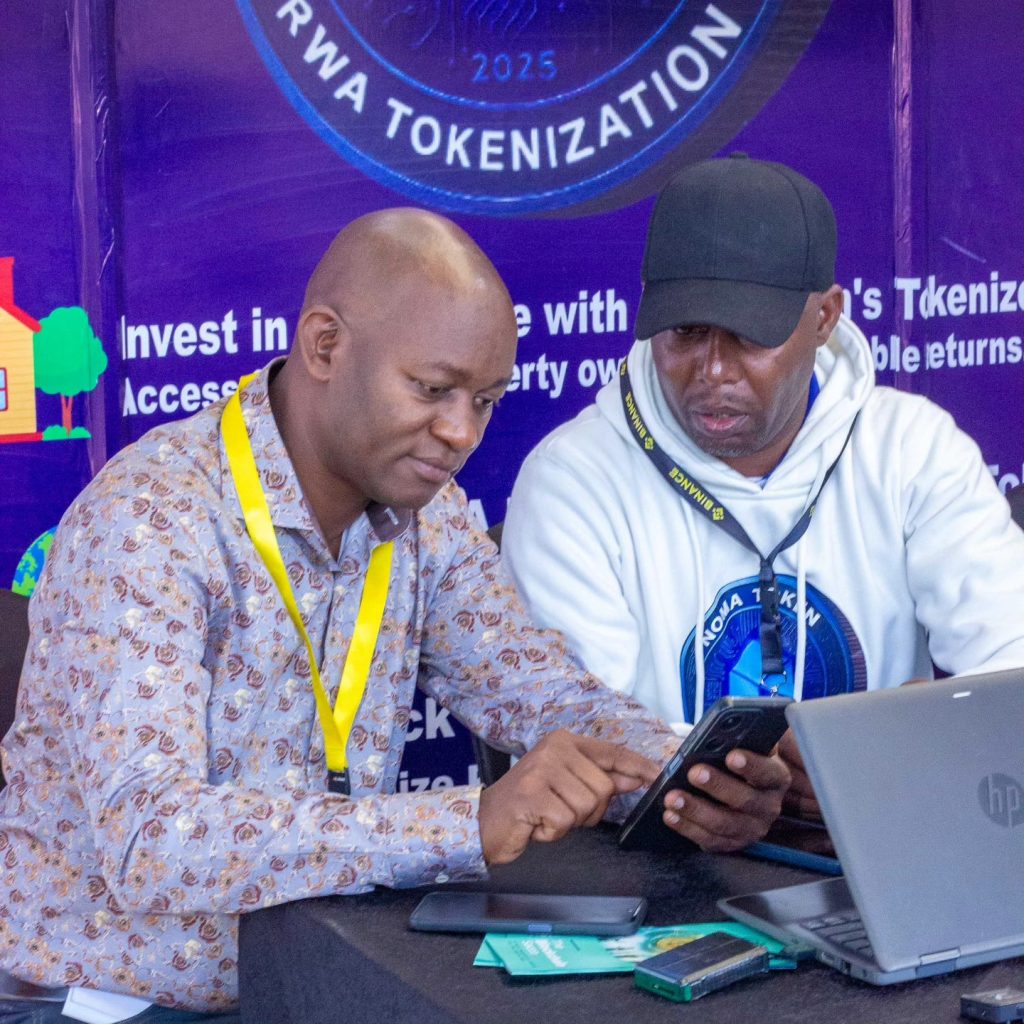
Scaling such a model requires more than technology. BlockCoop’s partnerships with Nomachain and HF Group play a central role in its expansion strategy.
Nomachain provides the tokenization infrastructure that enables real-world assets to be brought onto the blockchain, while HF Group supports distribution and integration within existing SACCO networks.
Together, these collaborations bridge the gap between innovation and established financial systems, accelerating adoption across institutions.
 Operating at the intersection of blockchain and finance inevitably raises regulatory considerations.The company’s approach, is proactive, aligning with emerging frameworks such as Virtual Asset Service Provider (VASP) regulations, conducting independent smart contract audits, and engaging closely with regulators.
This balance between compliance and innovation is critical.It positions the SACCO not just as a disruptor, but as a credible player within the broader financial ecosystem.
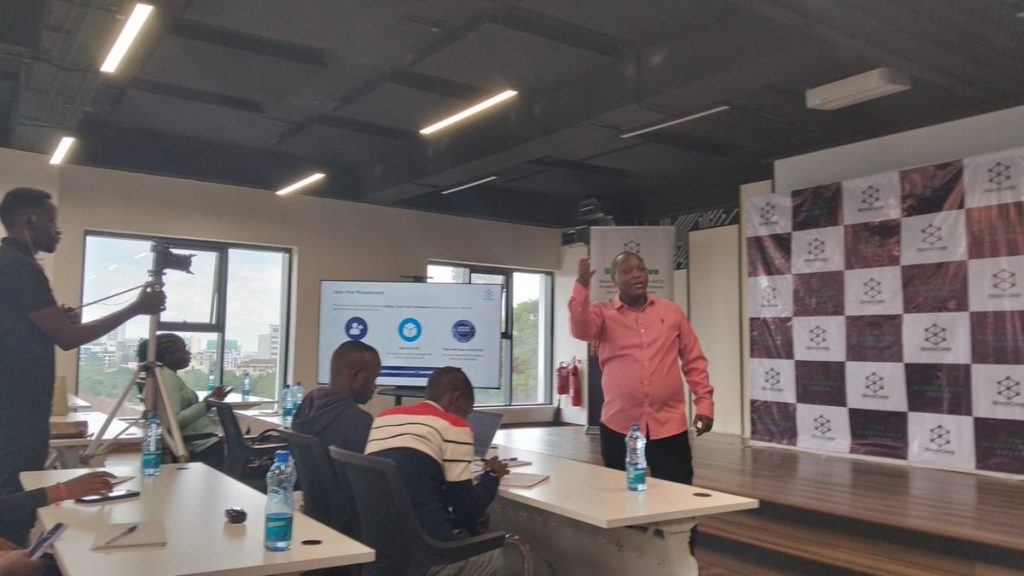
 Perhaps one of the most profound shifts lies in governance.Through blockchain-enabled tools, BlockCoop introduces real-time, participatory decision-making systems where members can propose and vote on issues continuously.
This transforms SACCOs from periodically governed institutions into dynamic, member-driven ecosystems, restoring the cooperative ethos while enhancing engagement through technology.
 Scaling Beyond Borders
With an estimated market capitalization of KES 1.3 billion achieved shortly after launching share trading in October 2025, BlockCoop is already demonstrating early traction.
Its growth has been fueled by a clear value proposition: liquidity, participation, and real-world utility for its digital assets.
Looking ahead, the SACCO’s ambitions are expansive. The vision is to empower one billion people globally through decentralized financial systems.
The scaling strategy includes rolling out infrastructure to other SACCOs, expanding financial products, and investing in education to drive adoption.
Over the next decade, the company anticipates a transformation of the SACCO sector, one defined by digital automation, enhanced transparency, increased liquidity, and broader inclusivity.
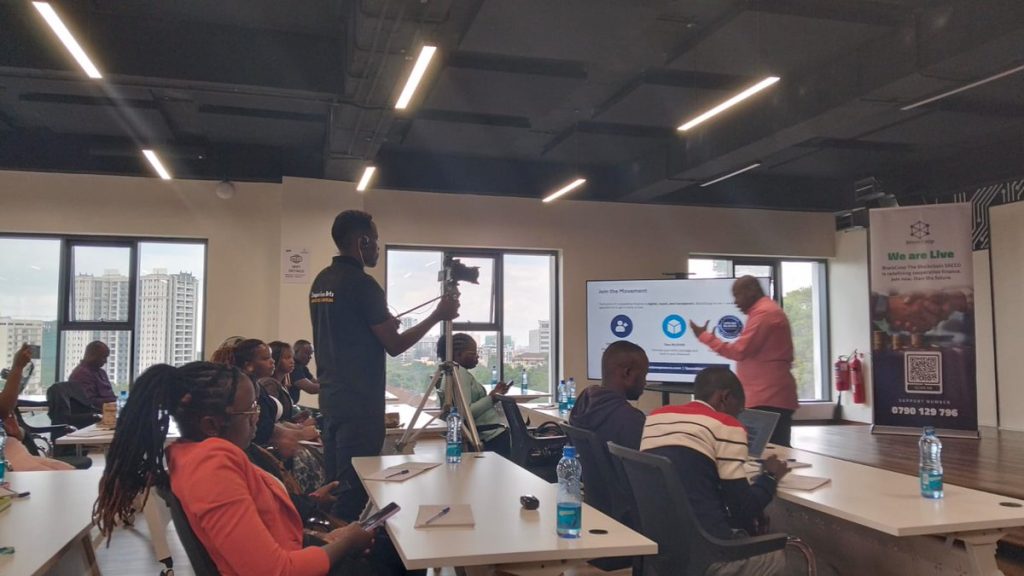 Whether this model becomes the blueprint for cooperative finance across Africa remains to be seen.What is clear, however, is that the convergence of blockchain technology and cooperative principles is opening new possibilities.
In a sector built on trust and community,BlockCoop is betting that technology can strengthen both, while unlocking entirely new forms of value.
Views: 28





1 thought on “{Must Read}:BlockCoop Sacco:Unlocking Kenya’s Co-operative Finance Sector”