

 Business Quest
Allan Juma, Lead Cyber Security Engineer,ESET
Eyes wide open: What smart glasses mean for citizen privacy in East Africa
By Allan Juma, Lead Cyber Security Engineer at ESET
In 2025, EssilorLuxottica and Meta sold more than seven million Ray-Ban and Oakley smart glasses,tripling their sales from the previous two years and making the category a mainstream product for the first time
 The technology has gone mainstream faster than public awareness, regulation or governance, and, despite the fact that East Africa remains an underrepresented market for this technology, it has been placed at the centre of a growing controversy that has no legal or constitutional precedent.
 Early 2026, a Russian vlogger identified by Kenyan and Ghanian authorities as Vladislav Luilkov travelled through Kenya and Ghana wearing the Ray-Ban Meta smart glasses, recording intimate encounters with women without their knowledge and posting the footage online for profit.
The recording and distribution of these encounters were not consensual, according to a petition filed with the Kenya’s Office of the Data Protection Commissioner (ODPC) by digital rights organisation, The Oversight Lab
 Since then, the ODPC has launched a full suo moto investigation into the incident.It was not an isolated event.A BBC investigation in January 2026 documented how a woman was covertly filmed at a beach, with the footage receiving around one million views online.
By May 2026, a second victim was also reported by the BBC. She was told that the footage would only be removed as a paid service, effectively extortion
 Around the same time, an investigation by Svenksa Dagladet confirmed that footage captured through the glasses was being routed to human contractor teams for review, including deeply private material: people in intimate moments, accessing banking systems, in domestic spaces
The Nairobi-based company Sama, which held a major Meta content moderation contract, found itself at the centre of this controversy before Meta terminated the contract in April 2026, triggering the redundancy of 1,108 employees
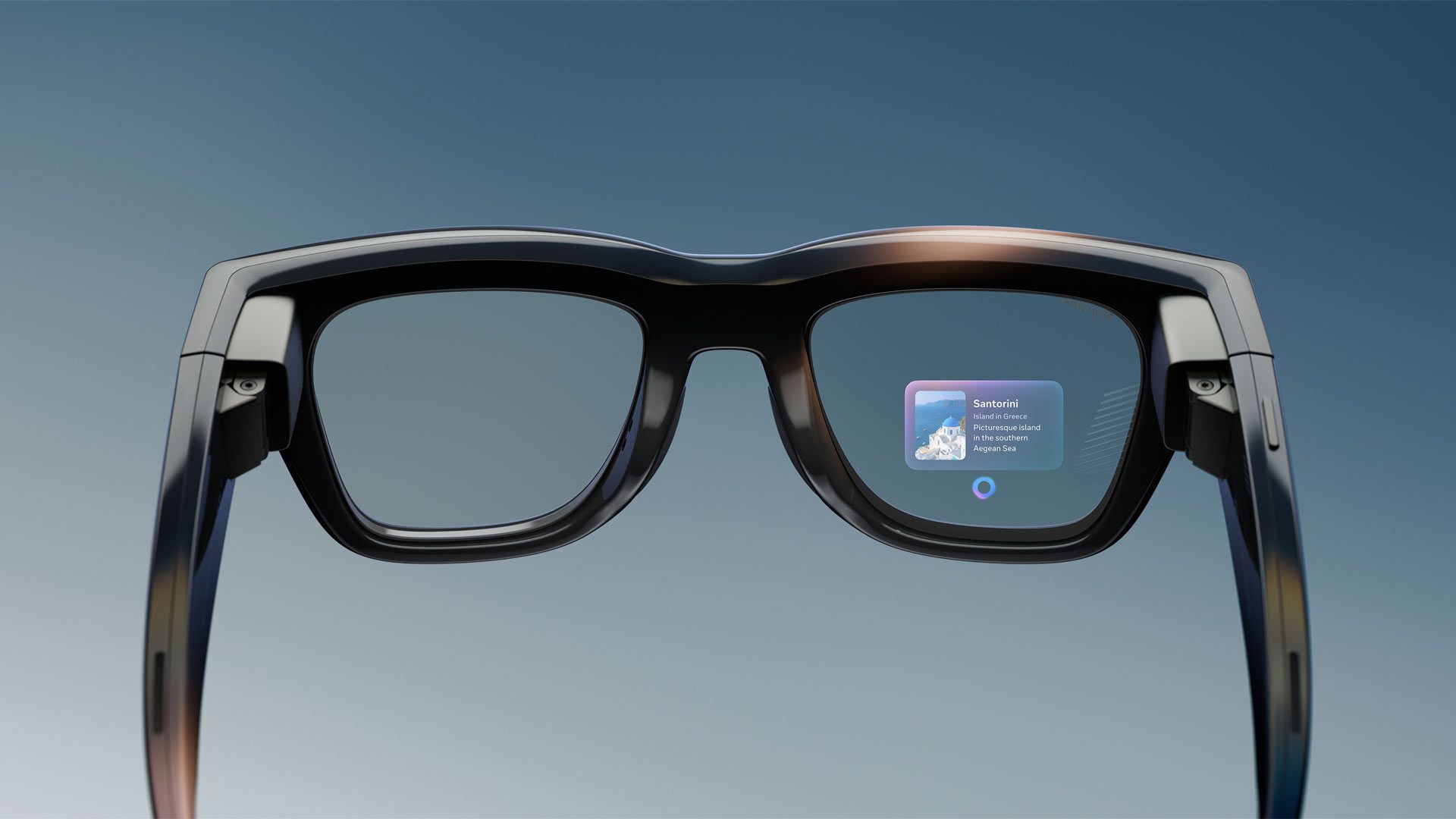
 These devices are rapidly becoming so much more than stylish technology, especially in the wrong hands. Smart glasses can track and record their surroundings and allow the wearer to use AI to interrogate what they see.
The Meta Ray-Ban glasses, for example, come with a 12-megapixel camera that can capture photos and video on the move.
 Wearers can potentially discover a person’s identity, address, and other personal details and share these, along with video footage, with anyone they want, on any platform they want, and to harvest and exploit data has outpaced the current law and calling for amendments to bring it in line with “technologies of the fourth industrial revolution.”
Smart glasses are not a hypothetical risk or a future concern; they are already changing the boundaries of privacy.
 East Africa’s recent experiences show how quickly emerging technologies can outpace awareness, safeguards and enforcement, leaving both individuals and institutions exposed.
What makes this moment critical is not just the technology itself, but the asymmetry it creates: between those who can see, record and analyse, and those who are unknowingly seen.
 The path forward requires a combination of informed citizens, accountable technology providers and proactive regulation.
Awareness is now a first line of defence, but it cannot carry the burden alone.As adoption accelerates, governments and industry must move faster to close enforcement gaps, strengthen consent frameworks and ensure that innovation does not come at the cost of fundamental rights.
In the meantime, the message is simple:assume the camera is on, understand the risks, and act accordingly —because in the age of smart glasses,privacy is no longer invisible, but it is increasingly fragile.
Views: 41