
 Aiden k
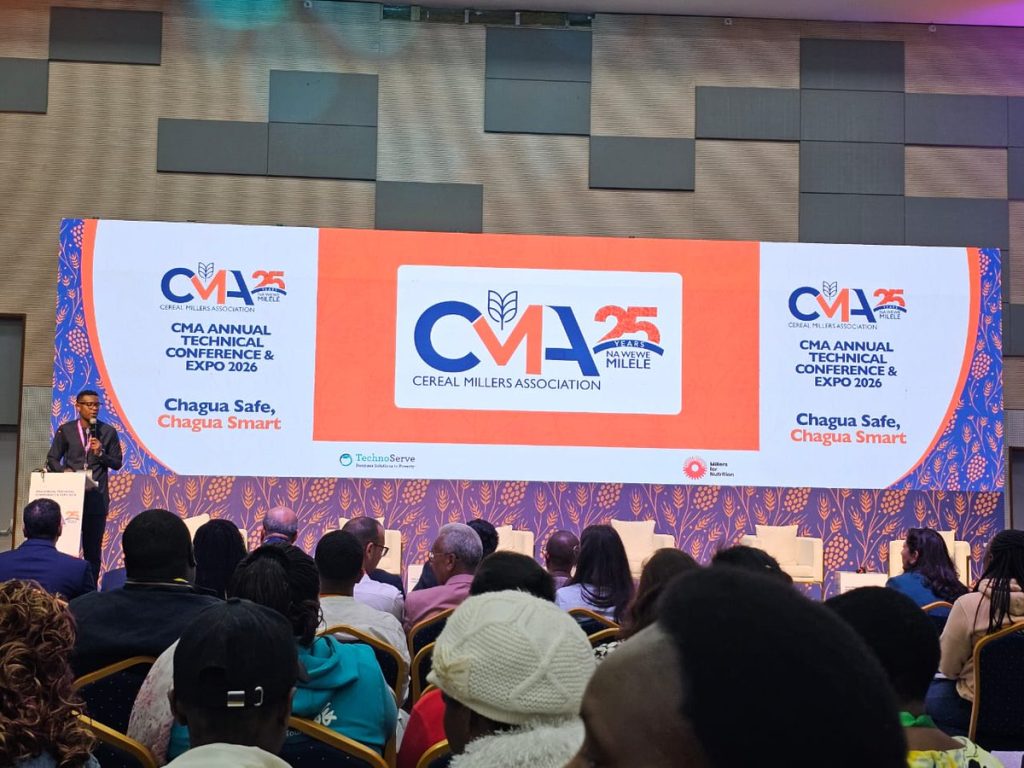
- Cereal Millers Association(CMA) Launches National Campaign to Encourage Safer and More Nutritious Food Choices;
Millions of Kenyan Families Consume Maize Daily, But Few Understand the Hidden Food Safety and Nutrition Risks
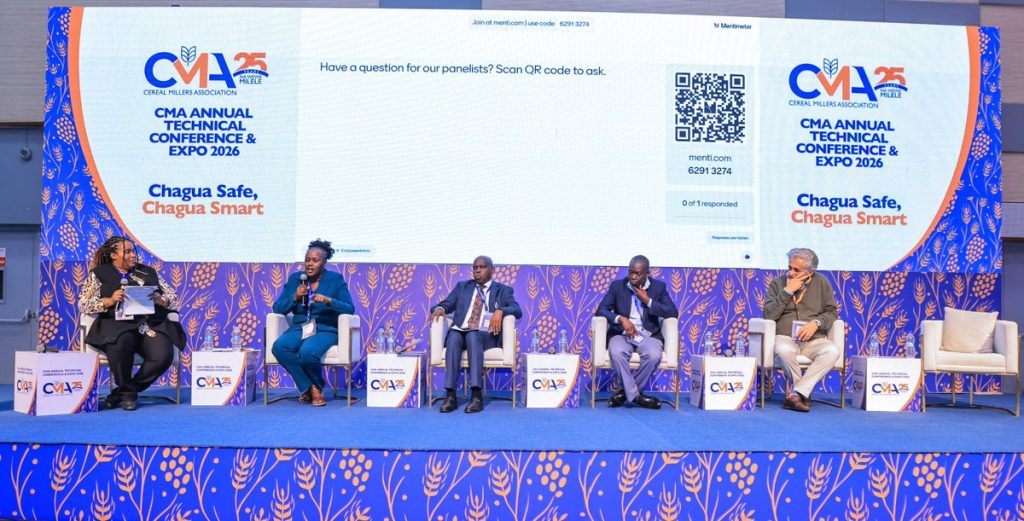
“Chagua Safe.Chagua Smart.” campaign aims to raise awareness on food safety, aflatoxin risks and flour fortification among Kenyan households.
Flour is a staple in nearly every Kenyan home, forming the basis of everyday meals such as ugali, porridge and chapati. Yet while consumers carefully compare prices and brands at the shelf, few consider two critical factors that can significantly impact family health:food safety and nutrition.

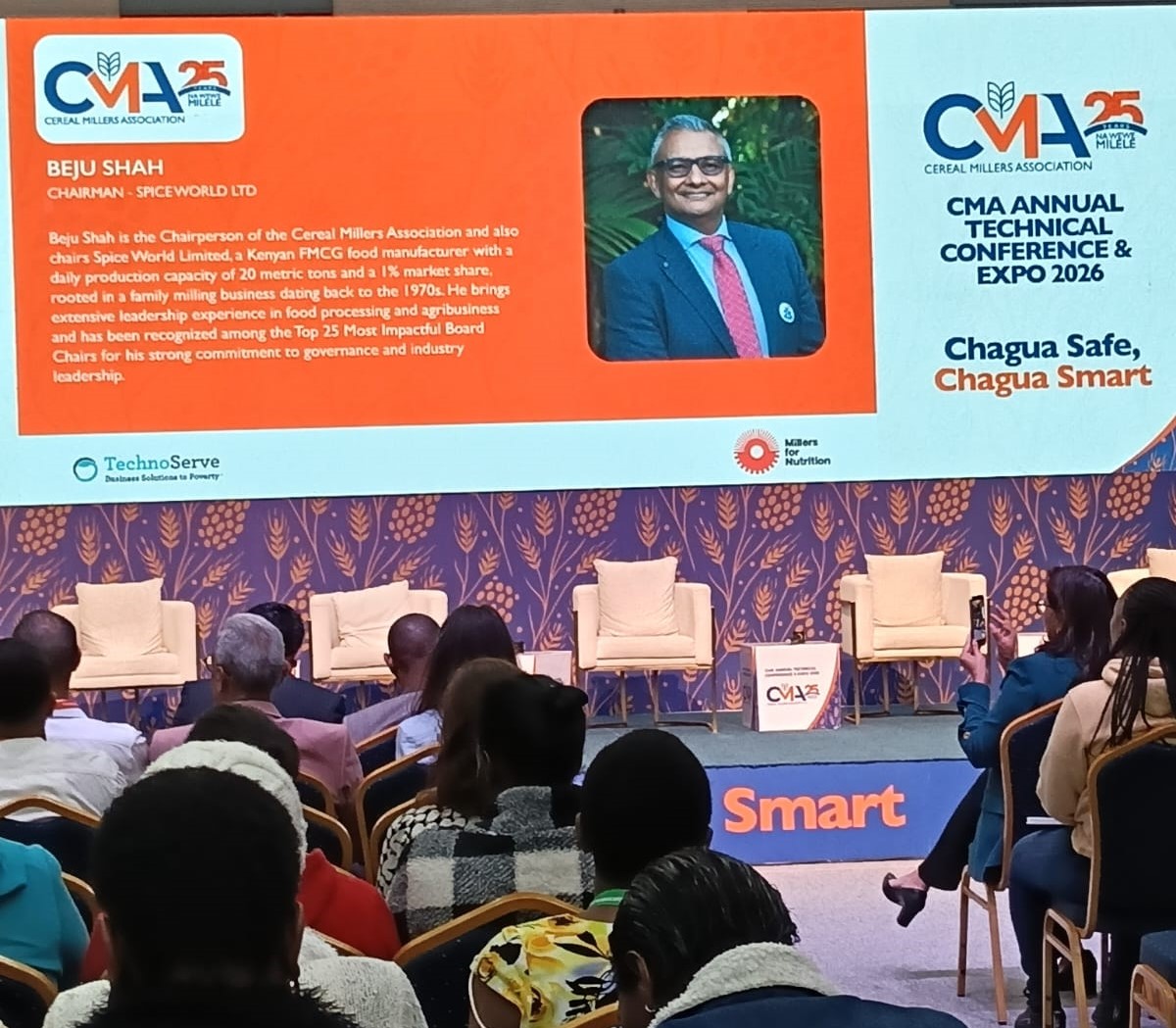
The campaign seeks to raise awareness about food safety,flour fortification and nutrition,while encouraging consumers to look beyond price and familiarity when making food purchasing decisions.
 “Every Kenyan family deserves access to information that helps them make informed decisions about
the food they consume,” said Paloma Fernandes, Chief Executive Officer of the Cereal Millers Association (CMA).
“Through Chagua Safe.Chagua Smart., we want to make food safety and nutrition part of everyday conversations in Kenyan homes.
 When consumers understand what is in their food and why it matters, they are better equipped to make choices that support healthier families and stronger communities.
“The campaign seeks to address a growing information gap among consumers, many of whom remain
unaware of food safety risks such as aflatoxin contamination and the role fortified foods can play in supporting the health and wellbeing of mothers and children.
 The campaign comes at a time when nutrition-related challenges continue to affect millions of Kenyans despite progress in food production and access.

 Maize flour remains one of the most effective food vehicles for improving nutrition because of its widespread consumption.

Aflatoxin is a naturally occurring toxin associated with poorly handled, dried or stored maize and other cereals.
Because it cannot be seen, smelled or tasted, public awareness remains an important component of prevention.

In Kenya, the fortification of packaged maize and wheat flour is mandatory under the Foods,Drugs and Chemical Substances Act (Cap 254).
Fortified flour contains essential nutrients such as iron, zinc, Vitamin A, folic acid and B-vitamins,which support growth, immunity, maternal health and overall wellbeing.
 Members of the public are encouraged to follow the campaign and join the conversation using the hashtag #ChaguaSafeChaguaSmart.
Views: 35