
 Paul Arithi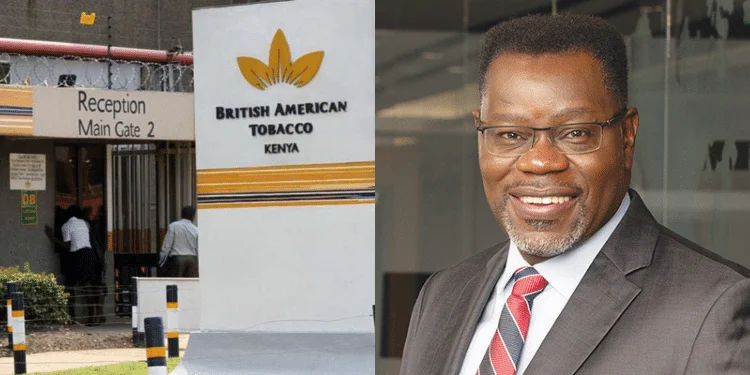
BAT Kenya Managing Director Crispin Achola,
BAT Kenya shareholders approve dividend payout as company highlights illicit trade challenge during its 74th AGM
- Shareholders approve final dividend of KSh 60 per share, taking total dividend payout to KSh 70 per share
- Strong profit growth driven by effective cost management and lower finance costs which more than offset reduced revenue due to continued growth in illicit tobacco trade
- BAT Kenya highlights continued progress across its sustainability priorities:
-
KSh 1.4 billion paid for tobacco leaf purchases from farmers
-
Over 80,000 livelihoods supported across the value chain
-
99% of operational waste recycled, with zero waste sent to landfill
-
55% reduction in Scope 1 & 2 emissions (vs 2020 baseline) and 42% of total water recycled
- 100% of contracted tobacco farmers are growing alternative crops for food security and additional income
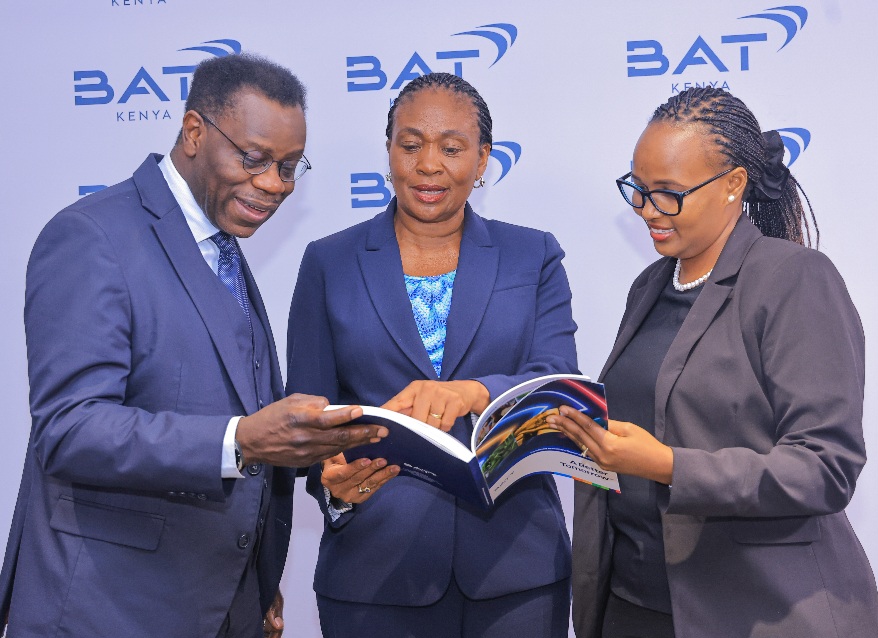
BAT Kenya shareholders approved a final dividend of KSh 60 per share for the year ended 31 December 2025.
The shareholders’ approval, given at the company’s 74th Annual General Meeting (AGM), brings the total dividend payout to KSh 70 per share, making it the highest dividend payout by BAT Kenya.
During the period, profit before tax rose to KSh 7.7 billion, up from KSh 6.5 billion in the previous year, representing an 18% increase.

 Sustainability and impact
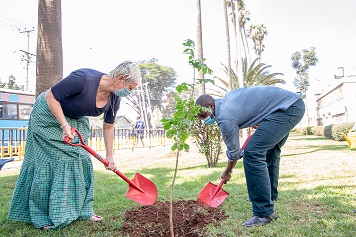
BAT Kenya continues to strengthen livelihoods across its value chain, supporting over 80,000 dependents and beneficiaries, contributing to their overall well-being and economic development.

During the period, BAT Kenya paid KSh 1.4 billion to farmers for tobacco leaf purchases across the country, up from KSh 1.1 billion paid the previous year.
Through its sustainable agriculture initiatives, 100% of all BAT Kenya contracted farmers are now growing alternative crops alongside tobacco, compared to 98% in the previous year.
This has been achieved through farmer training on crop diversification and sustainable practices.
The company’s Rural Women Development Programme (RuWDep) also expanded, reaching 334 participants in 2025 with capacity building, financial literacy, and income diversification opportunities.
The company also made notable progress in waste reduction and circularity, reducing total waste to 1,105.6 tonnes in 2025 from 1,151.8 tonnes in 2024.Of this, 1,095 tonnes (99%) were recycled, with zero waste sent to landfill.
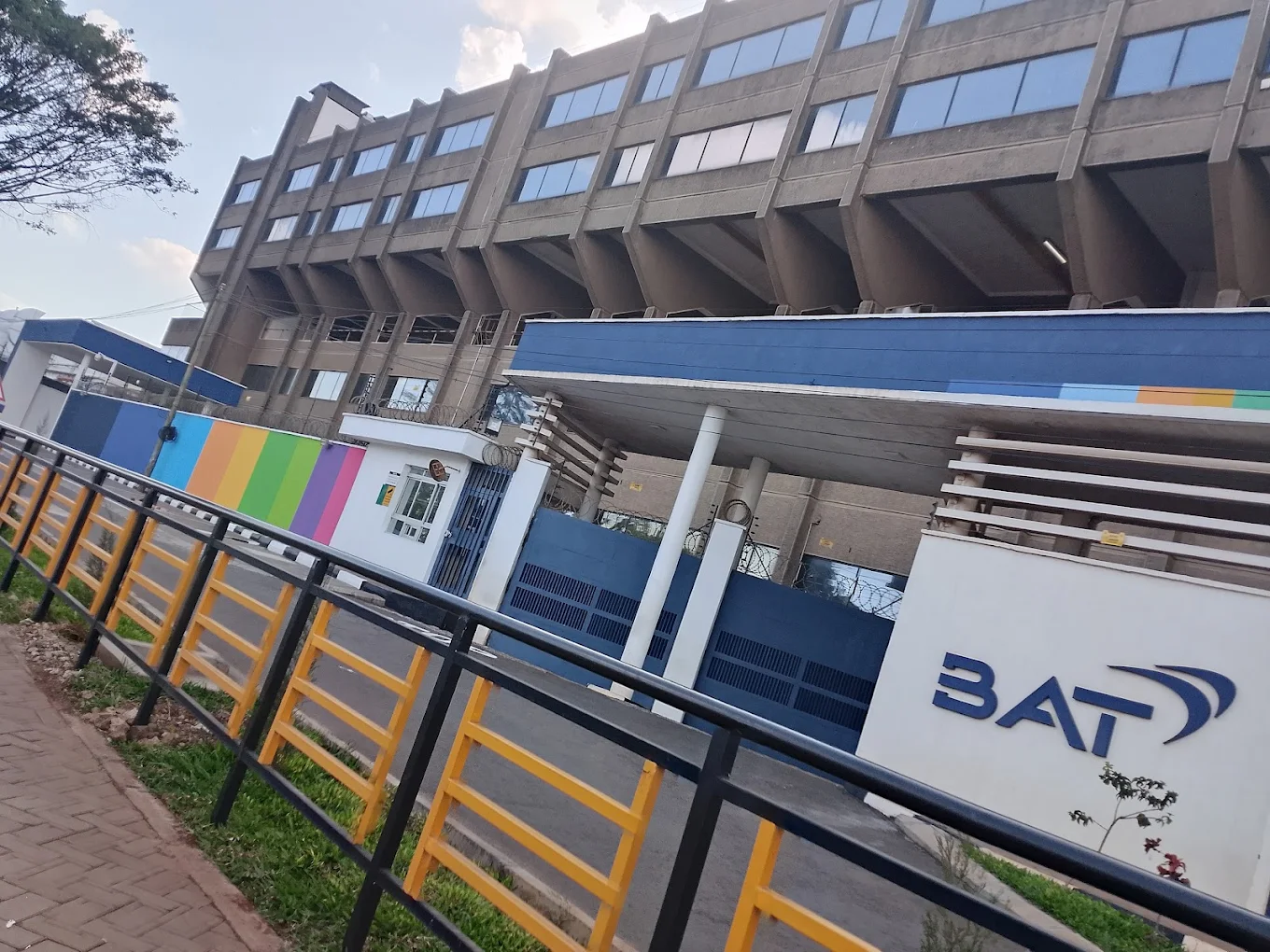
BAT Kenya also achieved a 55% reduction in Scope 1 and 2 emissions, compared to its 2020 baseline, reflecting the company’s ongoing focus on responsible resource use across its operations, biodiversity conservation and energy efficiency.
During the period under review, the Company recycled 42% of its total water consumption, exceeding its 2025 target of 30%.This contributed to enhanced water security and the sustainable use of this critical natural resource.
Outlook and strategic focus
BAT Kenya remains focused on delivering sustainable value while advancing BAT’s global purpose of realising A Better Tomorrow™ by Building a Smokeless World.
This means a focus on accelerating Tobacco Harm Reduction through science-based innovation, highlighted by the successful relaunch of VELO™ oral nicotine pouches in Kenya, alongside continued advocacy for progressive,evidence-based regulation.

That said, combatting illicit cigarettes trade will continue to be a top priority given its impact on government revenue and the sustainability of legitimate businesses.
Whilst efforts have been made by relevant Government agencies to address the growing challenge of illicit trade, more robust measures and enhanced enforcement actions are required to arrest the menace.
Commenting on the report,BAT Kenya Managing Director Crispin Achola, said:
“2025 was a remarkable year for BAT Kenya.
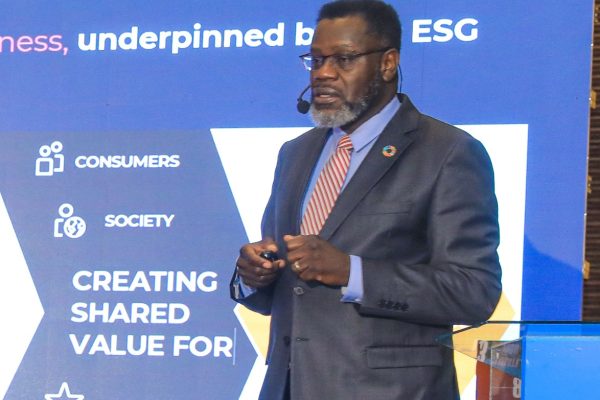
Despite a challenging operating environment in which the illicit trade in tobacco continues to grow, the company delivered strong financial performance for the year ended 31 December 2025.
These results were driven by effective cost management and lower financing costs.
“The year was, however,marked by a continued rise in illicit cigarette trade, which remains a significant global and domestic challenge.
We continue to engage with relevant stakeholders and government agencies in support of efforts to strengthen appropriate enforcement action and drive a more stable and compliant operating environment.”
Views: 18