 Editorial Desk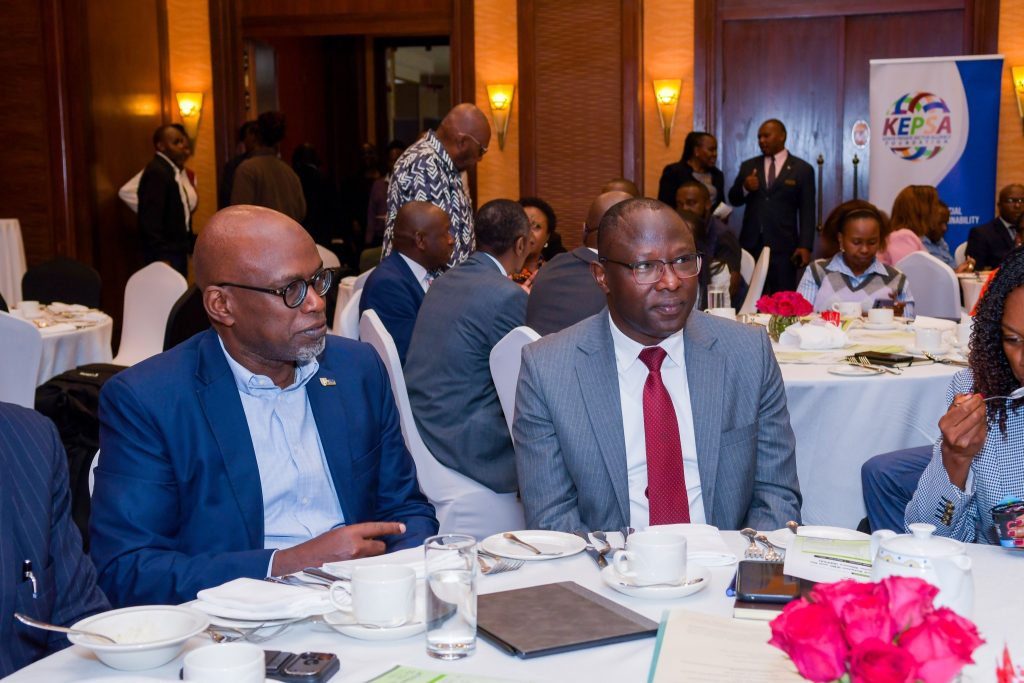
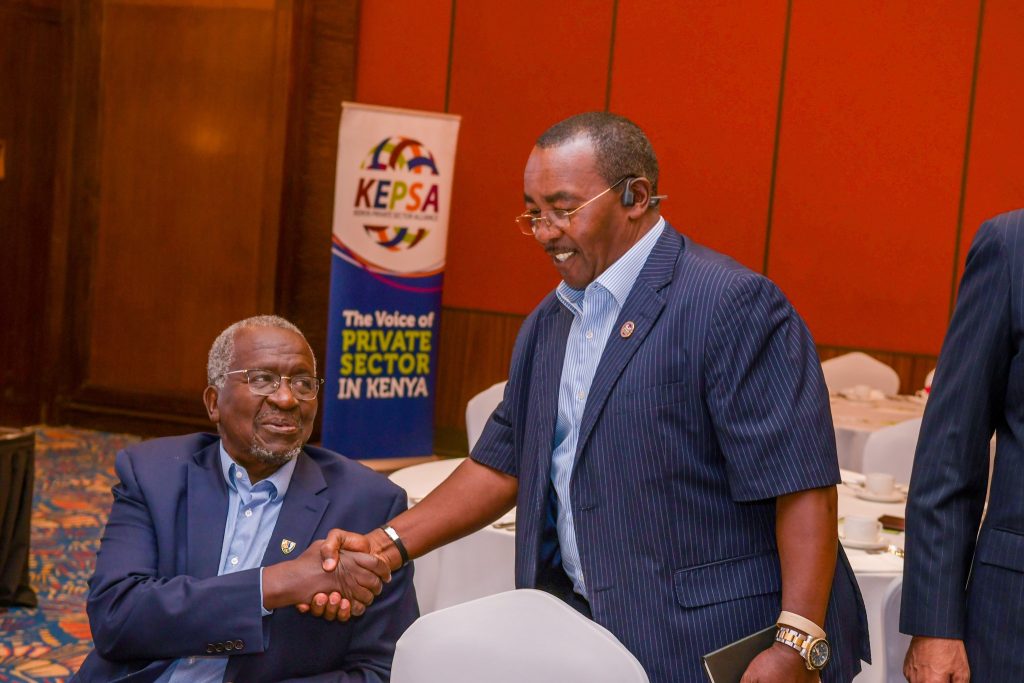
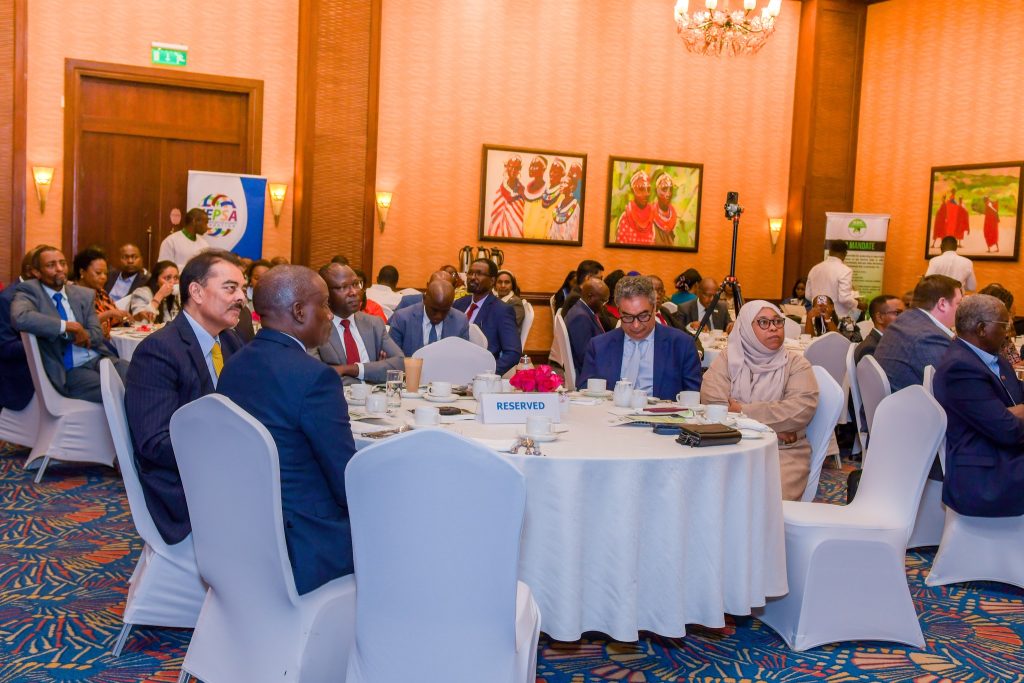
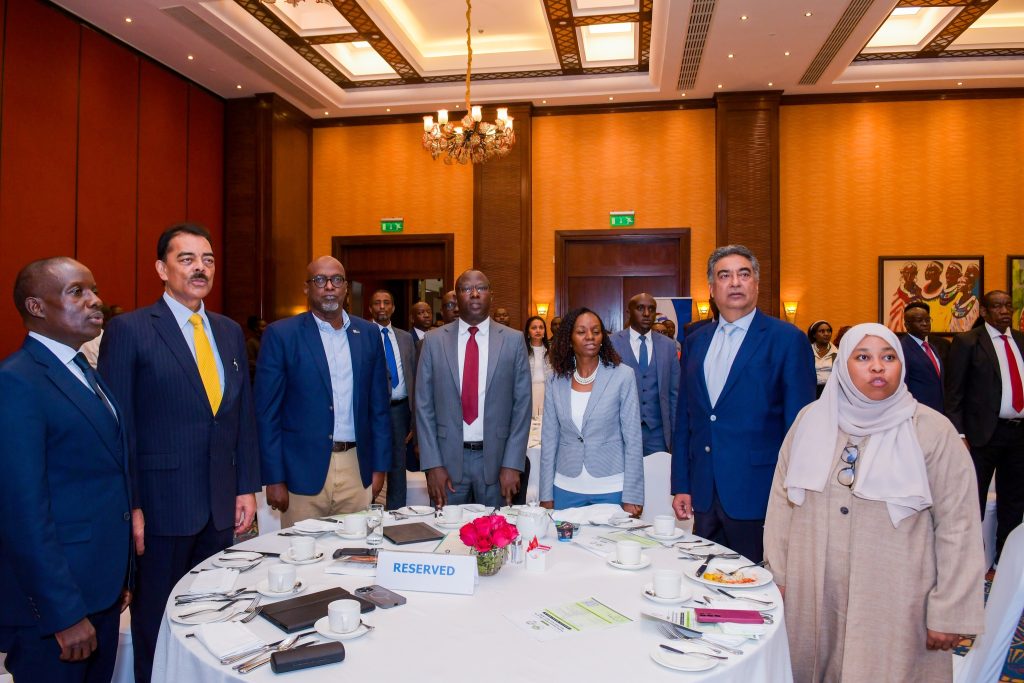
The Kenya Private Sector Alliance (KEPSA) and the Independent Electoral and Boundaries Commission (IEBC) held a high-level consultative meeting in Nairobi to establish a structured partnership aimed at enhancing peace and harmony in the run-up to the 2027 General Elections, with a focus on transparency, credibility, and peaceful co-existence.
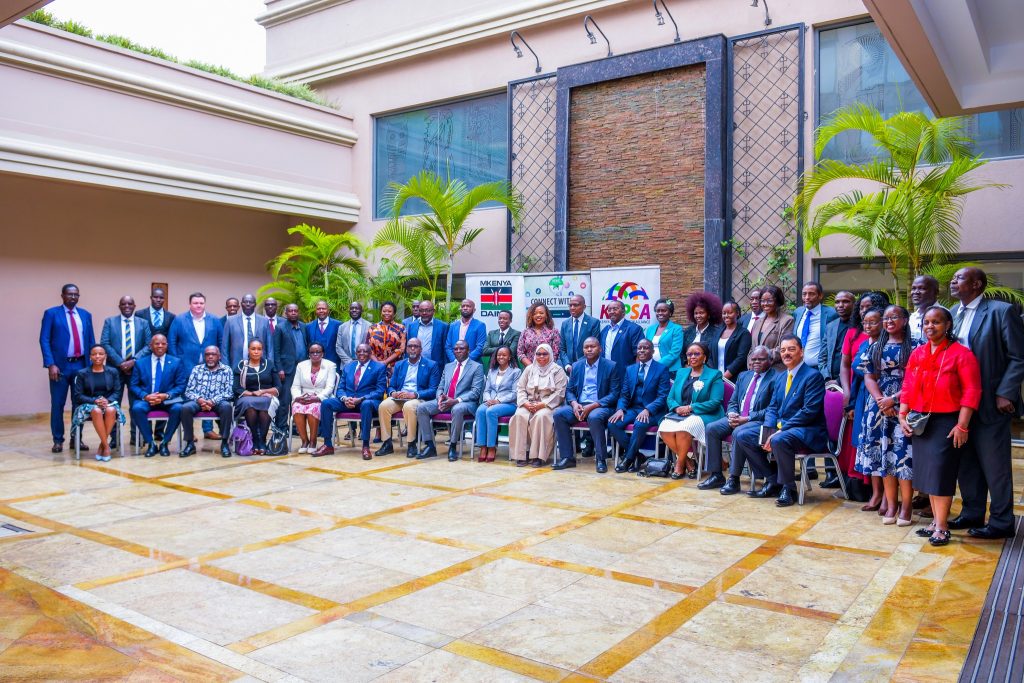 The engagement marks a crucial revival of the collaboration that has been in place since the formation of the Mkenya Daima Initiative, a non-partisan, multisectoral initiative spearheaded by KEPSA Foundation, focusing on peaceful elections, smooth political transitions, and economic prosperity.
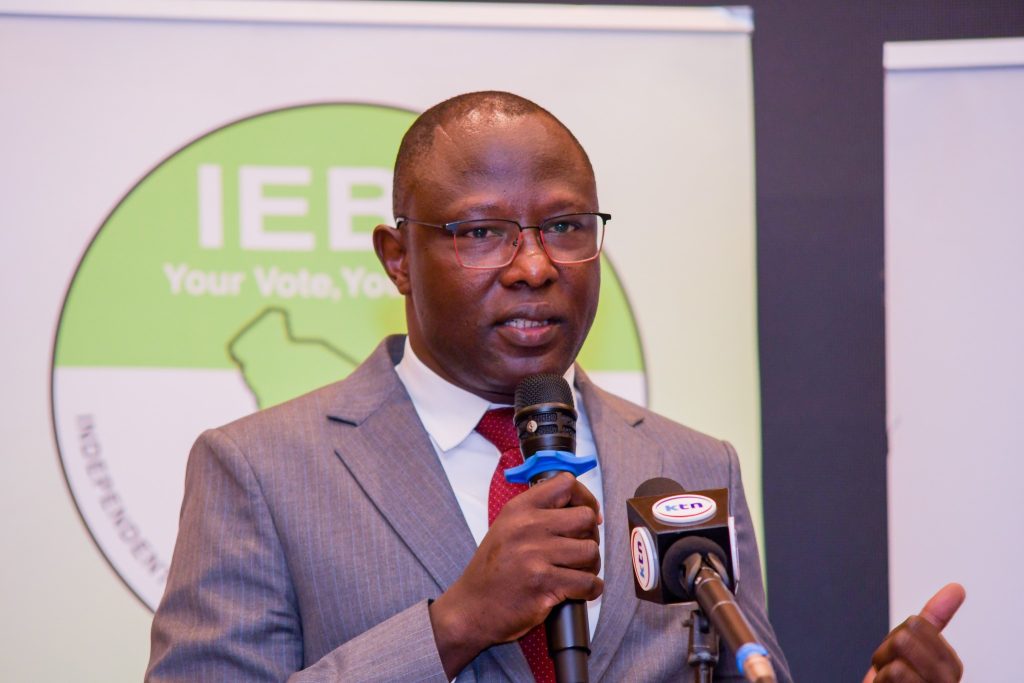
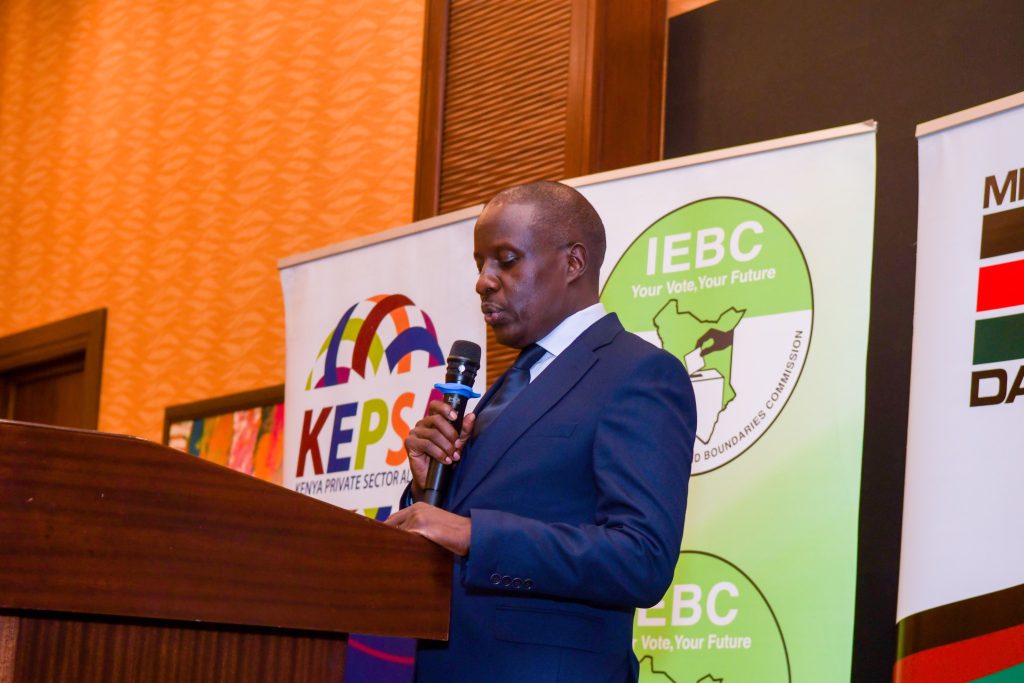
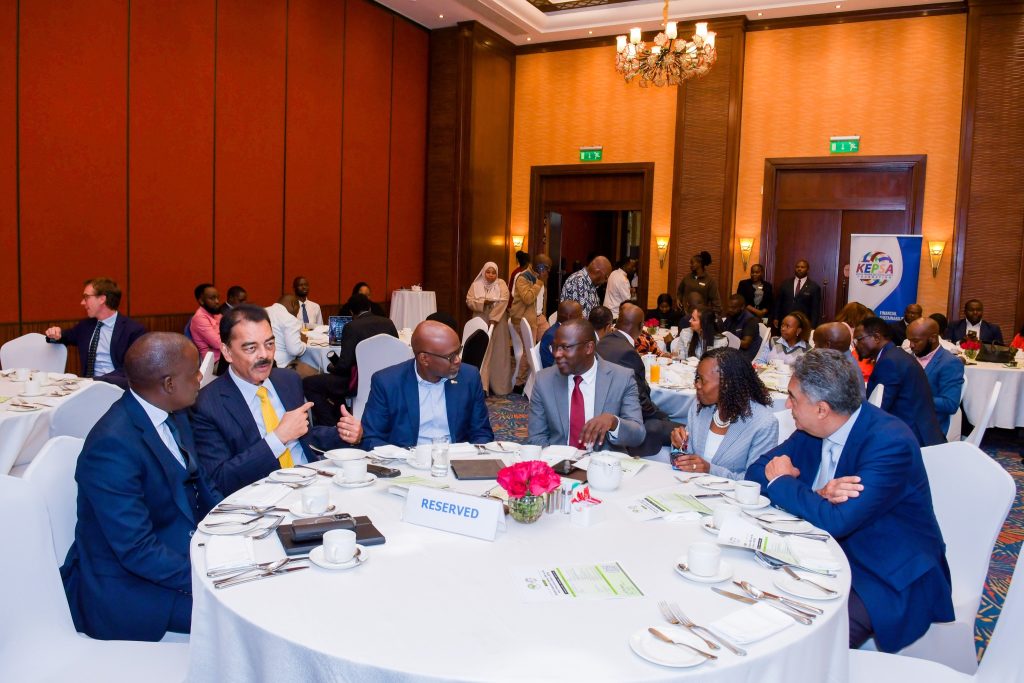 In his keynote address, IEBC Chairperson Erastus Edung Ethekon detailed the Commission’s roadmap, noting that over 12,000 staff have been deployed across the country.
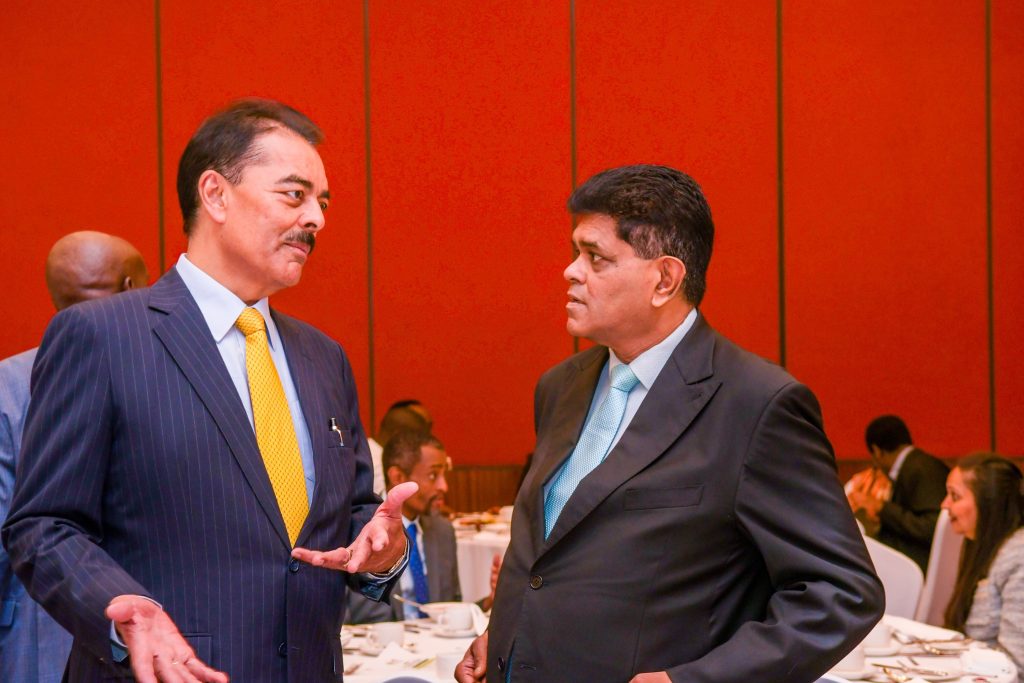 He said that the Commission aims to register 2.5 million new voters in the first phase, targeting a total of 28 million registered voters by 2027.
However, the Chairperson highlighted a significant Ksh 20 billion budget deficit that threatens critical operations such as civic education and media campaigns.
 “We are prioritising legal reforms and have engaged Parliament to fast-track laws that will enhance our capacity to deliver transparent elections,” stated Mr. Ethekon, while urging the private sector to bridge resource gaps.
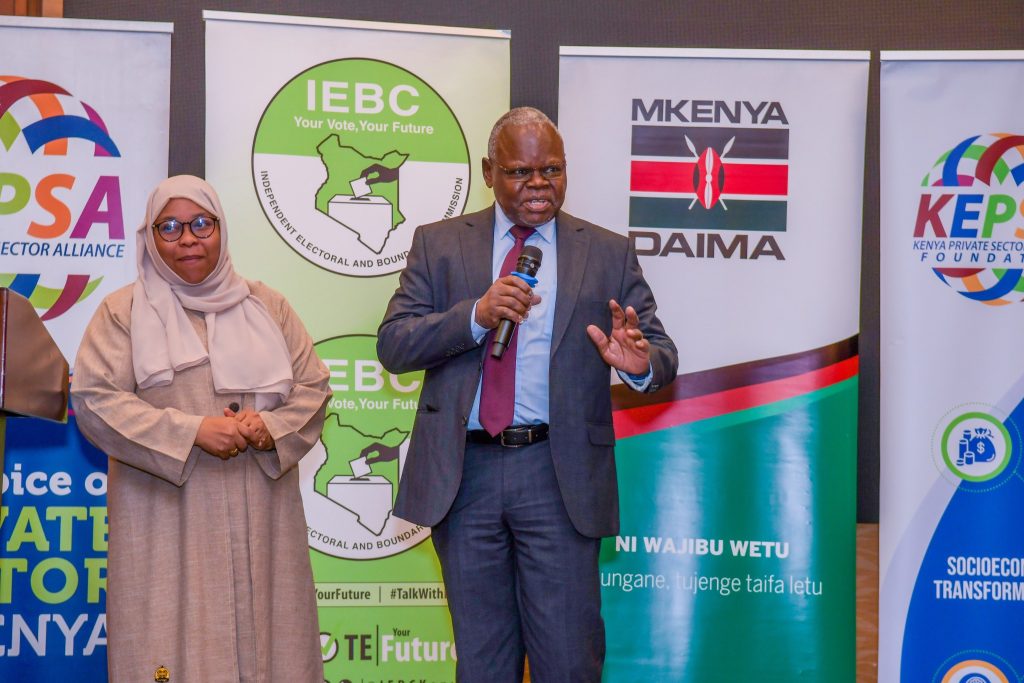 “The private sector is our key pillar and our number one partner in strengthening trust; enhancing preparedness; and supporting credible, inclusive, and peaceful elections.
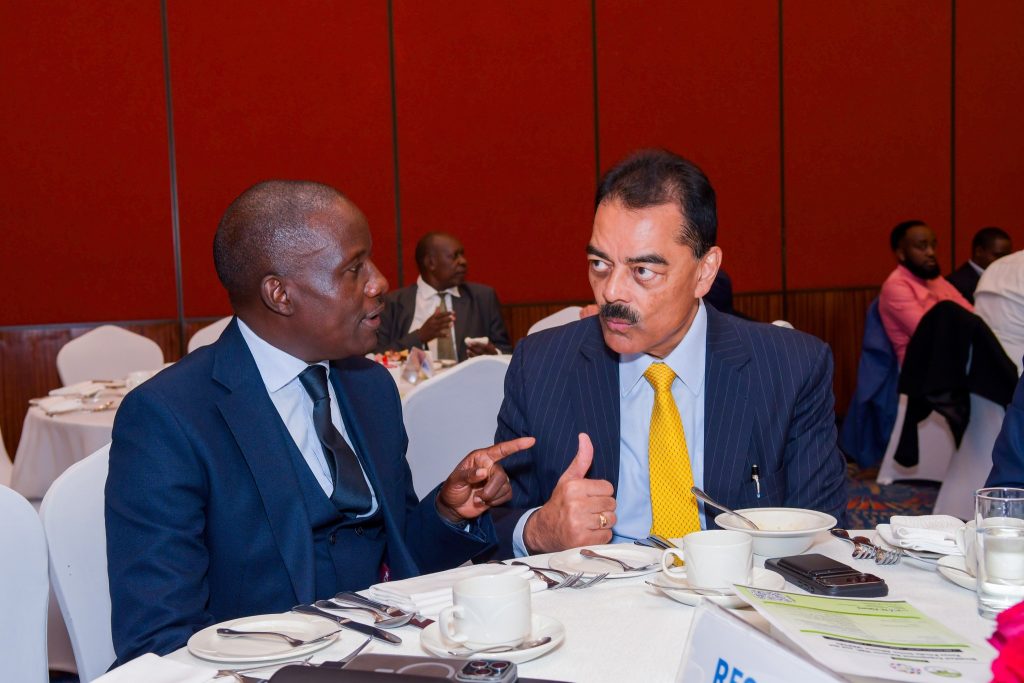 The engagement is a key part of the IEBC’s commitment to robust, sustained, and transparent engagement with all electoral stakeholders, as we move closer to the 10th August 2027 General Election,” said Ethekon.
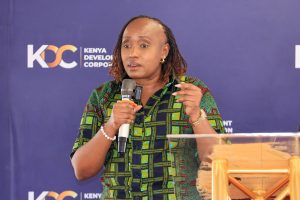
 KEPSA CEO Carole Kariuki reaffirmed the business community’s commitment through the Mkenya Daima Initiative. She emphasised that “political stability is a prerequisite for economic resilience, especially at a time when Kenyans are feeling the impacts of the global uncertainties, like the Middle East tensions affecting oil prices.”
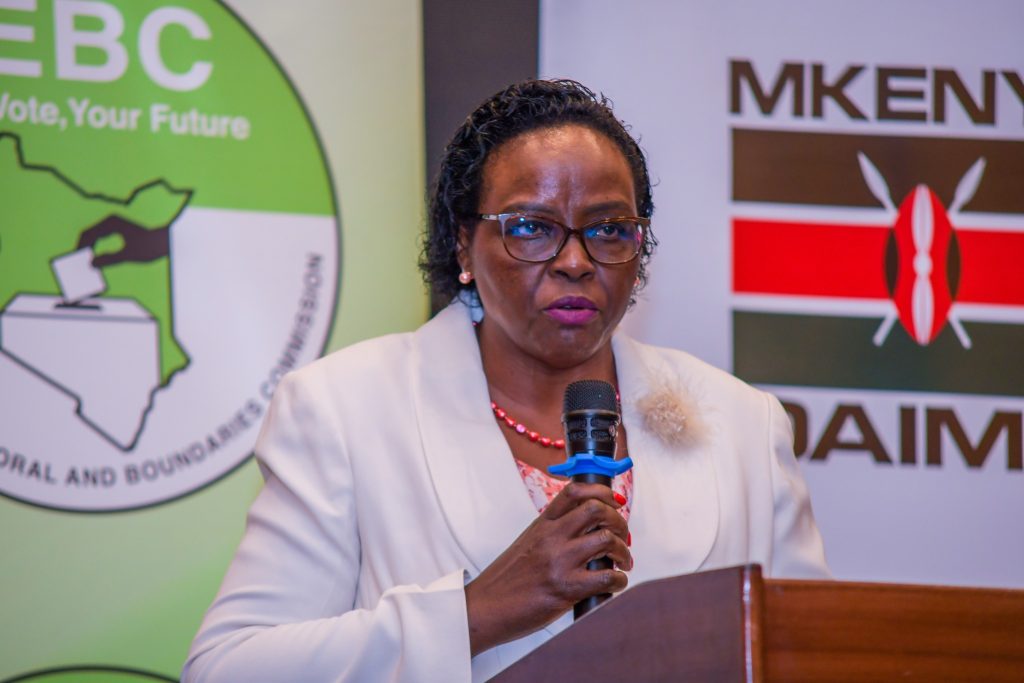 Noting the need to foster posterity and continuity of a good business environment that delivers Kenya’s global competitiveness, Carole called for inclusion, tolerance and participation to ensure a peaceful and credible election.
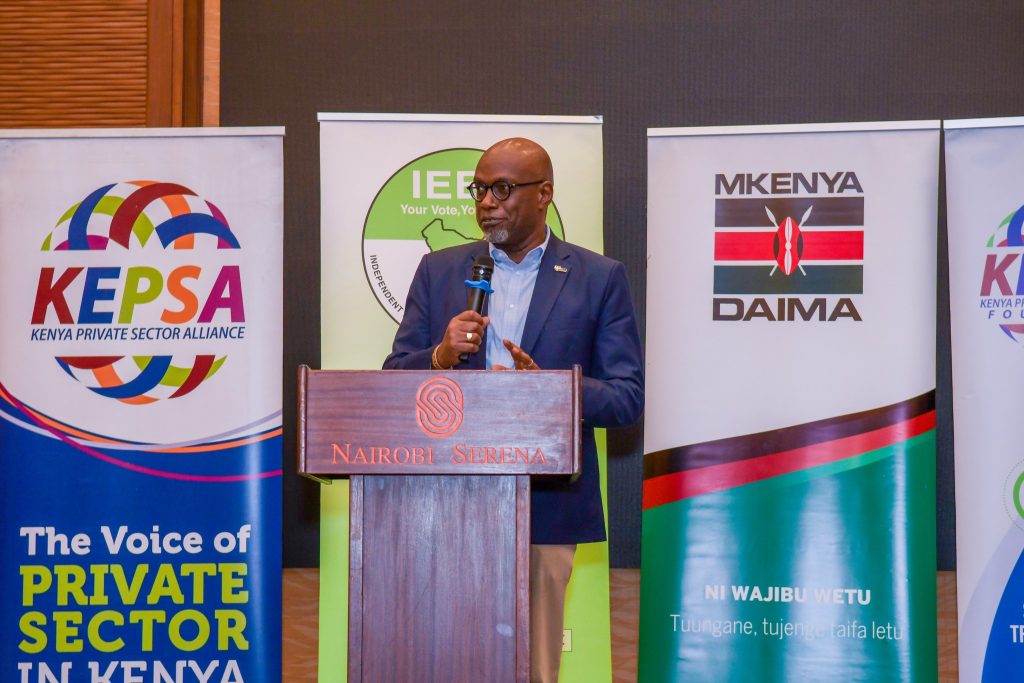 On his part,Mucai Kunyiha, Chairperson of Mkenya Daima Initiative, identified corruption, political violence, and an evolving media landscape as primary hurdles that require resilient institutional responses.
He noted that Mkenya Daima has developed a Peace Pledge that requires citizens, politicians and political parties to pledge to conduct peaceful elections and follow the system and process.
 “Politics is too important to be left to the politicians alone.Mkenya Daima will engage with other like-minded Kenyans and have a platform where people can speak about the leadership of the country,” said Mucai.
 IEBC Ag. CEO Moses Sunkuli recognised KEPSA’s consistent support of the Commission in various activities in the electoral process, including voter education and civic participation.
 “I look forward to tapping into KEPSA’s rich influence to set the right pace for the General Election. Your insight and priority on Kenya’s socio-economic and political environments are key to the conduct of a peaceful General Election,“ said Sunkuli.
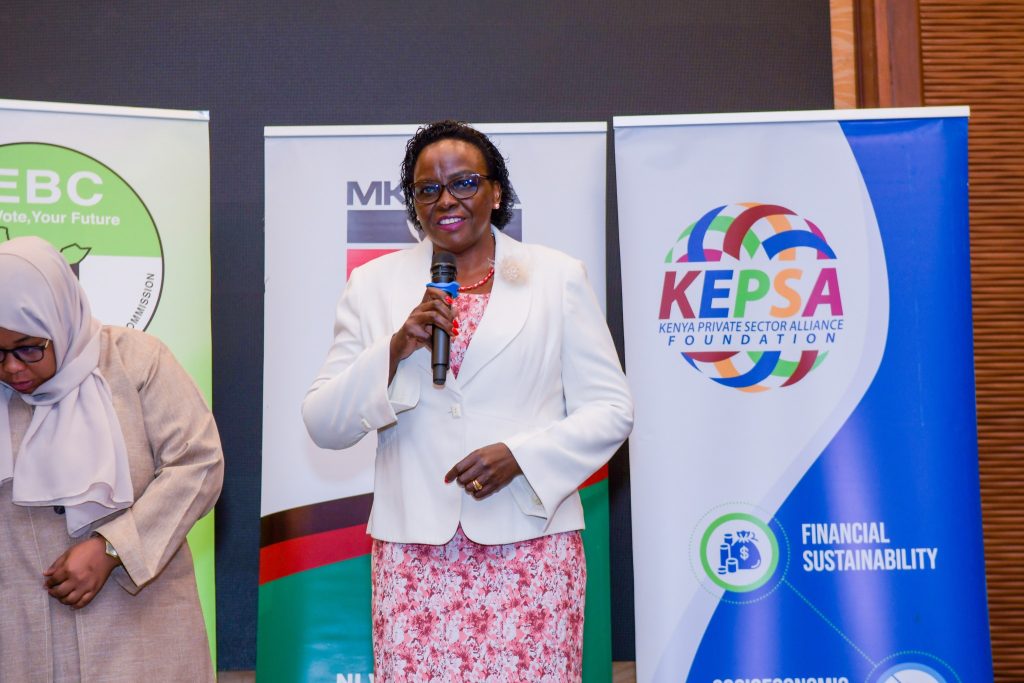
Gloria Ndekei, the Executive Director of KEPSA Foundation, underscored the spirit of the partnership: “The IEBC is committed to ensuring a credible and transparent election.
The private sector stands ready to assist them in fulfilling that promise for the betterment of our country,”she concluded.
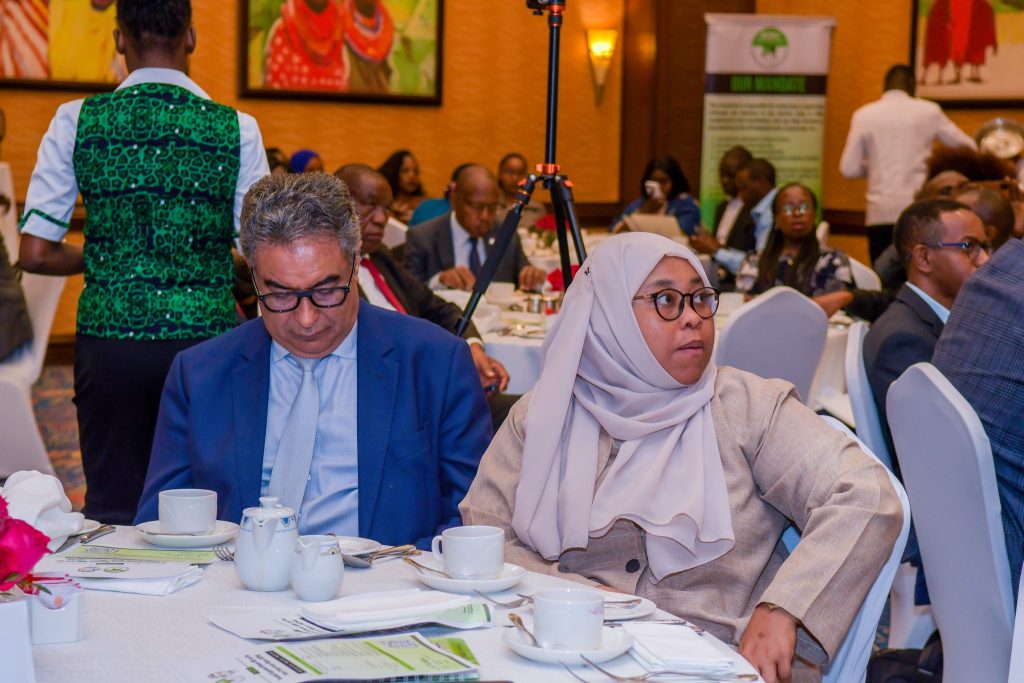
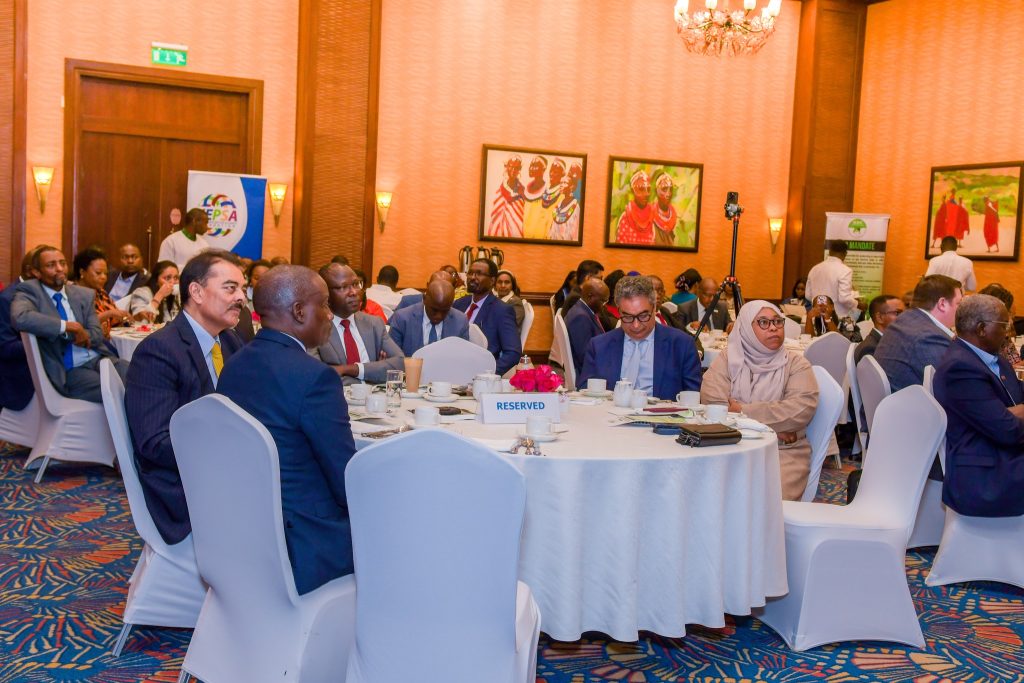 During a robust plenary session, stakeholders raised critical issues regarding the current electoral environment, including the trust deficit, security risks brought about by goonism and the impact of election-related violence on the economy.
 Another main concern was the digital dynamics, including the rise of AI, misinformation, and a digitally active youth demographic.
The meeting reaffirmed IEBC’s commitment to restoring institutional credibility through enhanced transparency and open communication.
 To ensure a seamless transition to 2027, KEPSA and IEBC agreed on a structured implementation roadmap focusing on multi-agency coordination with security agencies to protect citizens and businesses and combining efforts to scale up voter and civic education to drive informed participation through the Mkenya Daima initiative.
 The two institutions also agreed to leverage technology to enhance transparency in results management and champion for an inclusive voter registration process to ensure no Kenyan is disenfranchised.
Views: 25