 Nura Kemis
L-R: Google Eastern Africa Government Affairs Lead Michael Murungi, Kenya Deputy Project Director Digital Opportunity Trust (DOT) Kenya Ann Nderitu , Deputy Director ICT Authority Lynette Ringeera ,Board chair Africa Digital Media Institute Dr. Laila Macharia at the Ganjisha Project showcase breakfast event on 14th July 2026. The implemented project boosted digital skills, confidence and incomes through practical training in photography, videography, graphic design, social media management and digital marketing
- Over 7,800 Kenyan youth acquire digital skills to turn content creation into sustainable businesses through Google-supported Ganjisha project
- Independent endline evaluation finds the Africa Digital Media Institute (ADMI) and Digital Opportunity Trust (DOT) Kenya-implemented project boosted digital skills, confidence and incomes through practical training in photography, videography, graphic design, social media management and digital marketing.
The Africa Digital Media Institute (ADMI), Eastern Africa’s premier creative arts and technology training institution,and Digital Opportunity Trust (DOT) Kenya have equipped more than 7,800 young Kenyans with practical digital content creation and entrepreneurship skills,enabling many to earn an income from the country’s fast-growing creator economy through the Google-supported Ganjisha Project.
Content creators received hands-on training in photography, videography, graphic design, social media management, digital marketing, ethical content creation, financial literacy, personal branding and entrepreneurship,while gaining practical experience using industry-standard tools such as Canva,CapCut and AI-powered content creation platforms.
Results from an independent endline evaluation of the Google-supported Ganjisha Project,jointly implemented by ADMI and DOT Kenya,show the programme exceeded its target by training more than 7,800 young people across all 47 counties and significantly improved participants’ digital skills,confidence and earning potential.
The evaluation shows significant improvements in participants’ digital capabilities, confidence and earning potential. The proportion of learners with intermediate and advanced digital content creation skills increased from 7 per cent at baseline to 85 per cent after training.
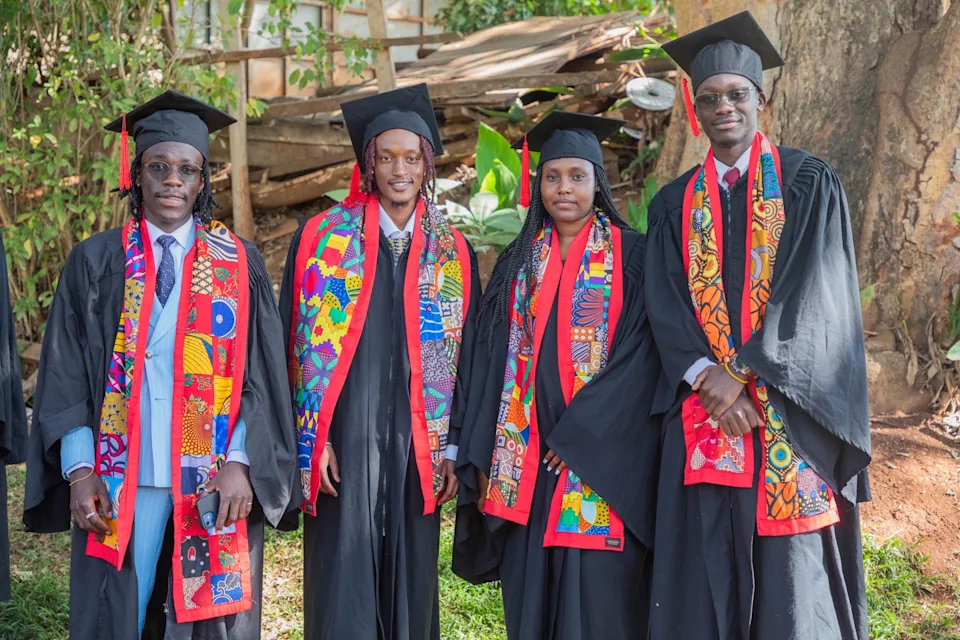 At the same time, the proportion of participants earning income from digital content creation rose from 5 per cent to 28 per cent, while average monthly earnings increased from approximately KES 2,600 to KES 7,766.
“The Ganjisha project has demonstrated that when young people are equipped with the right digital and entrepreneurial skills, they can transform creativity into sustainable livelihoods.
Kenya’s creator economy holds immense potential, and our role is to ensure young creators have the skills and confidence to seize those opportunities,” said Dr Laila Macharia,Board Chairperson, Africa Digital Media Foundation and Africa Digital Media Institute (ADMI).
“The evaluation shows that participants are not only creating better content but are also earning more,launching businesses and building careers in the digital economy.This is the kind of impact that industry-led digital skills training can deliver.”
The evaluation shows that participants are not only creating better content but are also monetising their skills,securing freelance opportunities,supporting businesses with digital marketing services and creating employment for themselves and others.
This demonstrates the immense potential of Kenya’s creator economy when young people are equipped with the right skills, tools and support.”
 Beyond strengthening technical skills,the programme transformed participants’ confidence and outlook.Graduates reported greater confidence in creating and publishing digital content,building personal brands and pursuing content creation as a viable career.
More than 90 per cent continue to apply the skills acquired through the programme,while many are mentoring other young people, supporting small businesses and expanding their professional networks.
The programme was delivered through partnerships with community-based organisations, government ICT hubs,TVET institutions, county governments and leading Kenyan content creators,extending quality digital skills training to underserved communities.
It also complemented national initiatives such as the Ajira Digital Programme and Kenya’s Digital Economy Blueprint by preparing youth with the practical skills needed to participate in the country’s expanding digital economy.
“Young people don’t transform because of a curriculum.They transform when they see someone like them succeed. When they’re trusted with responsibility.When they realize they have agency not just in their own lives, but in their communities.
What we celebrate is early evidence of what Kenya’s digital economy can look like when young people are given real ownership of it. That is the work we intend to keep doing,together,well beyond this room” said Ann Nderitu,Deputy Project Director,Digital Opportunity Trust Kenya.
The evaluation identified limited access to smartphones, laptops, affordable internet and advanced creative tools as the main barriers preventing many young people, particularly women and those in rural areas, from fully participating in the digital economy.
It recommends expanding access to digital infrastructure,increasing practical training,strengthening mentorship and creating stronger pathways to content monetisation through partnerships with industry and digital platforms.
To sustain the programme’s impact,ADMI and DOT Kenya have established a digital alumni engagement platform that will provide graduates with continuous mentorship,refresher learning resources,networking opportunities and access to digitalgig platforms, ensuring participants continue to grow their careers beyond the training period.
Views: 17