 Business Quest Team

Moringa CEO-Nikki Germany
- Moringa:Future-Ready Tech Skilling
- Why Kenya’s Businesses Must Rethink How They Train Talent;
- By Business Quest Team;
As artificial intelligence reshapes the workplace,Moringa CEO Nikki Germany says businesses must move beyond generic online courses and invest in practical, industry-aligned training that delivers measurable results.
Artificial intelligence is rapidly changing how businesses operate, from the way they analyse information and serve customers to how they manage supply chains, develop products and make strategic decisions.
 Yet as companies race to adopt new technologies, a critical question remains: do their employees have the skills to use them effectively?
For many organisations, the challenge is no longer simply acquiring technology. It is finding people who understand how to apply it to real business problems, developing those capabilities within existing teams and preparing employees for roles that are still evolving.

The gap between technological ambition and workforce readiness is becoming an important business concern, particularly as employers seek to improve productivity, control costs and remain competitive in an increasingly digital economy.
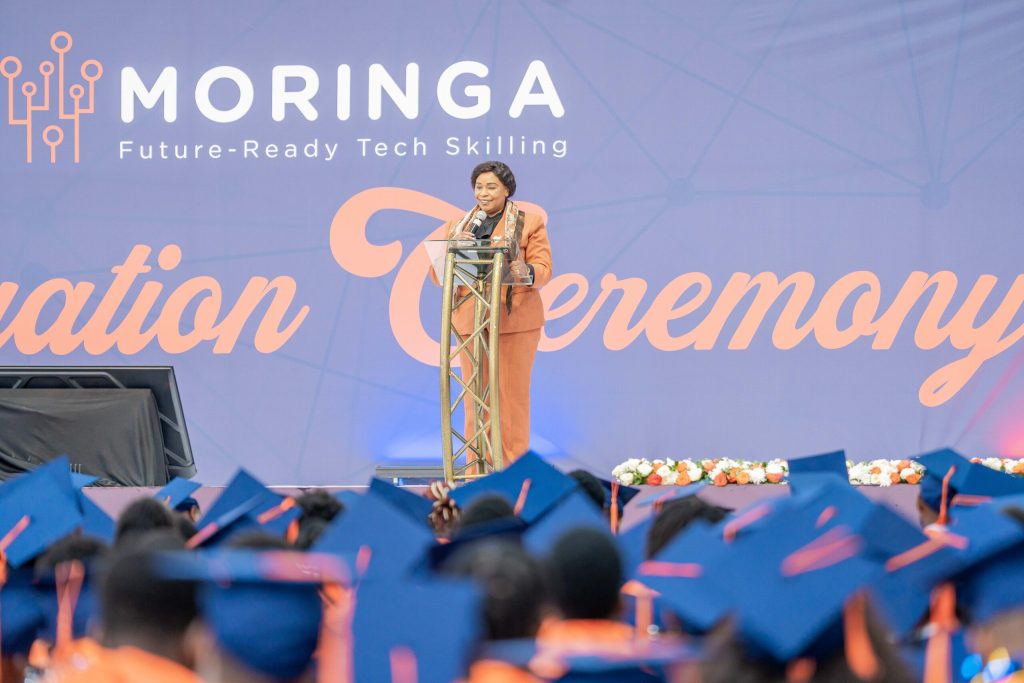 The institution works with individuals entering the technology sector,professionals seeking to advance their careers and organisations looking to strengthen their internal capabilities.
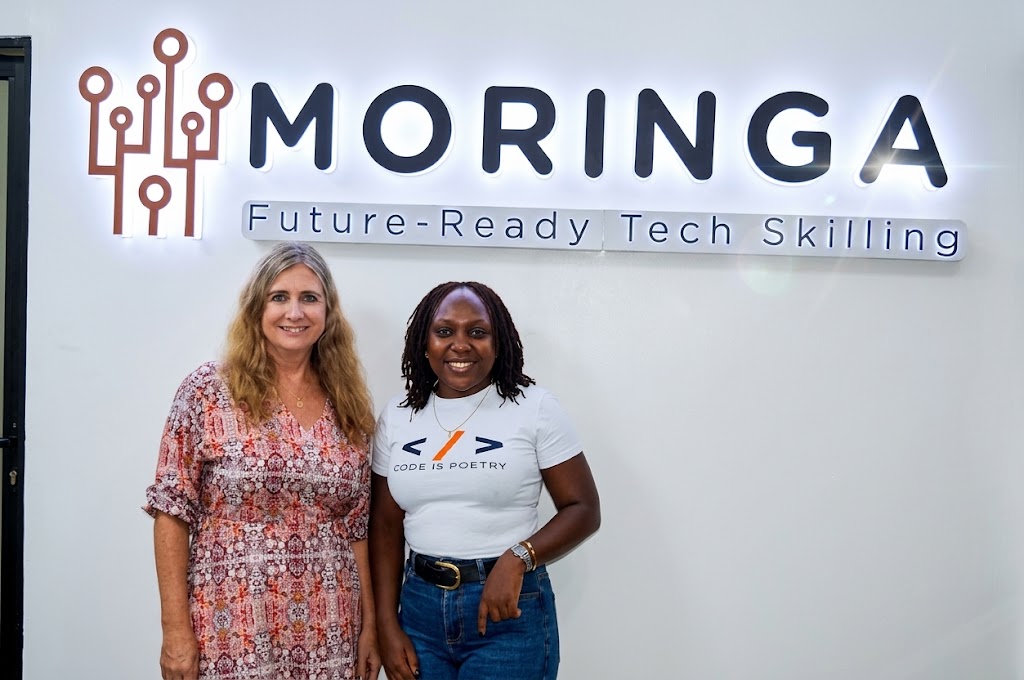 “AI fluency is going to become a basic requirement in the workplace,” she says, pointing to the growing number of employers seeking people who can help them understand and apply the technology.
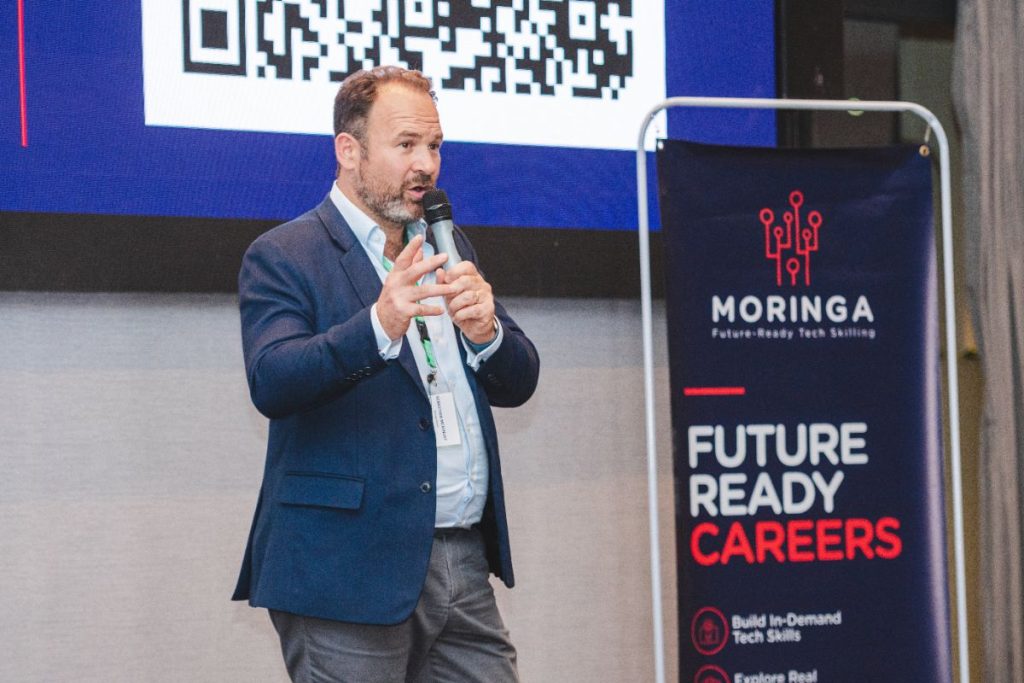 The range of requests illustrates how demand is expanding from general awareness of AI to specialised technical capabilities.
For businesses, this creates a two-sided challenge.They need to recruit people with the right skills while ensuring their existing employees can adapt to new technologies.
Waiting until a skills shortage becomes an operational problem can make the transition more difficult and expensive.

Moringa’s recent workforce capability study found that only 16 per cent of employers considered their existing employee training efforts very effective.
The finding raises questions about whether organisations are getting sufficient value from their investment in workforce development.
 Training has become more accessible through online courses and self-paced learning platforms,allowing companies to reach employees across different departments and locations.
However, scale does not automatically translate into relevance or measurable improvements in performance.
Nikki argues that generic training programmes can fail to address the realities of particular industries, job functions and markets.

The problem extends beyond geography.A course may introduce employees to a new technology without showing them how to use it to address a specific operational challenge.
Workers may understand the basic principles of AI but remain uncertain about how to apply it to customer service, financial analysis, marketing or supply-chain management.
For businesses, the distinction matters.The commercial value of training lies not simply in the number of employees who complete a course, but in whether they can apply their knowledge to improve how the organisation works.
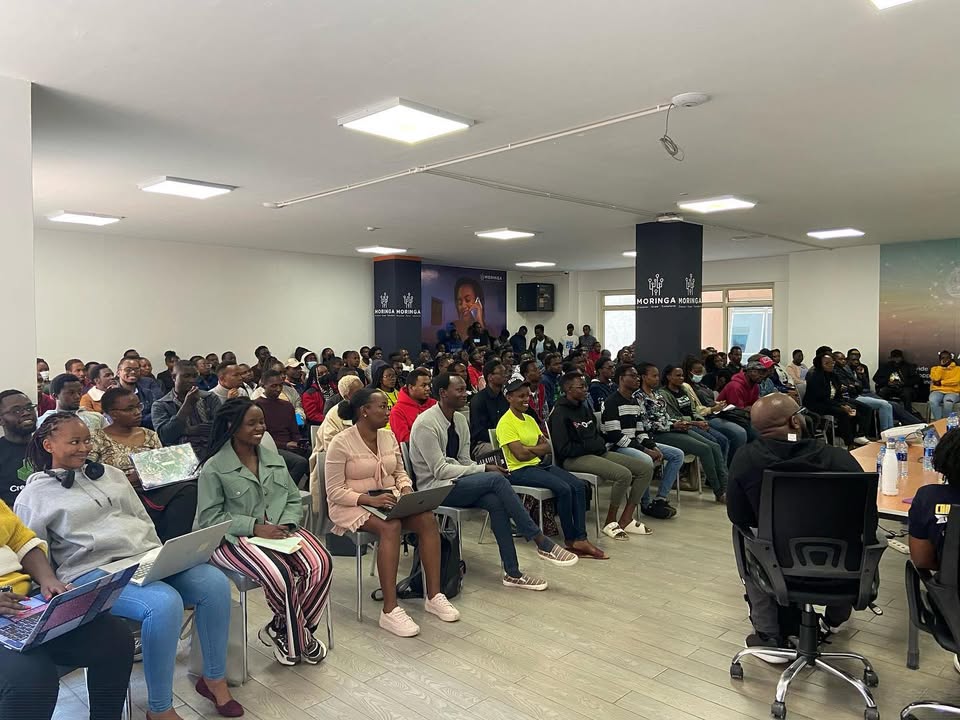 Moringa’s response has been to offer customised programmes that combine technical instruction with the requirements of specific industries, markets and roles.
Its training covers Generative AI literacy for non-technical employees, AI for marketing, Data science, AI engineering and Building Agents for Workflow automation.

Such an approach recognises that AI adoption is not exclusively the responsibility of software developers or data scientists.

As demand for technology skills grows, employers are also becoming more explicit about the qualities they expect from their workforce.Technical competence remains essential, but it is not enough on its own.
 Professionals must be able to explain complex technical concepts in language that colleagues without technical backgrounds can understand.
They must also present ideas clearly, influence decisions and communicate how a proposed solution will address a business need.

“The best technical talent understands the business really, really well,” Nikki says.
The distinction is between knowing how to use a tool and understanding why it should be used. A technically capable employee may be able to develop a model or automate a process, but the greater business value comes from identifying the problem, choosing an appropriate solution and demonstrating how it contributes to organisational objectives.
 This is particularly relevant as companies experiment with AI.The technology may offer opportunities to reduce repetitive work,improve analysis and support decision-making,but its usefulness depends on the problems businesses are trying to solve and the ability of employees to implement it responsibly.

For employers, training programmes therefore need to combine technical instruction with problem-solving, communication and commercial awareness.
Employees must learn not only how systems work, but also how to assess their relevance and apply them within their organisations.

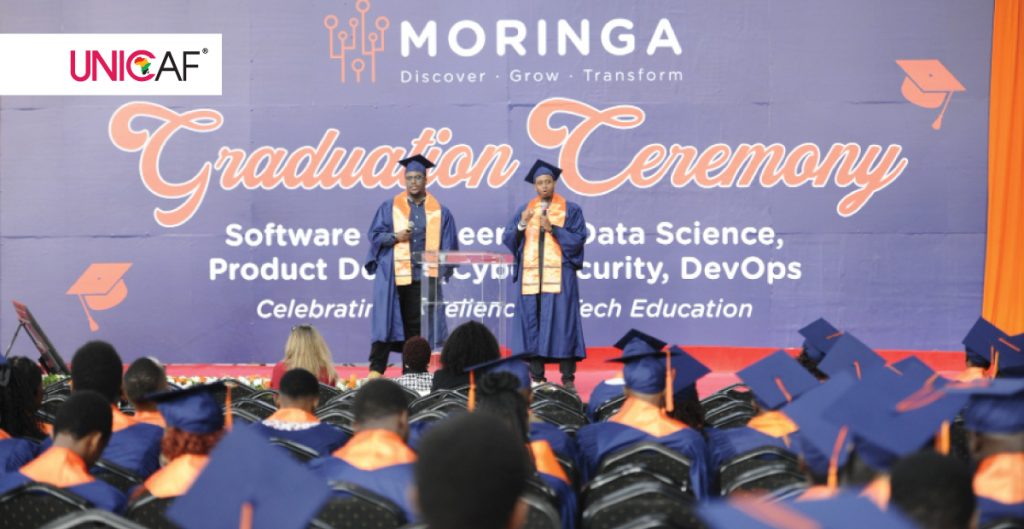
The institution says this approach is reflected in its graduate outcomes.An alumni survey found that more than 86 per cent of its graduates had secured an opportunity in their field within 12 months of graduating.
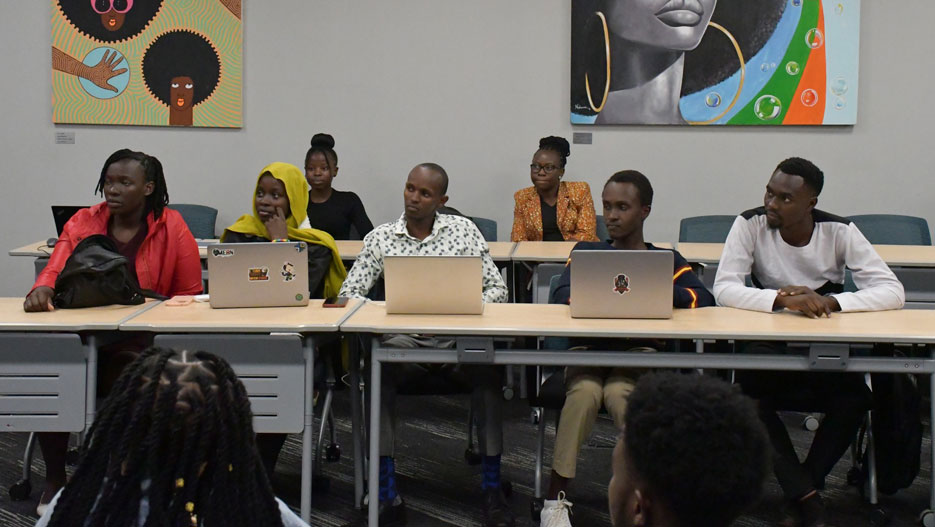
These are Moringa’s reported findings, but they point to a broader question facing technology education: how can training providers ensure graduates are prepared for the demands of actual employment?
For Nikki, the answer begins with maintaining close relationships with employers and regularly reviewing what students learn.

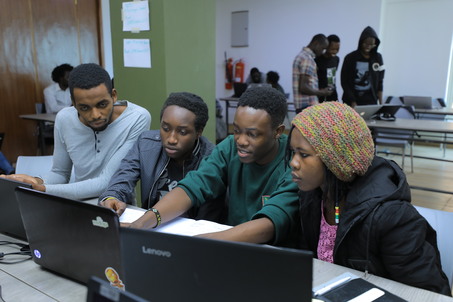
 Its projects provide another link between classroom learning and real-world challenges.Students have developed a flood-warning system that attracted interest from government representatives exploring its potential use in counties.
Others have built agricultural supply-chain tracking software for a business.
Such projects require learners to move beyond absorbing information and demonstrate that they can apply their knowledge to practical problems.
 They also give employers a better indication of how prospective employees approach challenges,collaborate and deliver solutions.
Internships play a complementary role.They allow graduates to experience workplace expectations and give employers an opportunity to assess entry-level talent before offering permanent positions.
Nikki encourages employers to design these opportunities thoughtfully, ensuring that young professionals gain meaningful experience while businesses develop a pipeline of talent suited to their needs.
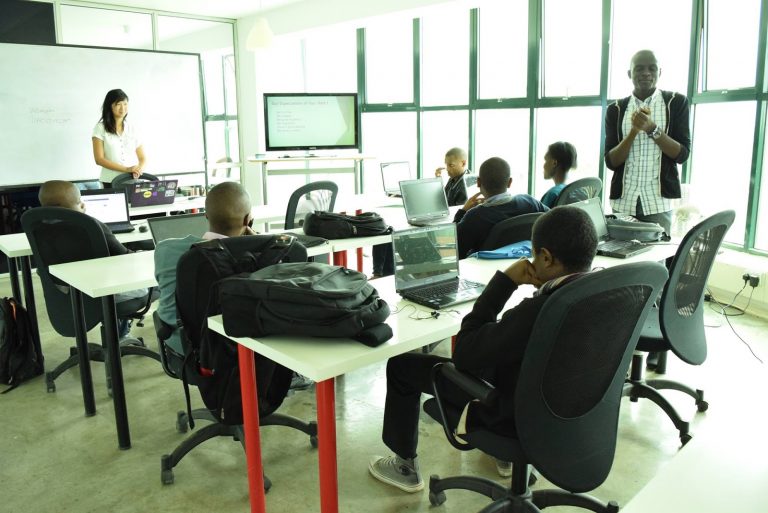 Building a workforce ready for AI
Developing AI capabilities internally can be particularly difficult because the field is relatively new and continues to change. Experimentation can be expensive, while the supply of professionals with specialised AI engineering skills remains an important challenge for employers.
This creates a case for businesses to identify which capabilities they need most urgently rather than treating AI training as a single intervention for every employee.
 Nikki recommends starting with a skills assessment or gap analysis to establish which employees need which capabilities. Organisations can then identify appropriate training partners and choose programmes that match their objectives.
A business seeking to introduce AI into its marketing operations,for example, may require a different intervention from one building advanced data models or automating complex workflows.
The distinction can help employers avoid spending money on training that is too general to address their actual needs.
However, access remains a major consideration.All education comes at a cost and participation in online learning depends on access to suitable devices and reliable internet connectivity.
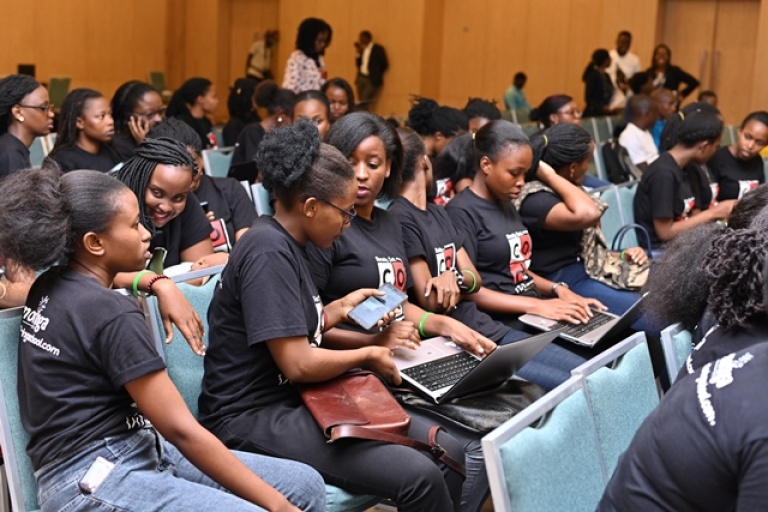
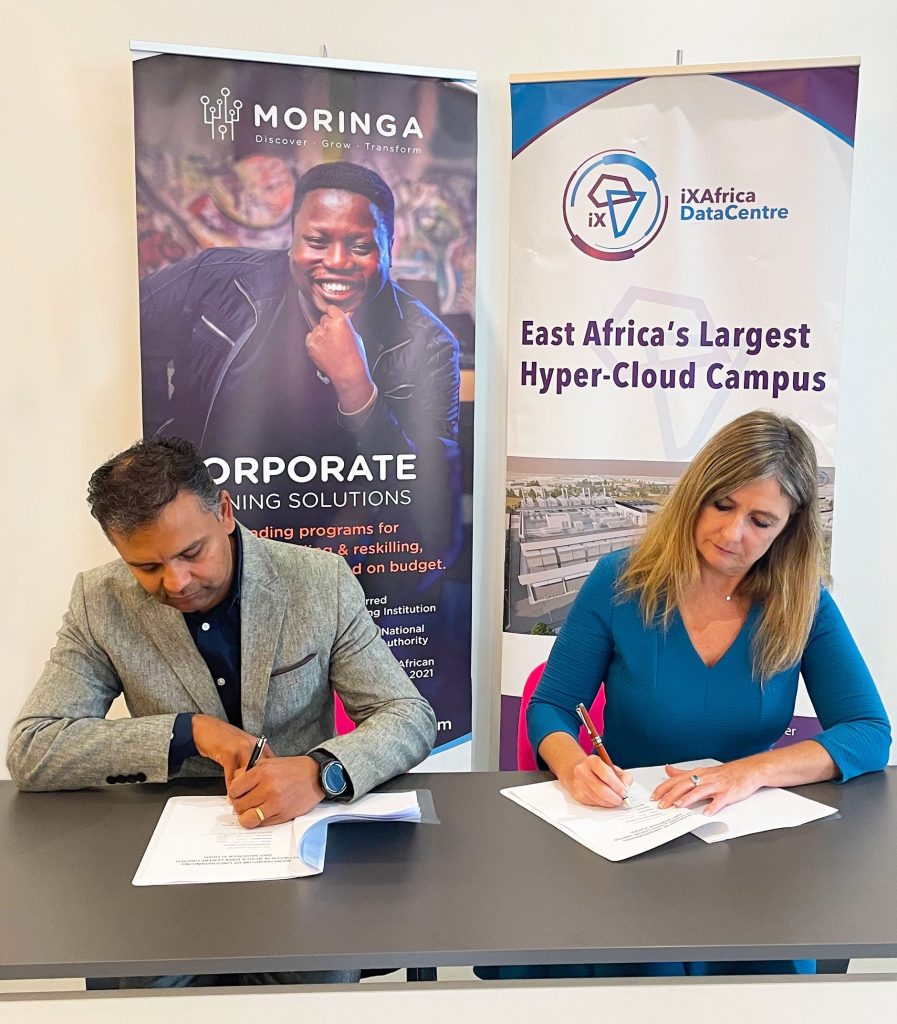
Moringa has worked with partners including the Mastercard Foundation and the I&M Foundation,who have provided scholarship support for students.
 Moringa works with partners including the Mastercard Foundation and the INM Foundation, which provide scholarship support for students.
Nikki argues that such initiatives demonstrate the importance of collaboration between training institutions, donors, employers and government.
Expanding access also requires a connection between training and employment. Skills development can prepare people for opportunities, but the benefits will be limited if there are insufficient entry-level jobs, internships and pathways into the workplace.
Government and private-sector employers can contribute through internships, recruitment and measures that support job creation.
For training institutions, the responsibility includes preparing learners for available opportunities and maintaining relationships with employers whose needs are changing.
 Continuous learning becomes a business necessity
The pace of technological change means that workforce development cannot end when an employee completes a course or a graduate secures a first job.
Skills that are valuable may need to be updated as technologies, business models and customer expectations evolve. Organisations that treat training as an occasional exercise risk allowing capability gaps to re-emerge.
For employees, this makes curiosity and continuous learning increasingly important.For employers,it requires creating opportunities for workers to develop new skills throughout their careers.
 Nikki believes the ability to keep learning will be among the most important qualities for professionals navigating the future of work.
“Get curious about AI, become AI-literate and keep learning,” she advises.
Her message extends beyond people working directly in technology.As AI becomes integrated into more business functions, professionals across sectors will need to understand its capabilities, recognise its limitations and determine how it can support their work.
 For Kenyan businesses, the immediate priority is to connect technology investment with workforce readiness.This means identifying the skills needed to achieve business objectives,choosing training that reflects real operational demands and measuring whether employees can translate new knowledge into results.
The institutions that prepare talent and the companies that employ it have complementary responsibilities.Training providers must remain connected to the needs of industry, while employers must create opportunities for people to apply their skills and continue developing them.
 AI may be changing the tools available to businesses, but its commercial value will still depend heavily on the people using them.
Views: 11