
 Paul Arithi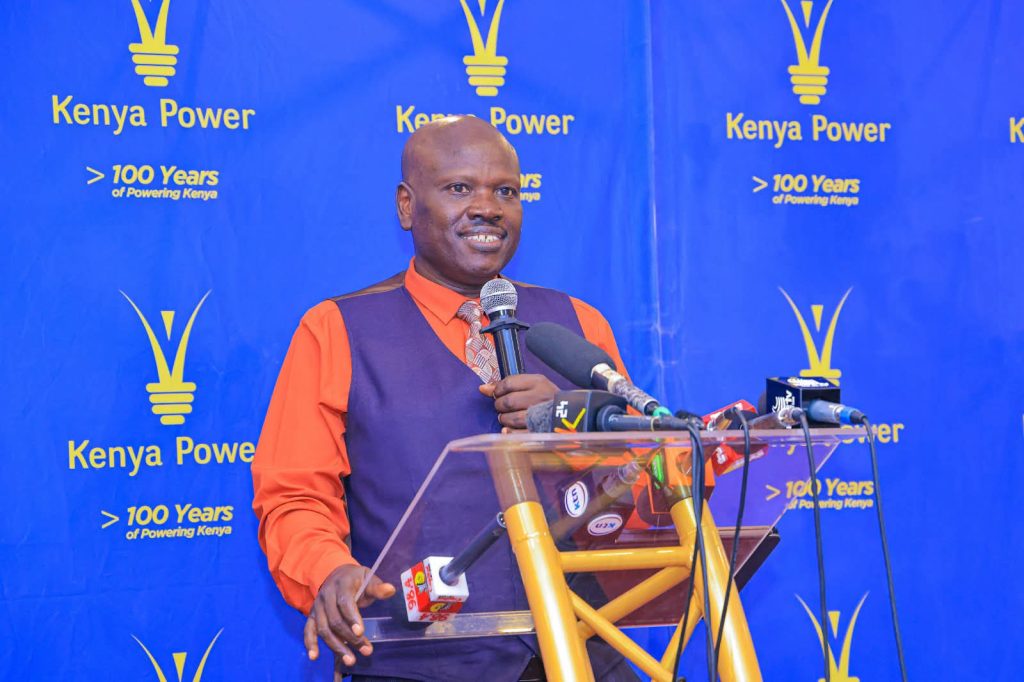
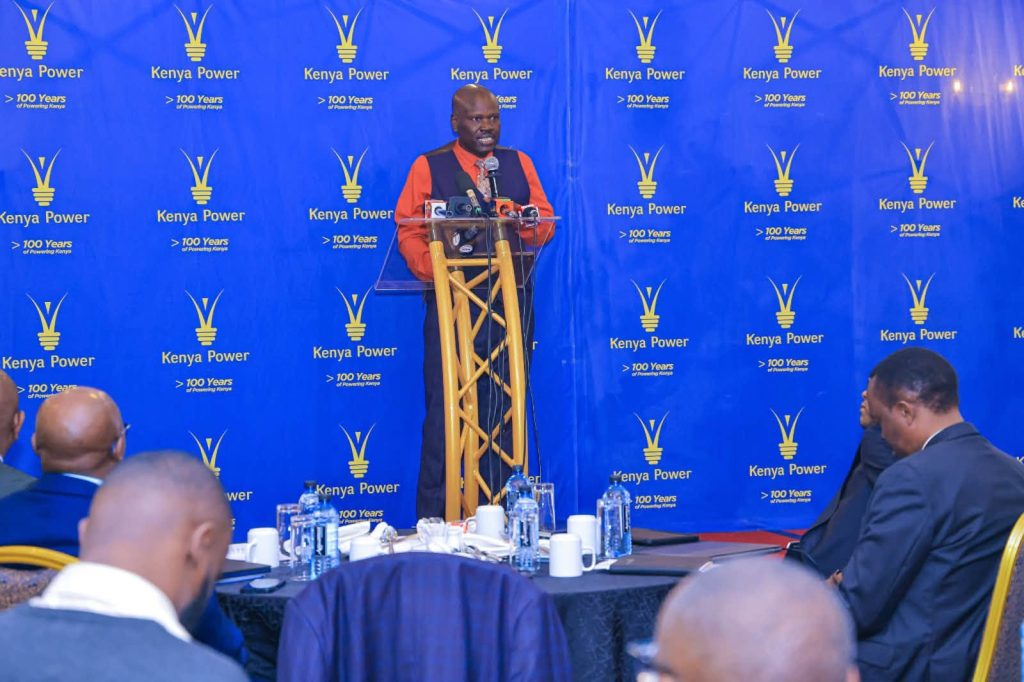
Kenya Power’s Managing Director & CEO, Dr. (Eng.) Joseph Siror
- Variable Renewable Energy(VREs) Sources Quantum to be Moderated to Ensure Grid Stability
KPLC has urged for the need to have a careful balance in onboarding Variable Renewable Energy (VRE) generation sources to mitigate their impact on the grid.
 The intermittency of VREs (wind and solar) affects the reliability and quality of power supply due to their impact on frequency and voltage of the power supplied.
Currently,VREs account for 34% of the total energy mix during the day peak demand of 1900MW, and 36% during low load demand of 1200MW.
This exposes the national grid to system vulnerability when wind and solar suddenly dip or rise in production, forcing the grid to take on other generation sources to cushion the intermittency of generation.
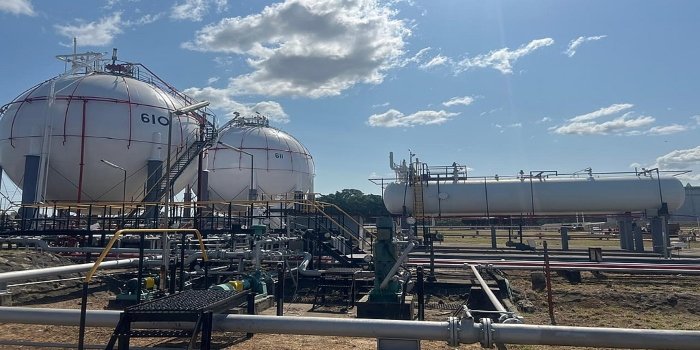 The Company urges for the prioritization of grid stability and consideration of all additional costs required to supplement variable sources while onboarding power generation, to mitigate against power outages and safeguard the quality and cost of electricity paid by consumers.
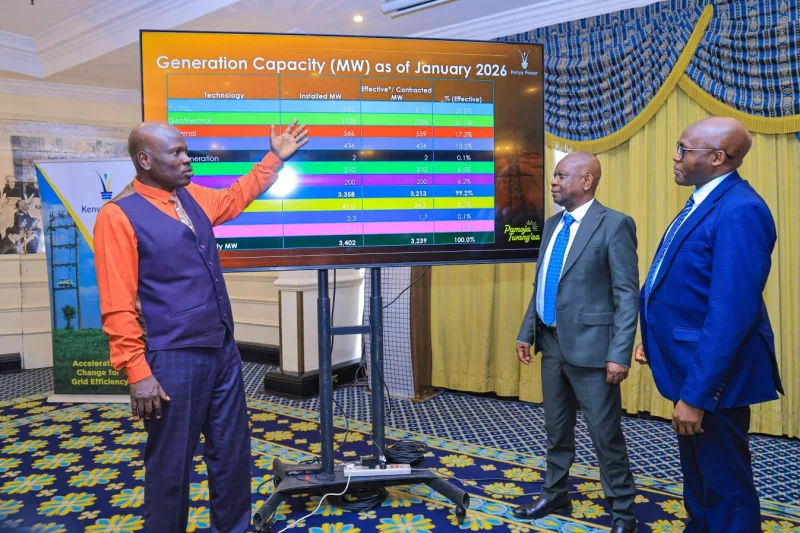 “Global benchmarks point to a limit of 15% of the grid’s total firm capacity limit for VRE. Our current system under the take or pay model of power purchase has led to an increase in VREs to over 20% against a recommended average of 15%.
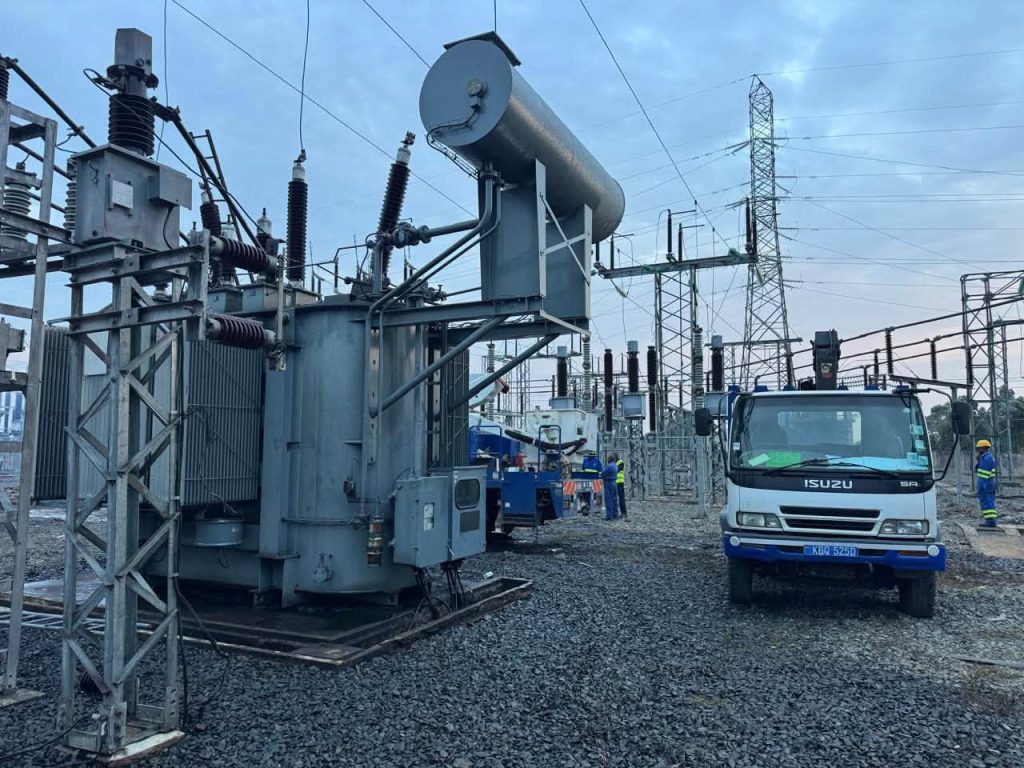 Given the intermittent nature of wind and solar, we have no option but to dispatch and pay for generators, increasing the overall cost of power,” said Kenya Power’s Managing Director & CEO, Dr. (Eng.) Joseph Siror.
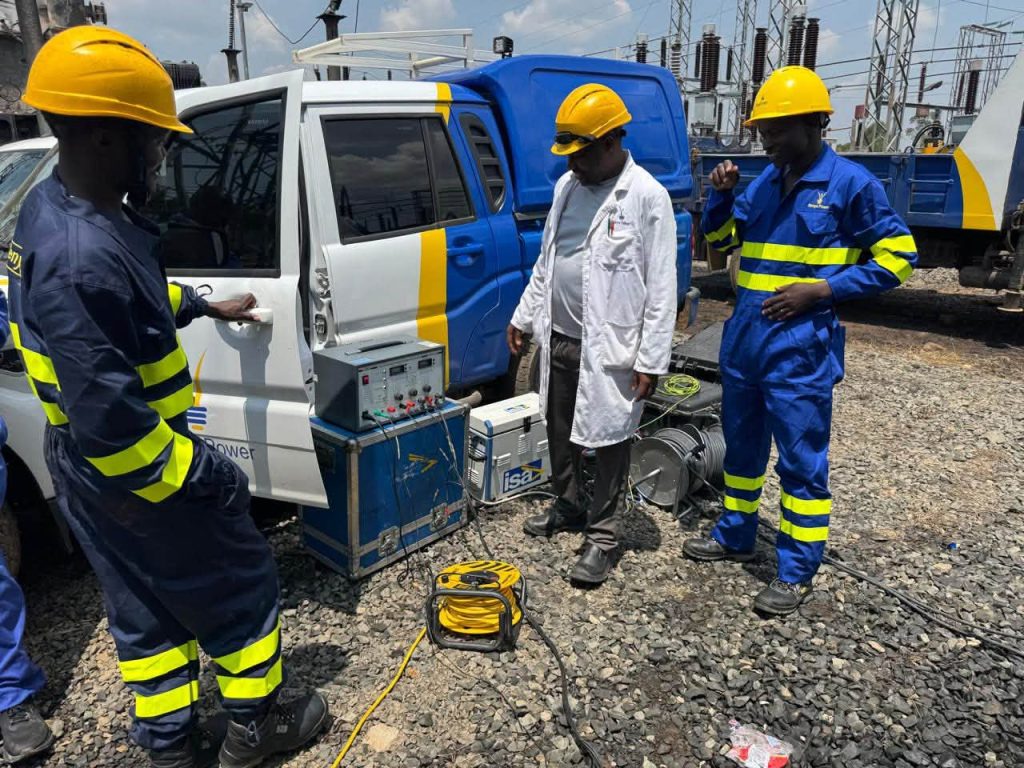 Presently,
“For VREs,the recommendation is to have battery storage systems.However, they would still face a challenge in charging the batteries when the wind and solar dip.
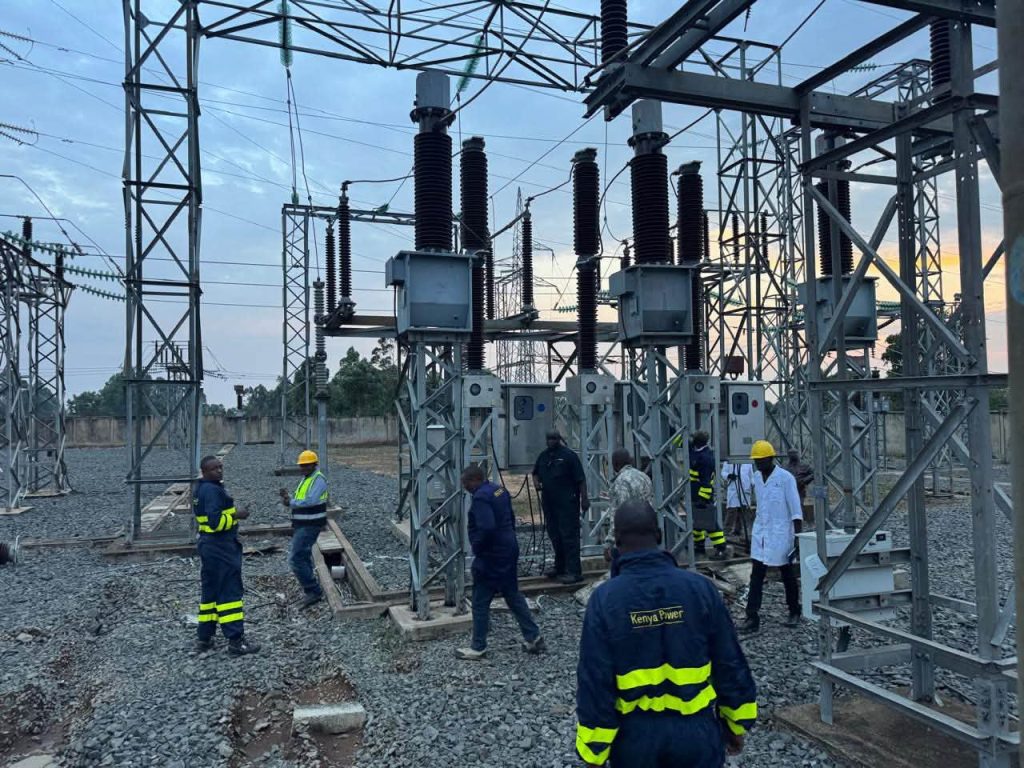
The true cost of VREs is its own cost and the additional power that we pay for to stabilise the grid.
Therefore, investments in geothermal and hydro offer greater grid stability and ensure the grid can recover and remain productive when intermittent sources are unavailable,” said Dr.(Eng.) Siror.
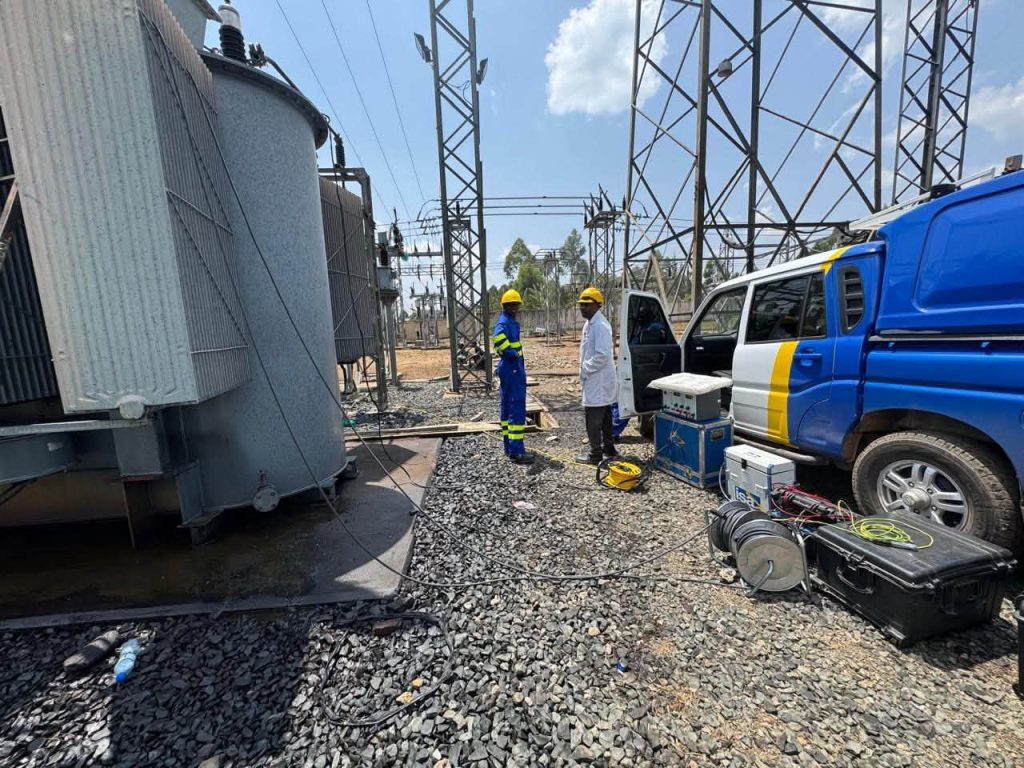 Compared to other countries,Kenya has the highest dependence on VREs in the region.Within the Eastern Africa Power Pool for example,Egypt’s VRE quantum stands at 10.4%,Ethiopia 5.3%,Uganda 4% and Tanzania 1.2%. Kenya’s current baseload power is made up of geothermal, hydro, power imports, and thermal, which currently account for 80% of the grid’s energy mix.
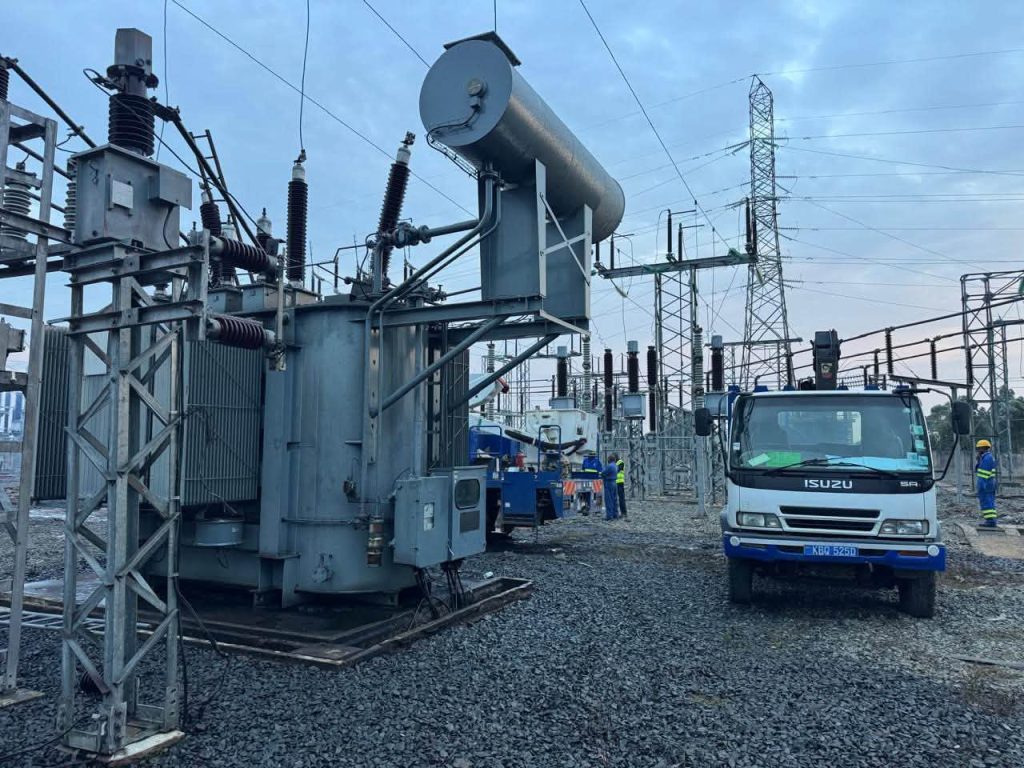 The Company has advised for an increase in baseload generation which is more stable and less susceptible to dips in production.
The new baseload sources set to be introduced to the grid include KenGen – Olkaria 1- 61 MW, Kengen Olkaria 7- 80MW,Globeleq Menengai 35 MW,Orpower 22 Menengai 35 MW, EEP–Ethiopia (Ethiopia imports) 200 MW,Paka Silali (GDC – fully drilled) – 100MW and Nabuyole –28 MW.
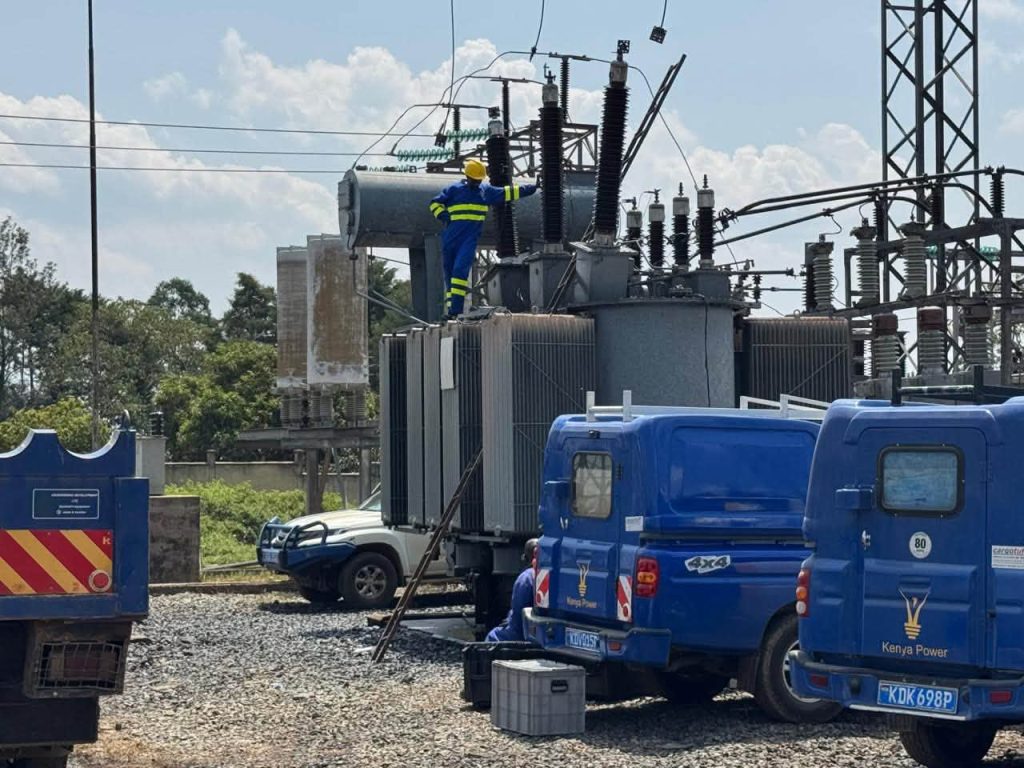
Additionally, plans to raise the Masinga Dam level by 1.5 metres is set to increase energy generation output by 83GWh per year.Other baseload generation projects in the pipeline include the planned LNG Power Plant (proposed to commence at 300MW),the High Grand falls 700MW and Karura Falls 90 MW.
Views: 8