

 Business Desk

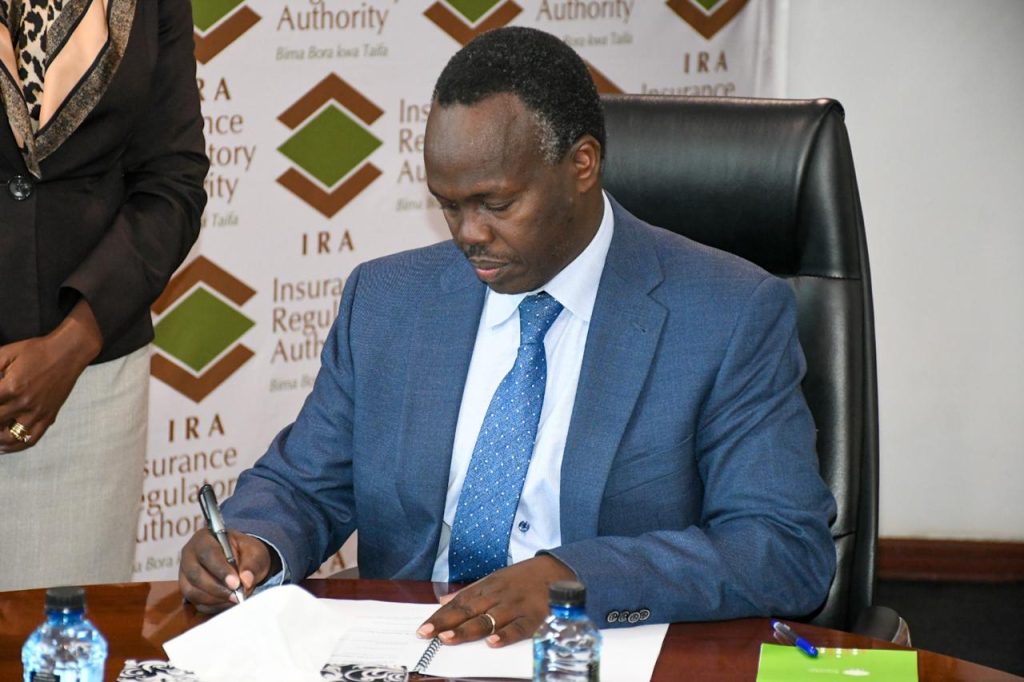
Godfrey K. Kiptum, Commissioner of Insurance & CEO, Insurance Regulatory Authority -Kenya
- General Insurance:The Cost of Rebuilding What You Have Already Built
A fire breaks out in a shop overnight.When the owner arrives the following morning,shelves are damaged,stock is destroyed and the equipment needed to serve customers is unusable.
 Even if the business has loyal customers and a steady stream of orders, it cannot resume trading without money to repair the premises, replace goods and restore operations.
For many small businesses, this is where the real cost of an unexpected loss begins. The damage itself may be visible, but the money required to recover can be harder to estimate.
Rent and wages may continue falling due, suppliers may demand payment, and customers may take their business elsewhere while the owner struggles to reopen.
Its value is not simply the payment made after an incident.It is the opportunity to protect savings, working capital and assets that may have taken years to acquire.
The challenge is choosing cover that reflects the risks a person or business actually faces.

For a shop, workshop, restaurant, salon or small manufacturing enterprise, buildings and equipment are only part of the financial picture. Stock, furniture, computers and machinery may also represent a substantial share of the owner’s investment.
Fire insurance can protect insured property against covered events, while burglary insurance addresses losses or damage arising from forcible or violent entry,subject to the policy conditions.
These covers serve different purposes, and neither should automatically be assumed to protect every item or every type of loss.
For a business owner comparing policies, the important question is how the wording applies to the premises, stock and equipment that need protection.
A policy should be reviewed against the actual value of the assets insured. Underestimating the value of stock or equipment can leave a business inadequately protected, while failing to disclose how premises are used may create problems when a claim is assessed.
Owners should also establish whether goods kept away from the main premises are covered and which security measures the insurer requires.
Households face a similar decision. Furniture, appliances, electronics and personal belongings can cost a considerable amount to replace. A domestic package may offer protection for a private dwelling, household goods and personal possessions, depending on the selected cover.
Homeowners and tenants should check precisely which property is insured rather than assume that a policy covering a building automatically protects everything inside it.
 Vehicles and equipment need specific attention
A vehicle can be both an asset and a source of income.For a delivery business, taxi operator, contractor or trader who transports goods, an accident may affect more than the cost of repairing the vehicle.
It can disrupt deliveries, delay customer orders and reduce daily earnings.
The nature of vehicle use matters when selecting insurance.A private car policy should not be assumed to cover a vehicle used commercially.
Business owners should disclose the vehicle’s actual purpose and confirm the scope of cover before purchasing a policy.
Businesses that depend on computers and electronic equipment also need to consider the cost of replacing damaged assets. A computer equipment policy can address specified sudden and unforeseen physical damage, while an all-risk policy may cover physical loss or damage to listed property from causes not excluded under the contract.
The phrase “all-risk” does not mean every possible loss is automatically covered, making the exclusions particularly important.
 Accidents can affect people as well as property
Insurance planning should not end with buildings, vehicles and equipment. An accident involving an owner or employee can bring medical expenses, lost income and additional pressure on a household or enterprise.
Personal accident insurance may provide benefits for covered events such as accidental death, disability, medical expenses or temporary loss of income, according to the policy terms.
For a self-employed person whose earnings depend on being physically able to work, this type of protection deserves consideration alongside asset insurance.
Crop cover may address specified perils such as drought, excessive rainfall, hailstones, fire and disease. Farmers should establish which crops, production stages, locations and causes of loss qualify, since protection depends on the policy’s terms and conditions.
Price matters, but so does the protection purchased
Insurance premiums compete with wages, rent, stock purchases and other operating costs, especially for small businesses. Equity offers insurance premium financing, which may help eligible customers manage premium payments.
 Financing does not make insurance free, however, and borrowers should consider repayment obligations alongside the total cost of cover.
A useful starting point is to identify the assets that would be hardest to replace, the incidents most likely to disrupt income and the amount of loss the owner could absorb without borrowing or exhausting savings. The next step is to compare policy limits, exclusions, excesses, valuation requirements and the claims process.
The insurance market offers different options, and Equity is one provider through which individuals and businesses can explore them.
 The final choice should rest on the quality and suitability of the cover, not simply the provider’s name or the lowest quoted premium.
The most useful policy is one that responds to the risks the insured genuinely faces and provides protection at a level that reflects the value of what has been built.
Explore the available options through Equity Bank Kenya’s insurance page and its SME and small business insurance page. Policy terms, limits, exclusions and eligibility should be confirmed before purchase.
Views: 2