
 BQ Correspondent
- African wild dogs defy borders through extraordinary journeys;
- By Edith Mutisya;

The study documents 19 groups of wild dogs dispersing across thousands of kilometers of human-dominated landscapes in Zambia and moving into, or close to, five neighboring countries.
Among them were three brothers that travelled 4,126 kilometres over eight months – the longest recorded dispersal by any African mammal.
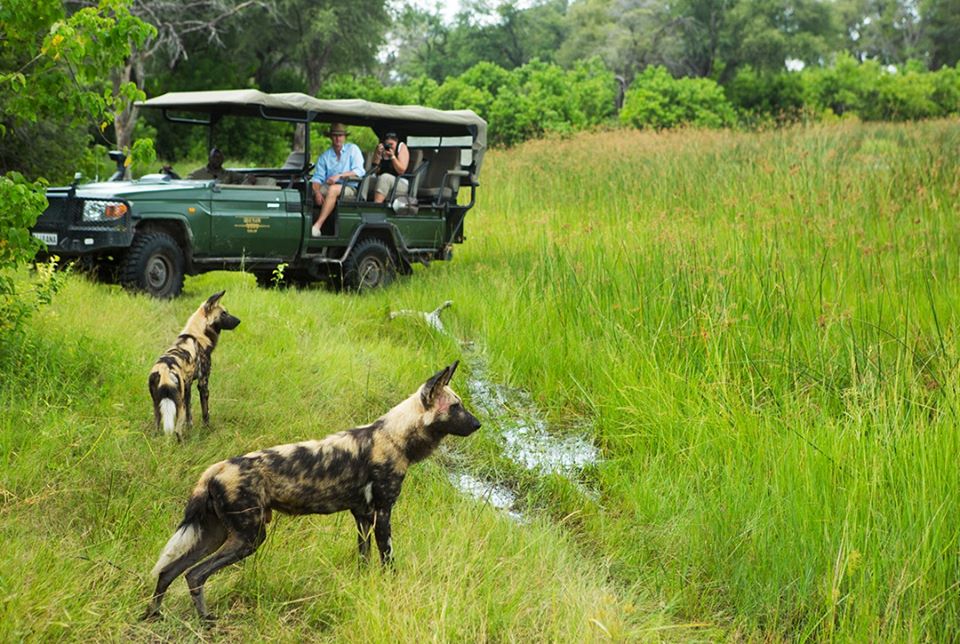 Dispersals refers to one-way, one-off movements by young animals seeking mates or new territory, distinct from migrations in where animals move seasonally across landscapes.
“I have studied wild dogs since 1991 and would not have imagined that in 2026 we would conclude that most of the critical wild dog populations in Eastern and Southern Africa probably remain connected,” said professor Scott Creel of Montana State University,the paper’s lead author.
 “Despite their invariably small population sizes and the high risk of mortality in human-dominated landscapes, wild dogs’ enduring capacity to move long distances through unfavorable landscapes provides an extraordinary opportunity to conserve a functional meta-population of an endangered large carnivore at the continental scale.”
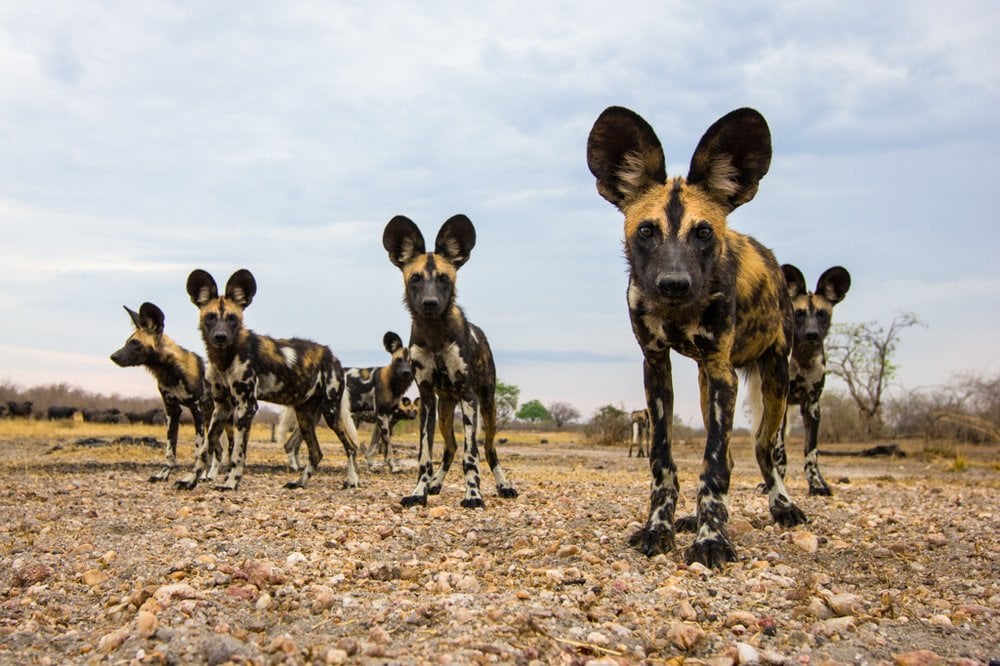
The four groups comprising 14 dogs that travelled the furthest covered almost 10,000 kilometers – a distance comparable to travelling across the US on Interstate 90 from Seattle to Boston and back.
The dogs dispersed as far or farther in a single journey than animals that move back and forth during Africa’s famous mammal migrations, including wildebeest and zebra in the Serengeti, and white-tailed kob and tiang in South Sudan and Ethiopia.
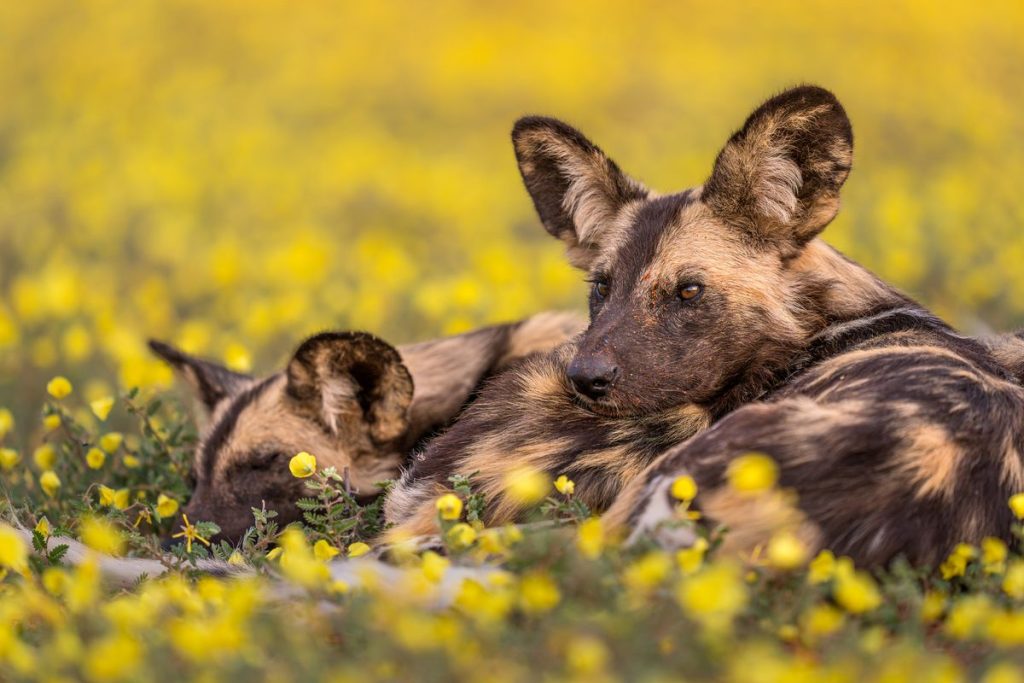 Wild dogs are among Africa’s widest-ranging carnivores and are widely regarded as indicators of landscape connectivity. The study’s implications therefore extend beyond the species itself.
The findings provide some of the clearest evidence yet that ecological connections between major wildlife landscapes in eastern and southern Africa still exist and can support the natural movements needed to maintain healthy populations of many wildlife species,including large carnivores.
As in much of Africa,Zambia’s human population is growing, increasing by approximately 50 percent since 2010. Farms, mines, roads, settlements, and degraded communal land are placing increasing pressure on wildlife habitat.
The Zambian government has taken a range of measures to conserve remaining habitats, with almost 40 percent of the country already under some form of nature conservation designation.

“These extraordinary journeys show that natural connections between Africa’s wildlife strongholds still exist and that maintaining continent-wide connectivity for endangered African wild dogs remains a realistic conservation goal,” said Dr Matt Becker CEO of the Zambian Carnivore Programme.

They are among the continent’s widest-ranging carnivores, living in highly social packs and depending on movement between populations for their long-term survival.

They are among the continent’s most wide-ranging carnivores, living in highly social packs and depending on movement between populations for their long-term survival.
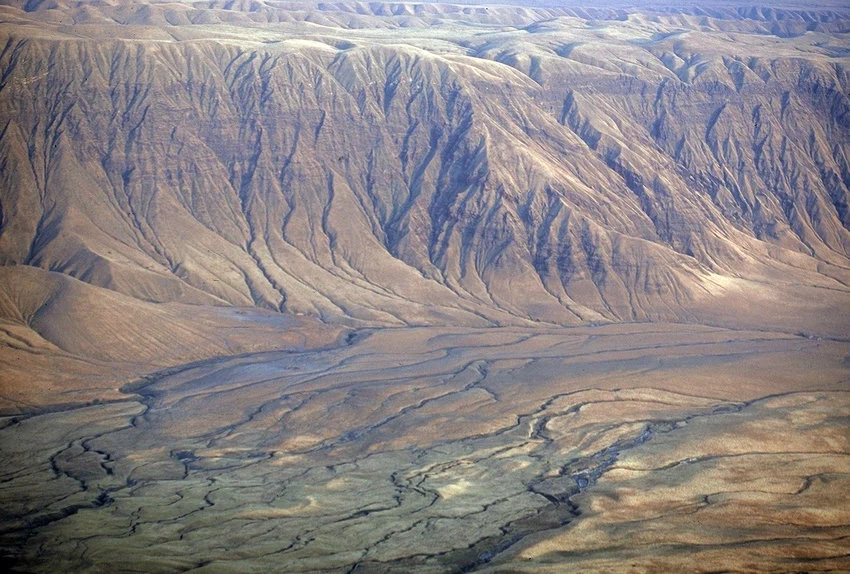
The greatest threats they face include habitat fragmentation,declining numbers of natural prey,bushmeat snares, disease, and run-ins with people.
The study’s findings reinforce conservation approaches that prioritize protecting community lands surrounding national parks and wildlife corridors connecting them, rather than treating national parks as isolated islands.

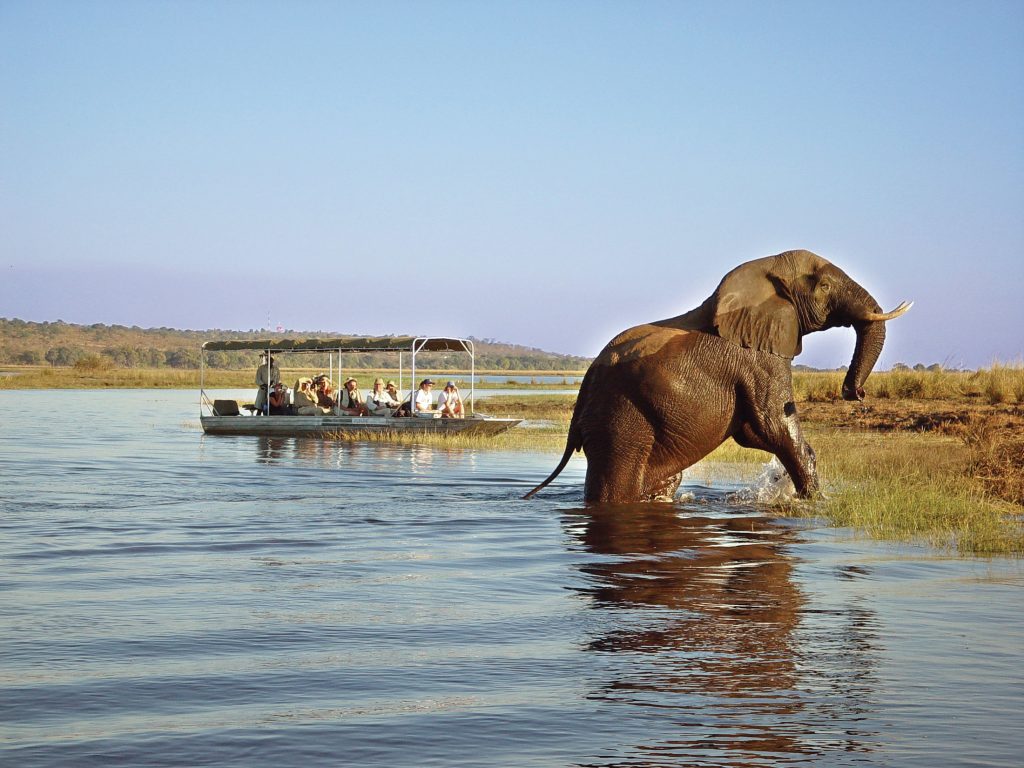 “But half of the land in the Game Management Areas that act as buffer zones around Kafue National Park have already been converted to agriculture, for example.
If that continues unchecked,the opportunity for connectivity between ecosystems would be lost within a decade.”
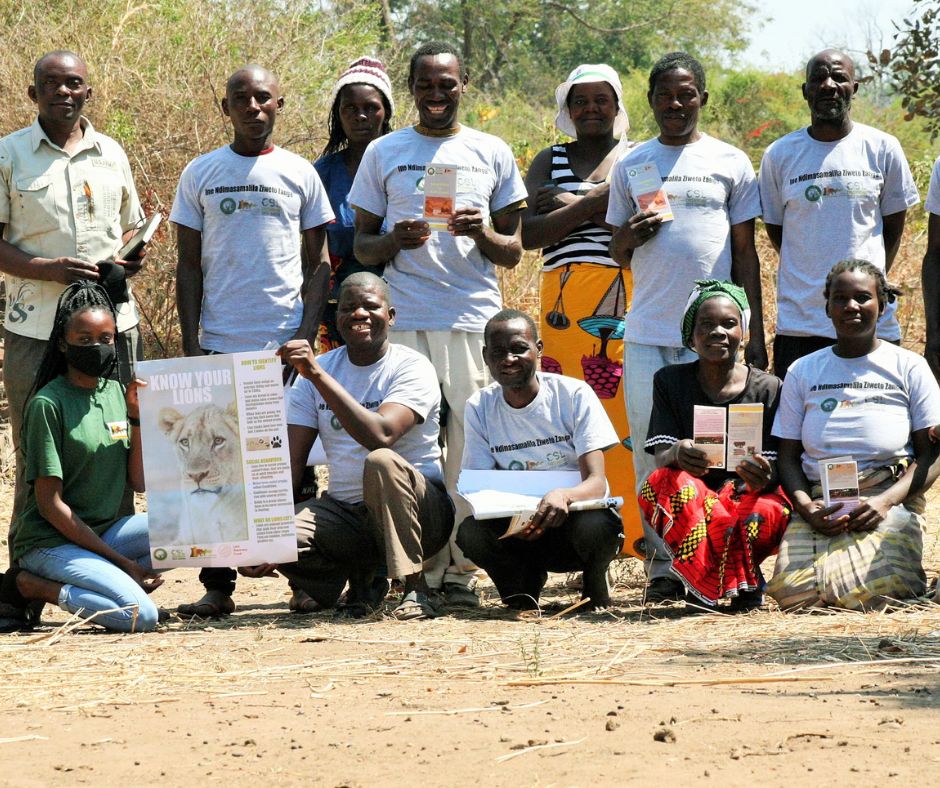
Some have moved into Mozambique and Malawi, and close to Zimbabwe, Angola and the Democratic Republic of the Congo.
Views: 5