
 Aiden k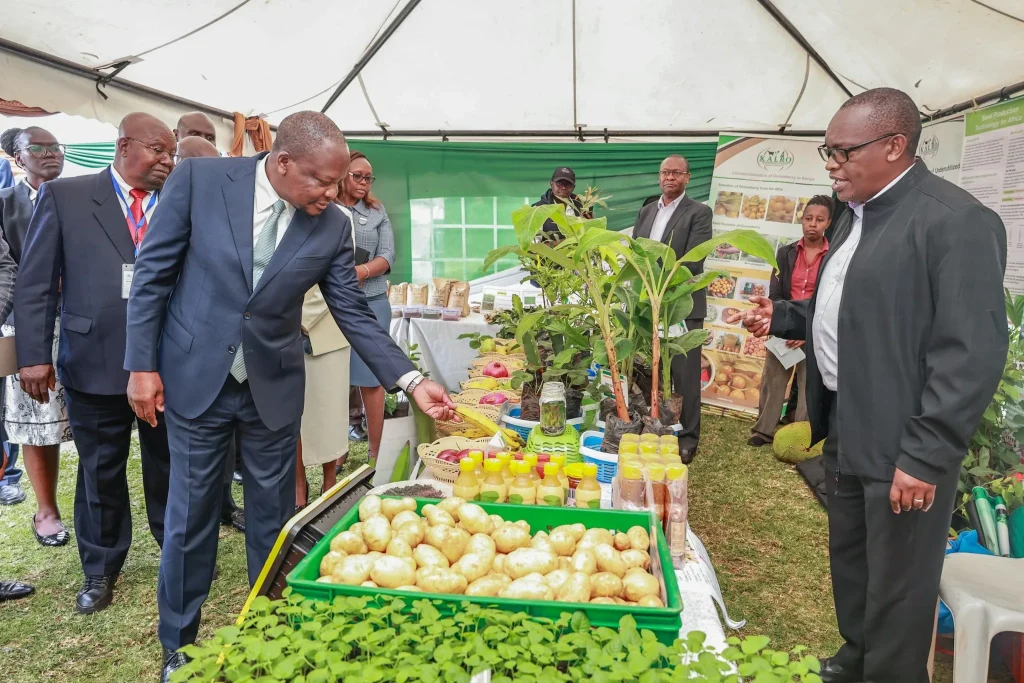
- CS Kagwe Unveils Digital Farming Push as 8.9Million Farmers Registered as he warns Acidic Soils Undermine Productivity;
 Speaking during the Nairobi International Trade Fair on Wednesday, September 30, 2026,CS Kagwe announced that 8.9 million farmers are now registered under the Kenya Integrated Agricultural Management Information System, KIAMIS.
He said the registration provides a foundation for targeted delivery of subsidised fertiliser,certified seeds, sexed semen, vaccination and animal identification services, helping the Government reach farmers more efficiently and account for its support.
 CS Kagwe warned that declining soil health remains a major obstacle to productivity, noting that 63 per cent of Kenya’s soils are acidic.
“Our business as the ministry, and government is the soil health, not the fertilizer. Good soil health, based on sound science and data, is what shall feed and sustain us,” he said.
He compared applying farm inputs without scientific soil assessment to taking medicine without a proper diagnosis, saying farmers must understand what their land needs to avoid unnecessary expenditure and improve yields.
The warning follows his launch of the national digital soil laboratories project on September 29, establishing a connected network of modern, fully equipped laboratories under the Kenya Agricultural and Livestock Research Organization(KARLO).
 The laboratories will work with national and county governments, farmers, private-sector players and last-mile soil doctors to expand soil testing at greater speed and scale.
“Collaboration, data sharing, research and practice powered by technology will redefine our agriculture,” CS Kagwe said.
He said the Government has launched the Kenya Agricultural and Digital Information Center, KADIC, to coordinate agricultural data and technology and make services more responsive to farmers’ needs.
Describing KADIC as the sector’s “single-source of truth”, CS Kagwe said the centre would help close gaps in farmer identification, advisory services, access to inputs and connections to markets.
 Through a partnership with Fahari Aviation, a subsidiary of Kenya Airways,the Ministry is bringing advanced drone technology into agriculture.
The drones will support precision application of inputs, crop and livestock monitoring, soil analysis and more efficient use of resources.They will also strengthen the detection of pests, diseases and climate-related risks.
“This is a game changer,” CS Kagwe said.
A separate partnership with MPost will introduce universal digital addressing to help identify, locate and reach farmers, improving last-mile delivery and access to extension services,finance,insurance,inputs and markets.
“It means extension services can reach the right person at the right time. It means farmers can be properly identified and connected to finance, insurance, and markets,” he said.

CS Kagwe said these partnerships would also build national capacity in artificial intelligence and homegrown large language models, with clear frameworks for oversight and data protection.
He stressed that the priority was now implementation, with success measured by timely services, improved productivity and higher farmer incomes.
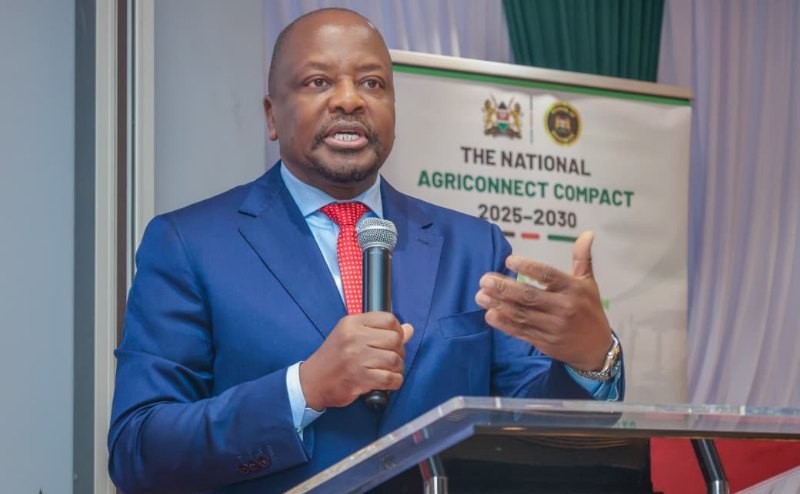 “What matters now is execution,” he said.
Addressing the trade fair’s theme, “Promoting Climate-Smart Agriculture and Trade Initiatives for Sustainable Economic Growth,” CS Kagwe said agriculture grew by 3.1 per cent in 2025 but remained under pressure from climate variability, rising production costs and changing market demands.
He identified climate change as the most immediate threat to production, citing estimates that droughts and floods create long-term economic liabilities equivalent to about 2–2.8 per cent of Kenya’s GDP annually.
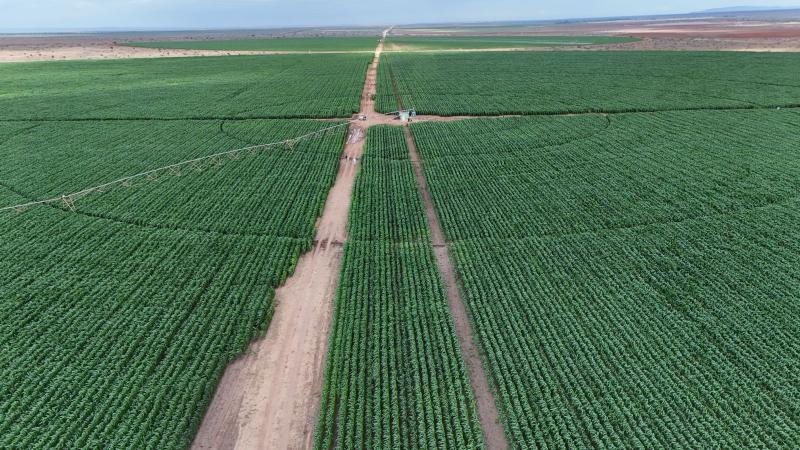
 The Government is accelerating irrigation investment through rehabilitation of existing schemes, new infrastructure and water-efficient technologies to reduce dependence on unreliable rainfall.
CS Kagwe highlighted investments by Nyumba Foundation and Selu Ltd at Galana Kulalu, alongside efforts to expand drought-tolerant crops, conservation agriculture, agroforestry and sustainable land management.
In livestock, he said investments in animal health, breeding, dairy productivity and market access were opening new opportunities for producers.
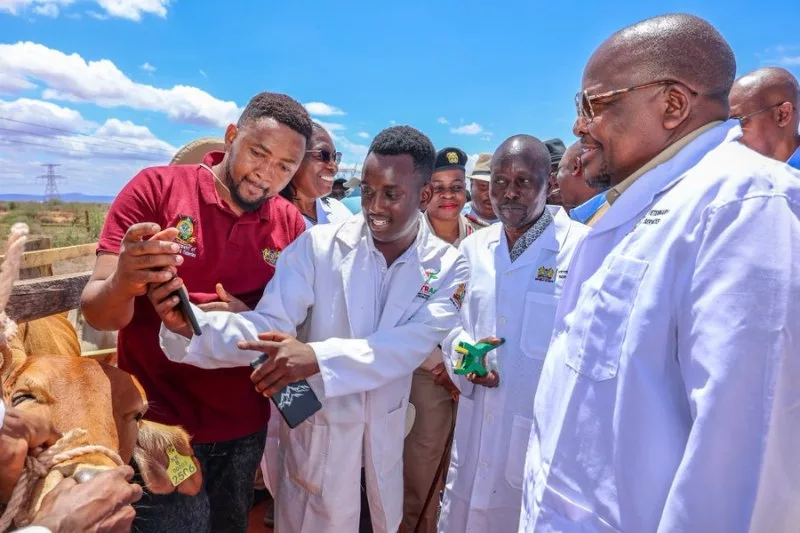
“Both these investments connect farmers to markets, create local jobs, contribute to value addition, and position our livestock sector for global markets,” he said.
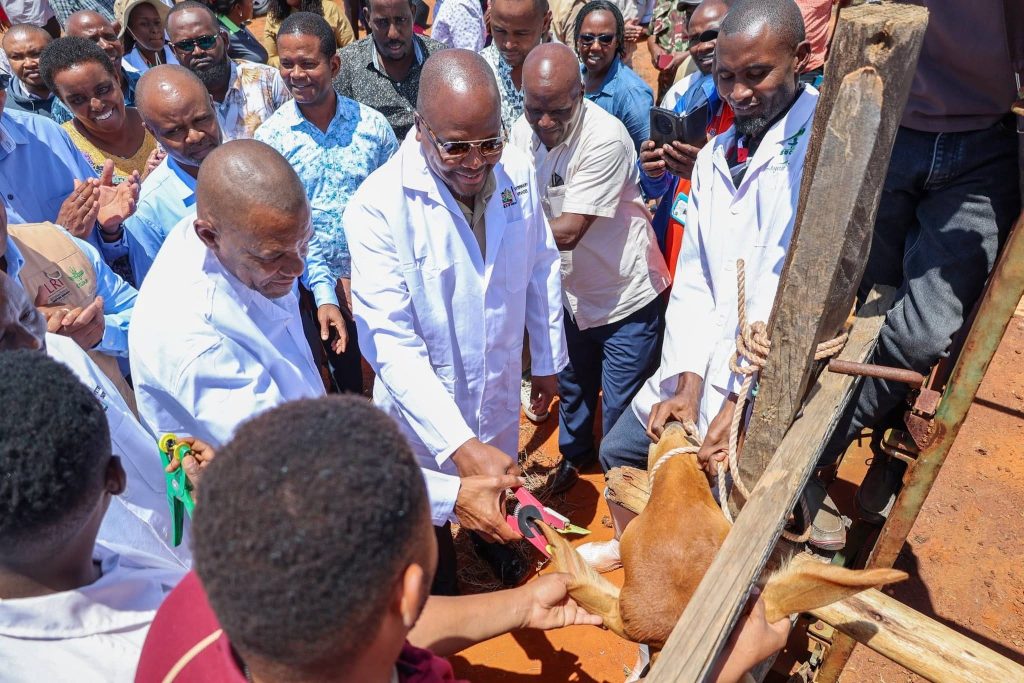
CS Kagwe also called for reliable access to affordable livestock feeds and expanded insurance programmes, noting that dry conditions had contributed to recent milk supply constraints.
He reported that the livestock subsector’s marketed production rose from KSh232.3 billion in 2024 to KSh269.4 billion in 2025.
On agricultural exports, he said tea earned approximately KSh187 billion in 2025, cut flowers KSh103 billion, fruits and vegetables KSh100 billion, and unroasted coffee KSh52 billion.
“Our approach is not simply about producing more, but about earning more from what we produce,” he said.
 The Government is promoting aggregation, processing, value addition and market development across coffee,tea,sugar, cotton,dairy and horticulture.
 He called for stronger cooperatives and farmer aggregation to address fragmented agricultural land, alongside investment in storage, cold-chain infrastructure and efficient market connections.
Young people and women, said,must be at the centre of the transformation, with opportunities extending beyond farming into processing echnology,finance,logistics and entrepreneurship.
 “As we transform agriculture, our measure of success will be how many young people find meaningful opportunities, how many women build viable enterprises, and how much value farmers retain,” he said.
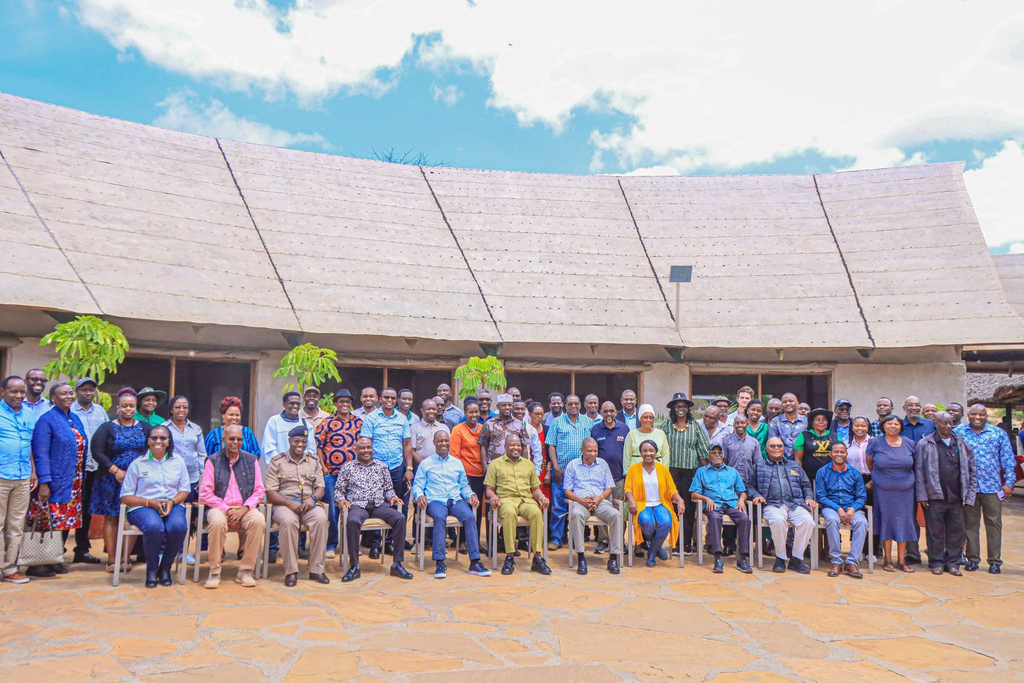
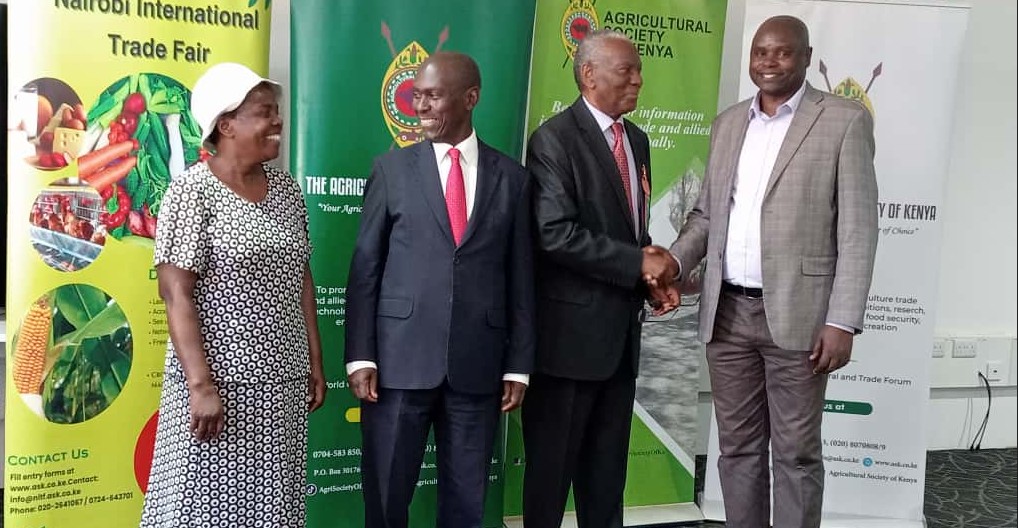 He urged exhibitors, farmers and investors to use the Nairobi event to build practical partnerships that translate agricultural innovation into jobs,better incomes and competitive products.

“Together, let us transform Kenyan agriculture from production to prosperity, from vulnerability to resilience, and from raw commodities to competitive value-added products,” he said.
Views: 7