

 Douglas Mwiti
- Knight Frank:Africa’s Prime Office Occupancy Surpasses 80% as ‘Flight to Quality’ Accelerates;
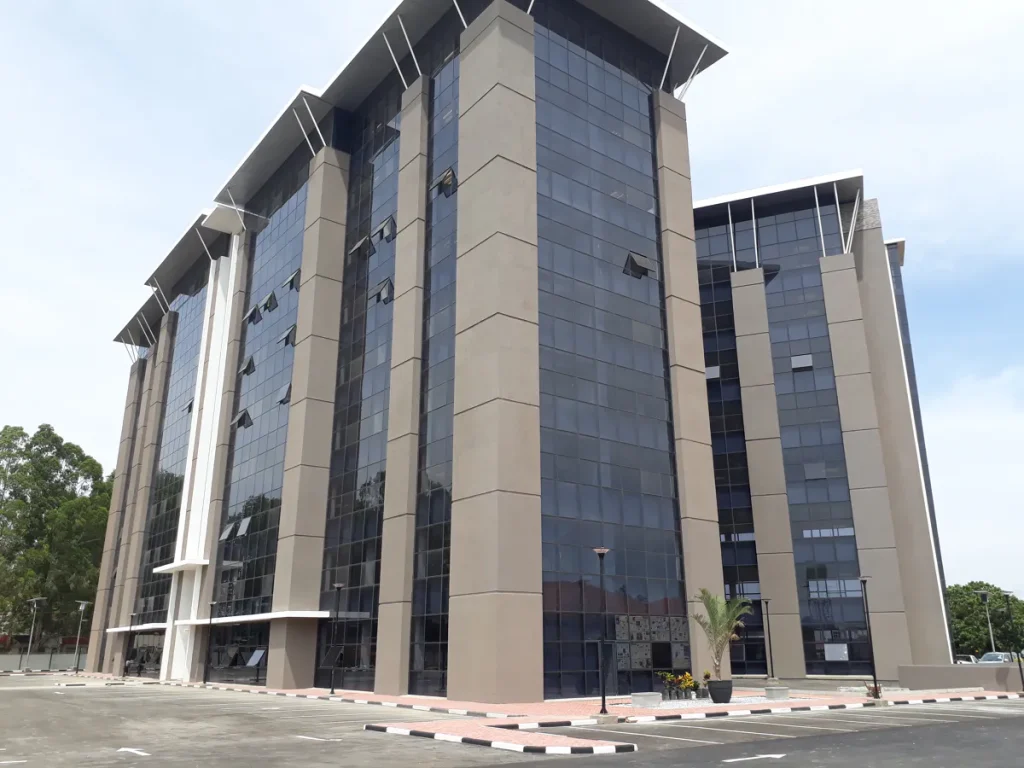 The report, which tracks prime office performance across selected African cities, finds that occupier demand is increasingly concentrating in high-quality,operationally resilient buildings, supporting stronger occupancy and rental resilience across leading markets.
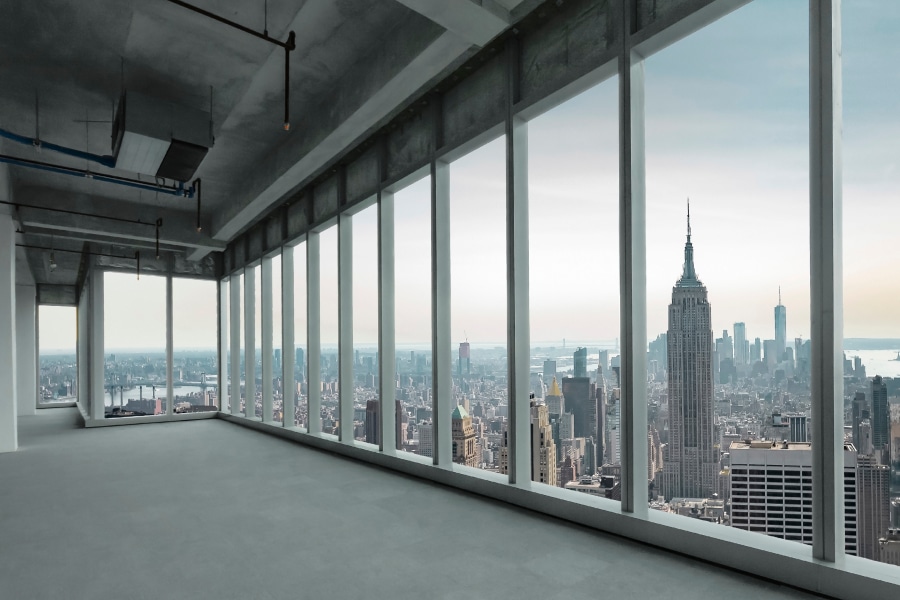 According to the report, Nairobi recorded one of the strongest improvements during the review period, with average Grade A office occupancy rising from 81.5% in December 2025 to 84.8% in June 2026.
While prime rents remained stable at approximately US$13 per sqm per month, supported by limited new Grade A supply and continued absorption of existing quality stock.
 Ben Woodhams,Partner,Africa Desk at Knight Frank explains, “While prime office rents remained broadly stable across most markets that we track,Grade A occupancy strengthened in several leading locations as tenants focused their demand on buildings offering better quality,higher sustainability credentials,reliable services and optimum operational efficiency.”

Prime rents remained stable at around US$17 per sqm per month, while older buildings increasingly rely on rent concessions and fit-out contributions to remain competitive.
While Dar es Salaam recorded approximately 80% Grade A occupancy,with prime rents holding at around US$15 per sqm per month and average yields of approximately 9%.
 In Lusaka,Grade A offices achieved rents of approximately US$16–18 per sqm per month, with prime occupancy averaging 70–80% depending on location, building quality and infrastructure.
Modern buildings in Kabulonga, Rhodes Park,Mass Media and parts of Longacres continue to outperform ageing CBD stock.
 “We are seeing a structural repricing of what occupiers consider valuable office space,” Boniface Abudho, Africa Research Analyst at Knight Franksaid, “Quality,reliability, flexibility and operational efficiency are increasingly determining leasing decisions, creating a clear divide between buildings that meet evolving occupier requirements and those that do not.”
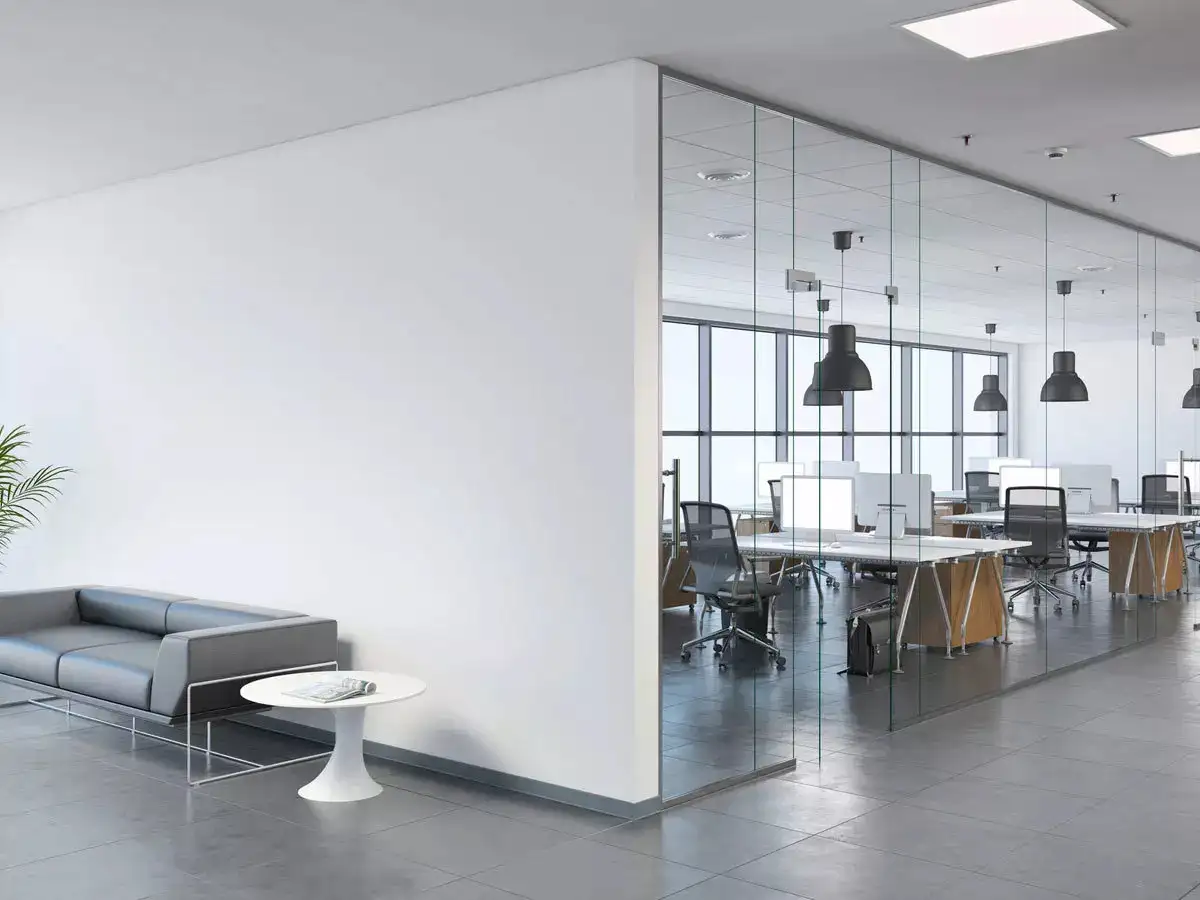
- In Egypt, the New Cairo and Sheikh Zayed office markets remain landlord-favorable, supported by constrained institutional-grade supply and demand from multinational occupiers.
The lease of approximately 16,000 sqm by IWG Spaces at The Ark Business Park illustrates the scale at which flexible workspace operators are now participating in the institutional office market.
- In Nairobi, IWG expanded its presence during the period through three new centres at Nairobi Business Park along Ngong Road, 1 Park Avenue in Parklands and I&M Tower in Nairobi’s CBD,reflecting sustained demand for agile workplace solutions.
- In Tanzania and Uganda, serviced offices are also gaining traction as occupiers seek shorter commitments, lower upfront costs and the ability to scale their footprints according to business requirements.
- In Lusaka, demand is concentrated around office suites of approximately 50–350 sqm, while demand for larger floors of 500–1,500 sqm remains limited.
- In Malawi, corporates are increasingly prioritising cost efficiency and smaller offices.The rationalisation of office footprints by NGOs and other organisations has contributed to softer demand for larger-format offices in Lilongwe, where vacancy rates are estimated at 15–25%.
For instance,in Cairo,parking availability has become an increasingly important consideration as traditional allocations of approximately one parking bay per 100 sqm prove inadequate in high-density business districts.
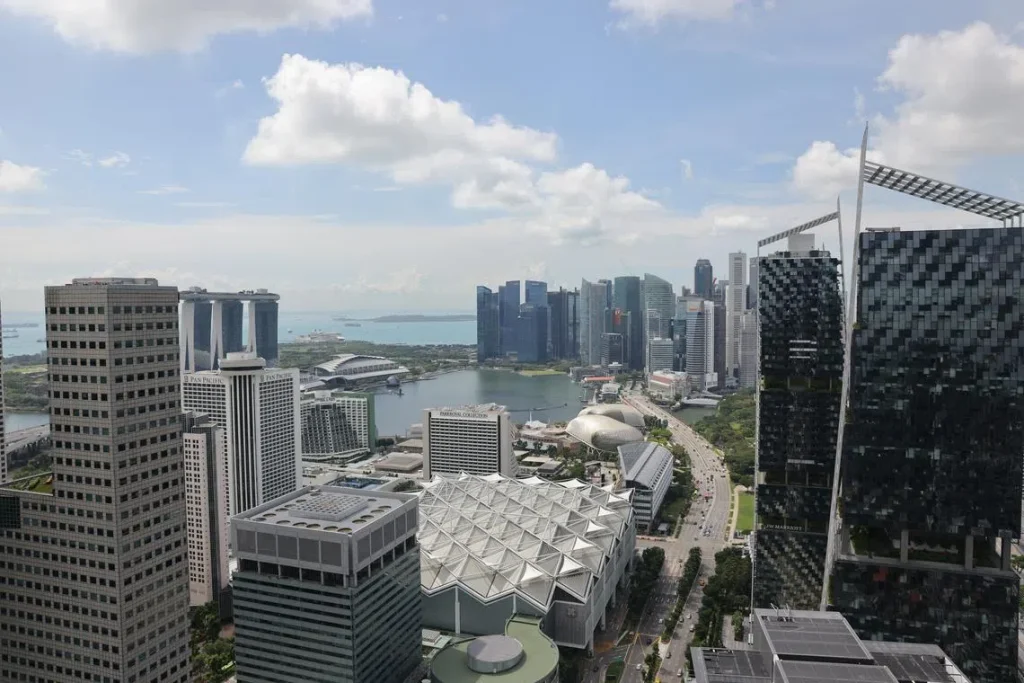
The report also highlights that, across several markets, occupiers are shifting from congested CBDs to mixed-use and suburban nodes that offer accessibility,parking, and integrated amenities.
 In Zimbabwe, businesses are increasingly moving towards lower-density locations that provide better accessibility, security,flexibility and workplace environments.
Views: 40




1 thought on “Knight Frank:Africa’s Prime Office Occupancy Surpasses 8pc”