 Business Quest
Miriam Ngolo,Group Strategic Projects Director,Bamburi Cement
The Real Cost of Growth:Why Great Projects Build More Than Infrastructure;
By Miriam Ngolo,BSc (Hons),MBA,MCMI
Africa is entering one of the most significant periods of industrial transformation in its history.Across the continent, governments and private sector investors are committing billions of dollars to infrastructure,manufacturing and logistics projects designed to unlock economic growth,strengthen regional trade and create employment.
 Yet while attention often focuses on the scale of these investments, far less is said about what ultimately determines whether these projects succeed.
The true cost of growth extends far beyond capital expenditure.It is measured by the quality of project governance, the discipline of execution, the confidence of stakeholders and the ability to deliver value that endures long after construction is complete.
 This conversation has never been more important.According to the African Development Bank(AfDB),Africa requires between US$130 billion and US$170 billion in infrastructure investment annually,yet continues to face a financing gap of up to US$108 billion every year.
Closing this gap will require more than mobilizing capital.It will demand that projects are delivered efficiently, responsibly and with long-term resilience in mind.
 Historically, project success was measured against three indicators: scope, schedule and budget. While these remain fundamental, today’s business environment demands a broader definition of success.
Industrial projects are now expected to strengthen local economies, create sustainable employment,protect the environment and earn the trust of the communities they operate within.
 This evolution reflects a growing recognition that project management is no longer simply an operational discipline, it is a strategic leadership capability.
Every major investment requires balancing commercial objectives with regulatory compliance, environmental stewardship, stakeholder expectations,supply chain resilience and long-term business sustainability.
The organizations that excel are those that embed these considerations into project planning from the outset rather than treating them as compliance obligations.
 One of the most overlooked drivers of project success is stakeholder trust.Large-scale developments inevitably affect communities, governments, suppliers and employees.
Where engagement is transparent and consistent, projects are more likely to maintain momentum, minimize delays and secure the social license needed for long-term success.
Conversely, inadequate stakeholder management often becomes one of the costliest project risks, resulting in disputes, delays and reputational damage that extend well beyond the construction phase.
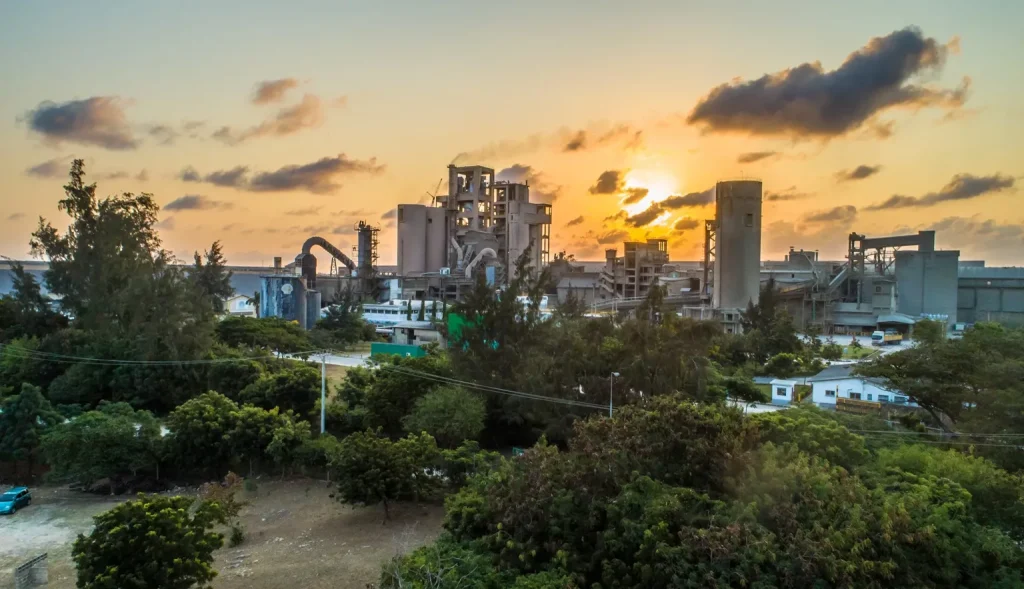 Environmental responsibility has become equally central to project leadership.The International Energy Agency estimates that cement production accounts for approximately 7–8 percent of global carbon dioxide emissions, underscoring the urgency for manufacturers to decarbonize their operations,use more renewable energy sources while continuing to meet growing infrastructure demand.
Across the industrial sector, investment decisions are increasingly being shaped by energy efficiency,alternative fuels, circular economy practices and resource optimization,not simply because regulations require them,but because long-term competitiveness depends on them.
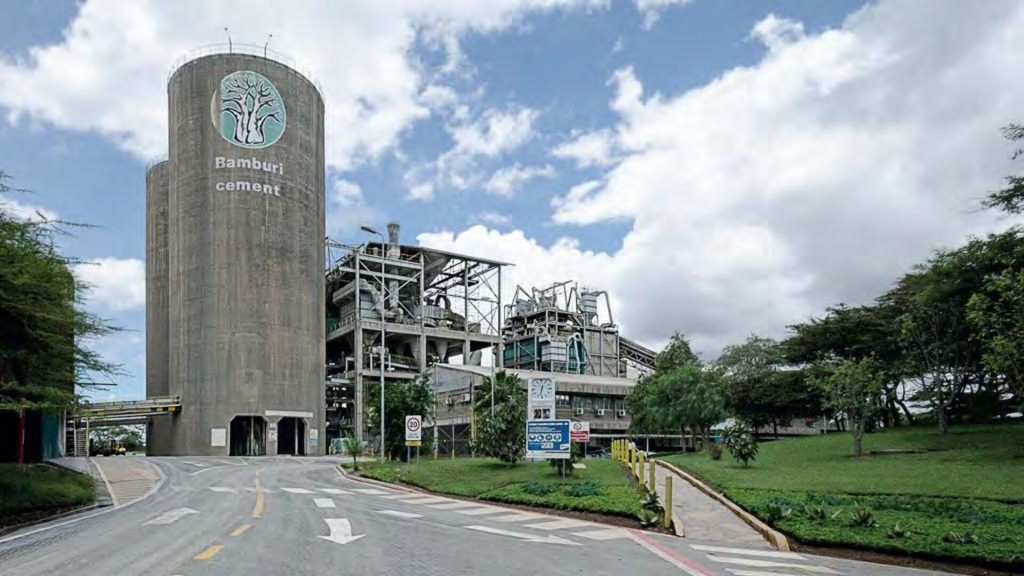
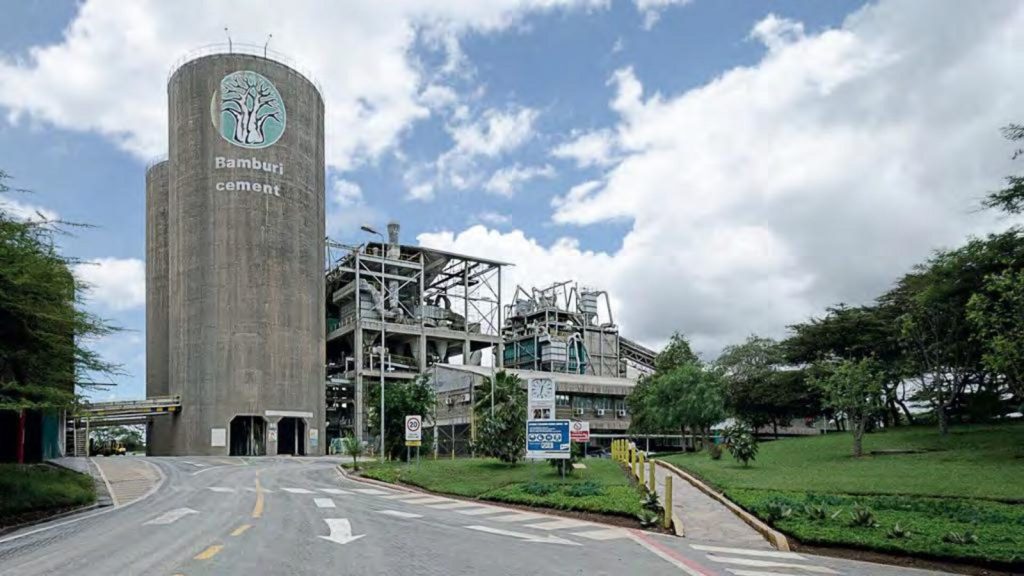
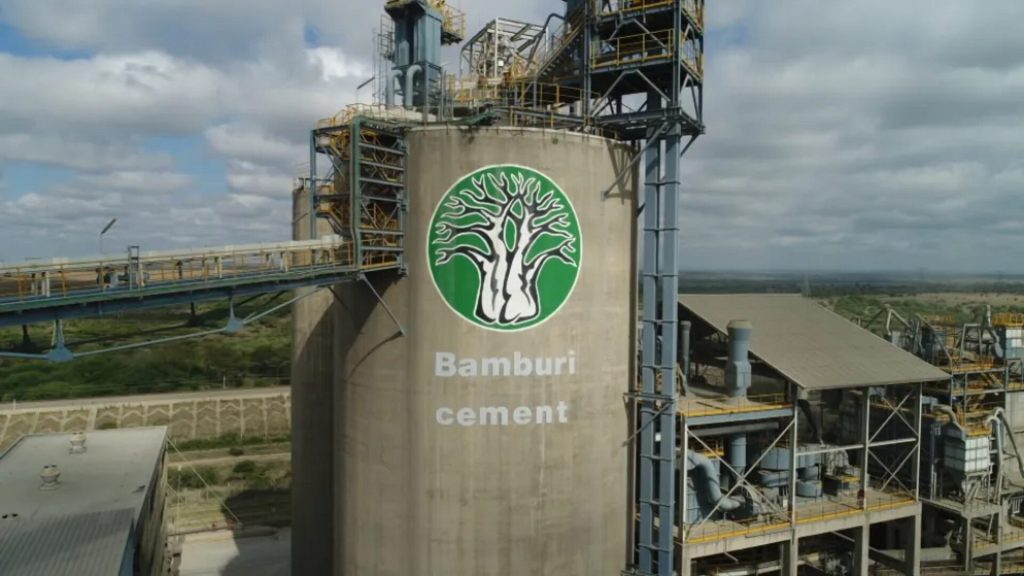
Beyond expanding local clinker production capacity and strengthening supply chain resilience,the project has prioritized structured stakeholder engagement,environmental innovation,renewable energy utilisation and collaborative implementation with government,communities and development partners.
 It was also recently rated ‘excellent’ by the International Finance Corporation (IFC) as best in class in project management,stakeholder management and community liaison.
Importantly, this demonstrates that infrastructure projects are no longer judged solely by what they build, but by how they build it.
Responsible resettlement planning, continuous community dialogue,transparent governance and environmental safeguards are becoming defining measures of project excellence.
 These elements may not attract the same attention as engineering milestones, yet they often determine whether an investment delivers lasting economic and social value.
This shift is particularly relevant as Kenya accelerates its industrialisation agenda and continues investing in manufacturing, transport and housing infrastructure.
Businesses will increasingly be called upon not only to invest boldly,but also to deliver projects that strengthen local supply chains,create inclusive economic opportunities and contribute meaningfully to national development priorities.
 For project leaders, this calls for a different mindset.Technical expertise remains essential,but so too are empathy, collaboration, adaptability and integrity.
Successful projects require leaders who can navigate complexity, build consensus among diverse stakeholders and make decisions that balance immediate commercial priorities with long-term societal impact.
Ultimately, the organisations that will define Africa’s next chapter of industrial growth will not necessarily be those that build the biggest factories or invest the largest sums.
 They will be those that consistently deliver projects that earn public confidence, create shared prosperity and leave behind stronger institutions,more resilient communities and a healthier environment.
The Writer is the Group Strategic Projects Director,Bamburi Cement
Views: 19