kwabe vic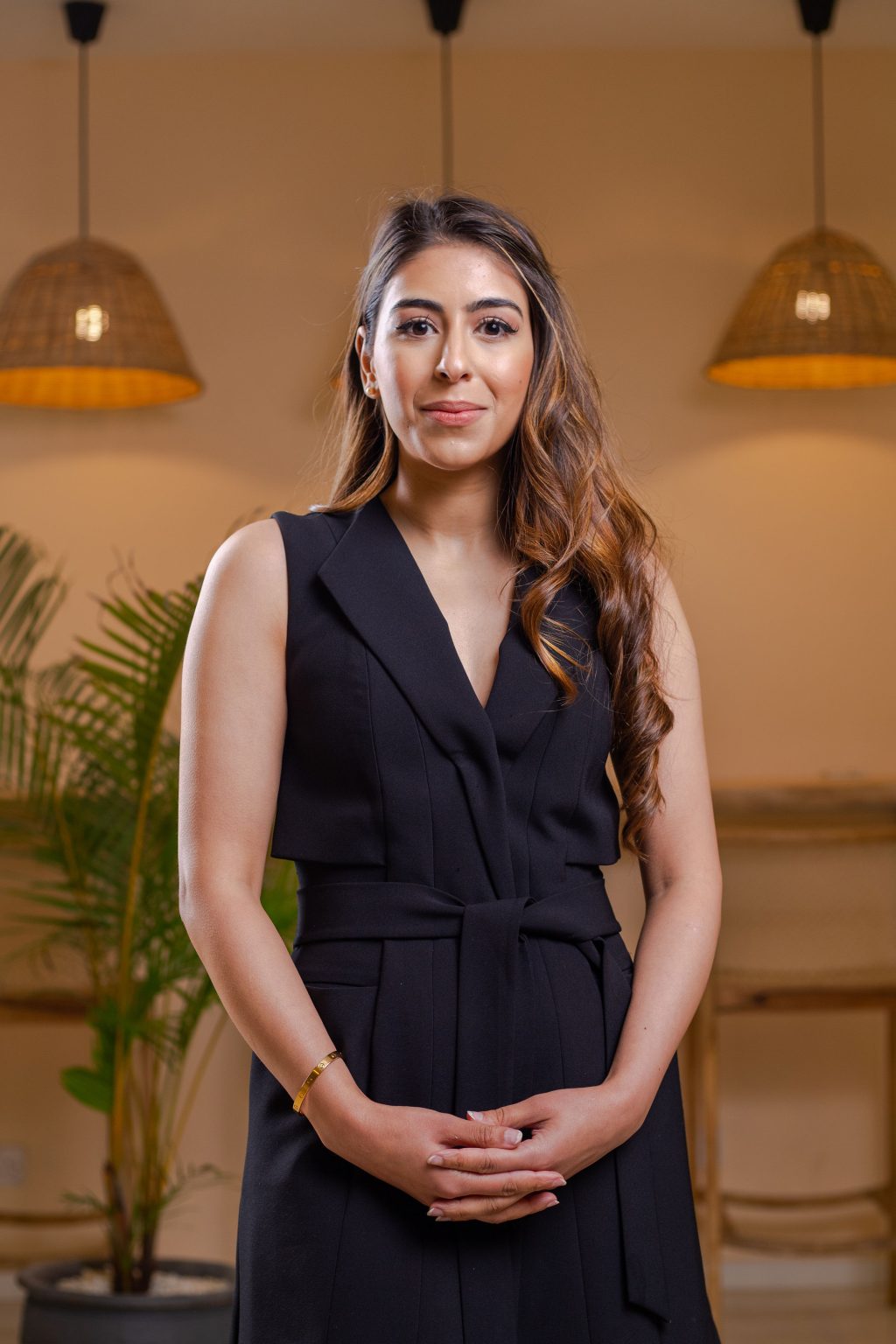
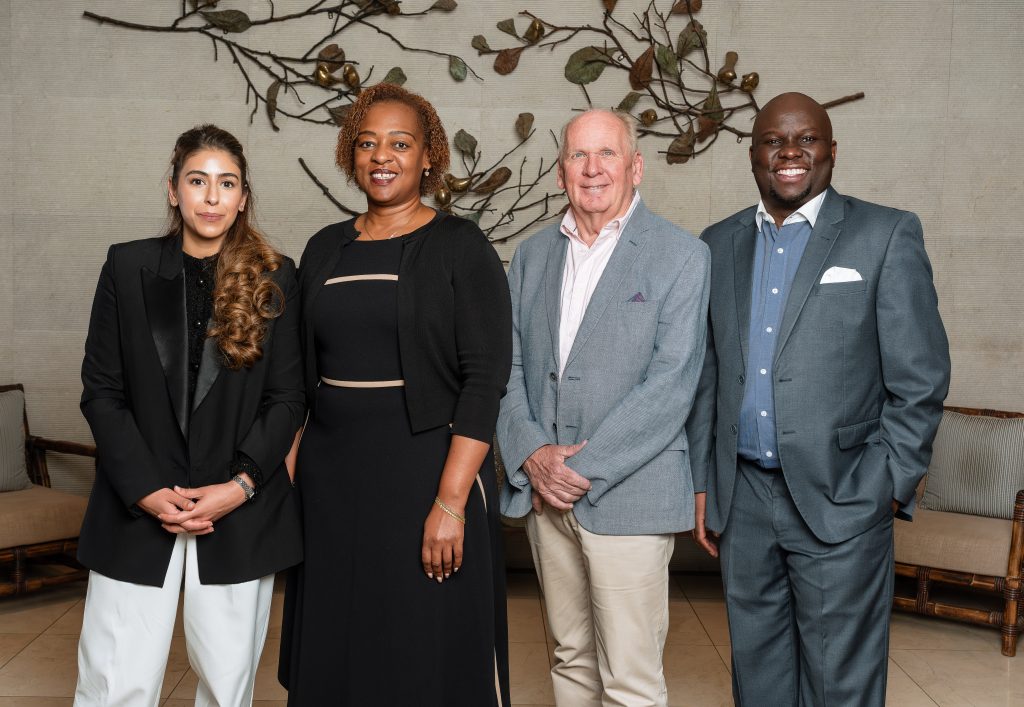
Radhika Bhachu, CEO and co-founder of Ndovu Wealth Ltd
Feature;Ndovu: Bridging Africa to Global Capital
For decades, the “Kenyan Dream” of wealth creation has been synonymous with tangible assets: buying a plot of land, laying bricks, and waiting for urban sprawl to drive up the price.

While real estate remains a staple, a significant shift is occurring as fintech innovators introduce a more liquid, globalized approach to building a portfolio.
Traditionally, African wealth has been “locked” in illiquid assets. Ndovu Wealth Ltd is challenging this status quo by moving the focus toward digital accessibility and global market participation.
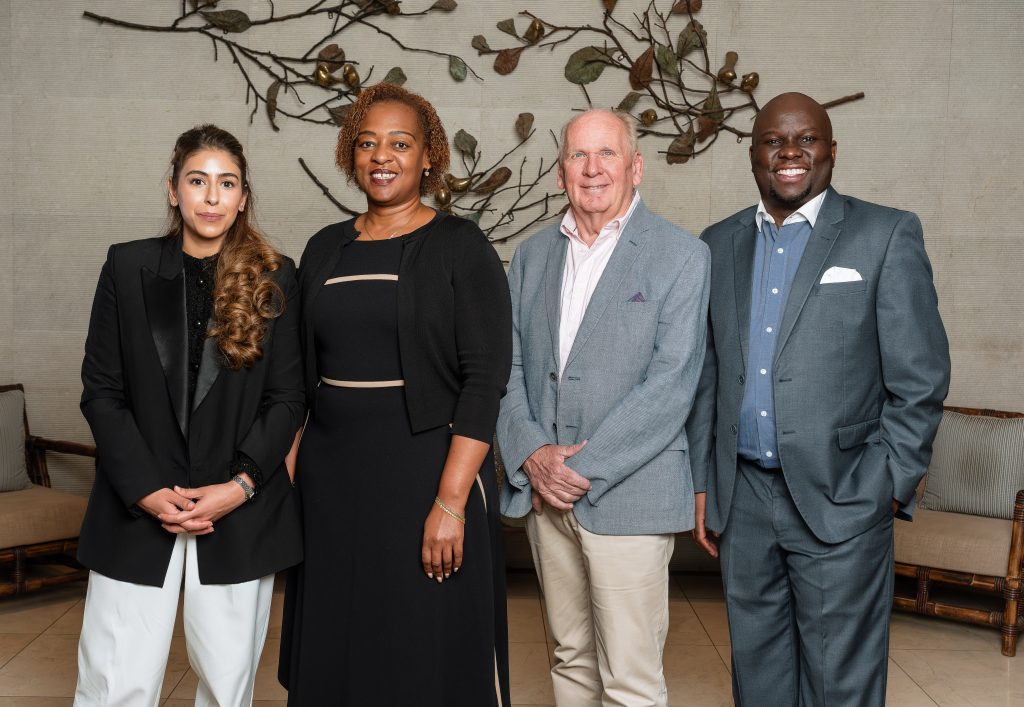
The company now serves more than 200,000 clients across 43 countries, including investors in the diaspora.
“Our vision is that in the next decade, every African, whether a mama mboga or a business owner, will have access to ways to create wealth beyond just working hard,” says Radhika Bhachu, CEO and co-founder of Ndovu Wealth Ltd “We need to move the mindset from consumption to ownership.”
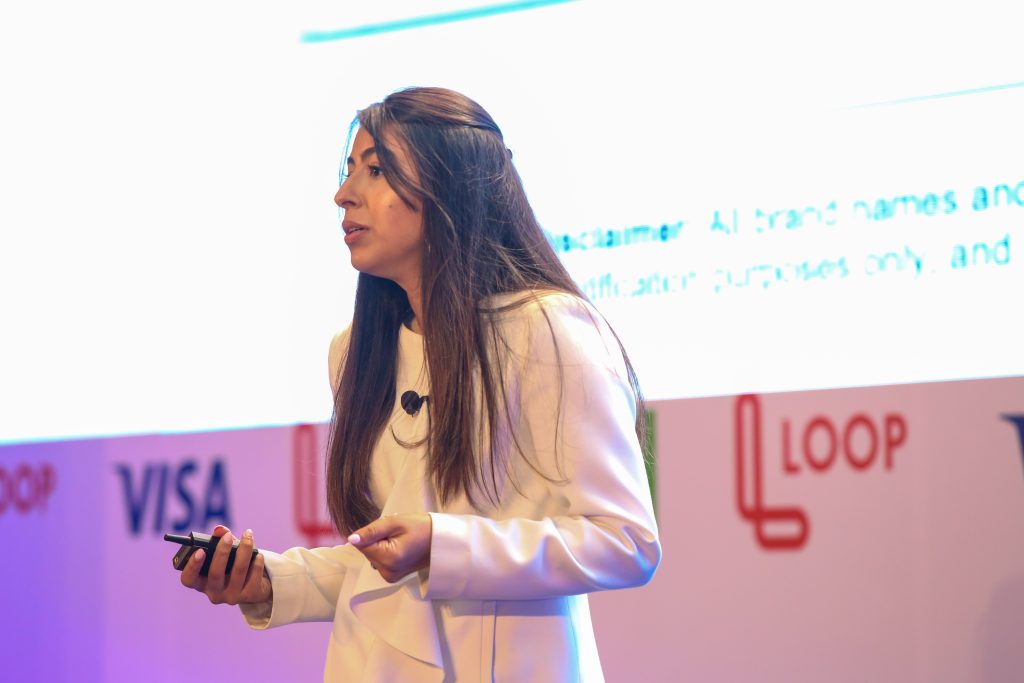
Radhika says the journey to founding Ndovu Wealth Ltd began far from Nairobi. As a fourth-generation Kenyan Indian, she spent years building her career in London, working at global financial giants Deloitte and BlackRock, the world’s largest asset manager.
It was there that she witnessed how ordinary investors in developed markets routinely build wealth through capital markets, a reality that remains largely absent in Kenya’s investment landscape, where many still view real estate as the primary path to wealth.
“Most of my network and friends built their wealth not through real estate, but by investing in equities and bonds,” she explains.
However, when Radhika returned to Kenya, she noticed a stark contradiction.
“The everyday Kenyan is a global consumer,” she says. “We use smartphones from abroad, we wear watches made elsewhere, but we earn in Kenyan shillings and rarely get to own the companies that produce the things we use.”
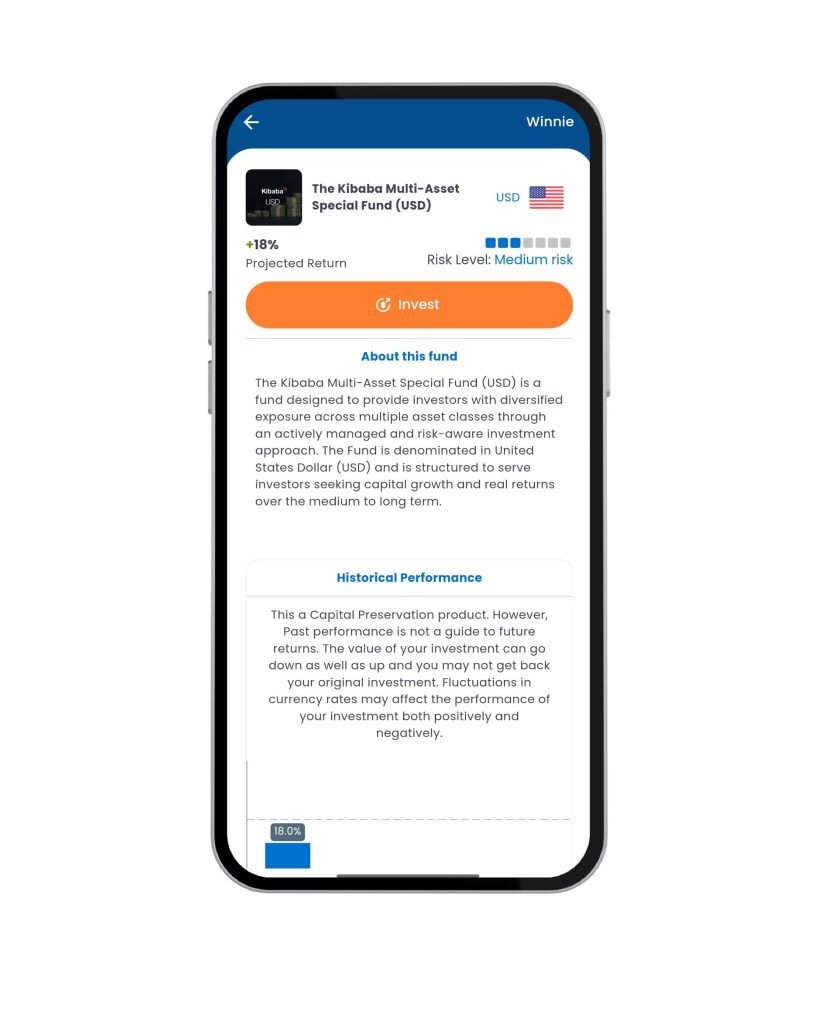
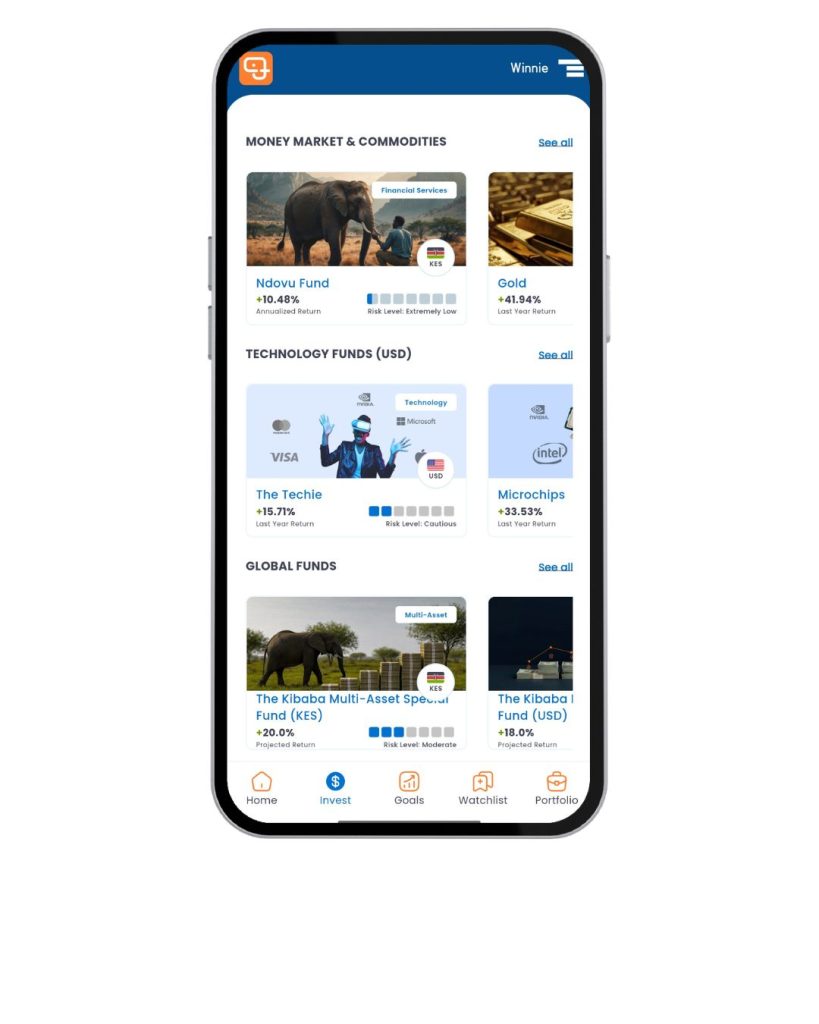
 That realization became the foundation for Ndovu, a platform designed to allow everyday Africans to invest in global markets with as little as 100 USD.
Building Trust in an Unfamiliar Market
The idea may have been simple, but building the company was not. Radhika emphasizes that one of the earliest hurdles was cultural.
 “In many African families, we don’t talk about money at the dinner table,” she says. “We don’t teach children how businesses work or what to do with a salary once you start earning.”
Instead, she found that the dominant mindset often leaned toward spending rather than investing.
Understanding that cultural context was essential before launching a wealth platform.Radhika also recognized the need for strong local expertise.
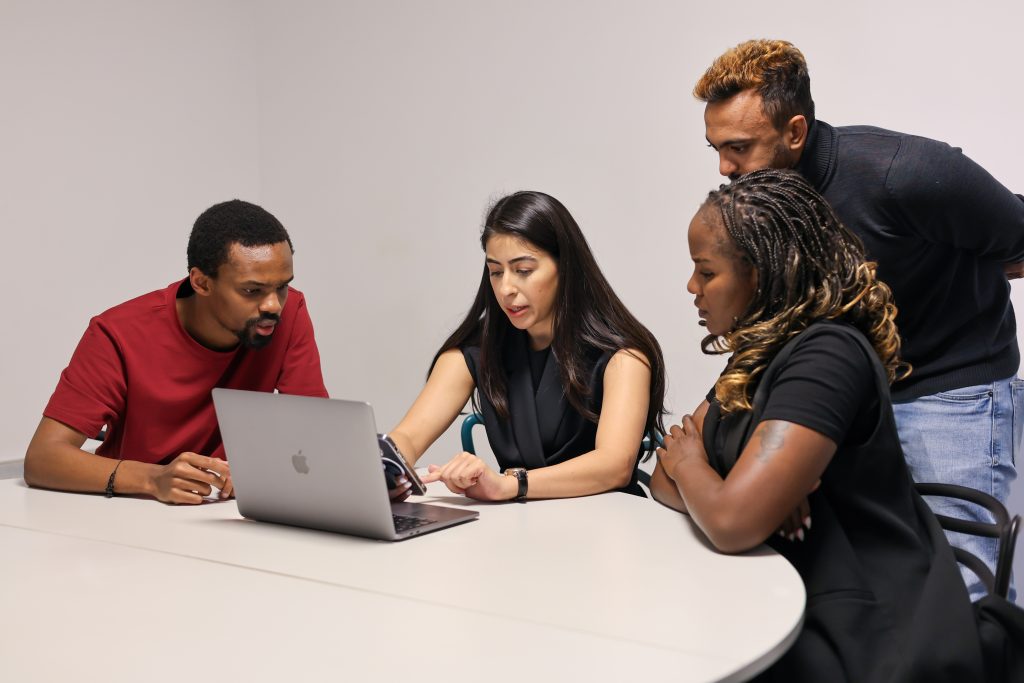
She partnered with Rogito Nyangeri, former Head of Strategy at the Nairobi Securities Exchange, whose deep knowledge of Kenya’s capital markets complemented her global investment background.
Together they navigated regulatory hurdles and secured a capital markets license in just nine months, something many investors initially doubted they could achieve.
Yet obtaining the license was only the beginning. “The hardest thing to build was trust,” Radhika says. “You can’t growth-hack trust. It takes time.”
Technology as the Great Equalizer
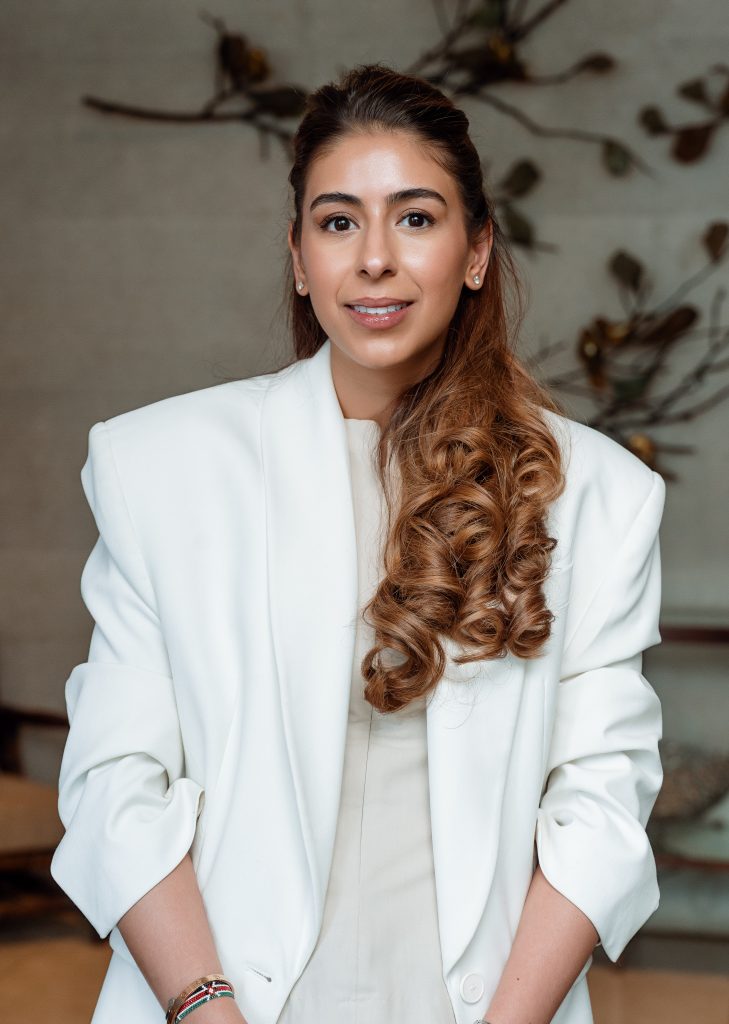
Ndovu’s solution relies heavily on technology to break barriers that once limited investing to wealthy clients.
Traditionally, access to international investments in Kenya required at least KSh 1 million and a private banker.
Understanding local market realities, Ndovu lowered that barrier dramatically.
“With technology we were able to bring that entry point down to as little as 50 USD and 100 USD,” Radhika says.
The platform distributes its services through partnerships with banks, telecoms, and fintech companies using API integrations, allowing Ndovu to reach customers who already trust those institutions.
“Someone sitting in Kajiado or Nyeri can download the app and access the same opportunities as someone in Nairobi,” she says.
Educating a New Generation of Investors
Beyond expanding access to investment opportunities, financial education has become one of the company’s most important missions.Radhika recalls how market volatility once triggered panic among investors using the platform.
“In 2024 when markets dropped, many customers tried to withdraw their money,” she says. “But after speaking with our relationship managers, 75% cancelled their withdrawals.”
Months later, when markets dipped again amid rising geopolitical tensions, something remarkable happened.Investors who had previously considered pulling out remained calm, choosing instead to stay invested.
The shift, Radhika explains, demonstrated the growing impact of financial education in helping individuals understand long-term investing and navigate short-term market fluctuations.

“We didn’t see withdrawals this time,” Radhika says. “We saw people putting more money in.”
“That was a big win for us,” she adds. “It meant people were starting to understand how markets work.”
Despite operating in a high-growth fintech sector, Radhika is cautious about promises of extraordinary returns, something often seen when institutions try to persuade potential clients to invest.
“I’m not here to tell you we will give you the best returns,” she says. “Ndovu is about delivering responsible returns over time.”
Her investment philosophy focuses on diversification across equities, bonds, commodities, and cash funds, balancing global opportunities with local investments that support economic growth in Africa.
Seven percent of Ndovu’s users live outside Africa, channeling capital back into local markets.
“We’re not just taking money out of Africa,” Radhika explains. “We’re also bringing money into the continent.”
Redefining Financial Freedom
Perhaps Radhika’s most controversial, and widely discussed, statement is her belief about what it takes to achieve financial freedom.
According to her, that threshold is about KSh 10 million invested across diverse investment avenues locally and globally.
The comment sparked backlash online, but she insists it has often been misunderstood.
“It’s really not as big a number as people think,” she says. “If you earn 10% on that, it can cover your basic lifestyle, rent, transport, school fees.”
For Radhika, the challenge lies not only in earning money but also in changing spending habits through discipline and long-term financial planning.
“A KSh 2,000 meal delivery habit is actually a KSh 20,000 habit every month,” she notes. “Small spending decisions compound over time.”
 Looking ahead, Radhika sees Ndovu playing a critical role in connecting Africa to global capital, and vice versa, noting that the continent holds immense potential for future growth.
Her long-term goal goes beyond simply helping Africans invest abroad. “I want Ndovu to be the bridge between Africa and the rest of the world,” she says.
“When global investors start looking seriously at African growth, we want to be the infrastructure that makes that possible.”
 Ultimately, success for her will not be measured in assets under management.
“My personal success,” Radhika says, “will be the day someone taps me on the shoulder and tells me: because of Ndovu, I was able to send my child to university.”