 Douglas Mwiti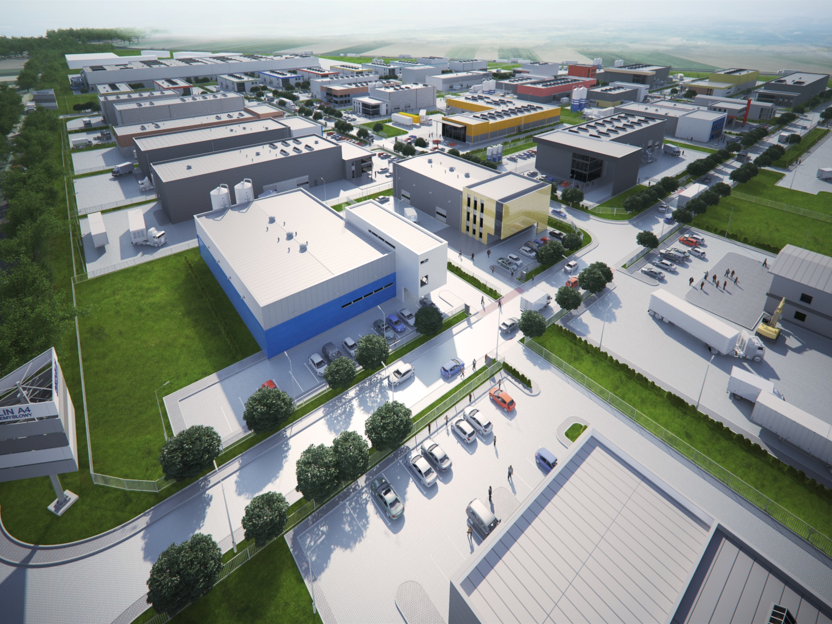
Kenya’s Property Market Remains Resilient as Demand Shifts Towards Quality,Convenience and Institutional-Grade Assets
Knight Frank Kenya, a leading global property consultancy,released its Kenya Market Update H1 2026, providing a comprehensive analysis of the Kenya’s real estate landscape.
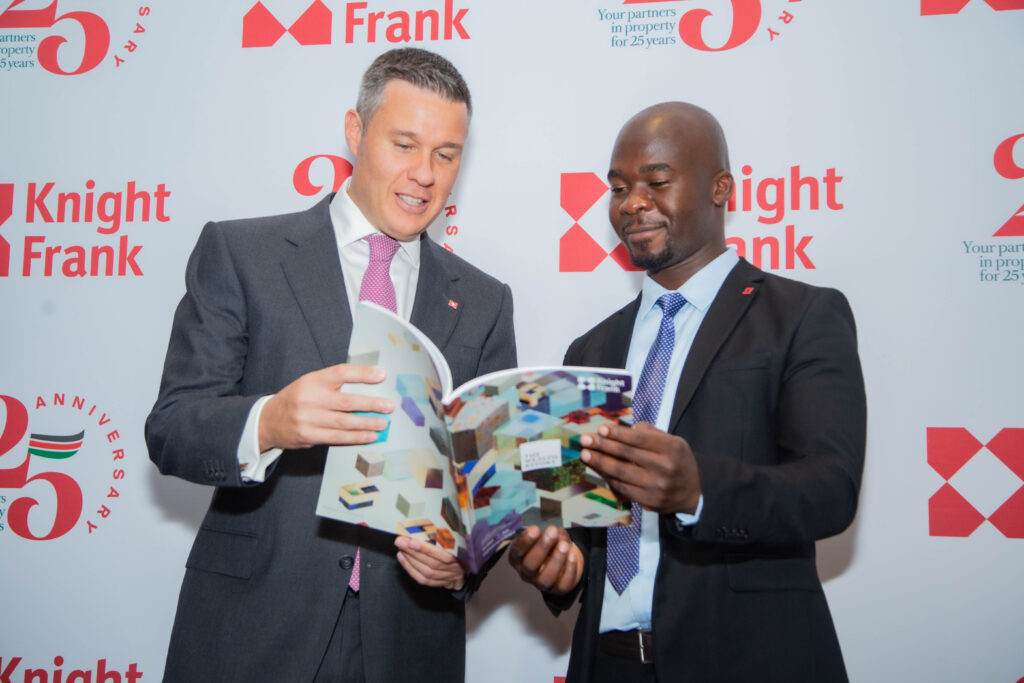
The report highlights resilience during the first half of 2026 despite global uncertainty.
Macro Economy
Kenya’s economy grew by 4.6% in 2025 and is projected to expand by 4.4% in 2026, continuing to outperform the Sub-Saharan African average. Meanwhile, the construction sector rebounded by 6.8% in 2025, highlighting continued activity across the built environment.
Mark Dunford,CEO,Knight Frank Kenya,said:
“Kenya’s real estate market has demonstrated considerable resilience through a period of uncertainty. What is particularly notable is that the market is becoming more selective, with investors, occupiers and developers increasingly prioritising quality, efficiency, sustainability and assets supported by clear demand fundamentals.”
Capital Markets
Kenya’s real estate capital markets continued to develop during H1 2026, reflecting growing interest in more structured and institutional forms of property investment.
 Kenya had five operational REITs as of March 2026, with combined market capitalisation exceeding KES 30.3 billion.
The first industrial REIT was also listed on the Nairobi Securities Exchange during the review period.
Tax reforms introduced during the period are also expected to support the sector by reducing transaction costs associated with transferring qualifying property into REIT structures.
Meanwhile,Kenya recorded USD 3.2 billion in FDI inflows in 2025, representing a 38% increase and positioning the country as the seventh largest FDI destination in Africa.
 Office
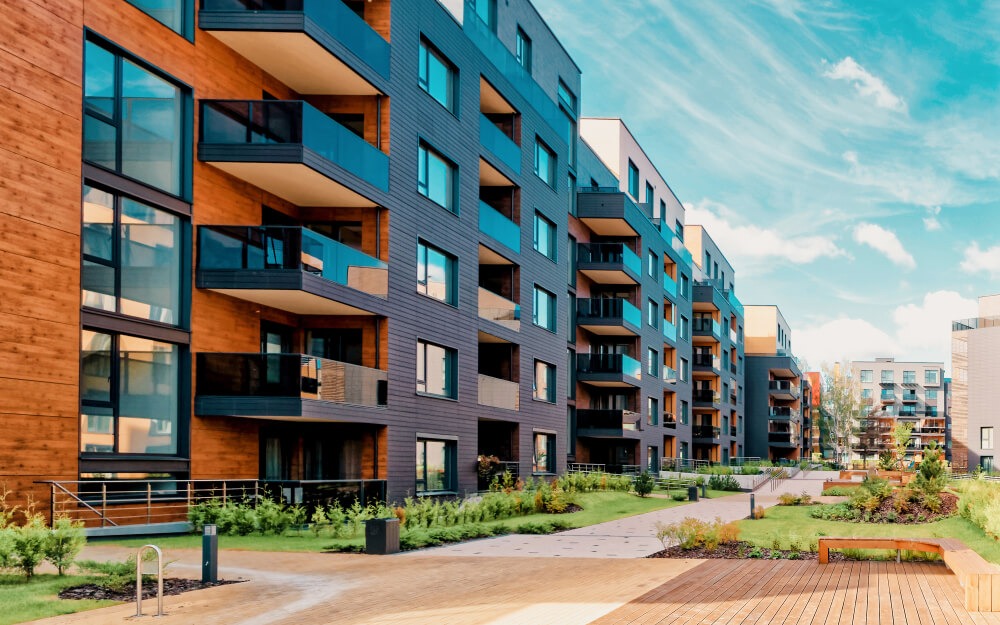
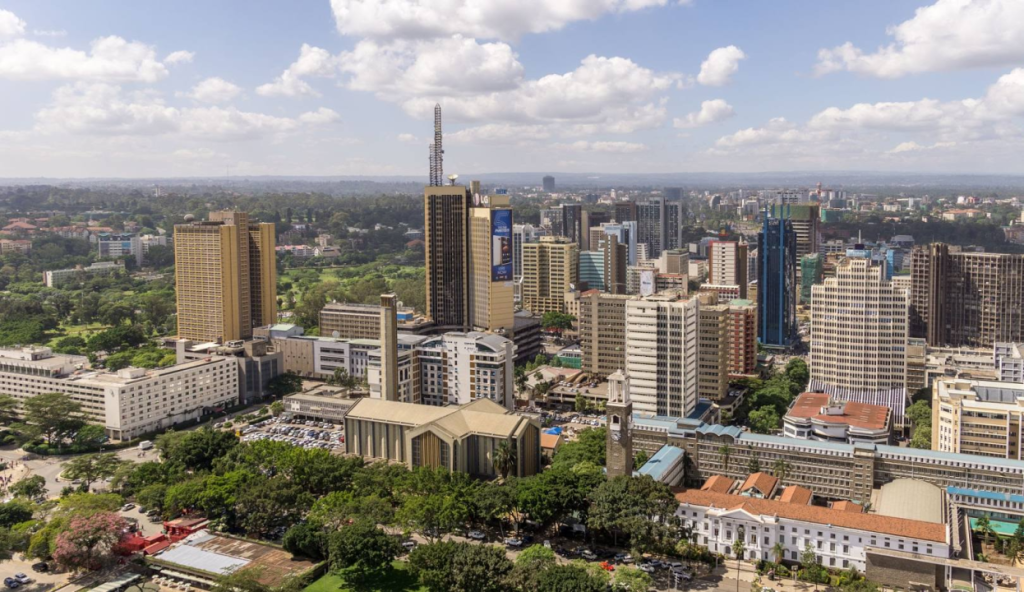
Nairobi’s prime office market recorded one of the clearest improvements during the first half of the year. Prime office occupancy increased by 4.05%, rising from 81.58% in December 2025 to 84.88% in June 2026.
The improvement was driven primarily by continued absorption of existing prime office stock amid limited new supply.

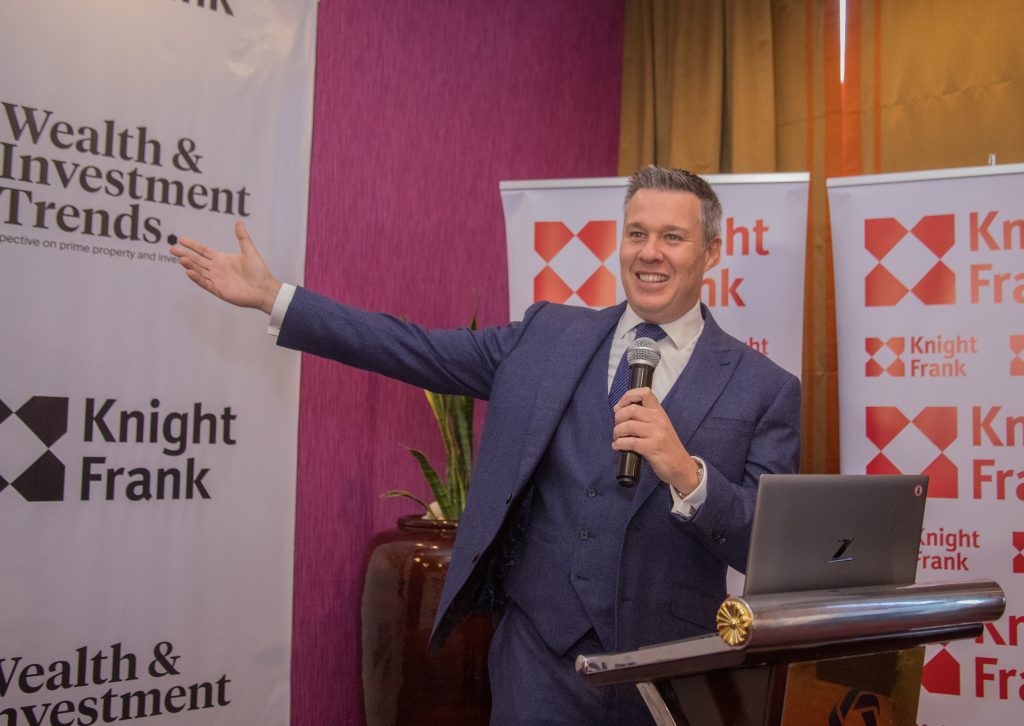
Mark Dunford said:
“The improvement in prime office occupancy is an important signal for Nairobi’s commercial property market.
We are seeing a clear flight to quality, with occupiers increasingly focused on buildings that offer the right combination of location,quality,sustainability and workplace experience.

Residential
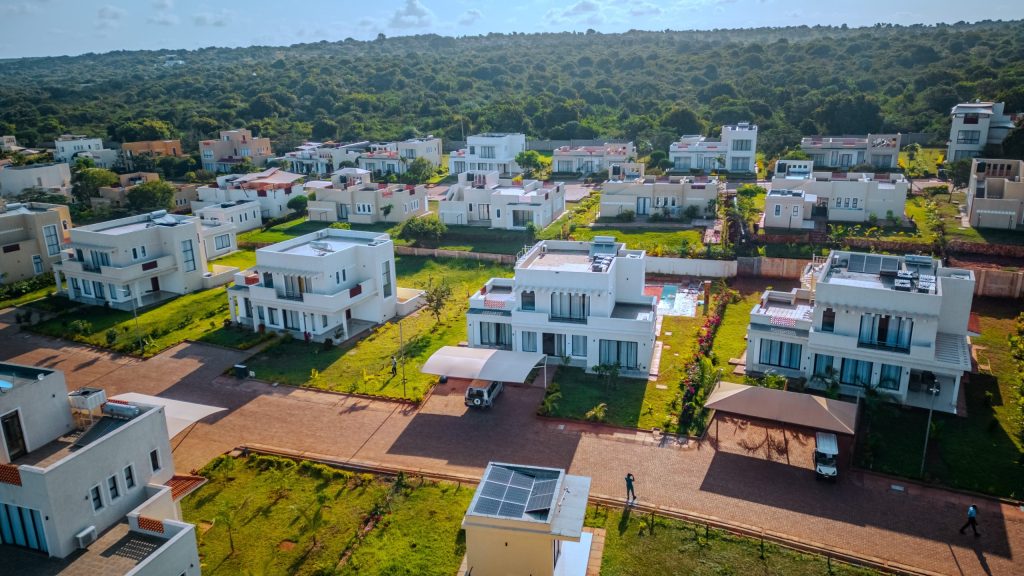
The prime residential market continued to record price growth during H1 2026.Prime sale prices increased by 6.2%, while monthly rents rose by 0.73% compared with December 2025.
The increase was largely attributed to a continued shortage of quality prime housing stock amid sustained demand from owner occupiers and renters.
 Tarquin Gross,Head of Residential, Knight Frank Kenya,said:
“The prime residential market continues to demonstrate the strength of well-located, high-quality housing.
The 6.2% increase in sale prices reflects the imbalance between available quality stock and sustained demand.
At the same time, buyers are becoming increasingly discerning, placing greater value on security,community, green space and lifestyle amenities.”
Retail
 Smaller convenience centres within residential neighbourhoods and at petrol stations continued to expand, while healthcare retail emerged as one of the fastest-growing occupier categories,with pharmacy and outpatient operators accelerating branch expansion.

Hospitality
Kenya’s hospitality sector continued its recovery,supported by increased international visitor arrivals and stronger activity in accommodation and food services.
 The accommodation and food service sector subsequently expanded by 14.7% in Q1 2026, significantly above the 8.0% growth recorded during the same period in 2025.
 Industrial
Industrial activity was supported by stronger vehicle assembly, steel and cement production, while the logistics sector also recorded growth.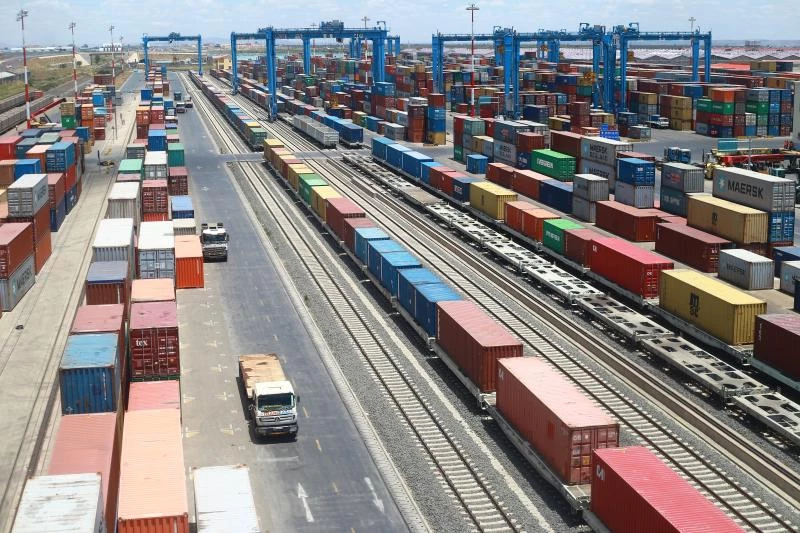 Port of Mombasa cargo throughput increased by 3.7% to approximately 11.0 million tonnes, while freight transported through the SGR increased by 12.7% to 2.05 million tonnes.
These trends are supporting demand for modern logistics facilities,inland distribution centres and last mile warehousing.
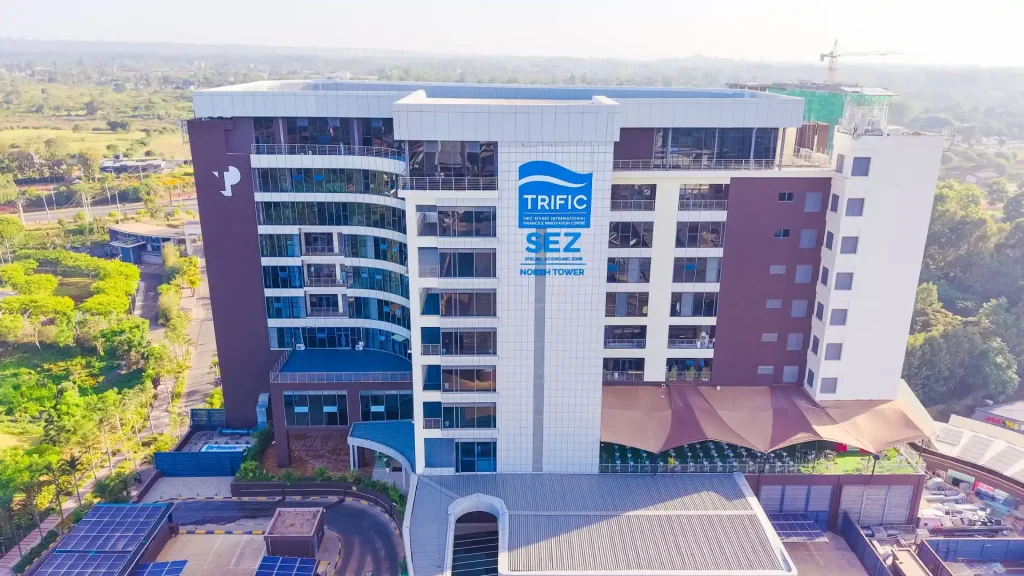
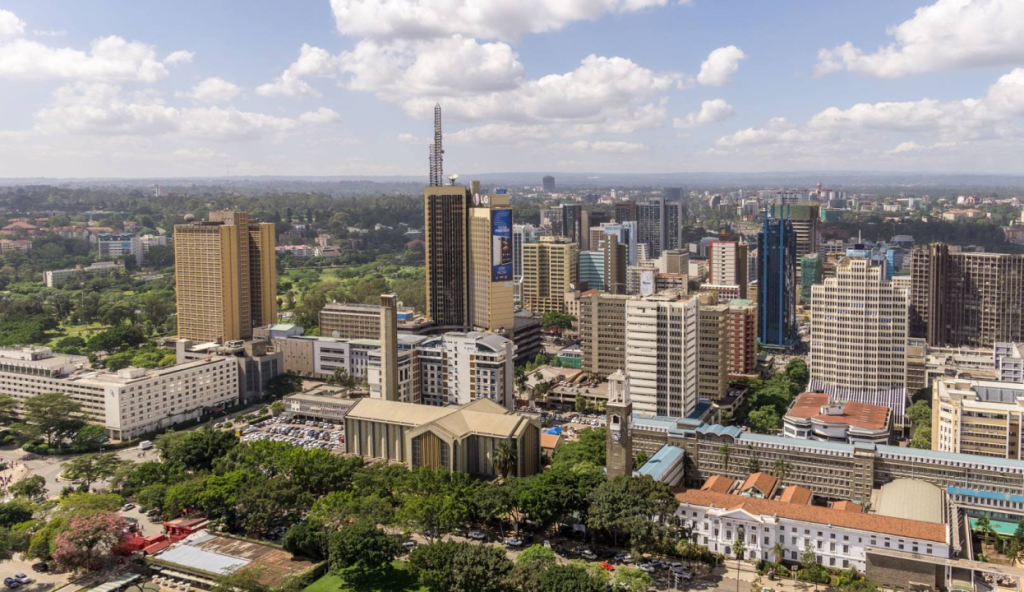 The continued development of Special Economic Zones (SEZ) and new industrial parks is also supporting the decentralisation of industrial activity beyond Nairobi and Mombasa.
Charles Macharia said:
“The increase in freight volumes through the Port of Mombasa and SGR strengthens the case for modern logistics and distribution infrastructure.
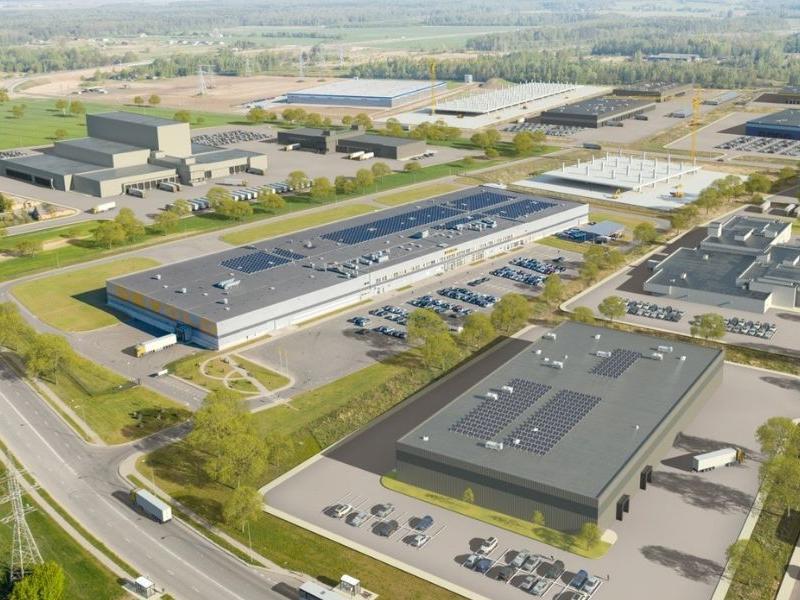 As infrastructure and industrial activity becomes more geographically diversified,strategically located facilities will become increasingly important.”
Views: 23