Douglas Mwiti
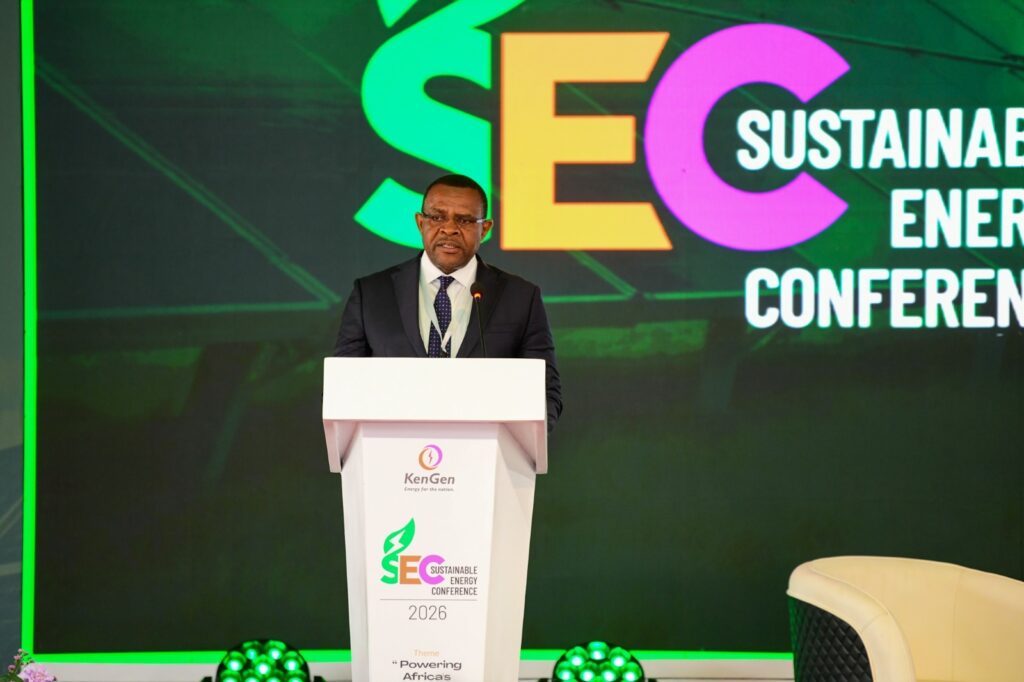
 Speaking on the second day of the Sustainable Energy Conference (SEC) 2026,Cabinet Secretary for Energy and Petroleum,Hon. James Opiyo Wandayi said governments could no longer rely solely on public financing to meet the continent’s growing energy needs.
Kenya’s electricity demand has surpassed 2,500 megawatts and is expected to rise as the economy expands, reflecting a broader regional trend also evident in Ethiopia,Uganda and Tanzania.
 “The Government will continue to protect consumers from unreasonable costs.Our task is to strike the right balance, so that power is affordable for Kenyans and investment is rewarding for those who build it,” Mr. Wandayi said.
 Mr. Wandayi said achieving these ambitions would require a stronger partnership between governments and private investors, particularly as competing development priorities place increasing pressure on public resources.
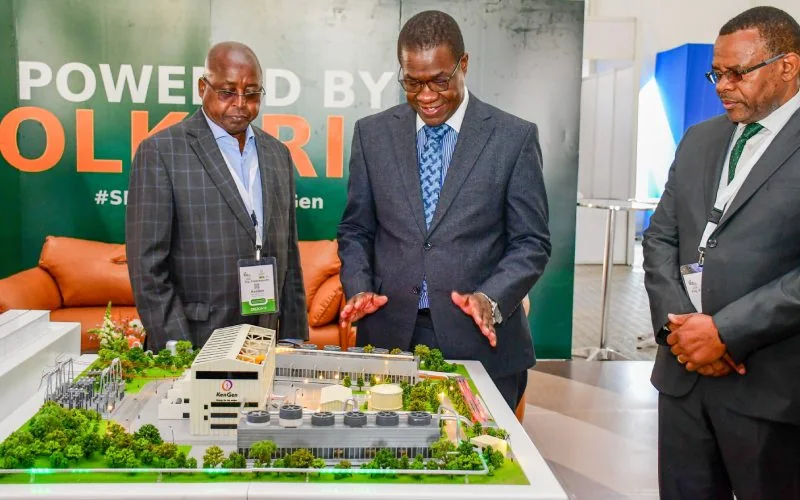
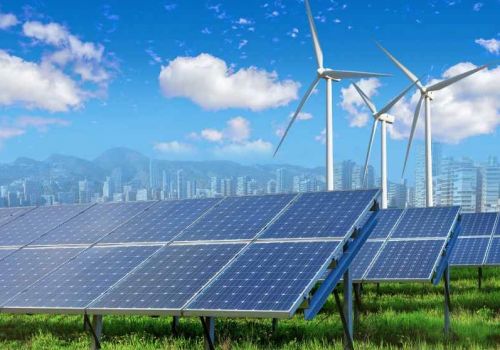
Kenya’s generation expansion plans are already taking shape.KenGen, the country’s largest electricity generator, has developed a pipeline of approximately 5,500 megawatts of renewable energy projects, spanning geothermal,hydro and solar, with nuclear energy among its longerterm options.
 “By 2027, we plan to add about 250 megawatts to the national grid, and many of the building blocks are already on the ground,” he said.
Among the projects is the rehabilitation and modernisation of 63MW Olkaria I,Kenya’s oldest geothermal power station, alongside the development of Olkaria VII,an approximately 80megawatt geothermal project being advanced with support from development partners.

 A 100-megawatt battery energy storage system, expected in 2027, will further strengthen the grid by storing renewable electricity for deployment during peak demand periods.
The developments reflect a broader shift towards integrated energy systems that combine geothermal,hydropower, solar and storage technologies to improve reliability while reducing dependence on fossil fuels.
 Held under the theme “Powering Africa’s Green Industrial Revolution,” SEC 2026 brought together regional policymakers, energy producers, investors, development partners and financiers to examine the policies, technologies and financing models needed to accelerate Africa’s energy transition.
The conference also provided a platform for showcasing bankable energy projects and strengthening partnerships to unlock investment in sustainable energy infrastructure across the continent.
 As African economies pursue industrialisation, the discussions underscored a central challenge: delivering reliable, affordable and clean electricity at the scale and speed required to power the continent’s economic transformation.