 BQ Reporter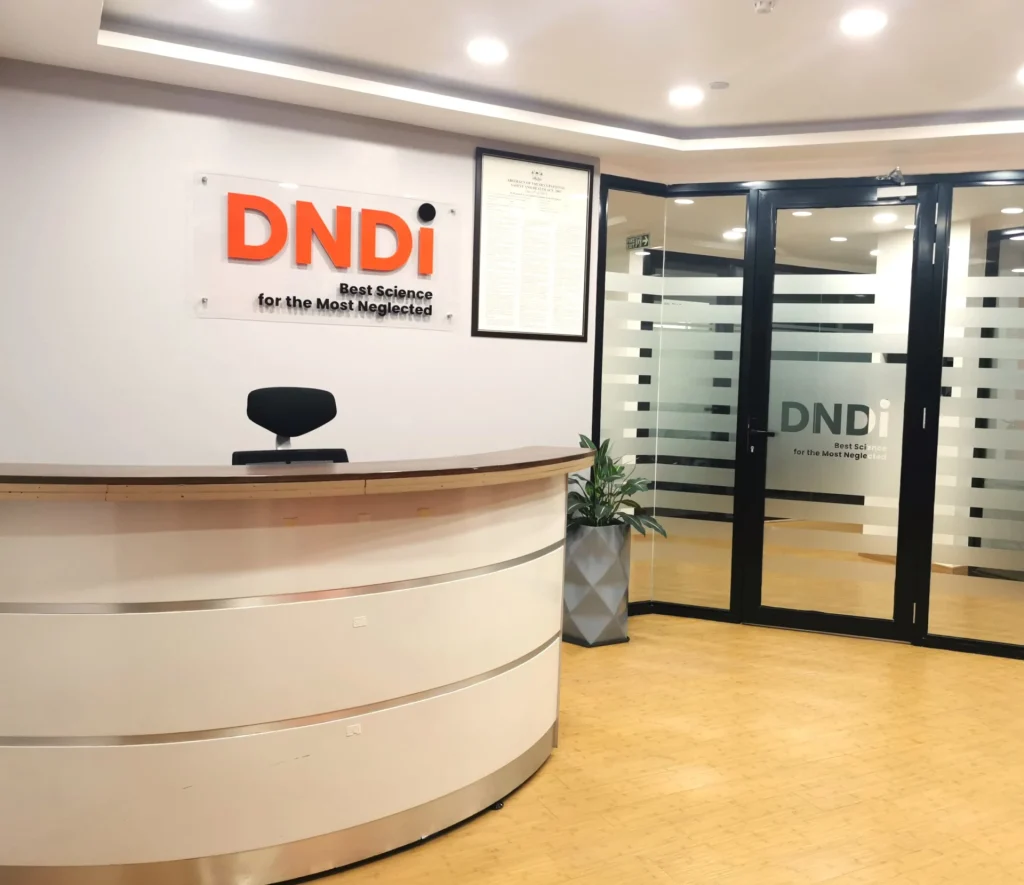
- Ghana, DNDi join forces to develop new treatments for schistosomiasis
- Collaboration will help establish Ghana’s first laboratory with capacity to test around 100 molecules against schistosomiasis. It also aims to expand the continent’s growing drug discovery capacity.
By Edith Mutisya in Nairobi, Kenya
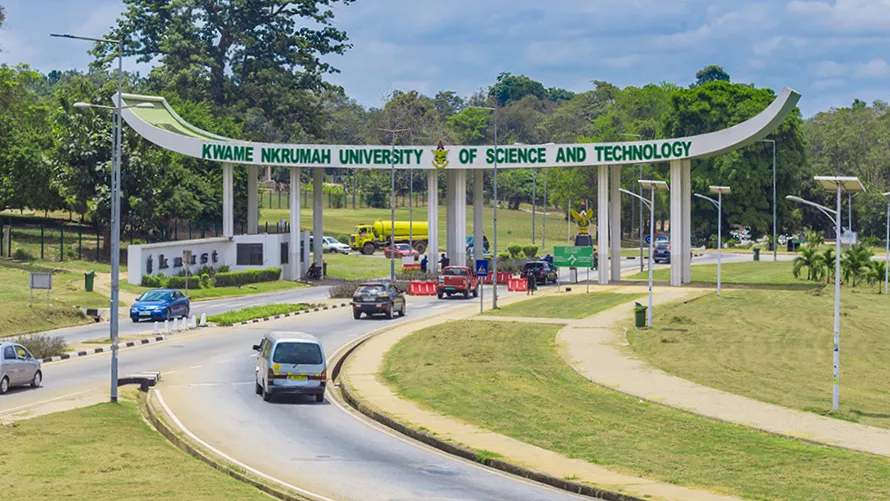
The Kwame Nkrumah University of Science and Technology (KNUST) in Ghana and the non-profit medical research organization Drugs for Neglected Diseases initiative (DNDi) have launched a drug discovery partnership to screen about 100 molecules against a species of parasitic worm prevalent in Africa, with the goal of developing the next generation of treatments for schistosomiasis.
 Schistosomiasis, also known as bilharzia, is one of Africa’s most widespread parasitic diseases and affects more than 250 million people globally, most of them in sub-Saharan Africa.
The research collaboration, supported by funding from the German Federal Ministry of Research,Technology and Space (BMFTR), combines KNUST’s expertise in parasitic diseases and clinical research with DNDi’s experience in discovering and optimizing medicines for neglected diseases and advancing them from the laboratory to clinical development
 The partnership marks DNDi’s first drug discovery collaboration on the African continent and represents a significant step for KNUST into early-stage drug discovery research.
Prof. Alexander Yaw Debrah, Professor of Parasitology and Global Health at KNUST, said Ghana has made significant progress in eliminating several neglected diseases, but the number of people affected by schistosomiasis is not declining.
“We need treatments that can cure them,” said Debrah, who is also scientific director of the Kumasi Centre for Collaborative Research into Tropical Medicine (KCCR).
“This important partnership with DNDi means Ghanaian scientists are now part of a global effort in building the science and innovation needed to reach that goal, in our own laboratories, and for our own communities,” he said.
Schistosomiasis is the second most widespread parasitic disease in the world after malaria, according to the partners. Infection occurs through contact with freshwater, where the parasite’s larvae penetrate the skin and develop into adult worms in the body.
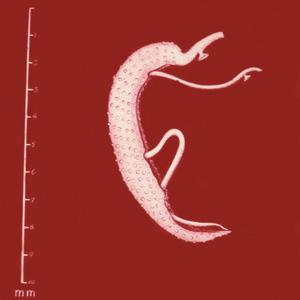
It can cause anemia and female genital schistosomiasis (FGS), a chronic condition estimated to affect 56 million women and girls.
The current treatment, praziquantel, has limitations. It mainly kills adult worms and is less effective against juvenile worms, requiring repeated treatment over many years.
It is also only partially effective against FGS and does not address the pain caused by inflammatory reactions to parasite eggs trapped in the urogenital tract.
There is therefore an urgent need for treatments that can kill juvenile worms and better address the debilitating symptoms experienced by women and girls with FGS.
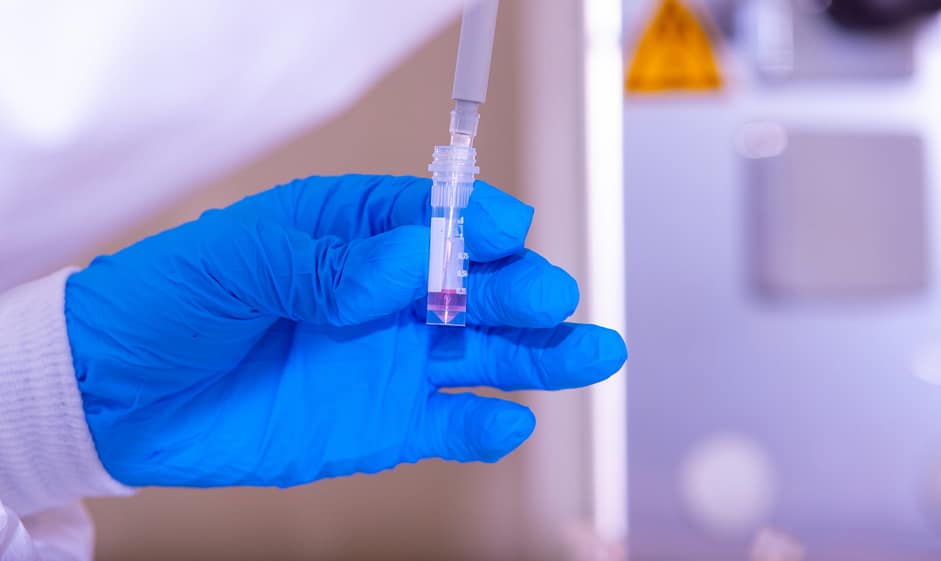
Under the partnership,KNUST’s laboratory will screen approximately 100 carefully selected drug prototypes and chemical compounds with known activity against both juvenile and adult worms of S. haematobium, a species found almost exclusively in Africa.
 This work is part of a broader global research platform involving partners in Brazil,Japan, Switzerland, and the United Kingdom.
The platform aims to develop and optimize assays -tests used to determine whether a molecule has the intended effect on the parasite – to enable more effective drug discovery.
The combined results will help refine a standard screening process and support the development of new, safe, and effective treatments for the disease.
 ‘This partnership with KNUST will play a key role in filling a gap that has existed for too long and building the scientific tools we need to find new, better treatments in the region where they are needed most,” said Dr Eric Chatelain, Head of Drug Discovery Programme at DNDi.
“It is also another step to advance drug discovery research in Ghana beyond the initial project period and lays the foundation for promising future collaborations on other neglected diseases.”

As part of the collaboration, two KNUST researchers will travel to the University of Bonn in Germany for hands-on training in laboratory screening cascade methods.
Dr Joseph Kwadwo Larbi Opare, Program Manager for Neglected Tropical Diseases at the Ghana Health Service, said schistosomiasis remains a public health priority in Ghana, and that the partnership was an important step toward strengthening local research capacity.
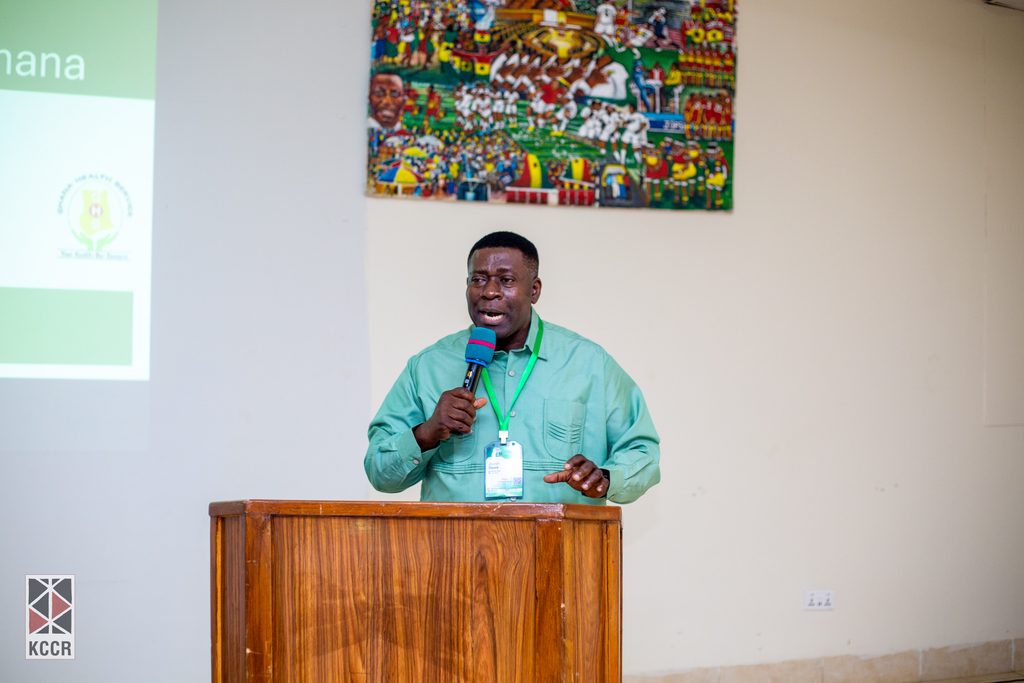 “This collaboration between KNUST and DNDi is exactly the kind of partnership we need, one that builds scientific capacity here in Ghana and demonstrates that Africa can lead the research that matters most to its own people,” he said.
“We welcome this and the opportunities it creates for Ghana’s scientific community,” he said
Views: 7