
 Paul Arithi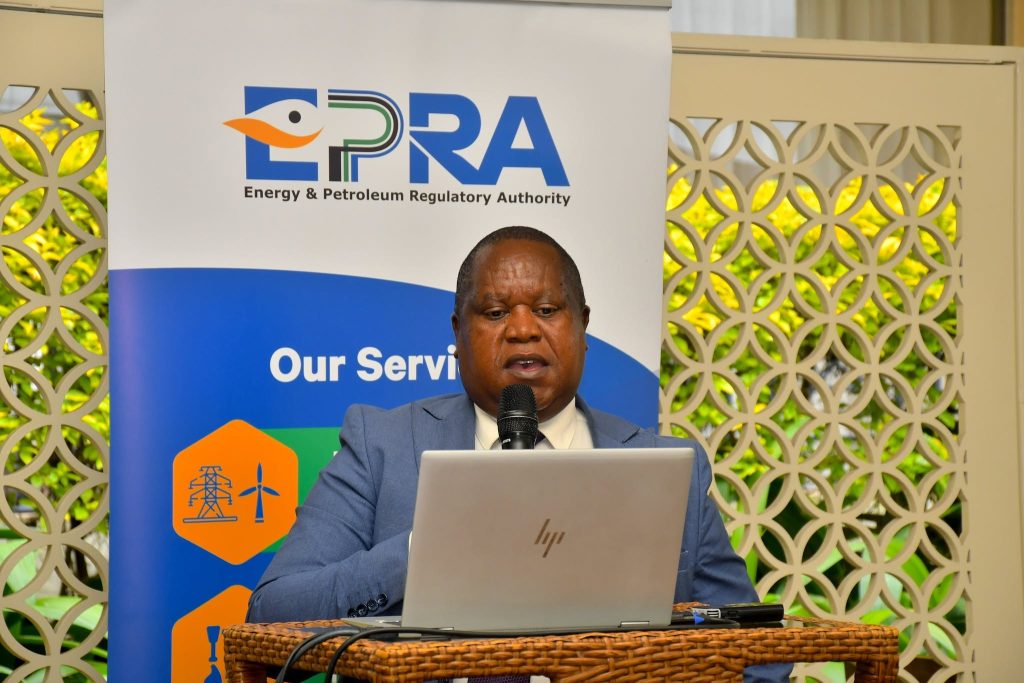
John Mutua-Director,Economic Regulations and Planning,Energy & Petroleum(EPRA)
 During the period under review, total electricity generation stood at 15,692.81 GWh, while peak electricity demand reached 2,514.28 MW.Renewable energy accounted for 81.16% of Kenya’s total installed electricity generation capacity.
The petroleum sector recorded an 8.41% increase in domestic petroleum demand, while LPG demand reached 475,943 metric tonnes.
 The report also records KSh 1.88 billion in savings by customers under the Time of Use tariff and per capita LPG consumption of 8.9 kg.
These figures provide a snapshot of the key developments detailed throughout the report.
 Kenya’s electricity and petroleum sectors recorded growth in the year under review, reflecting an economy whose
demand for energy continues to expand.
Renewable energy sources accounted for 81.13% of electrical energy generated in the year under review, compared to
80.48% recorded in the previous year.
The country recorded a new peak demand of 2,514.28 MW on 29th June 2026.Total electricity generation increased by
8.44% to 15,692.81 GWh in the period under review.

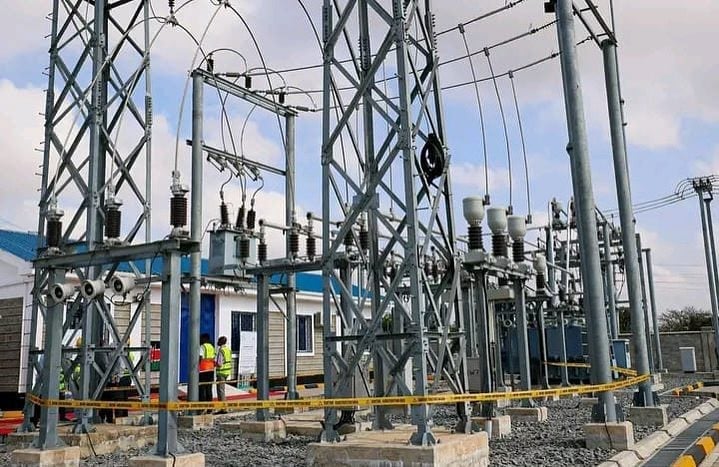
Several generation and transmission projects were commissioned during the year, improving security and system flexibility
The Authority provided an advisory to the Cabinet Secretary,Ministry of Energy and Petroleum, on the Field Development Plan (FDP) for Blocks T6 and T7.
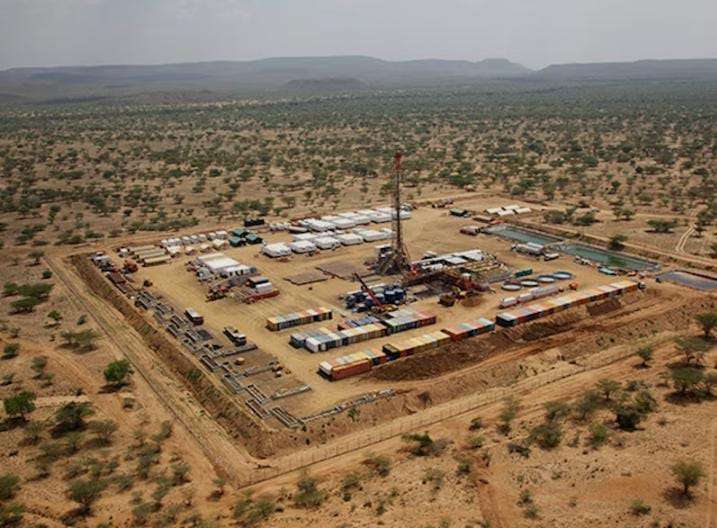
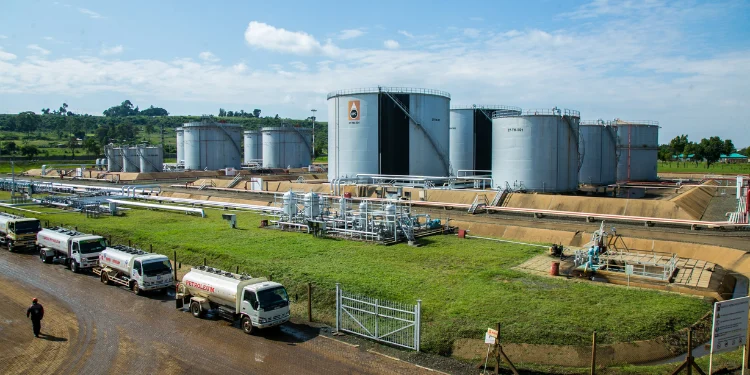 The National Assembly ratified the FDP on 25th February 2026. The initial 5-year phase development strategy will focus on the Ngamia,
Amosing,Twiga and Ekales fields, referred to as NEAT, with first oil expected on 1st December 2026.
The successful development of these petroleum resources is expected to contribute to Kenya’s energy security, economic growth, and investment opportunities.
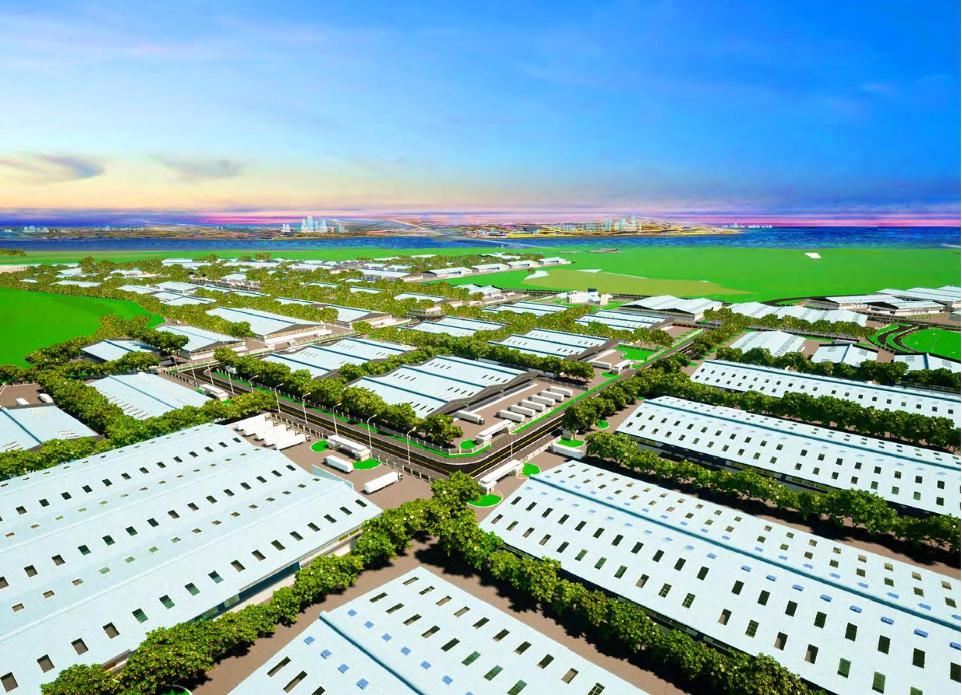 Developments in LPG import and receiving facilities such as the Taifa Gas Terminal at the Dongo Kundu Special
Economic Zone (SEZ) and the Asharami Synergy storage facility at KPRL,are set to improve the country’s LPG handling capacity by 60,000 MT.
This additional capacity will pave the way for the implementation of the Open Tender System (OTS) for LPG, enhance competition and strengthen supply reliability.
The Authority also advanced an important regulatory agenda across electricity, renewable energy and petroleum.
The Energy (Electricity Market,Bulk Supply and Open Access) Regulations, 2026 provide a framework for a competitive electricity market and non-discriminatory access to transmission and distribution networks.
 Regulations gazetted on solar water heating,biofuels and, mid and downstream petroleum will strengthen the sector’s regulatory framework.
This report provides a comprehensive overview of these milestones and the broader energy landscape, offering stakeholders the insights needed to make informed decisions.
I commend the committee that diligently put it together, and extend my appreciation to the EPRA Board, our dedicated
staff, and stakeholders whose, support continues to steer Kenya’s energy sector toward a secure,sustainable,and prosperous future.
The 2025/2026 year was marked by notable growth in demand for both electricity and petroleum products,reflecting Kenya’s growing population and increased economic activity.
Petroleum product imports increased by 11.52% to 10.88 million m3, while domestic consumption increased by 8.41%
to 6.33 million m3.
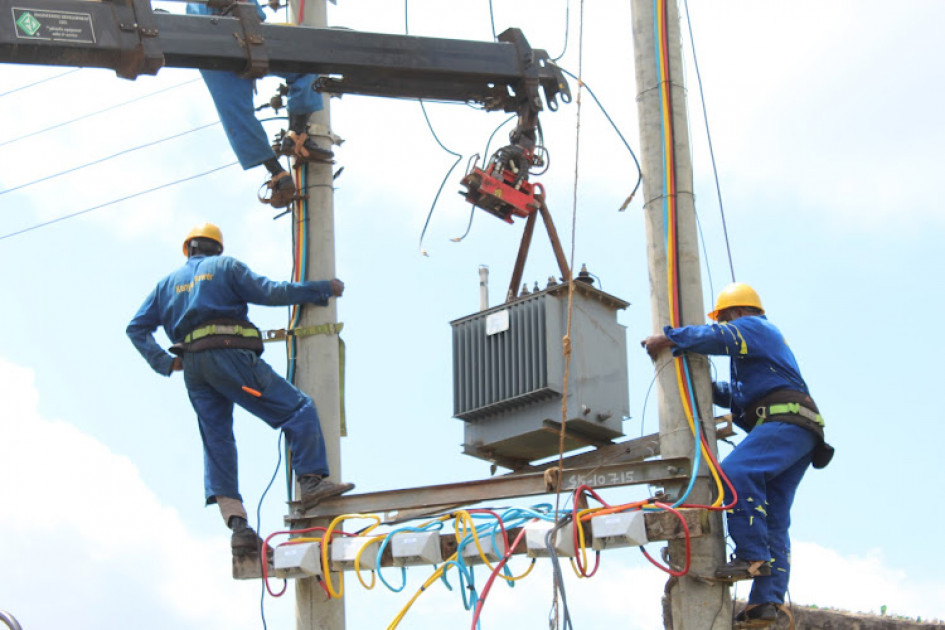
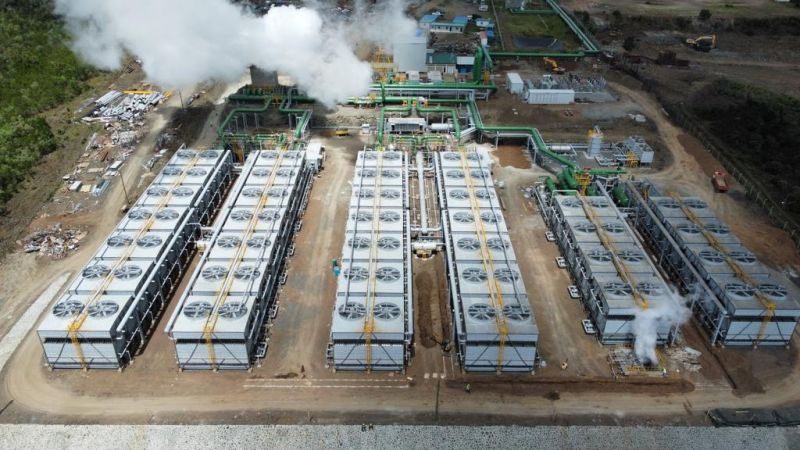
The addition of 70 MW at Menengai increased installed geothermal capacity from 943.7 MW to 1,013.7 MW,while
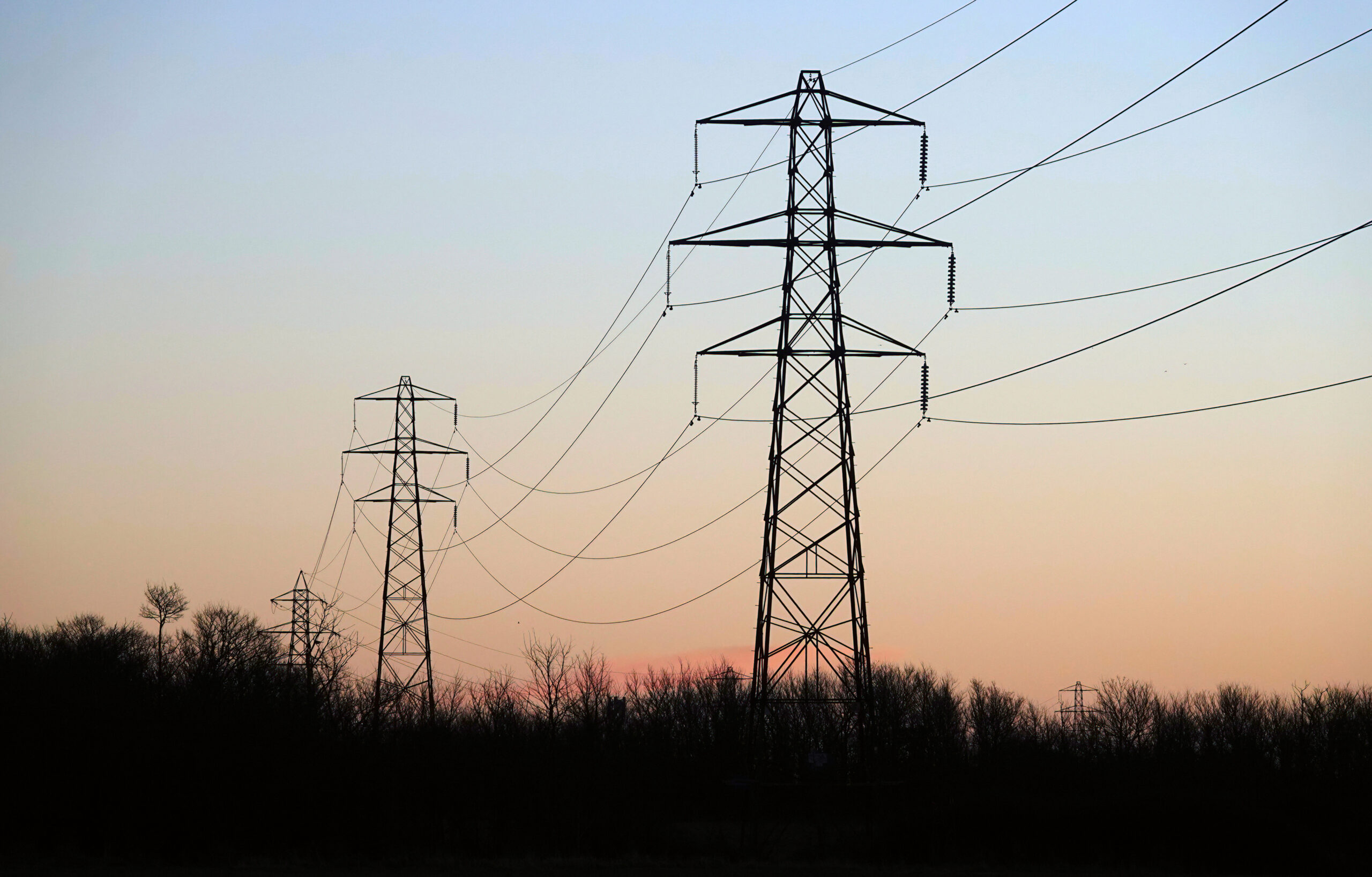
the commissioning of major transmission infrastructure strengthened the network required to evacuate and deliver electricity across the country.
The period also witnessed a 12.05% growth in captive capacity, attributed to additional 72.8MW installed Solar photovoltaic (PV).
 Captive generation remains dominated by solar PV (55.17%) and bioenergy (23.91%),reflecting industries’ continued investment in renewable sources for sustainability and cost efficiency
The e-mobility tariff was reviewed by removing the 15,000 kWh cap, effective 1st July 2026, to promote uptake.In
addition, the Authority is developing e-mobility regulations to govern the sector.
Views: 5