
 kimani b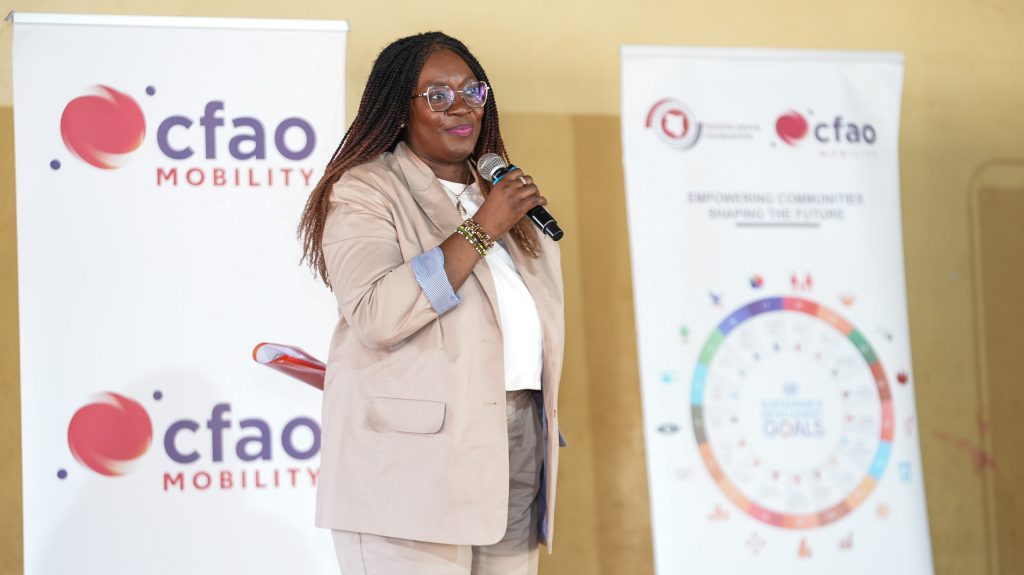
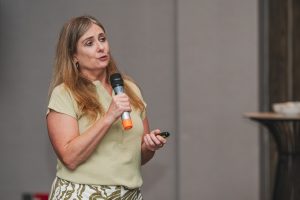
CFAO Mobility General Manager- Human Resources Josephine Opoku-Bekoe addresses students during the launch of the Maji na Ufanisi project.
- CFAO Mobility Kenya and Goal Setters’ Foundation Partners to Improve Water,Sanitation and Hygiene in Kimbu Schools;
Through grant funding,the programme will support the construction and installation of functional, gender-sensitive handwashing facilities, and strengthen hygiene knowledge and skills among teachers and learners.
CFAO Mobility Kenya Limited, in partnership with Kenya Vehicle Manufacturers (KVM),Toyota Kenya Foundation, and implementing non-profit partner Goal Setters Foundation, has officially launched the ‘Maji na Ufanisi:
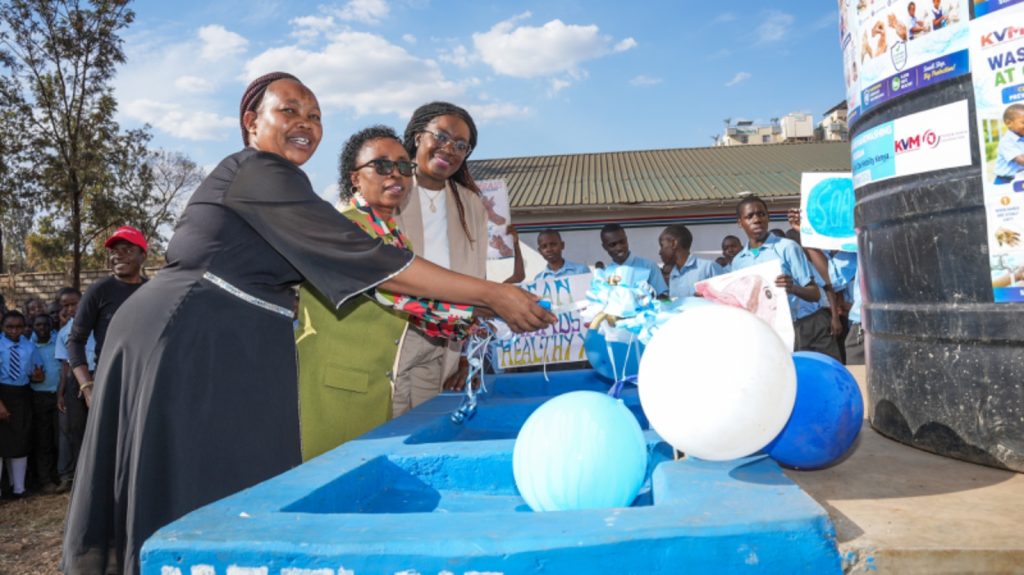
Transforming Hand Hygiene for Learners in Kiambu County’ project.The KES 1.2 million (€7,000 / ~€9,000) grant initiative,funded through the global CFAO Solidarité Corporate Social Responsibility (CSR) grant scheme, aims to improve health, pupil attendance, and learning outcomes across public primary schools in Kiambu County.
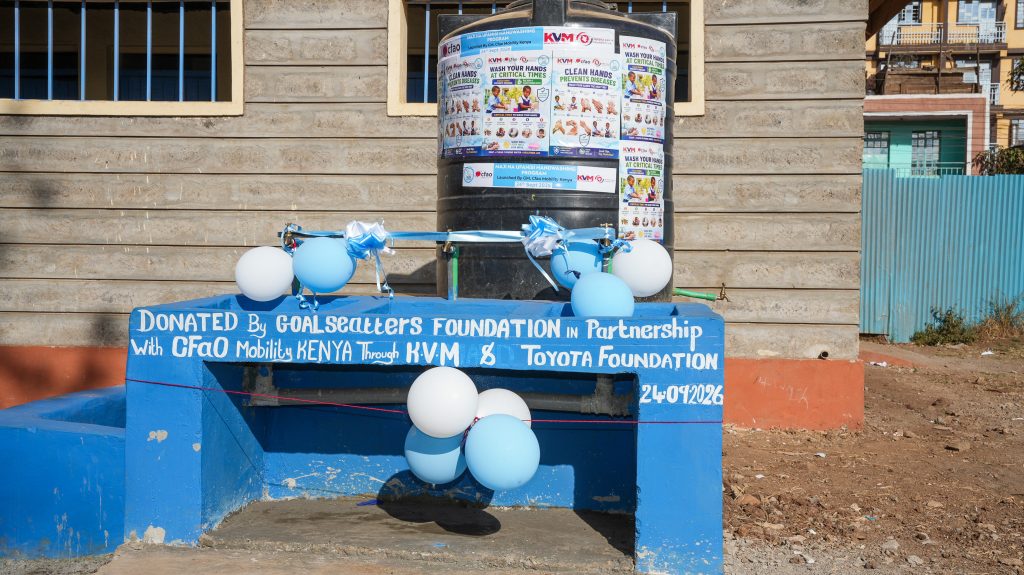
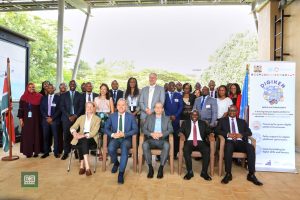
The official launch ceremony was held at Githunguri Ranching Primary & Junior School in Ruiru Sub-County,under the national theme ‘Promoting Hand Hygiene for Healthy and Dignified Learning.’
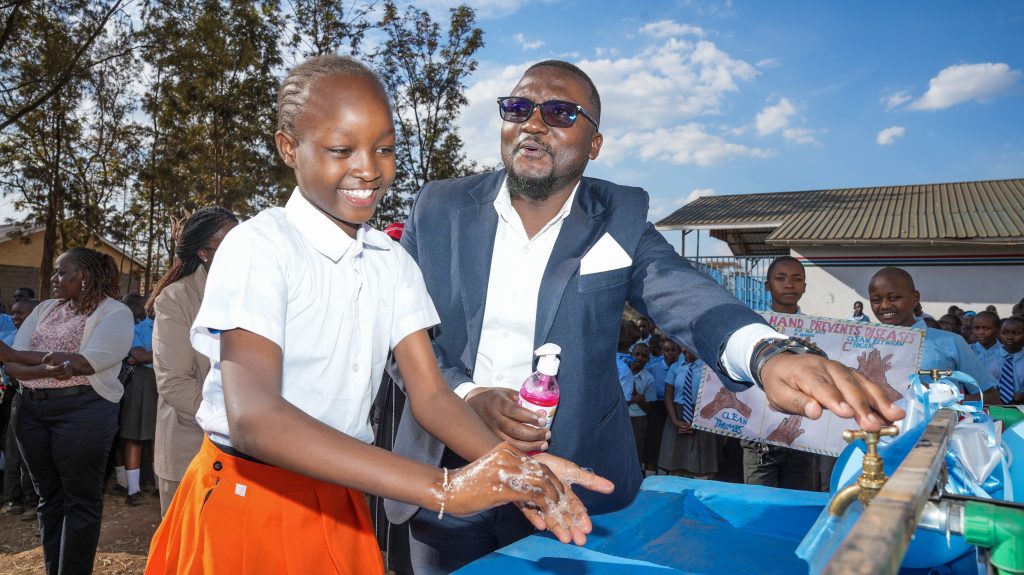
The Maji na Ufanisi project serves five public primary and comprehensive schools across Ruiru and Thika Sub-Counties, encompassing a total student population of 11,507 learners.
 Through grant funding, the programme will support the installation of functional, gender-sensitive handwashing facilities,strengthen hygiene knowledge and skills among teachers and school leaders, and promote daily hand hygiene behaviours among learners through structured School Health Clubs.
The programme will also seek to strengthen community ownership by mobilizing parents,school management and local communities to participate in the implementation and sustainability of the WASH interventions.
“Access to clean water and adequate hygiene facilities remains critical to creating healthy and supportive learning environments for children.
However,many schools and communities continue to face challenges in accessing reliable water and hygiene services, increasing the risk of hygiene-related illnesses that can contribute to absenteeism and disruption of learning,” said Arvinder Reel.

Beyond infrastructure, the programme will strengthen hygiene knowledge and skills among teachers and school leaders, enabling them to champion good hygiene practices within their schools.
According to UNICEF, as of 2020, three in ten people globally lacked access to a handwashing facility with water and soap.
The simple act of washing hands can save lives and reduce illness by helping prevent the spread of infectious diseases caused by germs transmitted through the air or through contaminated surfaces and food.
Views: 3