

 Aiden k
- CMA Warns of Higher Wheat Flour,Bread and Chapati Prices as Import Approval delays Continues;
The Cereal Millers Association (CMA), the association that represents the grain milling industry,is warning that continued delays in the release of C60 wheat import approvals could soon lead to an increase in price of wheat flour, bread,chapatis and other wheat-based foods.
 A C60 is the government control document that allows an approved miller to import a specified quantity of wheat under the Duty Remission Scheme for processing into flour for the Kenyan market.
Kenya’s wheat demand is largely met through imports, with approximately 95% of the country’s requirements sourced from international markets and only about 5% produced locally.
 Under the existing wheat import framework, millers are required to purchase the available locally produced wheat before they can be allocated import permits under the C60 wheat import approval process.
In support of this arrangement,CMA members have committed to purchasing locally produced wheat at KSh 5,100 per 90kg bag,up from KSh 4,750, ensuring that Kenyan farmers have a ready market for their produce before millers supplement domestic supply through imports.
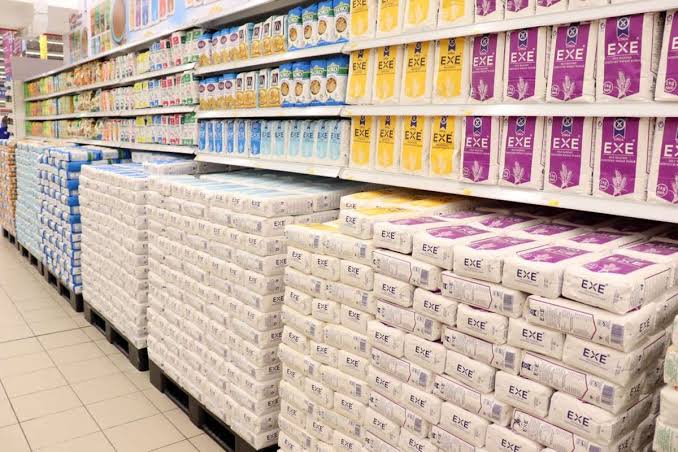 This commitment is made alongside the industry’s annual contribution of close to KSh 2 billion through the AFA levy, which supports local wheat production, and underscores the milling industry’s continued role in sustaining Kenyan wheat farmers and the Local Wheat Purchase Programme.
According to the CMA Chief Executive Officer,Paloma Fernandes,despite this commitment, outstanding C60 import approvals have not been released,leaving imported wheat consignments unable to clear in the normal manner.
 CMA had already warned that consignments arriving without the required approvals would begin accumulating avoidable costs.
“Millers have fulfilled the requirements of the Local Wheat Purchase Program and committed to purchase local wheat at KSh 5,100 per bag.
With these commitments in place, we respectfully urge that the necessary import approvals be released at the earliest opportunity.
Every additional day of delay adds demurrage,storage and financing costs which do not benefit the farmer, the miller or the consumer.
They are simply additional costs being introduced into the food supply chain,” said CMA CEO Paloma Fernandes.

The timing of these delays comes at a time the international wheat market is already under renewed pressure.
The FAO reported that global wheat prices rose 5.8% in July and were 9.9% higher than a year earlier, driven in part by disruptions to Black Sea exports and damage to export infrastructure.
The security situation around the Black Sea and Sea of Azov has also deteriorated sharply.Recent attacks on ports, vessels and export infrastructure in both Russia and Ukraine have disrupted grain movements,increased shipping and insurance risks and forced exporters to consider alternative routes.

Kenya is particularly vulnerable because the country relies on 95% imported wheat to meet the majority of its requirements.
CMA has previously highlighted to Government the potential implications of disruptions to international shipping, including delays to contracted cargoes,higher freight and insurance costs,increased competition for alternative wheat origins and ultimately higher landed wheat costs.
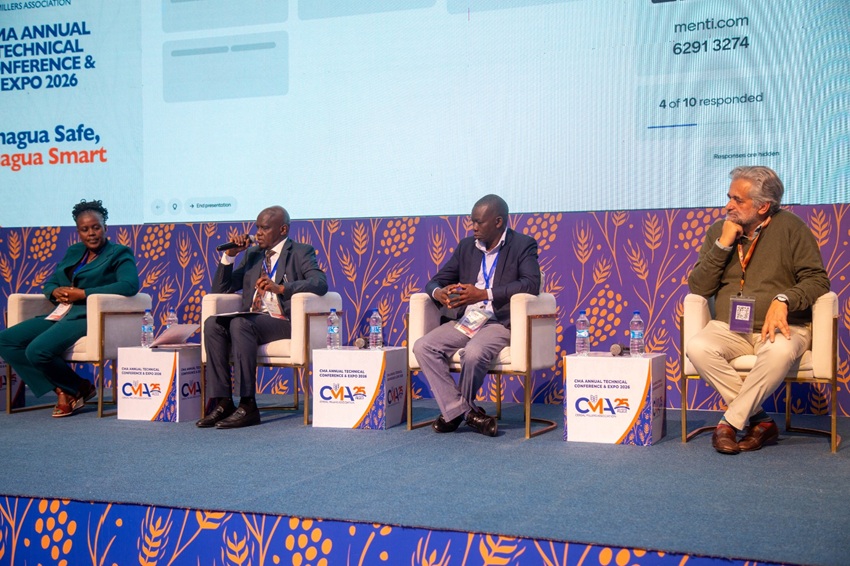 “At a time when the global wheat supply chain is once again under pressure,Kenya cannot afford to create an additional bottleneck at home.
We should be doing everything possible to secure supplies and keep the cost of food stable, not adding costs through administrative delays,” Fernandes added.
CMA stressed that supporting local wheat farmers and ensuring adequate imports are not competing objectives.Kenya requires both.
CMA is therefore calling on AFA and the relevant Government agencies to release all outstanding C60 approvals, prioritise wheat consignments already at the port,and ensure that local wheat price negotiations and administrative processes do not in future delay import planning and vessel clearance.
Views: 17