 Media OutReach Newswire
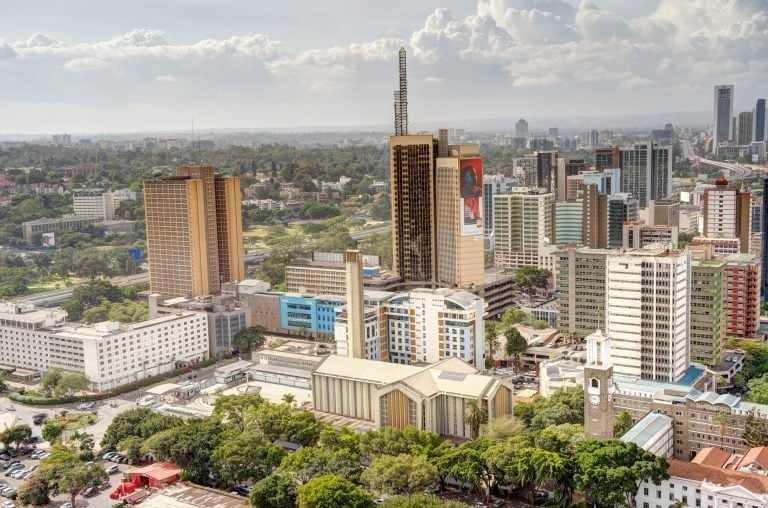
Business leaders, public officials and civil society representatives have identified institutional credibility, reliable information and accountability as essential foundations for investment and economic growth, as the Global Trust Summit continues in Nairobi.
Participants at the three-day meeting, running from October 21 to 23, said trust influences whether investors commit capital, entrepreneurs enter markets, citizens cooperate with public institutions and businesses have confidence that rules will be applied consistently.
The discussions form part of the summit, themed “Weaving Trust: Binding Strands for a Stronger Global Order,” which is examining how confidence can be restored across government, business and international institutions.
NBA Africa Chief Executive Clare Akamanzi said institutions needed to demonstrate that their public commitments could be trusted.
“Announcements are not enough. Do the public believe you will deliver on the promises made to them,” she said.
Her remarks reflected a wider concern that declarations of intent have limited value unless supported by evidence of progress and delivery.
Venture capitalist and startup builder Sean Karanja also linked trust to the quality of relationships between investors and entrepreneurs.
“I want to deploy truthful capital to truthful entrepreneurs,” he said.
The emphasis on credibility comes as the summit examines the wider institutional conditions that shape economic activity, including effective regulation, access to information, accountability and public participation.
Kenya’s Principal Secretary for Foreign Affairs, Dr Abraham Korir Sing’Oei, said restoring trust was an urgent task amid inequality, geopolitical tensions and declining confidence in institutions.
“This is not a summit of convenience. It’s a summit of necessity,” he said.
The meeting has highlighted how weaknesses in accountability can affect public confidence. Auditor-General Nancy Gathungu said credible information must be followed by action, while Dr Priscilla, Director of the Communications Authority of Kenya, said unresolved complaints risk undermining the relationship between institutions and the people they serve.
“Trust does not stop with complaints. It stops when the complaint has been resolved,” she said.
Kenya Bureau of Standards Chief Executive Esther Ngari said the public often takes reliable standards for granted until a failure exposes weaknesses in the systems responsible for protecting consumers and ensuring quality.
“When standards work, no one recognizes, but when they fail, that is when questions arise,” she said.
Participants also examined the relationship between trust and democratic governance. Speakers at the Democracy Baraza argued that meaningful public participation can improve accountability by giving citizens an opportunity to influence policies, budgets and public services.
Mzalendo Trust Executive Director Caroline Gaita said consultations must include feedback on how public contributions affect decisions.
“Participation without a feedback loop is not engagement; it’s attendance,” she said.
The economic dimension of trust extends beyond domestic markets. The summit is examining Africa’s role in global governance, including its representation in multilateral institutions and its influence over decisions on development finance, debt, climate action and international security.
Regional arrangements such as the East African Community and the African Continental Free Trade Area also feature in discussions on how cooperation can expand markets, improve economic opportunities and strengthen the continent’s collective position.
Organisers are working towards a proposed Nairobi Call to Action on Global Trust, which is intended to translate the discussions into commitments that institutions can monitor after the summit.
Awel Uwihanganye, Chief Executive of The Trust Summit, called on young Africans to take an active role in shaping the continent’s future and strengthen confidence in its public institutions.
Senate Speaker Amason Jeffah Kingi defined trust as “a belief that my legitimate expectations will be met within a reasonable time.”
As the summit concludes on October 23, the challenge for governments, regulators and businesses will be to demonstrate that commitments made in Nairobi can produce measurable improvements in institutional performance, investor confidence, public services and economic opportunity.
Views: 25