 Paul Arithi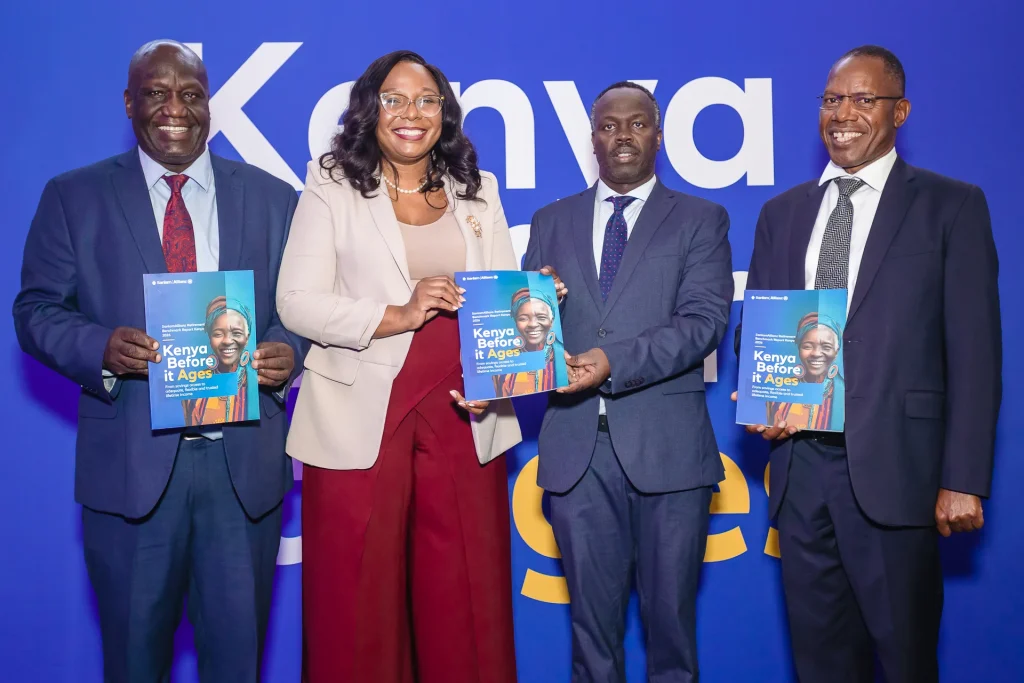
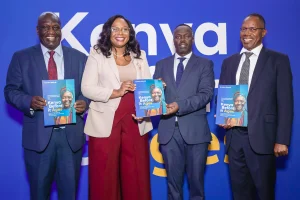
SanlamAllianz-Kenya-Retirement-Benchmark
- Building a business is not enough, Kenyan entrepreneurs must also plan for retirement
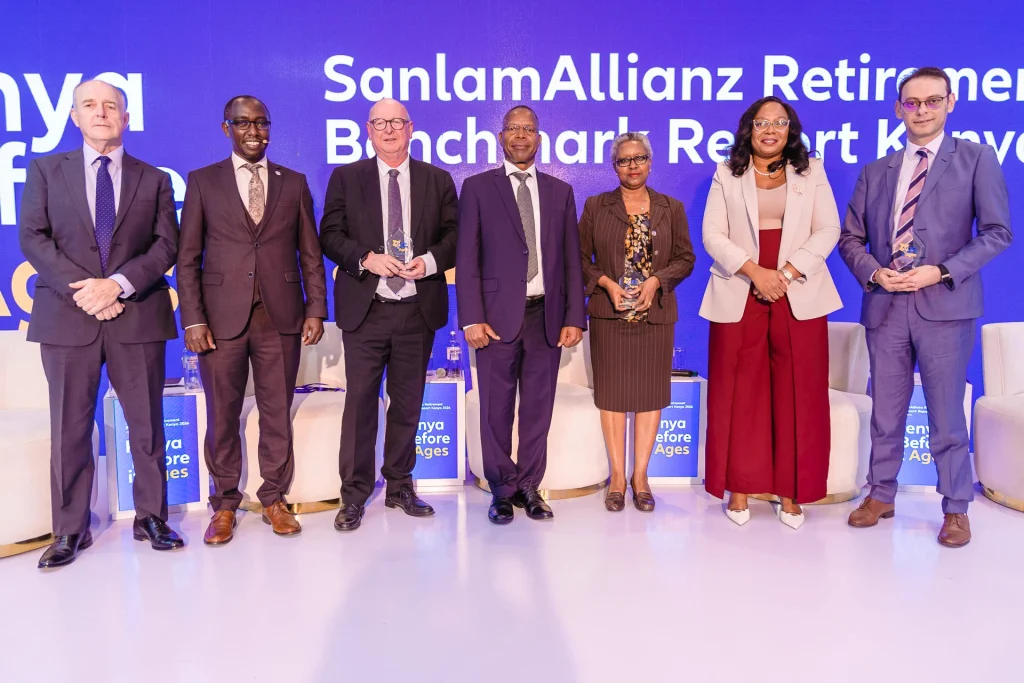
- With the informal sector accounting for 87.2% of new jobs created in 2025, the SanlamAllianz Retirement Benchmark Kenya 2026 points to the need for flexible ways for MSMEs and self-employed workers to build financial security beyond their productive years.
For many Kenyan entrepreneurs, success is measured by the business they have built, the employees they support, the stock they can replenish and the customers who keep coming back.
 Money earned today is often reinvested in the hope of growing tomorrow’s sales.Yet one financial question can easily be pushed aside in the process: what happens when the business owner can no longer work?
For owners of micro, small and medium-sized enterprises (MSMEs), planning for retirement is rarely as straightforward as contributing a fixed amount from a monthly salary.

Seven in ten respondents said they were not on track for a comfortable retirement, while household expenses, irregular income and family responsibilities emerged as major barriers to saving.


The challenge, therefore, is not simply to encourage more people to save. It is to find ways of making retirement planning work for people whose earnings do not always follow the traditional monthly payslip.


When sales are strong, an entrepreneur may choose to purchase additional stock, acquire equipment or expand operations.
When business slows, personal savings may be used to keep the enterprise afloat. Retirement contributions can consequently become irregular, even where the intention to save remains.
Family obligations add another layer of pressure.The report found that 62 per cent of respondents said supporting dependants reduced their ability to save for retirement somewhat or a lot.

For entrepreneurs, the distinction between business capital and household income can become blurred.Money withdrawn from a business to meet a family emergency may reduce the funds available for expansion, while money reinvested in the enterprise may leave little for personal financial planning.
These findings suggest that retirement saving must be considered alongside the wider financial demands facing small businesses.
Entrepreneurs need to plan for the needs of their enterprises and households without assuming that business ownership alone will guarantee financial security later in life.
 The retirement savings dilemma
The tension between immediate needs and future security becomes clearer when people gain access to retirement savings.
According to the report, 53 per cent of respondents who left a job or closed a business with retirement savings available withdrew at least part of the money they could access. Among those who withdrew their savings, 33 per cent used the funds to start or support a business or farm.
The figures illustrate a difficult financial decision.For someone seeking to establish a business, expand an existing enterprise or recover from a difficult period, retirement savings can appear to offer capital when other financing options are limited or difficult to obtain.

Retirement savings withdrawn for business purposes may also lose the opportunity to remain invested over the longer term.
The report found that 53 per cent of respondents who withdrew retirement savings later regretted the decision.This does not mean every withdrawal was avoidable or that business investment is necessarily a poor choice.

For MSME owners,the lesson is to distinguish between capital needed to operate and grow a business and money intended to provide income after working life.
Where possible, business expansion should be assessed against its risks, expected returns and alternative sources of financing before retirement funds are used.
A business may form part of an entrepreneur’s long-term financial plan, but its value on paper is not the same as a reliable income stream.
A company, farm, shop or workshop may require continued involvement from its owner, and selling it later may not be straightforward.
Flexible saving for irregular incomes
If irregular income is one of the barriers to retirement planning, contribution methods must reflect how people earn.
The report found that 33 per cent of working-age respondents would prefer to contribute small amounts whenever money was available.
Among respondents in the informal-worker module, 51 per cent selected mobile money as their preferred method of making retirement contributions.

Saving arrangements that accommodate variable contributions and familiar payment channels may be better suited to people who cannot commit to the same amount every month.

The amount available will differ from one business to another, but a deliberate approach can help make long-term saving part of ordinary financial management.
The report’s findings do not establish that every MSME owner prefers flexible contributions or mobile money.They do, however,show that a notable share of the respondents surveyed expressed interest in options that accommodate changing income patterns.
 Flexibility should also be accompanied by consistency where possible.Contributions made when money is available still need to be treated as part of a long-term plan, rather than funds that can routinely be redirected to non-urgent expenses.
For small businesses, this approach can sit alongside basic financial practices such as separating personal and business accounts, monitoring cash flow,planning for seasonal changes in sales and maintaining reserves for emergencies.
These measures will not eliminate financial shocks, but they can make it easier to identify money that can be committed to future needs.
The report also points to a gap between saving for retirement and understanding what that saving is expected to provide.
Only 29 per cent of respondents knew approximately how much monthly income they would need in retirement.
For entrepreneurs, this question deserves attention well before they consider stepping away from their businesses.The value of an enterprise does not automatically translate into money available for everyday living.

It also requires consideration of what happens if illness, disability or other circumstances prevent the owner from working as planned.
A small-business owner who expects to sell the enterprise, transfer it to family members or live off its profits needs to consider how realistic those options are.

The broader message is that building a successful enterprise and preparing for retirement should not be treated as competing ambitions.
Business growth can support long-term financial security, but it is more likely to do so when the owner has a clear plan for converting today’s earnings and assets into future income.
Bringing retirement planning closer to MSMEs
If the informal sector continues to account for a large share of job creation, retirement solutions will need to reach people who earn through businesses, self-employment and multiple income sources.
The report’s findings on irregular earnings,flexible contributions and mobile money preferences provide evidence for why this matters.
 They also suggest that retirement planning needs to reflect the financial realities of people who cannot always set aside a fixed amount at the same time each month.
For MSMEs, the starting point is to recognise that business capital and retirement resources serve different purposes.
Entrepreneurs can continue investing in their enterprises while developing a separate plan for their future financial needs, even if contributions begin modestly and vary with cash flow.

It is also whether those years of effort help provide financial security when the owner chooses to slow down or can no longer work.
Views: 10