
 BQ Correspondent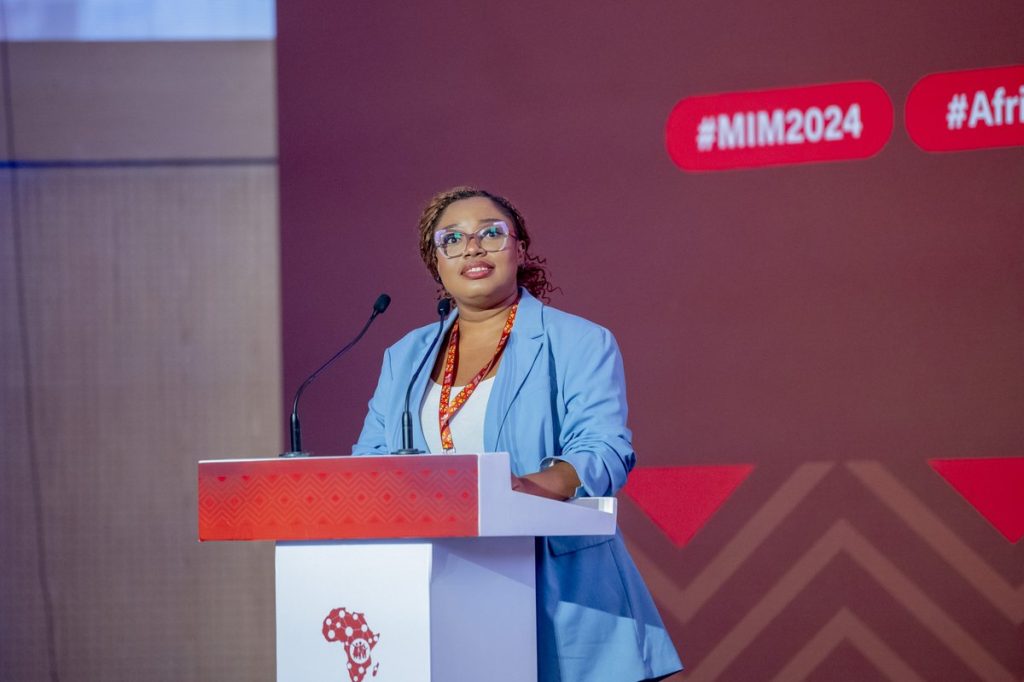
Dr.Dearie Okwu,Leader of Parasitic Worms Programme at Drugs for Neglected Diseases initiative (DNDi),
- African Scientists Urge more Inclusive Research to Improve Medicine Safety;
- By Edith Mutisya-Nairobi,Kenya
African scientists and researchers have called for bigger inclusion of women in scientific research and clinical trials, saying it is essential to developing safer and more effective medicines.
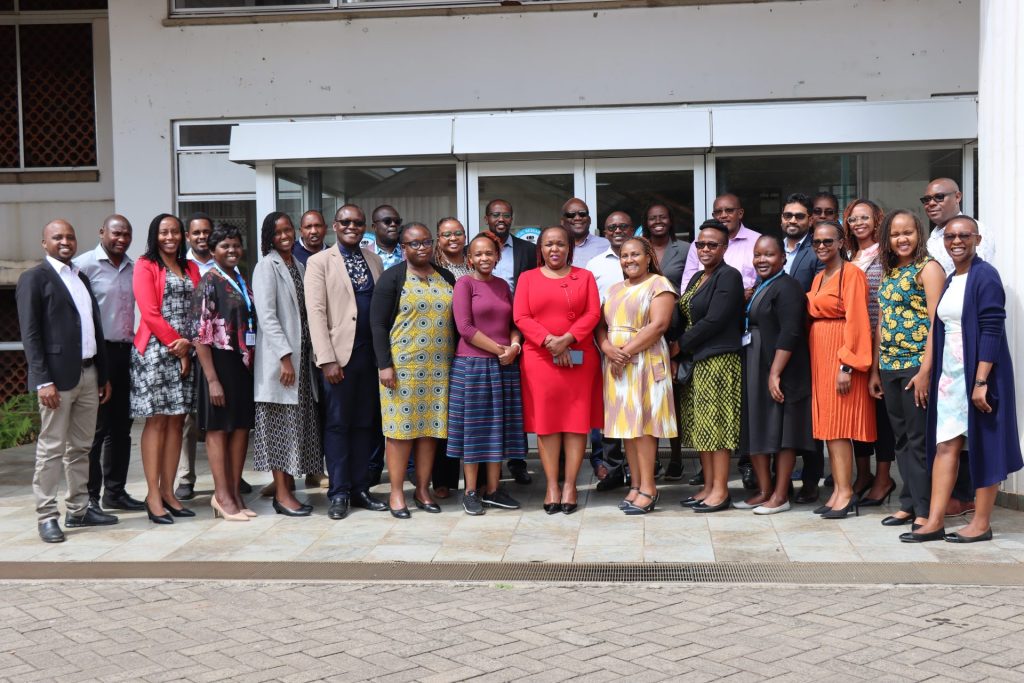
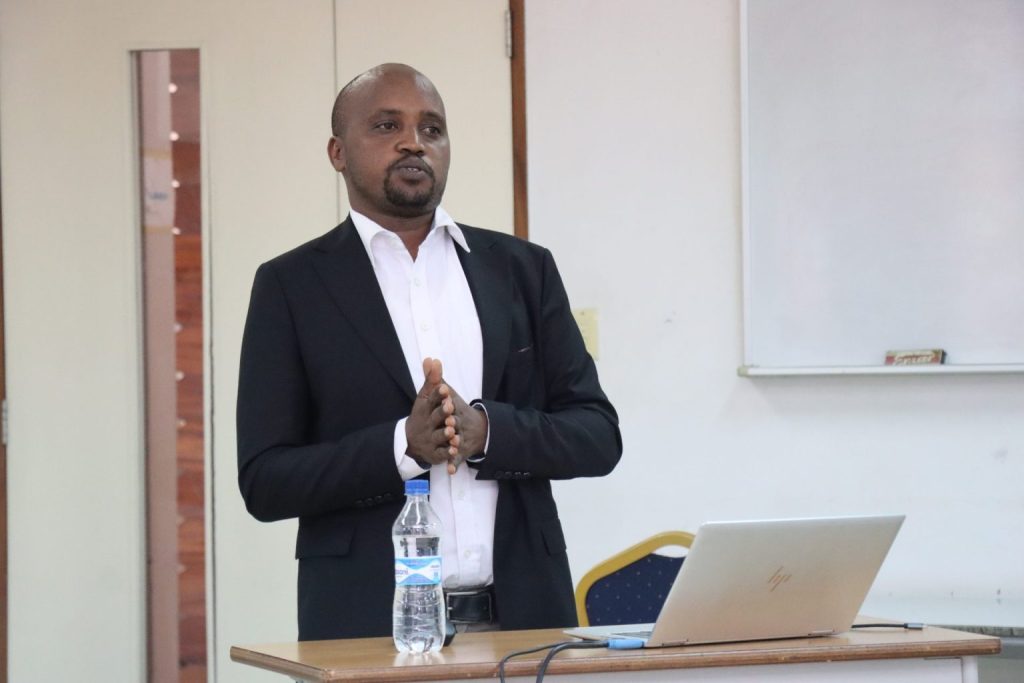
 Dr Moses Alobo,Head of Programmes at the Science for Africa Foundation,said gender-responsive research should begin at the earliest stages of scientific and drug development.
“We are losing not just the talent pool of female scientists, but also their insights into many systems and how we develop medicines,” Alobo said.
 He said some medicines have historically been developed using predominantly male data, creating challenges when the findings are applied to women.
“There are certain nuances that if we are not absolutely aware of, we lose a lot, to the extent that we potentially can develop medicines that eventually will have to be pulled out of the market because they will be determined to be potentially toxic to females,” he said.
 More women needed in science leadership
He also called for greater investment in women scientists, saying more women should occupy leadership positions, serve as principal investigators and lead research ventures.
“Development of protocols needs to have a female eye, to the extent that issues that are inherently female can be taken care of,” he said.
 According to Alobo, retaining women in science also requires institutions and funders to recognize the realities of caregiving and family responsibilities.
He said women scientists may take time away from research because of pregnancy and childcare, yet conventional research funding systems often operate around rigid project timelines.
Alobo urged research funders to take caregiving responsibilities into account when assessing researchers’ performance and funding applications.
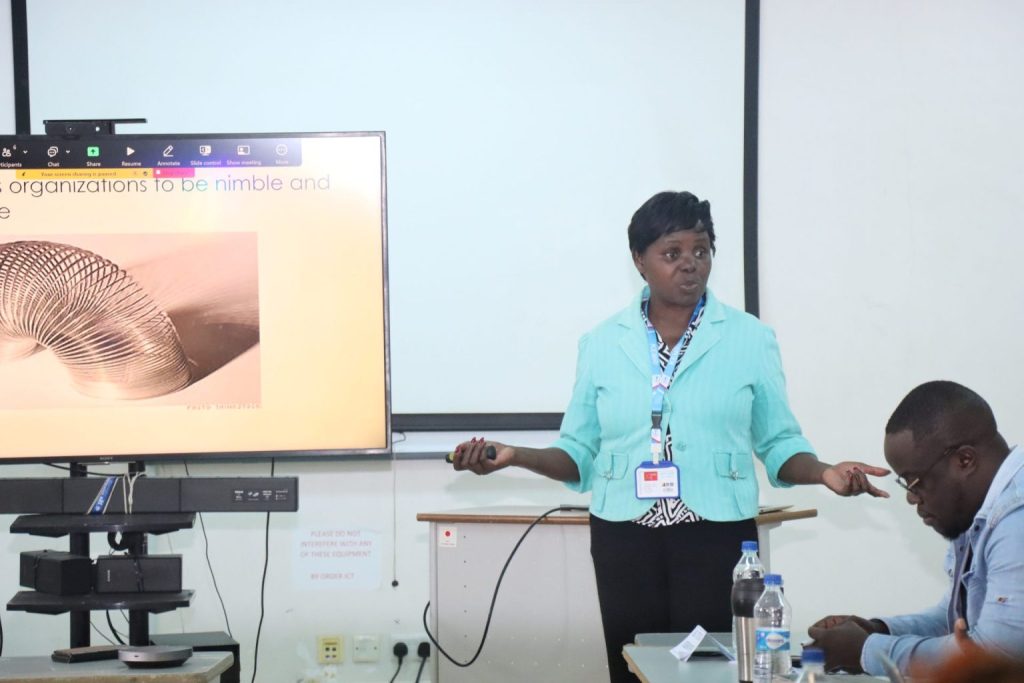 African research institutions, he said, should also provide supportive working environments,including lactation facilities and policies that enable women to balance scientific careers with family responsibilities.
Alobo further emphasized the importance of encouraging girls to pursue science from an early age through mentorship and practical support.
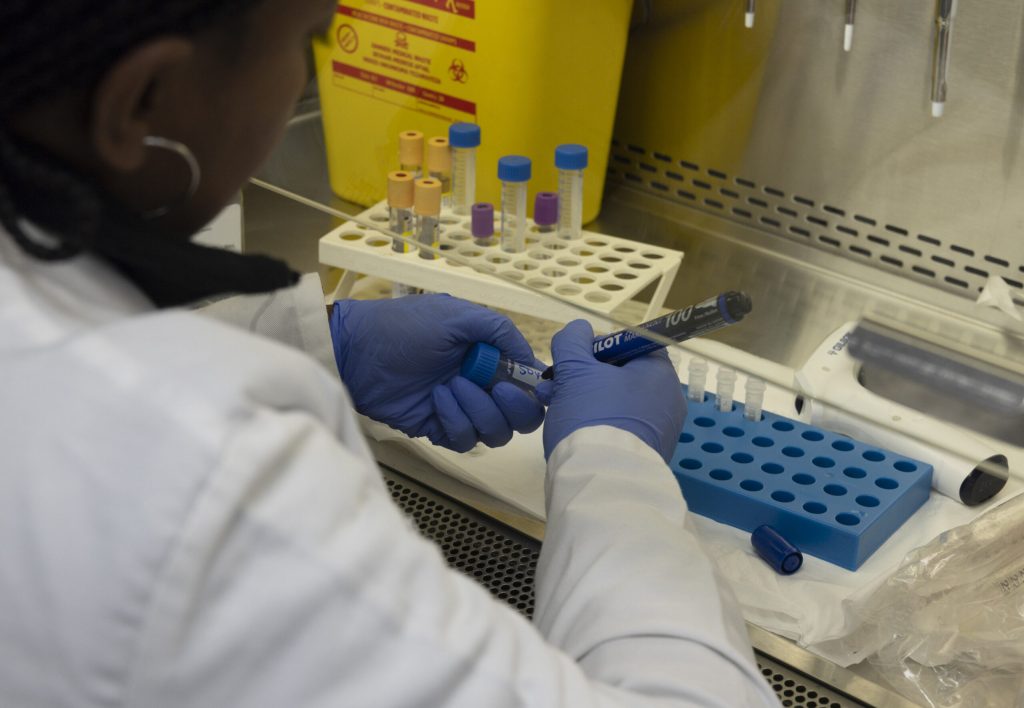 Research must reflect women’s realities
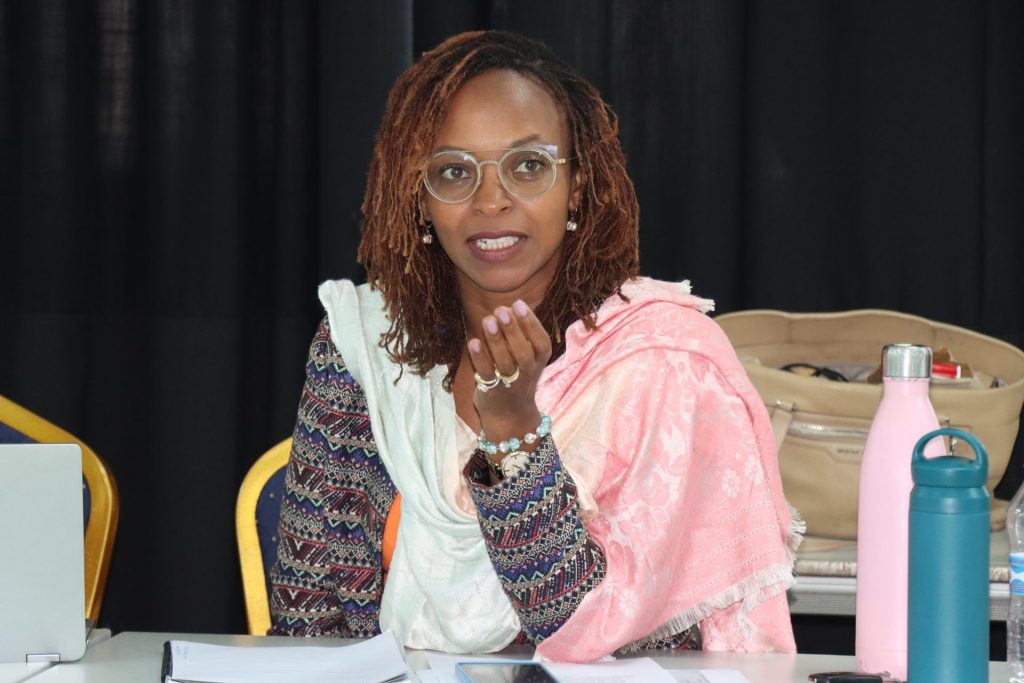
Dr Christabel Khaemba,Deputy Director of Product Safety at Kenya’s Pharmacy and Poisons Board, said gender-responsive research should begin with a fundamental question: who is the medicine intended for?
She said researchers should carefully consider whether the study population adequately represents the people who will ultimately use the medicine.

“It’s not just about the numbers,” Khaemba said, noting that having an equal or substantial number of women in a study does not automatically make the research gender-responsive.
Researchers must determine whether the women included in a study generate data that can support meaningful interpretation and whether the findings can be applied to the wider population, she said.
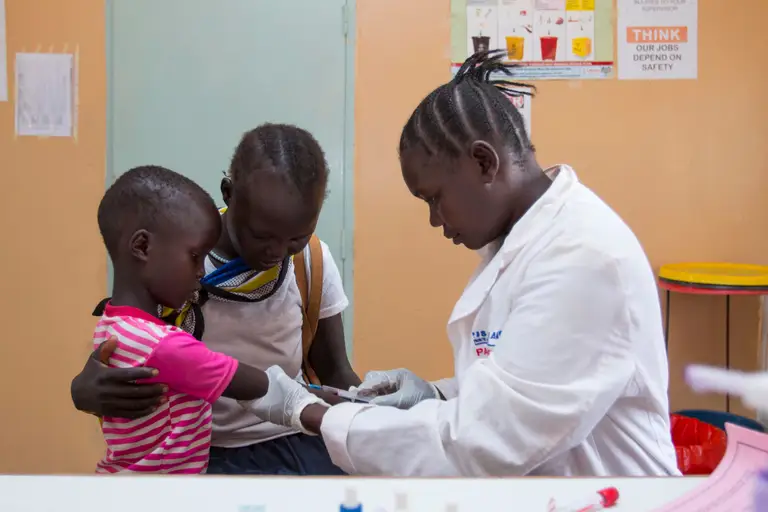 Cultural realities can affect participation
Khaemba said study designers also need to consider practical and cultural factors that can affect women’s participation.
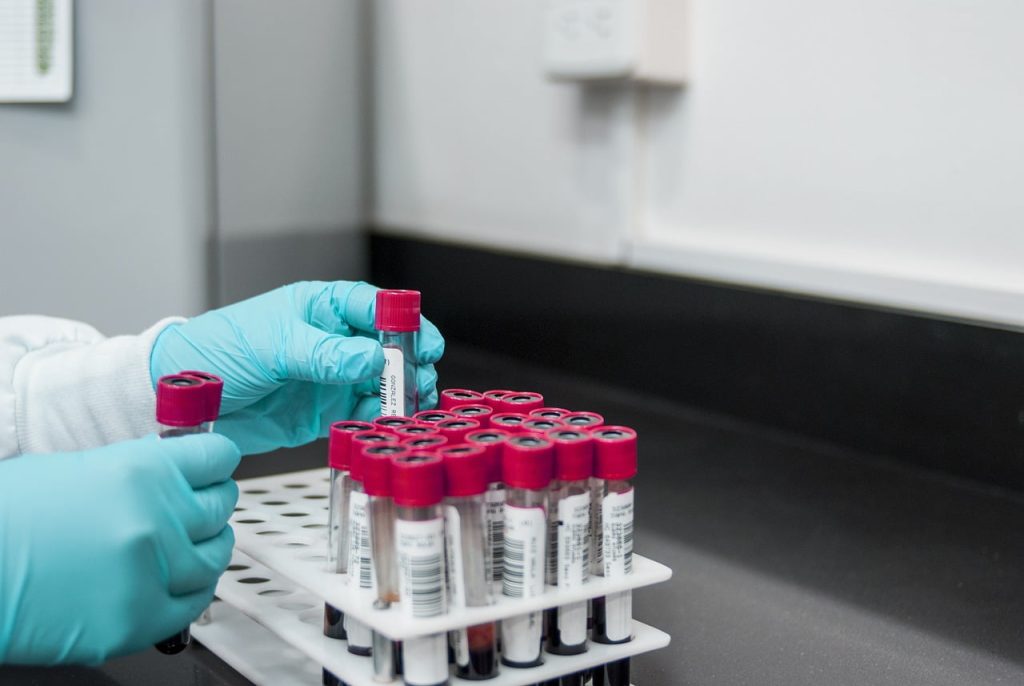
She cited her research on lymphatic filariasis in Kenya’s coastal region,where blood samples needed to be collected at midnight because of the behavior of the parasite.
Such research can present challenges when researchers have to visit women’s homes at night, particularly in communities where cultural expectations govern interactions between men and women.

In some communities, she said, women may also face restrictions on their ability to independently consent to research participation.
Khaemba said researchers therefore need to develop appropriate strategies for enrolling and retaining women throughout a study while taking into account factors such as pregnancy, breastfeeding and family responsibilities.
 Lessons from thalidomide
She pointed to the experience of thalidomide as an example of why the composition of research populations matters.
The drug was used to treat nausea and vomiting associated with pregnancy in late 1950s and early 1960s before it was linked to severe birth defects.
 “So, if the data that had been collected had probably also included women, it would have given us a light-bulb moment that, yes, if we are now going forward to use this drug, what should clinicians look out for so that such things are not repeated?” Khaemba said.
Women continue to face barriers in science
Dr. Dearie Okwu,Leader of Parasitic Worms Programme at Drugs for Neglected Diseases initiative (DNDi), said women continue to face structural and cultural barriers that limit their participation and advancement in science.
She said opportunities are not always distributed equally and that women are sometimes disadvantaged by workplace cultures and expectations around their family responsibilities.
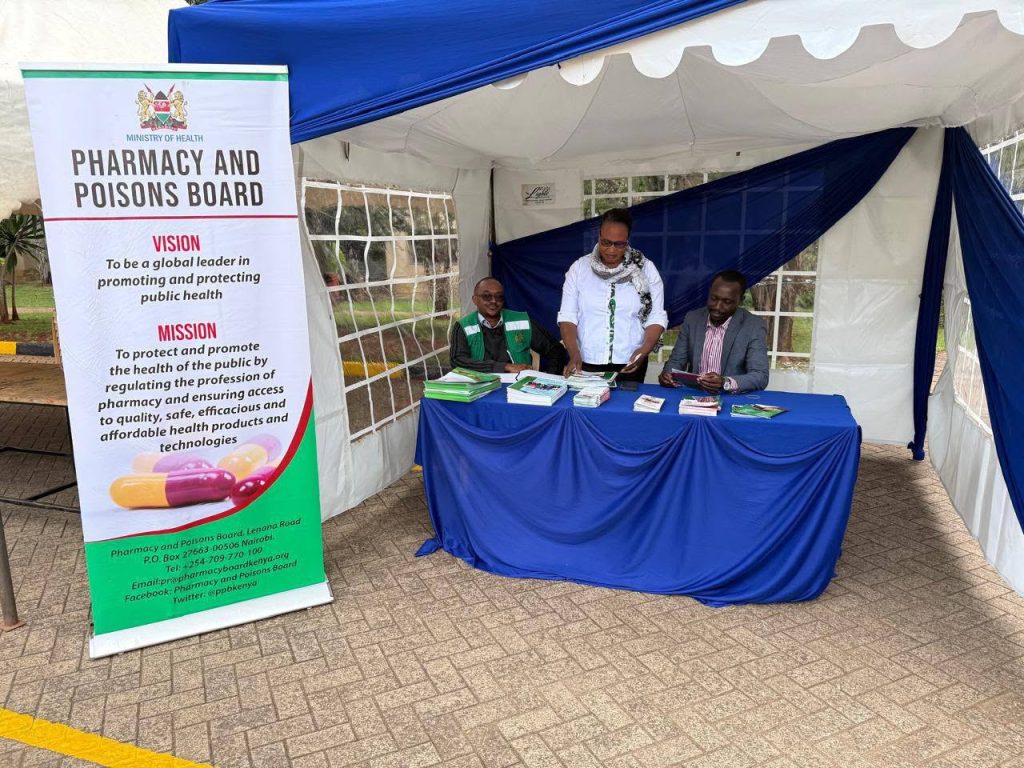 “Women should not be punished for being women. They should not be punished for doing things that are expected biologically by a woman,” Okwu said.
Okwu also cited UNESCO data covering the period from 2018 to 2021, which she said showed that women accounted for about 33.7 percent of health researchers globally.
She said the representation of women is particularly weak at senior leadership levels, despite women forming a substantial proportion of the health workforce.
 The challenge, she said, is particularly significant in Africa, where patriarchal social structures can reinforce expectations that women should prioritize household and caregiving responsibilities over professional careers.
Pregnant and breastfeeding women remain underrepresented
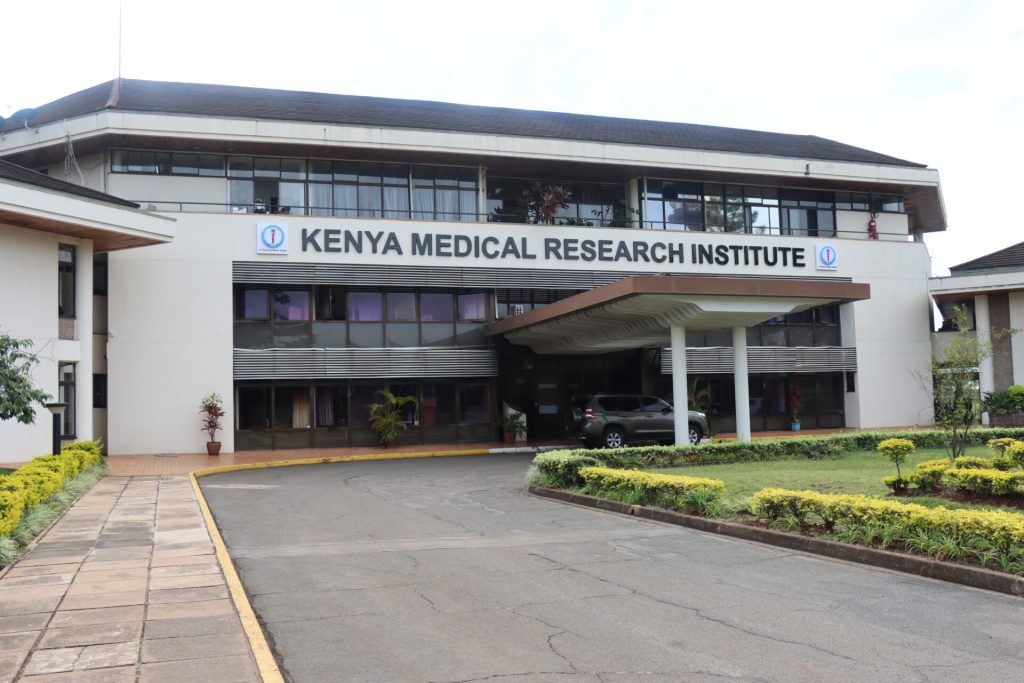
Dr Caroline Kithinji,Head of Training at the Scientific and Ethics Review Unit of the Kenya Medical Research Institute(KEMRI), said concerns over the potential effects of research drugs on women and their children has historically contributed to women’s exclusion from clinical research.
She said this approach has gradually changed, with women now making up a substantial proportion of participants in clinical trials.
Kithinji said data available to her showed that about 77 clinical trials in which women made up approximately half of participants.
However, she said representation alone was not enough because certain groups of women remained largely excluded.
“The only problem with that is which women,” Kithinji said, noting that pregnant and breastfeeding women, as well as women with disabilities,continue to be underrepresented.

She said the challenge was therefore to ensure that clinical research reflects the diversity of women’s experiences and physiological conditions.
She said that when enrolling women to participate in a study,researchers should look beyond the age bracket and understand the realities of the people they are recruiting.
They should consider factors such as whether participants have disabilities, own a phone, have access to food, how far they have to travel to the clinic and who is looking after their children,among other circumstances that could affect their participation in the study.
 Technology could support more inclusive research
Alobo said technology could help researchers address some of the challenges associated with conducting more complex and inclusive clinical studies.
He pointed to computational biology,data science and artificial intelligence as tools that could be used to model female physiology and predict how medicines might interact with women’s bodies.
Such approaches, he said,could complement clinical studies while potentially reducing the cost and complexity of research.
Africa’s genetic diversity offers research opportunities
Alobo said Africa’s genetic diversity also made the continent an important location for clinical research and drug development.

Views: 7