 Business Desk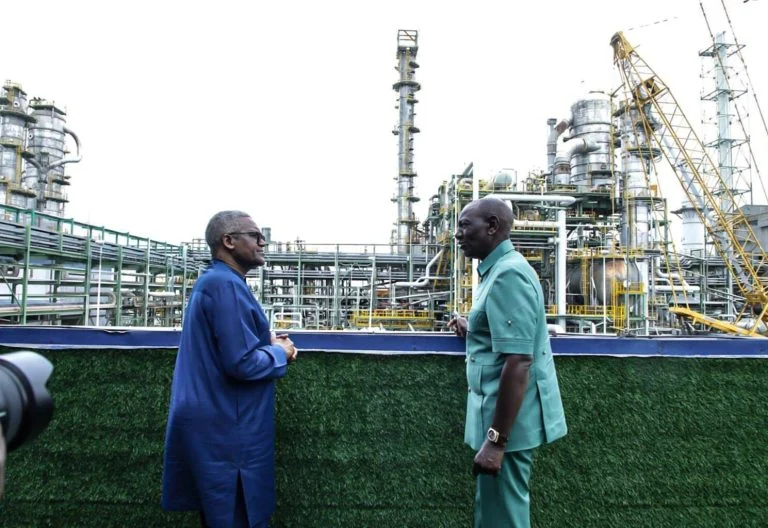
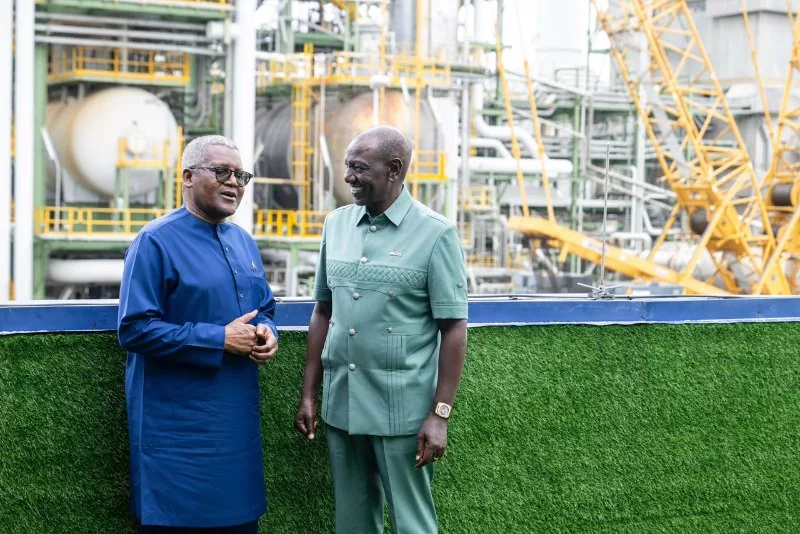
From Left Aliko Dangote and Kenyan President William Ruto
|
|
|
Each year, the African Energy Industry’s “African Energy Person of the Year” award celebrates individuals who have positively influenced Africa’s energy sector by facilitating projects that strengthen energy security,African development,energy additions, free markets,limited government, economic resilience, the prosperity of families,local content and improve African energy infrastructure.
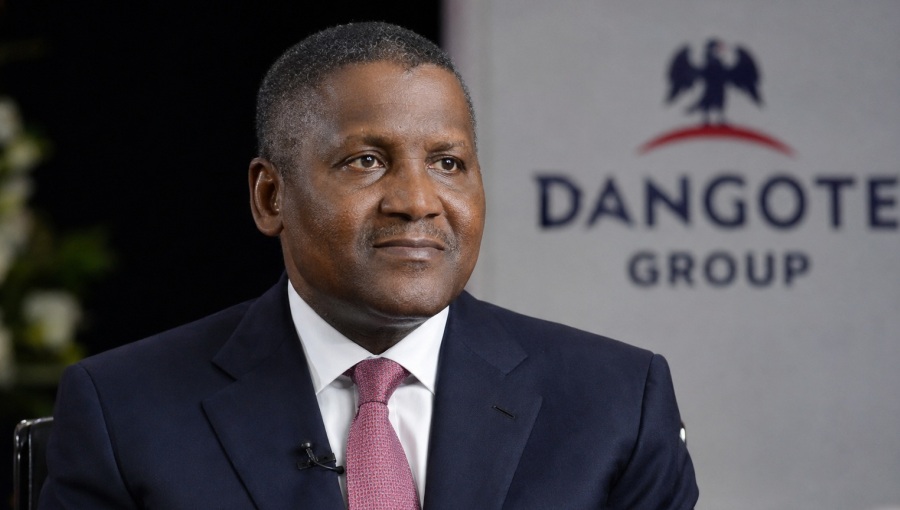
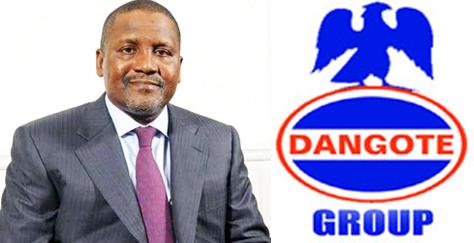
 This is a fitting honor for the Nigerian businessman and industrialist who has invested billions in Africa to strengthen energy security, build infrastructure, create jobs, reduce import dependence, support regional development, and promote African-led solutions to energy poverty. This is a fitting honor for the Nigerian businessman and industrialist who has invested billions in Africa to strengthen energy security, build infrastructure, create jobs, reduce import dependence, support regional development, and promote African-led solutions to energy poverty.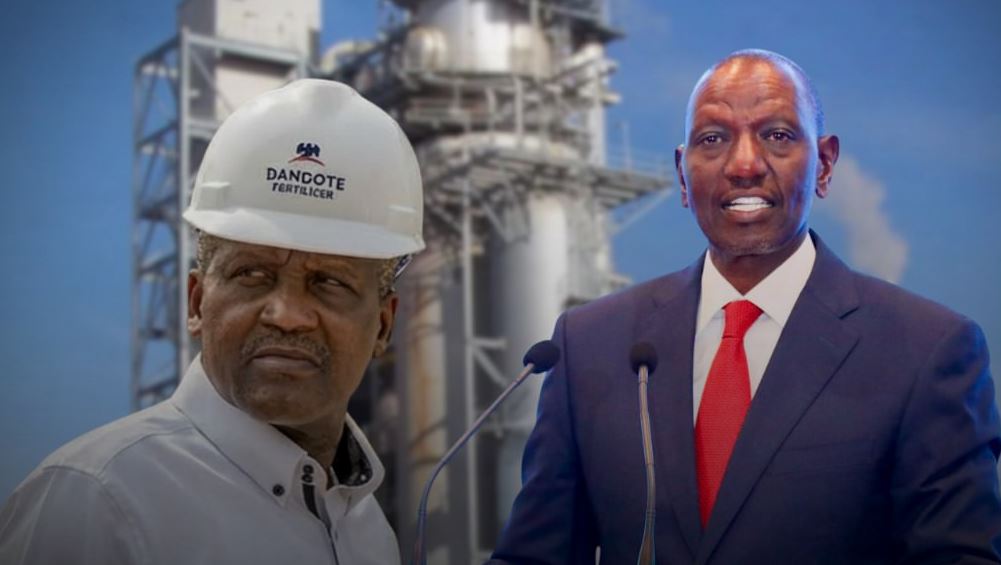 A Career Devoted to African Growth
After his studies in business at Al-Azhar University in Cairo, Dangote ventured into a wide variety of industries, with enterprises in cement, sugar, salt, flour, and fertilizer. From a small trading business, he has built one of Africa’s largest conglomerates: Dangote Group, a multinational industrial powerhouse that develops African technical expertise, enhances domestic supply chains, and boosts industrial capacity — all resulting in greater opportunities for economic diversification.
He adopted a long-term mission to help solve this dilemma by building manufacturing capacity, logistics systems, energy infrastructure, raw material processing, and transportation networks that will move more production and value creation inside Africa.
What makes the organization unique is not just its size, but its strategy:Instead of focusing on trading or resource extraction,Dangote has invested heavily in the physical infrastructure needed for industrialization across Africa. But it’s when he turned his sights to hydrocarbons that Aliko Dangote’s story really comes alive.
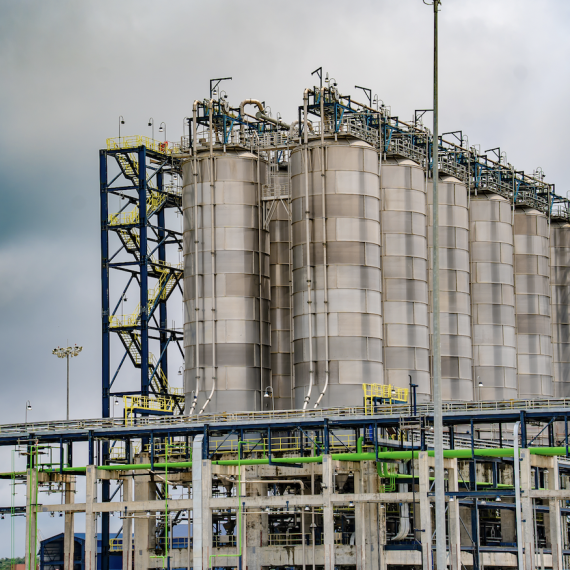
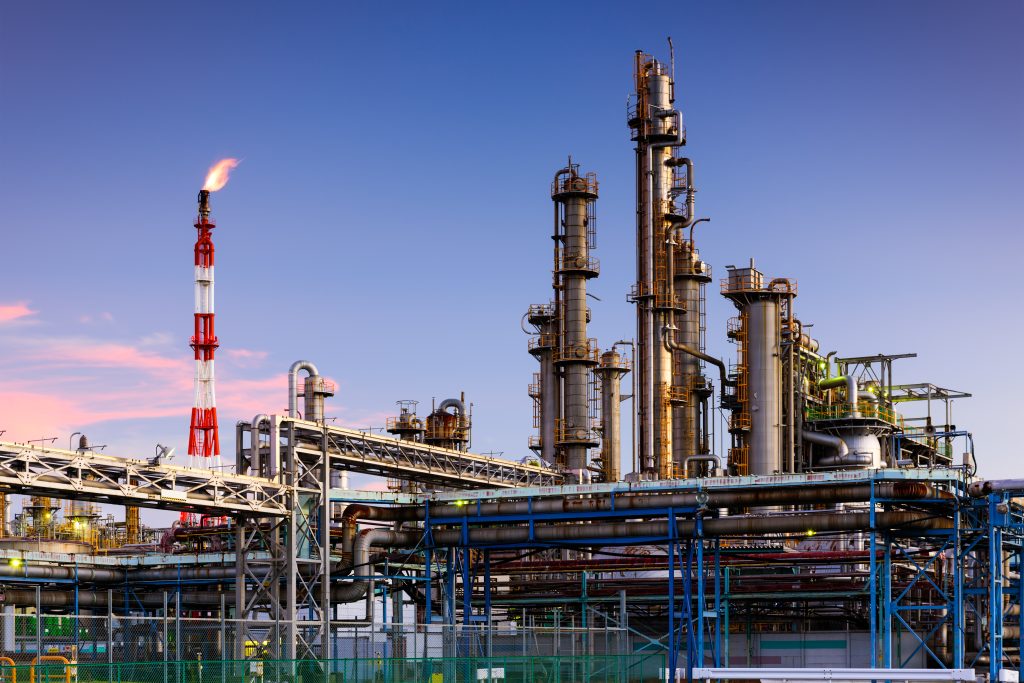
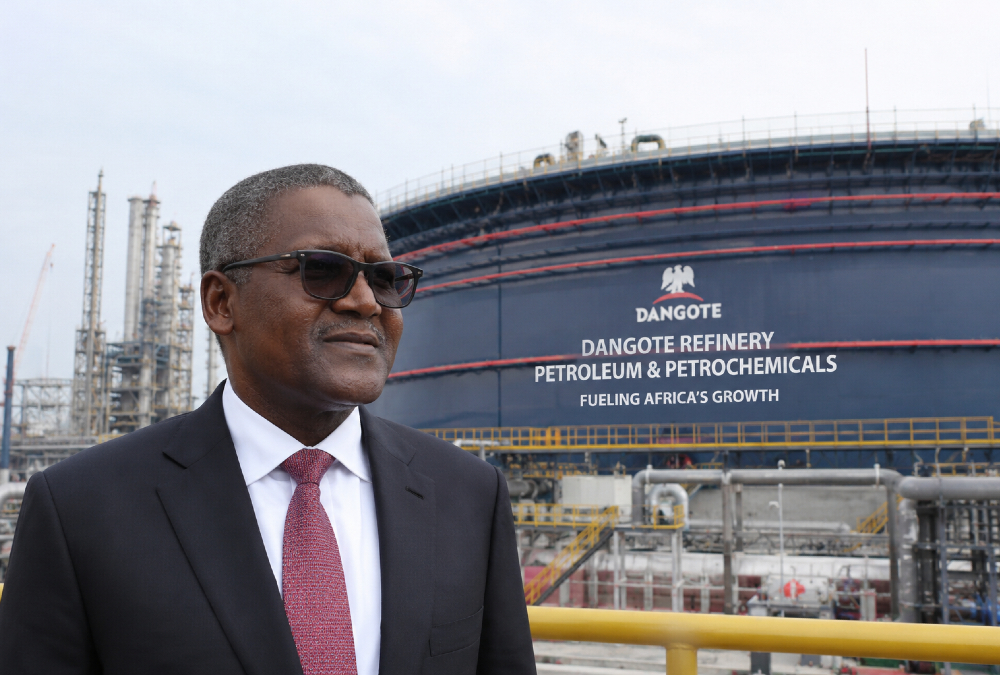
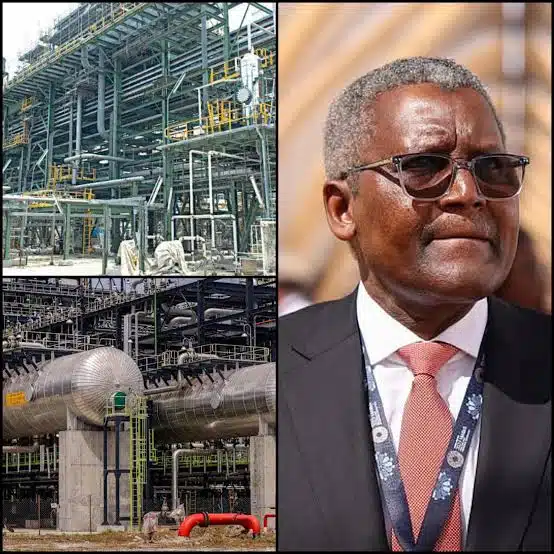
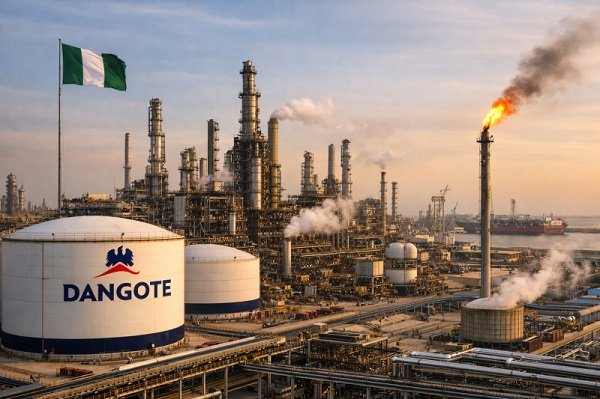
In recent years,Dangote has gained global attention for the Dangote Petroleum Refinery in Lekki near Lagos,Nigeria.The world’s largest single-train refinery, the facility has increased its processing capacity from its original 650,000 barrels per day (bpd) to approximately 700,000 bpd. Integrated with petrochemical, storage, marine and logistics infrastructure, the refinery produces gasoline, diesel, aviation fuel and other petroleum products for Nigerian and international markets.
For years, Nigeria’s dependence on imported refined products exposed the country to fuel shortages,subsidy costs and foreign exchange pressures. Nigeria’s seaborne petroleum product imports fell from nearly 400,000 bpd in 2023 to less than 130,000 bpd in the second quarter of 2026, while exports to Europe reached approximately 130,000 bpd during the quarter. The refinery also represents something even bigger for Africa: proof that the continent can build and operate world-scale industrial infrastructure.
Its fuels now reach markets across Africa and beyond, strengthening Nigeria’s position in international petroleum trade and demonstrating the strategic value of African refining capacity during periods of global supply disruption.
Dangote faced financing challenges, infrastructure bottlenecks, technical complexity, political uncertainty and currency volatility. Despite these hurdles, his determination to develop the project ultimately brought one of Africa’s largest-ever industrial investments into operation. Today, the refinery stands as a symbol of African industrial ambition and confidence. And its next chapter could be even more consequential.  The offer comprises 4.1 billion ordinary shares at ₦525 each and aims to raise approximately ₦2.15 trillion – around $1.6 billion – while opening ownership of the refinery to public investors. The offer opened on September 14 and is scheduled to close on October 13, with shares expected to begin trading on the Nigerian Exchange later in the year.
Basic engineering for the expansion has been completed, almost all detailed engineering work is finished, most equipment has been ordered and major construction contracts are being awarded.
Dangote has also indicated that, following the expansion, the company intends to pursue an international secondary listing, potentially in the United States.
Together, these investments point toward a wider ambition: building African refining capacity at a scale capable of reducing import dependence, strengthening regional supply chains and positioning the continent as a more significant participant in global refined-product markets.
Sharing the Wealth
Dangote himself has publicly committed a large portion of his wealth to philanthropy,including signing the Giving Pledge that encourages billionaires to donate most of their fortunes.
It’s no coincidence that Nigeria was declared free of wild polio in 2020, after years of vaccination campaigns.
ADF regularly donates large sums and relief materials to affected communities across Nigeria to provide emergency assistance during crises such as flooding, food shortages,displacement, and disease outbreaks.
Programs focus on helping communities move from aid dependency toward long-term economic participation. By collaborating with universities and educational institutions to strengthen research and learning capacity,Dangote is improving educational access and workforce readiness, especially for young Nigerians, through scholarships, school infrastructure, university programs, and vocational training. Its partnership model is crucial because many African development challenges require coordination between public and private sectors. Its influence extends beyond charity into public health, economic policy, and development strategy across the region.
|
 Breaking the Import Dependence Cycle



Views: 6