
 Douglas Mwiti
- Knight Frank:Africa’s Industrial Property Market Offers Double-Digit Yields as Grade A Supply Tightens;
The industrial sector continues to offer some of the most attractive yields within African commercial property. Average industrial yields reach approximately 13% in Uganda, 12.5% in Zambia,12% in Malawi, 10% in Egypt and Tanzania, and 9.5% in Kenya, according to the Knight Frank’s latest Africa Industrial Market Dashboard – H1 2026.
Kenya provides a notable example of growing institutional participation, following the successful listing of the Africa Logistics Properties Industrial REIT (ALP I-REIT),backed by a combined US$ 24 million investment.
Mark Dunford,CEO, Knight Frank Kenya, explains,“This trend reflects a broader shift in investor appetite towards professionally managed, income-producing industrial assets with strong tenant fundamentals and long-term relevance to regional supply chains.”
 The report also notes that Africa’s industrial property market is entering a more selective phase of growth, with occupiers increasingly prioritising modern warehouses,strategic connectivity and operational resilience over headline rental costs.

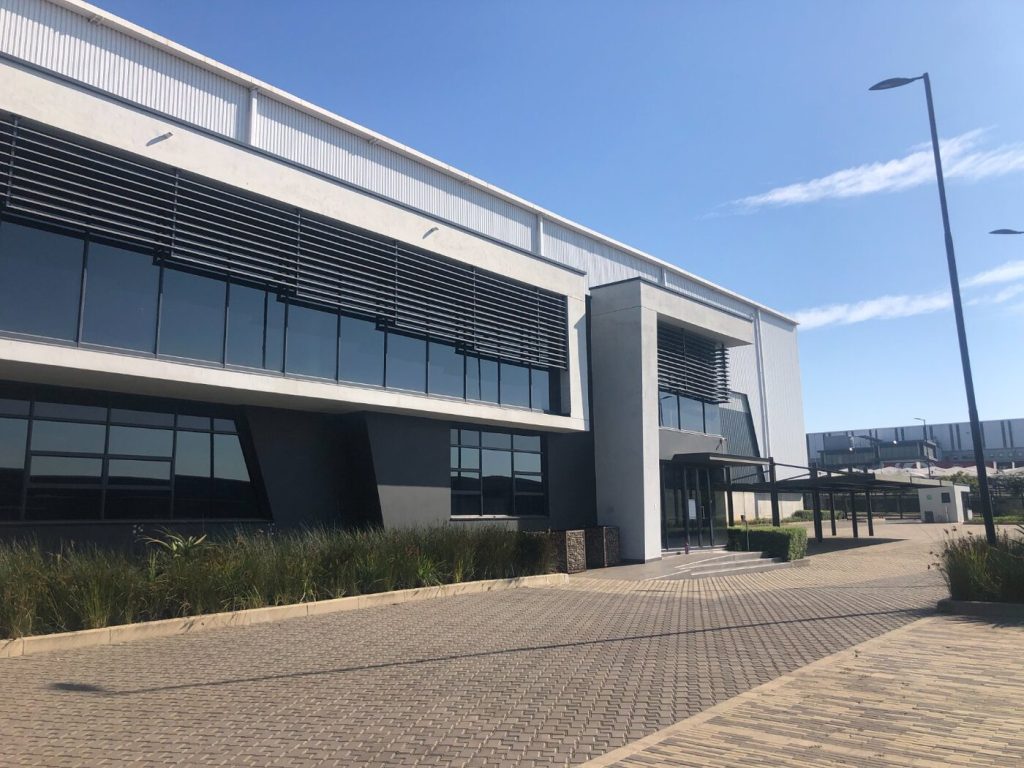
“The ability to secure reliable power, adequate yard space,efficient loading facilities, strong security and access to major transport corridors is becoming a much more important determinant of value.”
 Rental Performance:
In comparison,Nairobi follows at around US$ 6 psm.Prime rents stand at approximately US$ 5 psm in Dar es Salaam, and US$ 4.50 psm in Gaborone and Lusaka.
 Occupancy remains strongest where modern supply is most constrained:
Egypt’s 6th of October City remains one of Greater Cairo’s strongest industrial locations,with occupancy at approximately 95%. Malawi’s prime industrial market records average occupancy of 85–95%,while Uganda and Kenya continue to record prime occupancy levels above 80%.
The evidence points to a broader continental trend: industrial markets with constrained land availability and limited Grade A supply are increasingly favouring landlords.At the same time,older properties face longer leasing periods and greater pressure to upgrade.

E-commerce and logistics are reshaping industrial demand:
The report finds that the expansion of e-commerce and third-party logistics is also emerging as one of the most important drivers of industrial absorption across the continent.

In South Africa, meanwhile, e-commerce, supply-chain optimisation and last-mile distribution are supporting demand across Johannesburg, Cape Town and Durban.
Sustainability moves from differentiator to operational requirement.
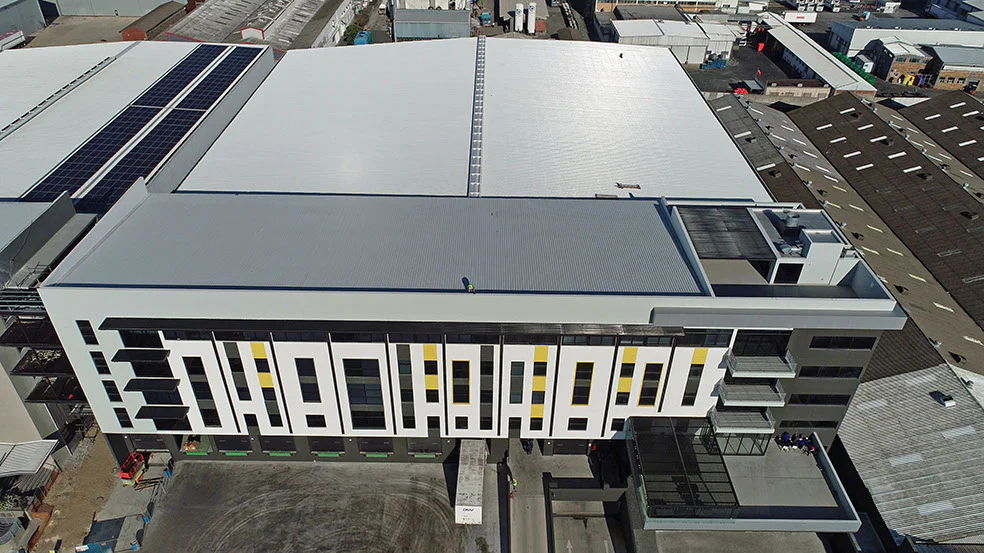
The report also notes that ESG considerations are becoming increasingly embedded in industrial property decisions. Occupiers are showing greater interest in warehouses that incorporate energy-efficient designs,solar power, water security systems, digital warehouse management and other technologies that reduce operating costs and improve supply-chain resilience.

· South Africa provides a clear example, where solar generation, boreholes,water-storage systems and energy-efficient buildings are increasingly viewed as essential rather than optional features.
 Overall, the H1 2026 Industrial Market Dashboard findings suggest that Africa’s industrial property market is moving towards a two-tier operating environment: Modern, well-connected and resilient logistics facilities are benefiting from strong demand and, in several markets, premium rents and high occupancy.
 Elsewhere, older facilities, particularly those with unreliable utilities,inadequate loading infrastructure, limited yard space or poor connectivity, are increasingly competing from a position of weakness.
Views: 2