

 Aiden k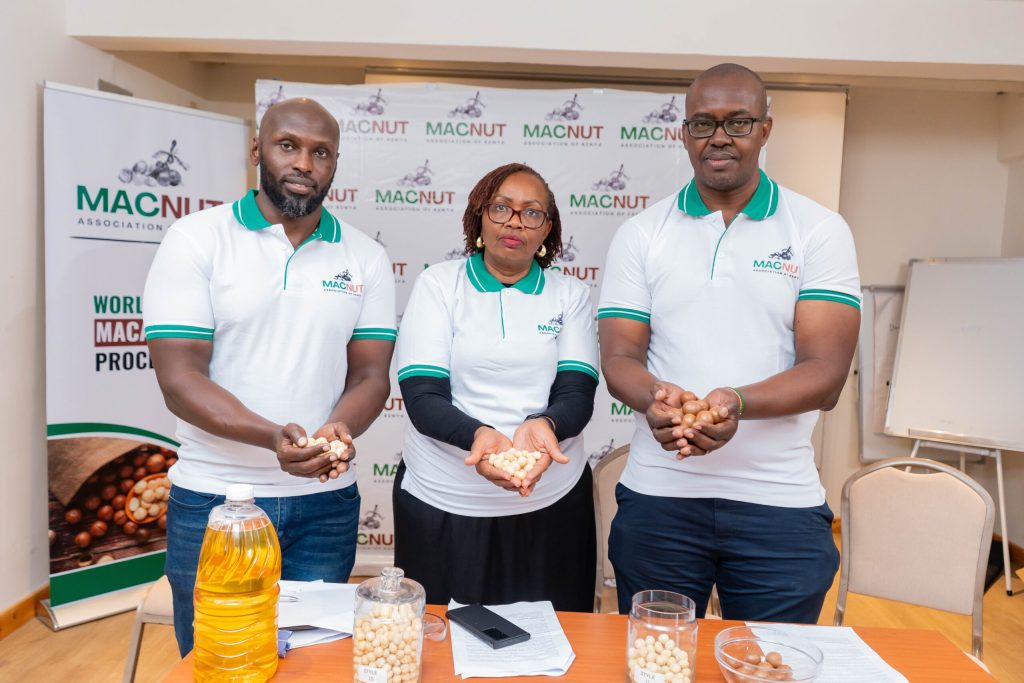
- MACNUT Association of Kenya Urges Farmers to Reject Exploitative Brokers and Reaffirms Commitment to Kshs. 100/KG Minimum Price;
The MacNut Association of Kenya (MACNUT) has urged macadamia farmers across the country not to be misled or manipulated by brokers offering unfairly low prices for their macadamia nuts, warning that such practices undermine farmer livelihoods and the long-term sustainability of the sector.
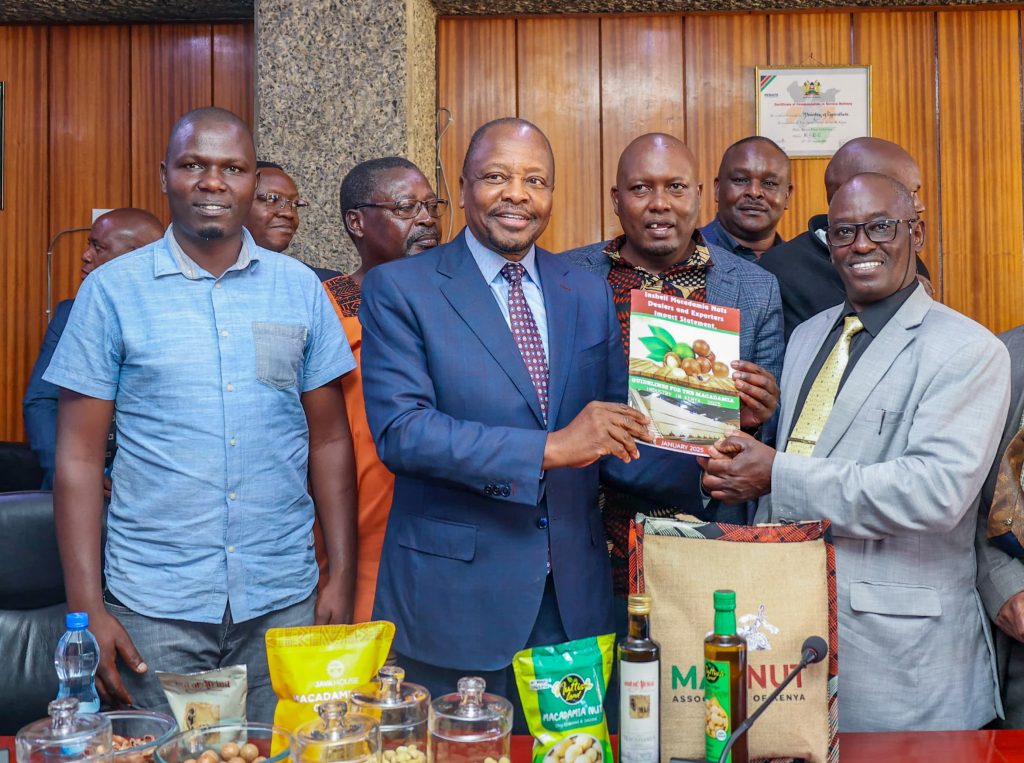 The Association has received reports from several producing counties of brokers approaching farmers with prices far below the government-recommended minimum, with some brokers coercing farmers to sell their produce for as little as KShs 30 per kilogram.
MACNUT emphasized that these same brokers are the ones involved in the illegal smuggling of nut-in-shell (NIS).
There is serious concern over the smuggling of nut-in-shell, which continues to distort the market and undermine legitimate trade.
MACNUT reiterates that it fully supports the Ministry of Agriculture’s directive on a minimum buying price of KShs 100 per kilogram.
“We want to be very clear: farmers deserve fair, transparent, and predictable pricing for their macadamia,” said Mr. Pally Muchiri, Chairperson of the MacNut Association of Kenya.
“As an association and together with our members, we remain fully committed to the Ministry of Agriculture’s minimum price of KShs 100 per kilo.
Any price below this is exploitative and does not reflect the value of farmers’ labour and investment.”
MACNUT further noted that farm-gate prices should differ between organic, grafted, and ungrafted macadamia nuts, in recognition of the varying levels of care, compliance, and effort required.
Farmers who invest in organic certification and improved varieties should be fairly rewarded for their additional inputs and commitment to quality.
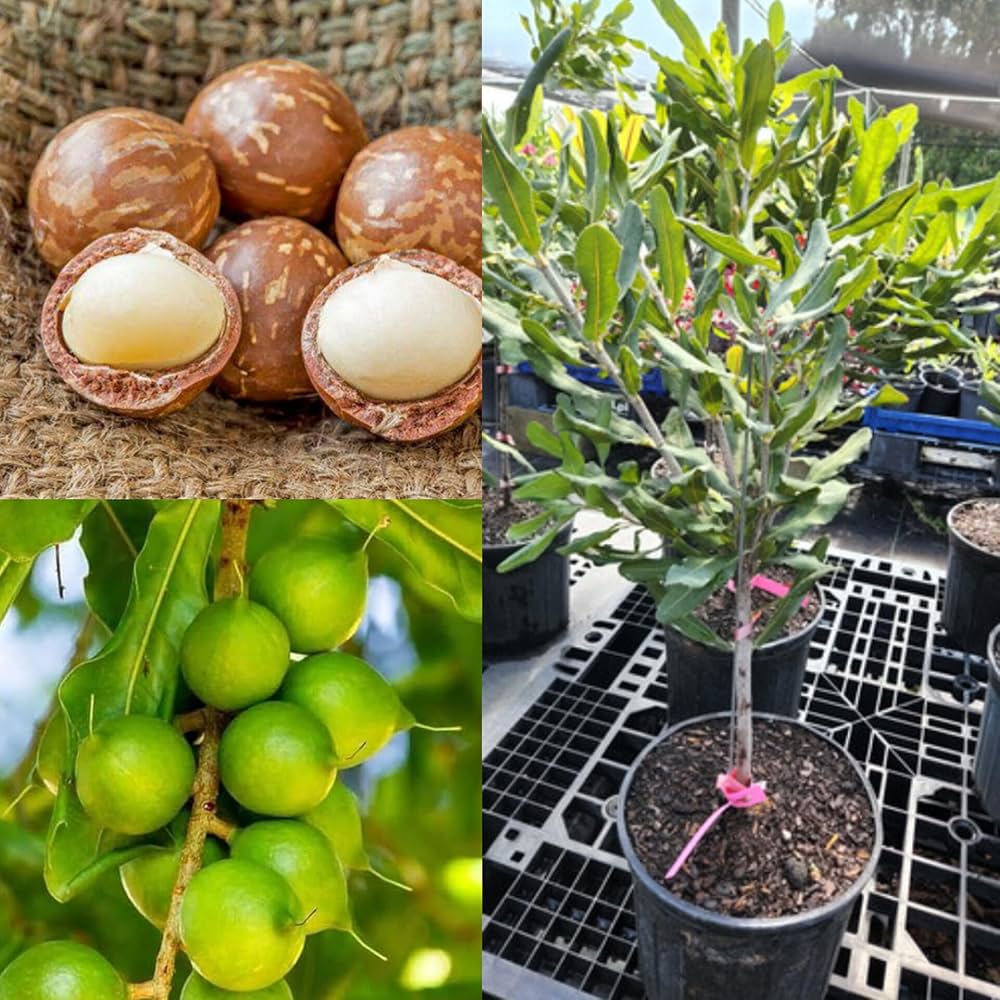 Grafted macadamia should attract a premium over ungrafted macadamia due to its superior uniformity, larger nut size, and higher sound kernel recovery, which translate into better quality and market returns.
The Association clarified that the tetraphylla variety of macadamia is not yet fully mature, with maturity expected over the next couple of weeks.
MACNUT reassured farmers that processors are ready to offtake fully mature nuts and that there should be no panic selling.
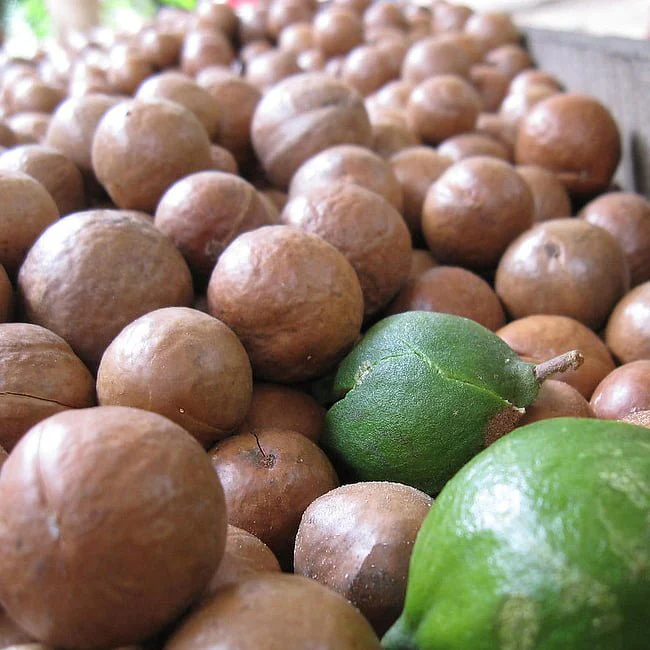
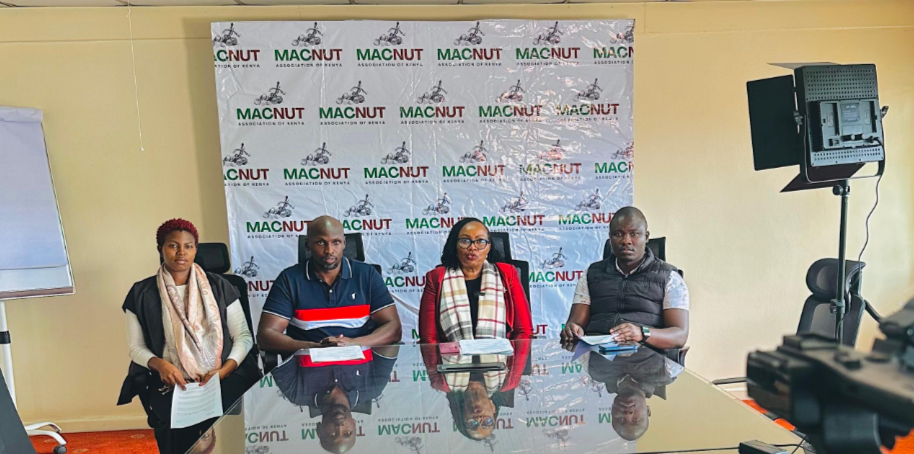 MACNUT emphasized that selling macadamia nuts in shell is effectively exporting Kenyan labour abroad, while processing within Kenya supports thousands of households.
The Association further noted that China is itself a major grower of macadamia, with sufficient domestic production to last through the year.
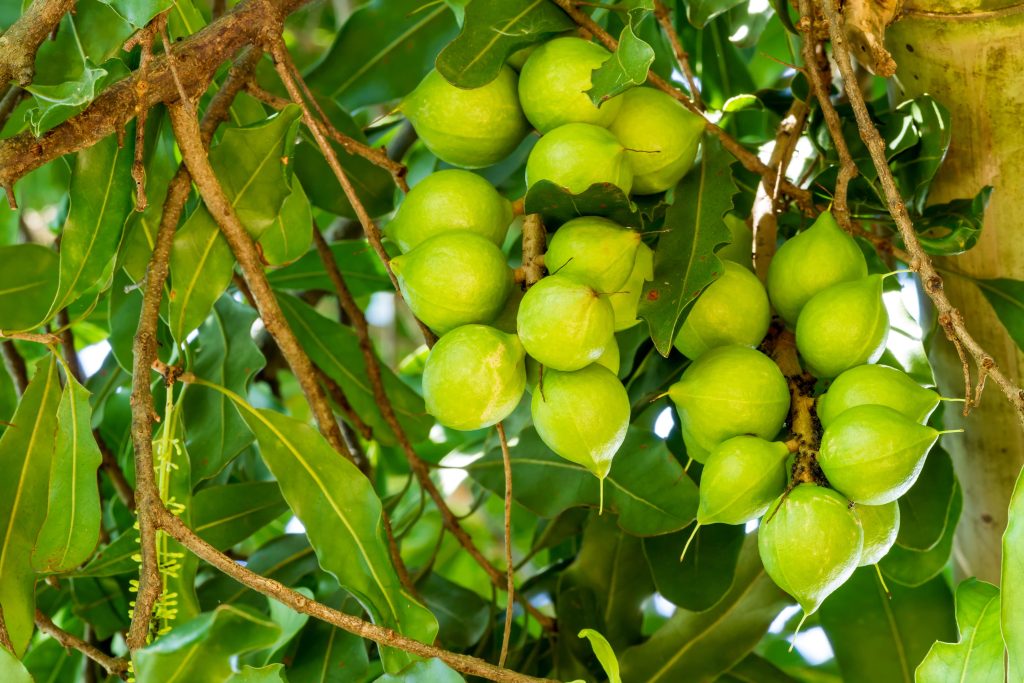 As such, there is no sustainable market for Kenyan nut-in-shell exports to China, exposing farmers to price manipulation, rejected consignments, and abrupt market disruptions.
 “When we export nuts in shell, we export jobs and income that should remain in Kenya,” Mr. Muchiri added.
“Value addition at home strengthens our economy, supports thousands of households, and protects farmers from volatile and exploitative markets.”
Despite a soft global market caused by geopolitical tensions including the Iran war and high production costs, MACNUT remains committed to protecting farmer livelihoods and upholding the minimum price.
 Looking ahead, MACNUT plans to bring farmers together through cooperative and aggregation models similar to those used in the tea and coffee sectors.
Some farmers have already formed cooperatives and farmers in other regions are encouraged to do the same.
From May, over the next three months, MACNUT will hold field days in collaboration with national and county governments to engage farmers directly, promote Good Agricultural Practices, and address farmer concerns.

 Furthermore, MACNUT called on farmers, county governments, national agencies, and law enforcement to work together to uphold fair pricing, strengthen farmer organization, curb illegal trade, and safeguard the future of Kenya’s macadamia industry.
Views: 13