
 Douglas Mwiti
Ben Woodhams, Partner-Knight Frank Africa Desk,
Knight Frank: Africa’s Industrial Yields Hit 13% as E-commerce Drives Logistics Demand;
- Prime industrial yields range from approximately 8% in Lagos to 13% in Kampala.
- In Egypt, the e-commerce market reached approximately US$10.2 bn in 2025and is forecast to grow at a 13–14% CAGR, nearly doubling by 2030.
- Nigeria’sbusiness-to-consumer (B2C) e-commerce market is expected to exceed US$33 bn by 2026, up from US$15 bn in 2023.
Africa’s industrial and logistics sector continued to demonstrate strong resilience in the second half of 2025, supported by the rapid expansion of e-commerce, increased infrastructure investment, and the continued formalisation of supply chains across key markets tracked by Knight Frank.
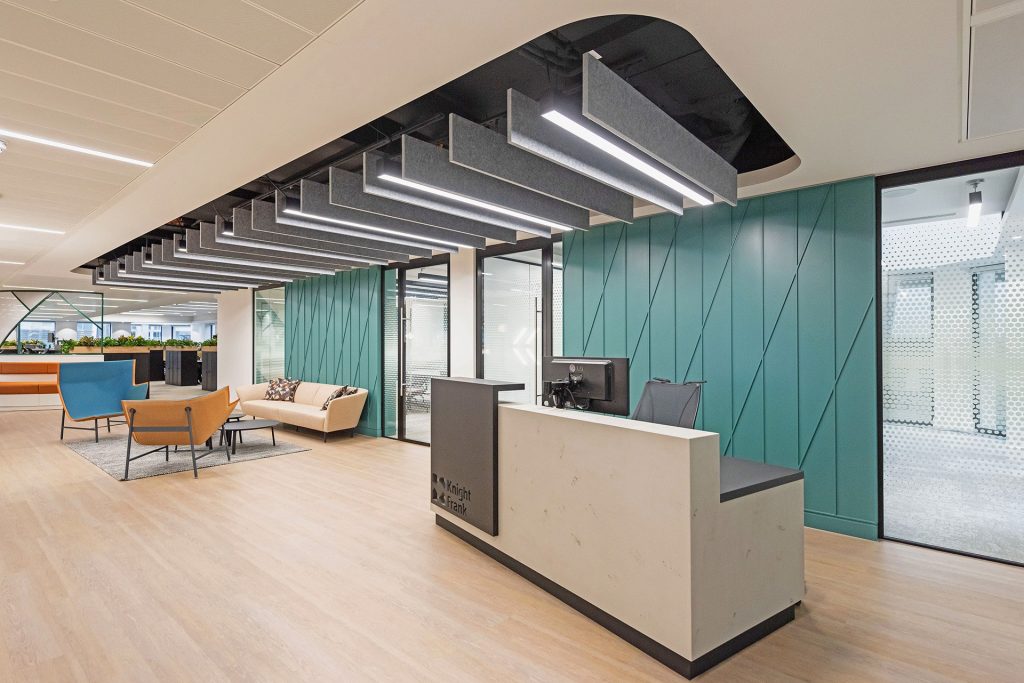 According to the global property consultant Knight Frank’s Africa Industrial Market Dashboard H2 2025, e-commerce growth is accelerating requirements for fulfilment centres, distribution hubs, and last-mile logistics facilities.
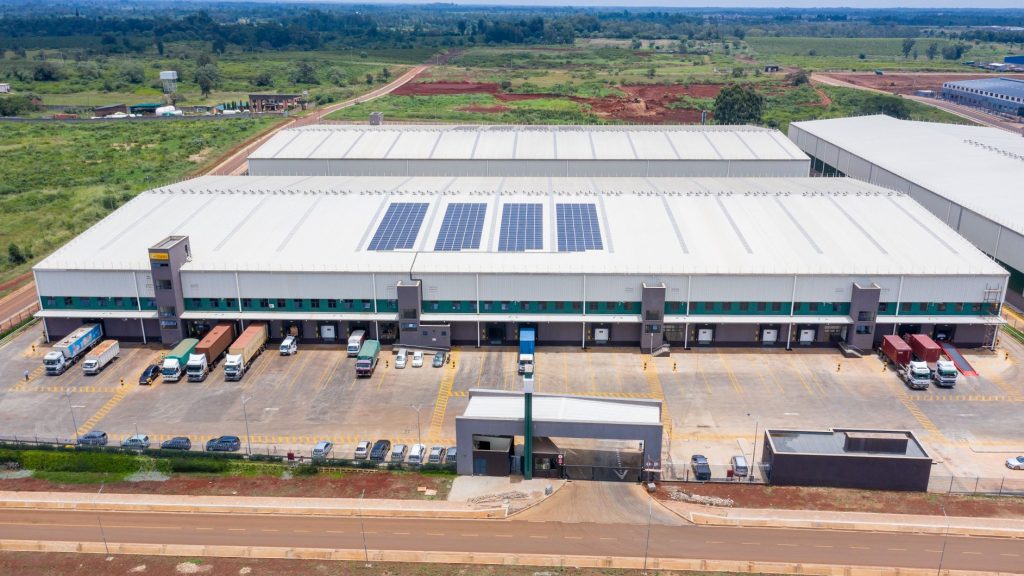 Boniface Abudho, Research Analyst at Knight Frank Africa, explains, “This rapid digital retail expansion is driving strong occupier demand for modern distribution facilities, particularly warehouses designed to support third-party logistics providers, fulfilment centres and urban last-mile delivery networks.”
Increased Demand for Modern Logistics Facilities;
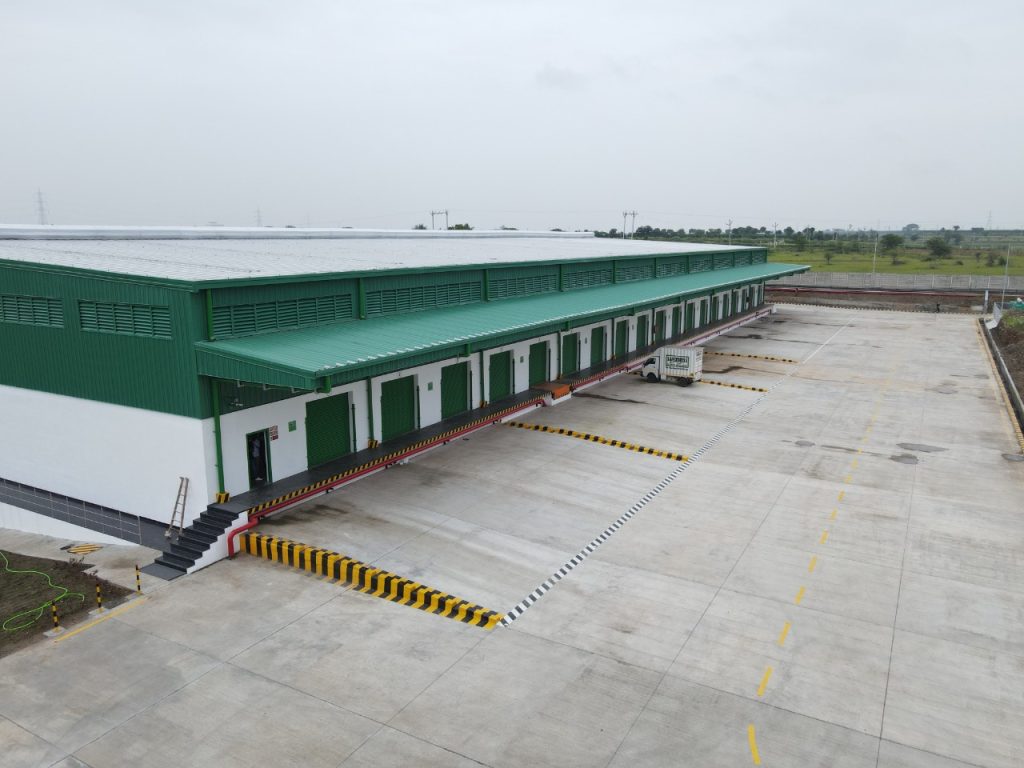 According to the report, modern purpose-built warehouses continue to outperform obsolete industrial facilities.
Vacancy rates for top-tier warehouses have tightened in several markets, including South Africa, where industrial vacancies have reduced to approximately 5%, reflecting strong absorption across key logistics corridors.
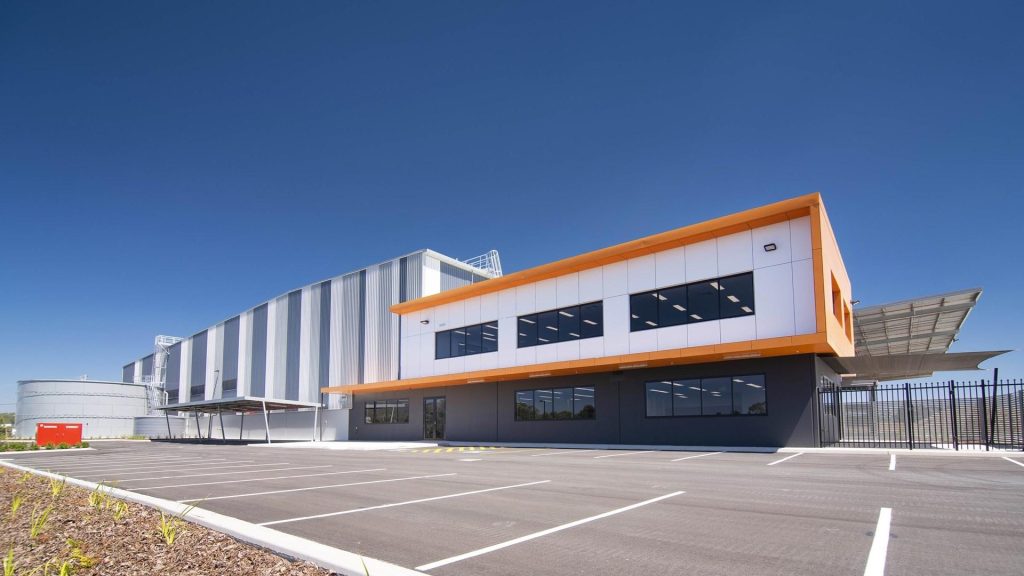 In Botswana, modern warehouse occupancy increased to 83% in H2 2025, up from 75% a year earlier, while Zambia’s prime logistics parks continue to record occupancies exceeding 75%.
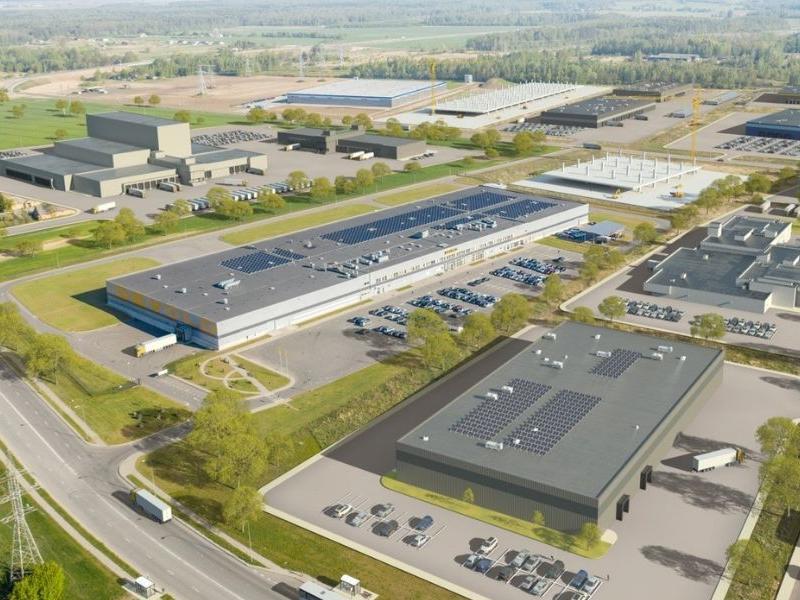 Elsewhere, facilities characterised by low eaves heights, inadequate loading infrastructure, and inefficient yard layouts are experiencing declining occupancy levels as occupiers increasingly prioritise operational efficiency.
Proximity to suppliers, customers, and major logistics corridors remain key location considerations.
 SEZs Driving Growth
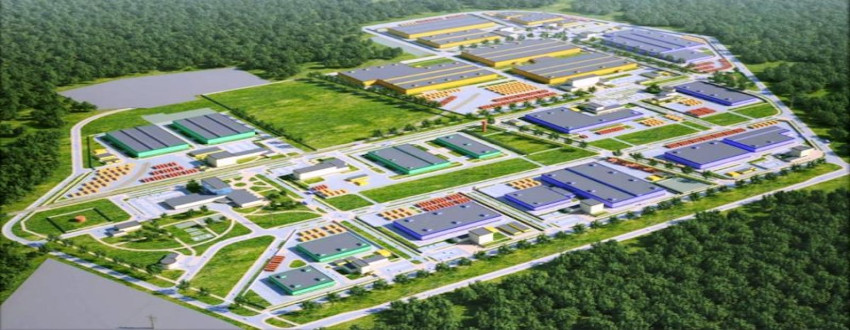
Knight Frank also highlights that industrial development across the continent is increasingly concentrated in Special Economic Zones (SEZs), free trade zones, and strategic logistics corridors, supported by government incentives and infrastructure investment.
 According to the report, these zones offer serviced industrial land, improved connectivity, and fiscal incentives, positioning them as focal points for manufacturing, logistics, and export-oriented industries.
 In Kenya, SEZ-driven investment remains particularly strong;
Tatu City alone has attracted more than US$ 504 million in investment commitments, including the development of a 63,000 sqm manufacturing and mixed-use facility by Hounen.
 Infrastructure Investment;
The report also indicates that infrastructure investment remains a critical enabler of industrial expansion across Africa.
- In Egypt, large-scale government initiatives such as the National Roads Project and the expansion of SCZONE have significantly improved connectivity between ports, industrial zones, and urban markets. The country currently hosts approximately 1,800 large warehouses and more than 25,000 smaller storage facilities nationwide, reflecting the scale of logistics infrastructure development.
- In Zambia, major road infrastructure upgrades, including the Lusaka–Ndola dual carriageway and improved access routes to Kenneth Kaunda International Airport, are strengthening logistics corridors and supporting industrial development
 Sustainability Shaping Occupier Preference;
Knight Frank highlights that energy reliability and sustainability considerations are increasingly influencing occupier and investor decision-making across the industrial sector.
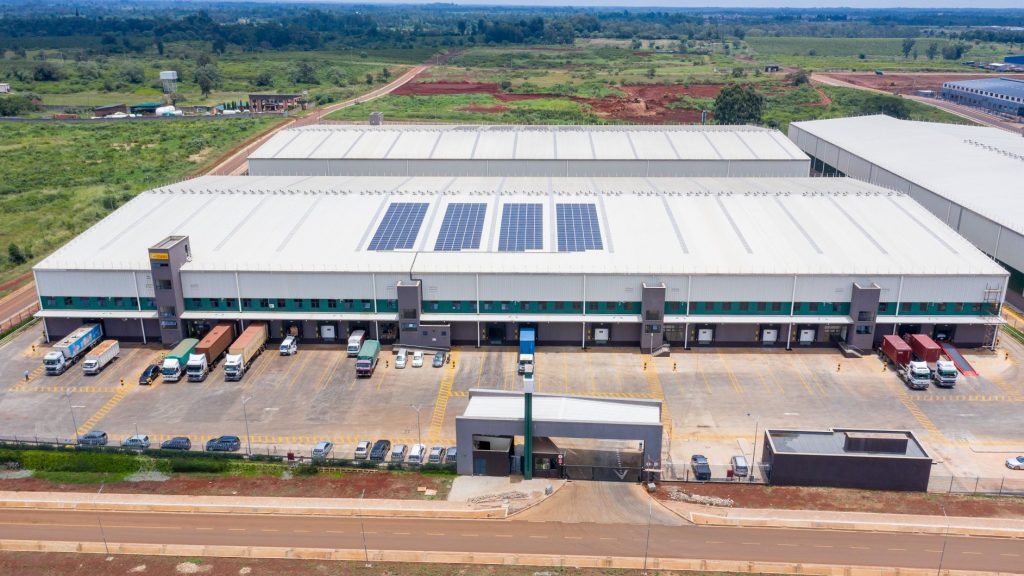
 Ben Woodhams, Partner-Knight Frank Africa Desk, noted, “Multinational occupiers in markets such as Egypt, Kenya, and Nigeria are increasingly prioritising LEED- and EDGE-certified facilities, driving demand for energy-efficient warehouses equipped with solar-ready roofs, LED lighting systems, and smart energy management technologies.
 This shift is accelerating the refurbishment and repositioning of older industrial buildings as landlords seek to maintain competitiveness and attract international tenants.”
Views: 27