 Business Quest Team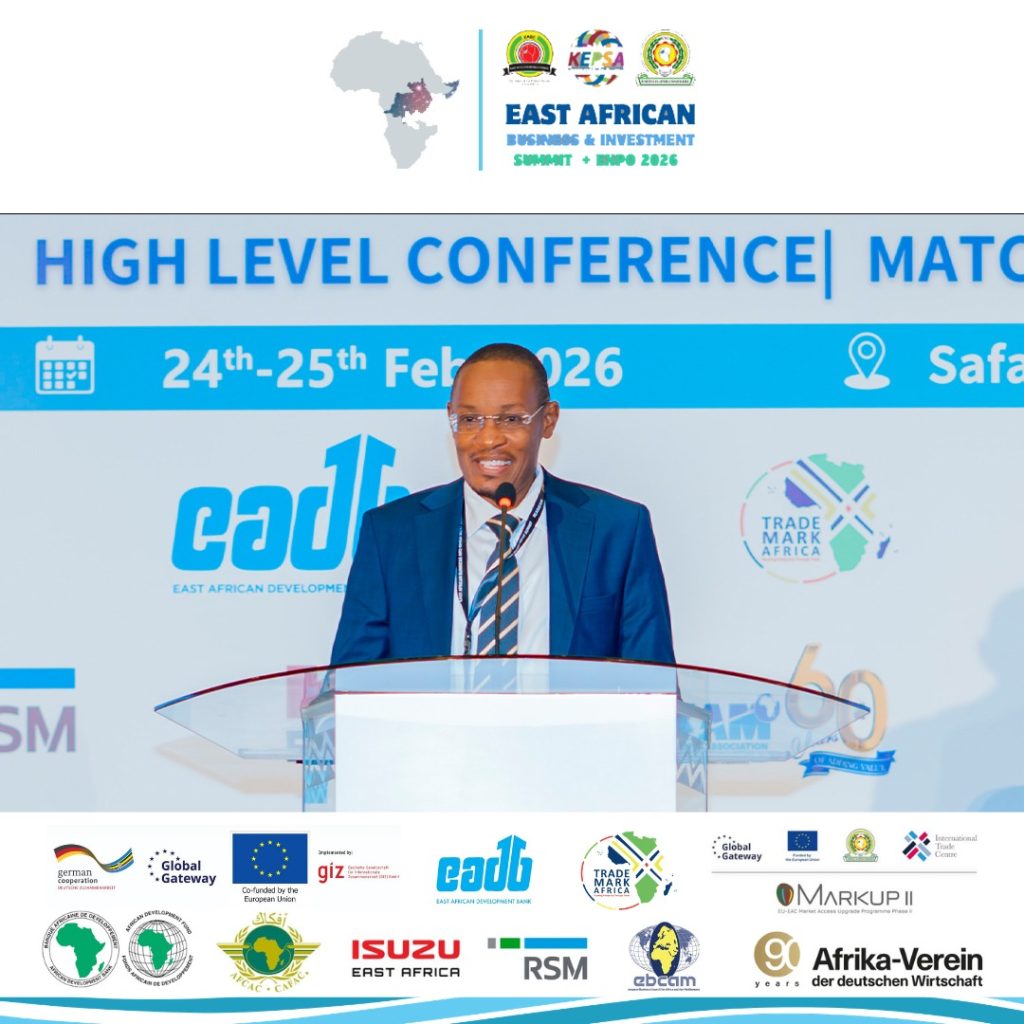
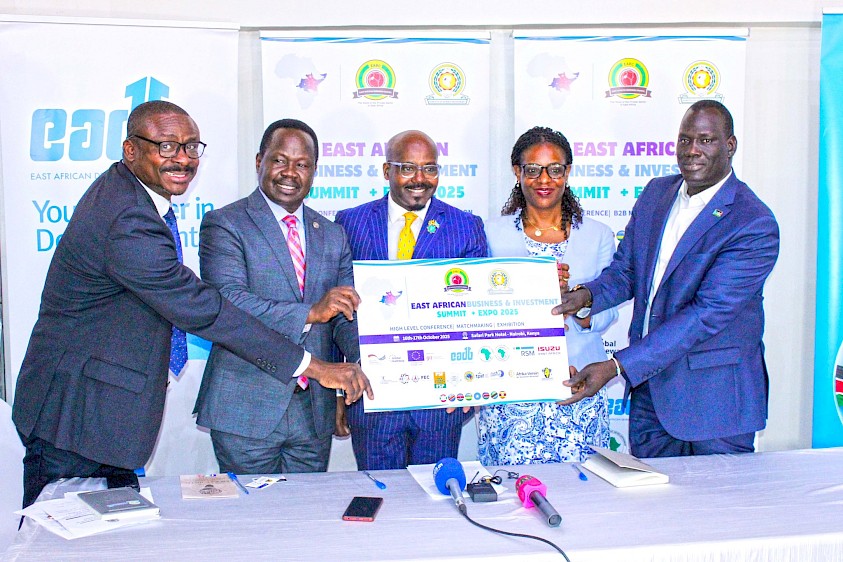
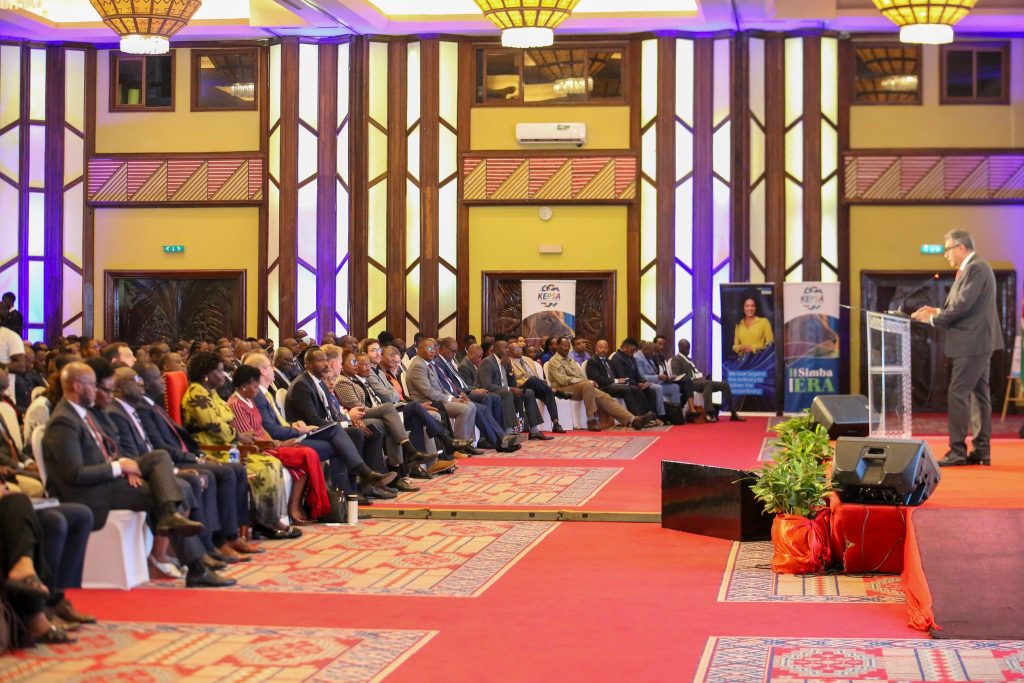
The East African Business & Investment Summit + Expo kicked off in Nairobi, organised by the East African Business Council (EABC) and the Kenya Private Sector Alliance (KEPSA) in partnership with the East African Community (EAC) Secretariat. The two-day event serves as a strategic platform to catalyse private sector-led integration and position the region as a premier global investment destination.
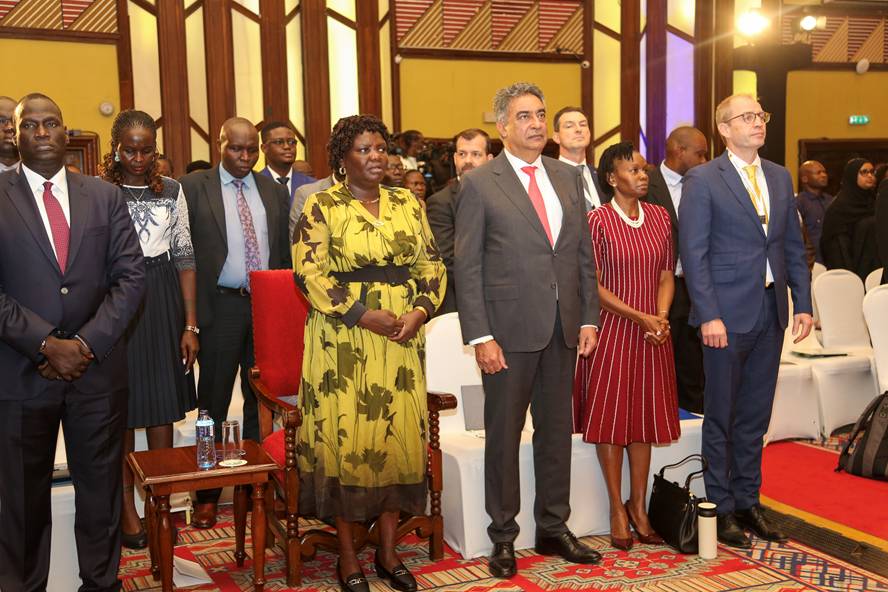
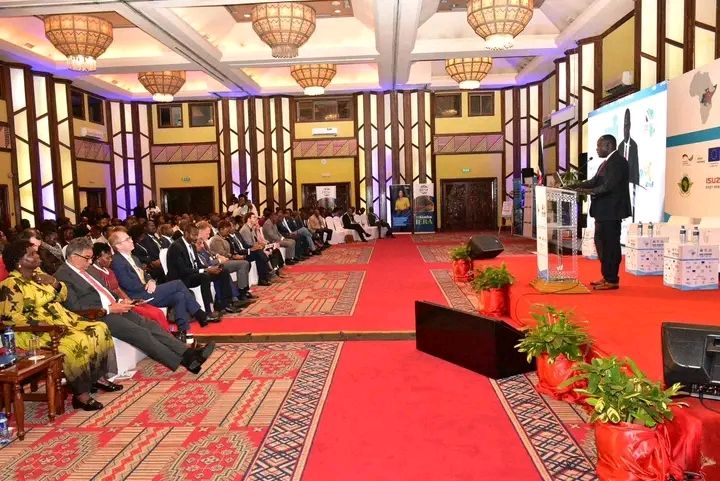
The opening session was officiated by Hon. Beatrice Askul Moe,Chair of the EAC Council of Ministers and Kenya’s Cabinet Secretary for EAC, ASALs, and Regional Development.
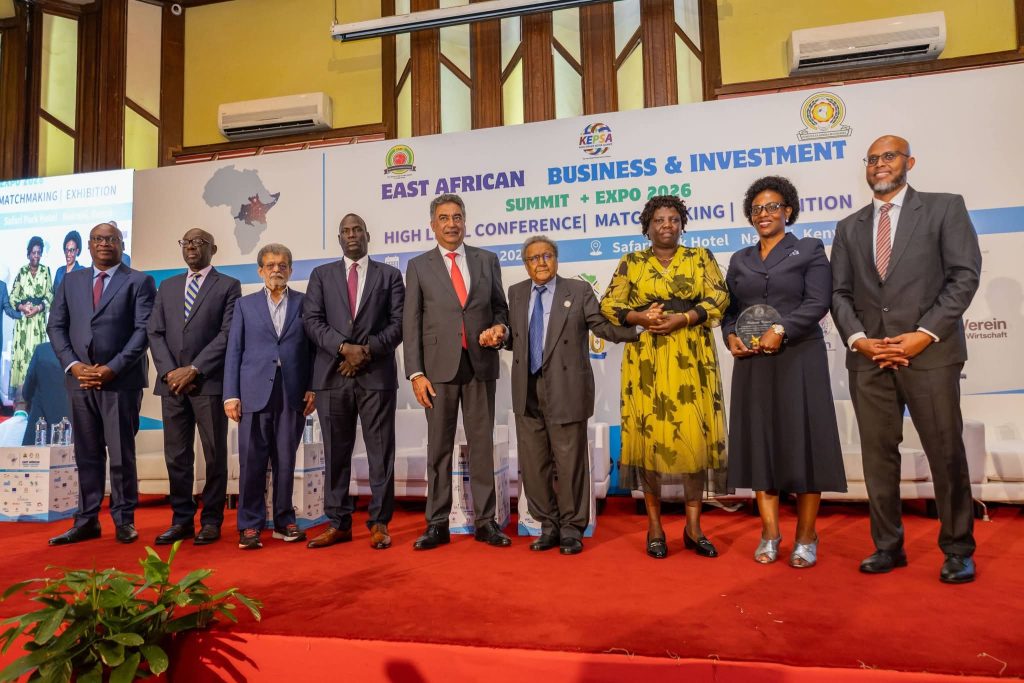
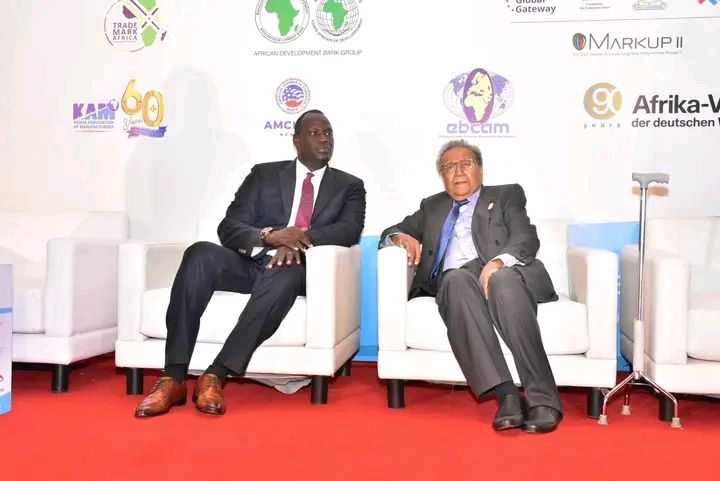 It was also graced by Ms Annette Ssemuwemba Mutaawe, Deputy Secretary General, Customs, Trade and Monetary Affairs, EAC; Hon. John Lual Akol, Chairperson, EABC; Dr Jas Bedi, Chairperson, KEPSA & EABC Vice- Chair; Carole Kariuki, KEPSA CEO; Mr Ondrej Simek, Deputy Head EU Delegation Kenya; Deputy Head of Mission Alexander Fierley; Mr Benard Paul Mono, Ag. Director General, East African Development Bank (EADB); Ms Allen S. Asiimwe, Chief of Programme and Deputy CEO, TradeMark Africa (TMA), and Mr Ashif Kassam, OGW, Executive Chairman at RSM Eastern Africa.
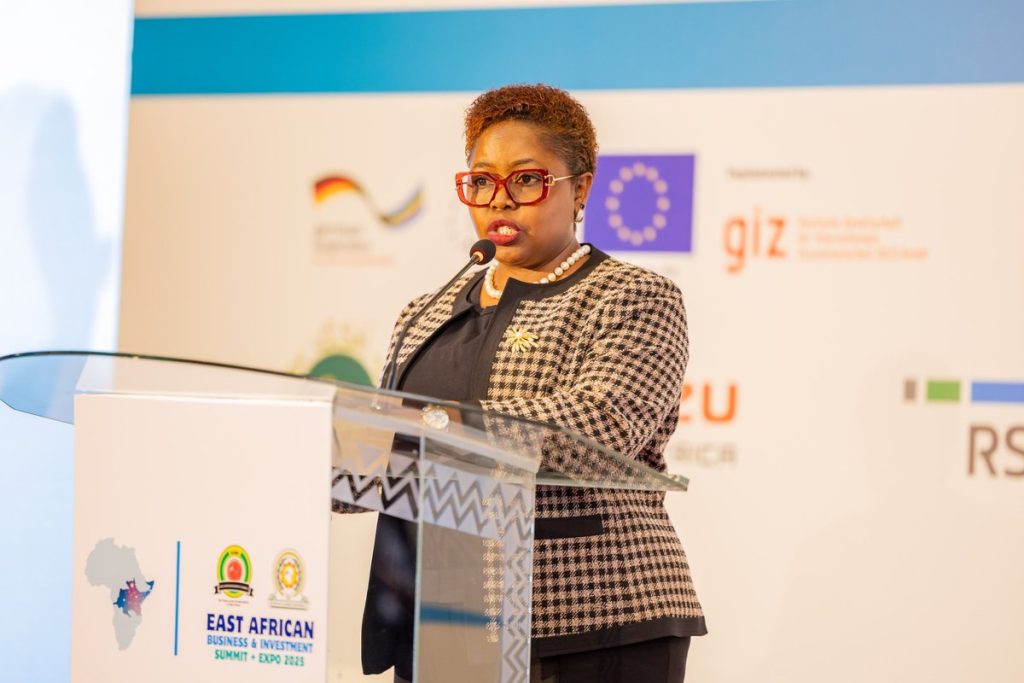 In her opening remarks, Hon. Beatrice Askul Moe emphasised the necessity of moving beyond policy alignment to practical execution.
 “Over the past two decades, the EAC has made great strides in harmonising policies and regulations, and we have seen a commendable increase in intra-EAC trade.
This summit provides an important platform for public and private sector collaboration.
Reforms must translate into tangible results to build a prosperous, resilient, and integrated East African region.
 Hon. John Lual Akol Akol, Chairperson, EABC, stated, “East Africa stands at a pivotal moment in its economic transformation.
While intra-EAC trade has recorded encouraging growth, it remains below fifteen percent of our total trade—far from our shared target of forty percent by 2030. This Summit, therefore, calls us to move decisively from reform to results.
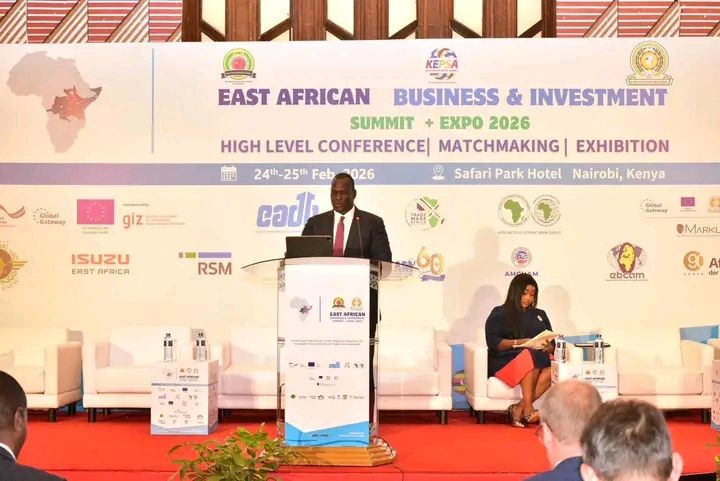 The private sector urges Partner States to implement the Single Customs Territory fully, harmonise domestic taxes, eliminate non-tariff barriers, and uphold commitments under the Customs Union and Common Market Protocols.”
Speakers at the event have emphasised that the primary challenge for intra-EAC trade is the implementation of policy rather than its creation, advocating for a technology-driven approach to enhance market access and build regional value chains.
 There was a strong consensus on the importance of the EAC Economic Partnership Agreement with the EU as a stabilising “regional anchor” that provides legal certainty and positions East Africa as a unified investment destination amidst global fragmentation.
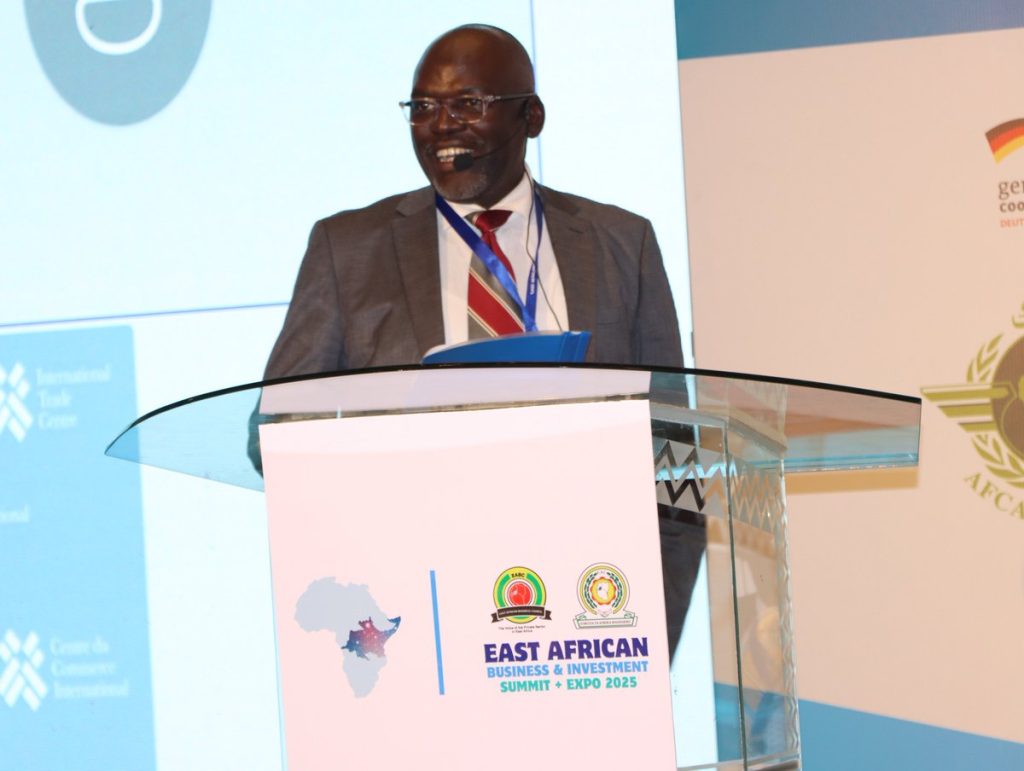 Furthermore, the representatives highlighted that easing the movement of professionals and embracing digital trade are essential for lowering market entry barriers, fostering innovation, and connecting local entrepreneurs to the global economy.
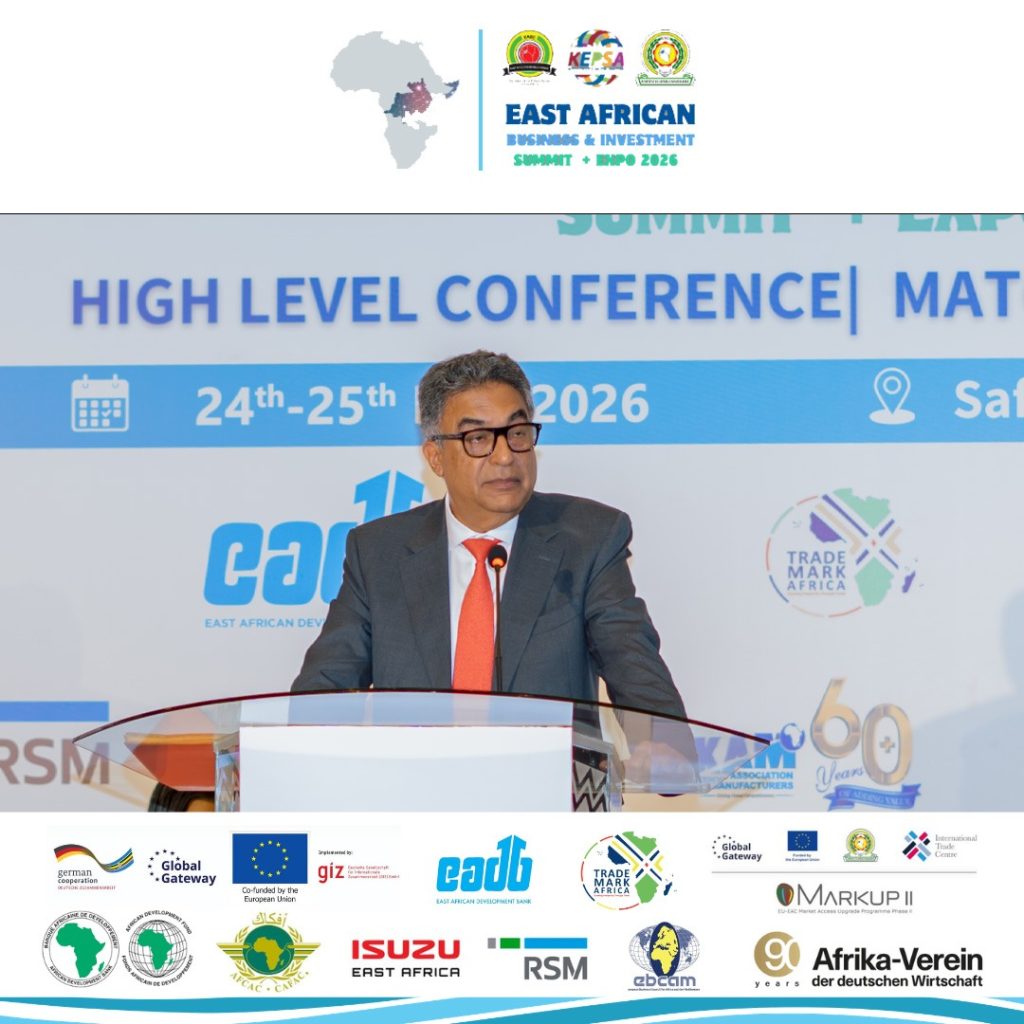 Mr. Ahmed Farah, Executive Director of EABC, emphasised that, “At a time of global uncertainty and rising protectionism, regional integration remains East Africa’s most practical path to resilience, competitiveness, and shared prosperity.
‘EAC Rising’ must now mean moving decisively from reform to measurable results.
EABC, as the voice of the private sector, stands ready to partner with governments to turn agreements into competitiveness and potential into jobs.
 We are rebuilding as a more member-driven, data-led, and results-focused institution to support this transformation.”
The East African Community represents a $410 billion economy, home to over 350 million people—60% under the age of 25—with 65% of Africa’s arable land, 30% of its minerals, and 10% of its renewable water resources.
Strengthening infrastructure, harmonising tax and regulatory frameworks, reducing trade costs, and promoting public-private dialogue will position EAC as a competitive hub for trade, manufacturing, and investment.
 In his remarks Dr. Jas Bedi, KEPSA Chairperson and EABC Vice-Chair, noted that, “The private sector continues to face non-tariff barriers, regulatory inconsistencies, and unpredictable tax regimes.
Addressing these challenges is not optional—it is essential for lowering the cost of doing business and strengthening investor confidence across East Africa.
Investing in trade-enabling infrastructure, digital connectivity, and paperless customs systems will accelerate cross-border commerce and position East Africa as a globally competitive trade and investment hub.”
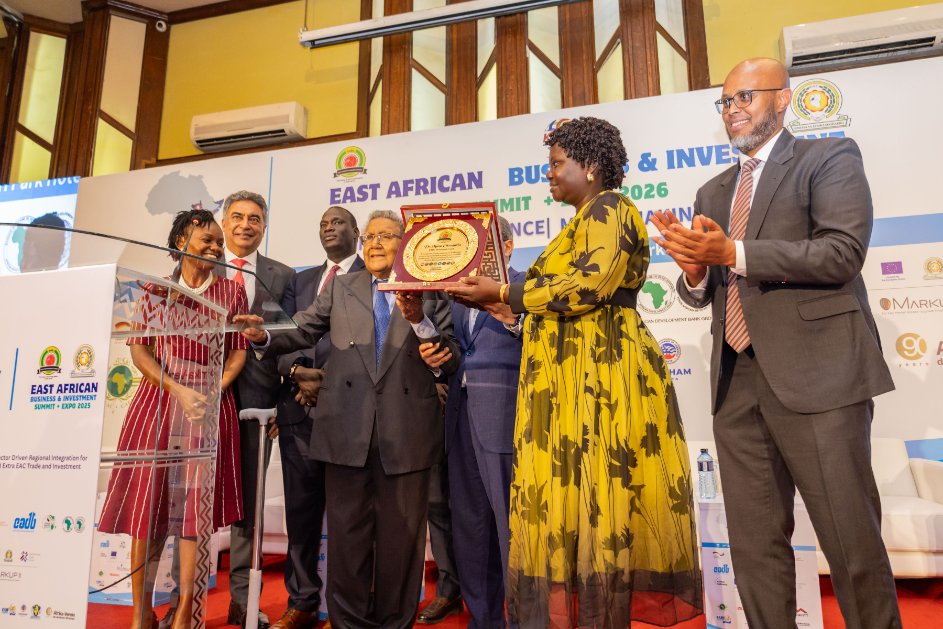
The summit also recognised Dr. Manu Chandaria, EABC Founding Chairperson, for his contribution to private sector development in East Africa, highlighting the importance of regional collaboration in business.
The Summit is organised with support from the German Development Cooperation, TradeMark Africa, the European Union, the International Trade Centre, and the African Development Bank, and valued sponsorship from the East African Development Bank, Isuzu East Africa, RSM Eastern Africa, African Civil Aviation Commission, and Equity Bank Kenya.
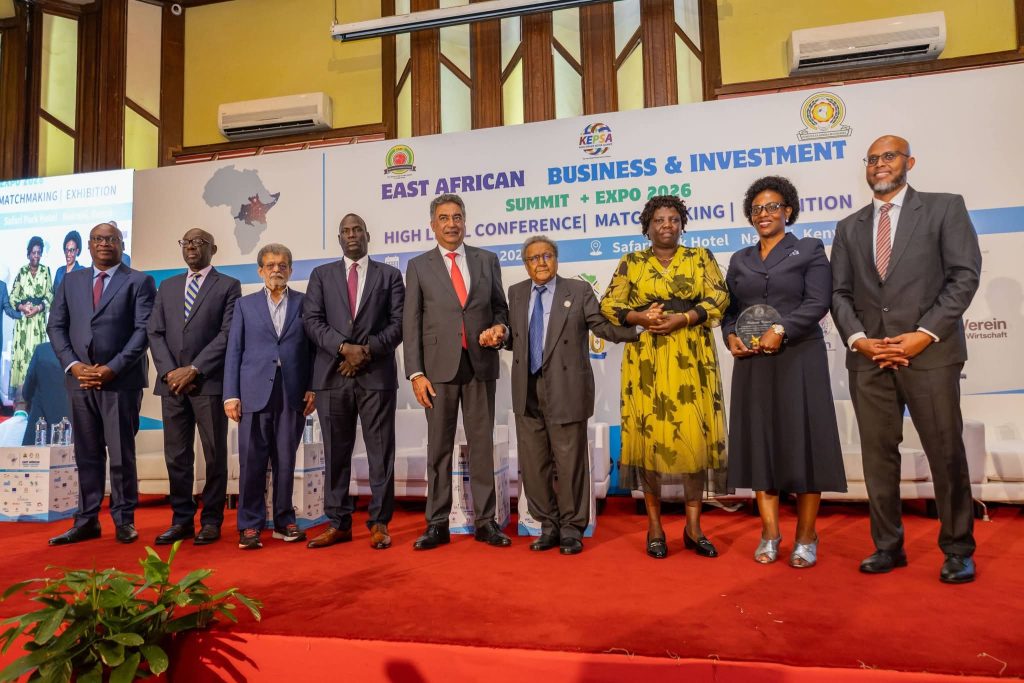 By promoting trade and investment, the Summit highlights trends positioning the EAC as Africa’s premier trade and investment hub while leveraging the digital economy as a driver of sustainable growth and inclusion.
A communiqué outlining recommendations and resolutions from the Summit discussions will be presented by EABC to the Chairperson of the EAC Council of Ministers for consideration in policy decision-making.
KEPSA serves as the national focal point for the EABC in Kenya.This partnership focuses on enhancing the business environment, promoting regional trade integration, and facilitating dialogue between the private sector and governments within the EAC.
Views: 55