The Four-Wheel Shift, VinFast VF 3 Makes Indonesian Users Upgrade from Motorbikes
 Media OutReach Newswire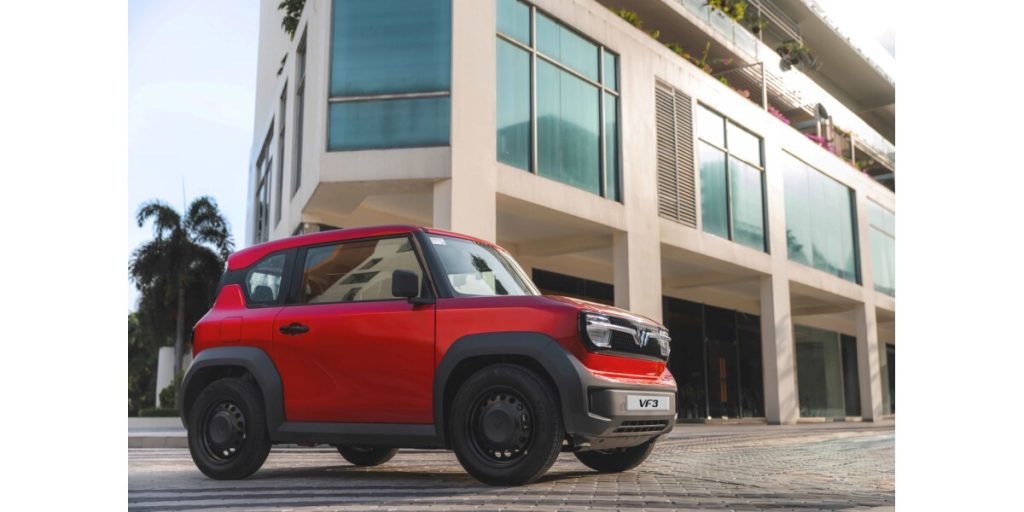

For many first-time car buyers, especially those upgrading from motorbikes, the most striking impression of the VF 3 is not its technology, but its sense of relief. No more exposure to heat, rain, or fatigue from long hours navigating traffic, common realities in cities like Jakarta or Surabaya.
‘A small car, yet a whole world of its own’
One user described the experience as “stepping into a completely different world”, a space where they can lean back, relax, and actually enjoy the journey instead of enduring it.
Despite its compact footprint, the VF 3 offers a surprisingly optimized cabin. Its minimalist yet functional design ensures that every element serves a clear purpose, from seating layout to dashboard ergonomics. The air-conditioning system cools the interior quickly, a crucial advantage in tropical climates.
A particularly thoughtful design detail is the upright windshield, which helps reduce direct sunlight entering the cabin, an issue that many traditional sedans in Southeast Asia still struggle with. These seemingly small refinements collectively deliver a noticeably improved everyday experience.
More importantly, for many Indonesian families, VF 3 quickly becomes part of daily life: school runs, grocery trips, and weekend getaways. A compact car, yet a complete personal space on wheels.
Effortless driving, confident journeys
One of the biggest psychological barriers for motorbike users switching to cars is driving complexity. The VF 3 addresses this by making the experience intuitive and approachable.
With a light steering feel, tight turning radius, and a length of just around 3 meters, this mini-SUV is perfectly suited for navigating dense urban environments, a defining characteristic of Indonesian cities.
The gear selector, positioned conveniently behind the steering wheel, further simplifies operation, especially for first-time drivers.
Beyond ease of use, the VF 3 delivers a distinctly different driving experience thanks to its electric powertrain. Acceleration is smooth and immediate, allowing for responsive maneuvering in traffic. Even at speeds of 70-80 km/h, the vehicle maintains stability and a planted feel, giving drivers confidence on highways and intercity routes.
Notably, with a maximum torque of up to 110 Nm, the VF 3 exceeds expectations for a vehicle in its segment. It handles inclines and varied terrains with ease, proving capable even on more challenging routes.
When cost is no longer a barrier
Beyond user experience, economics plays a decisive role in Indonesia’s mobility transition, and this is where VinFastcreates a compelling advantage.
Unlike gasoline vehicles, electric cars offer significantly more predictable operating costs. Users are no longer exposed to volatile global fuel prices. Instead, electricity costs are generally more stable and easier to forecast.
More importantly, VinFast introduces an innovative battery subscription model, which has already received positive feedback in Indonesia. By separating the battery, the most expensive component, from the vehicle price, the company significantly reduces upfront ownership costs.
This aligns closely with Indonesian consumer behavior, where affordability at the point of purchase remains a key decision factor, even if long-term savings are evident.
VinFast further strengthens this advantage through a seasonal promotion: free battery subscription fees for two years for vehicles invoiced before May 31, 2026. Economically, this is highly impactful, as it effectively eliminates a major portion of early-stage operating costs.
When both initial investment and ongoing expenses are minimized, the barrier to switching from motorbikes or gasoline cars to EVs becomes dramatically lower.
A “golden opportunity” to go electric
Amid increasing volatility in global fuel markets, Vingroup has launched the “Trade Gas for Electric” program across multiple markets, including Indonesia.
The initiative provides an additional 3% discount on VinFast electric cars and a 5% discount on VinFast electric scooters for customers who switch from older gasoline vehicles.
At the same time, GSM Green and Smart Mobility is supporting this transition through discounted electric mobility services, allowing users to experience EVs firsthand before making a purchase decision.
Together, these efforts reflect a comprehensive ecosystem approach, not just selling vehicles, but enabling a complete shift in mobility behavior.
In a country where motorbikes have long been the default choice, the VF 3 introduces a new paradigm: compact, accessible, and intelligently designed mobility. It delivers not only convenience and cost efficiency, but also a tangible upgrade in quality of life, from protection against weather conditions to creating a private, comfortable space for families.
As urbanization accelerates and mobility needs evolve, solutions like the VF 3 are no longer optional. Ultimately, the reason many Indonesian users are willing to “ditch motorbikes without regret” is simple. They are choosing a better way to move, and a better way to live.
Hashtag: #VinFast
The issuer is solely responsible for the content of this announcement.