kassim f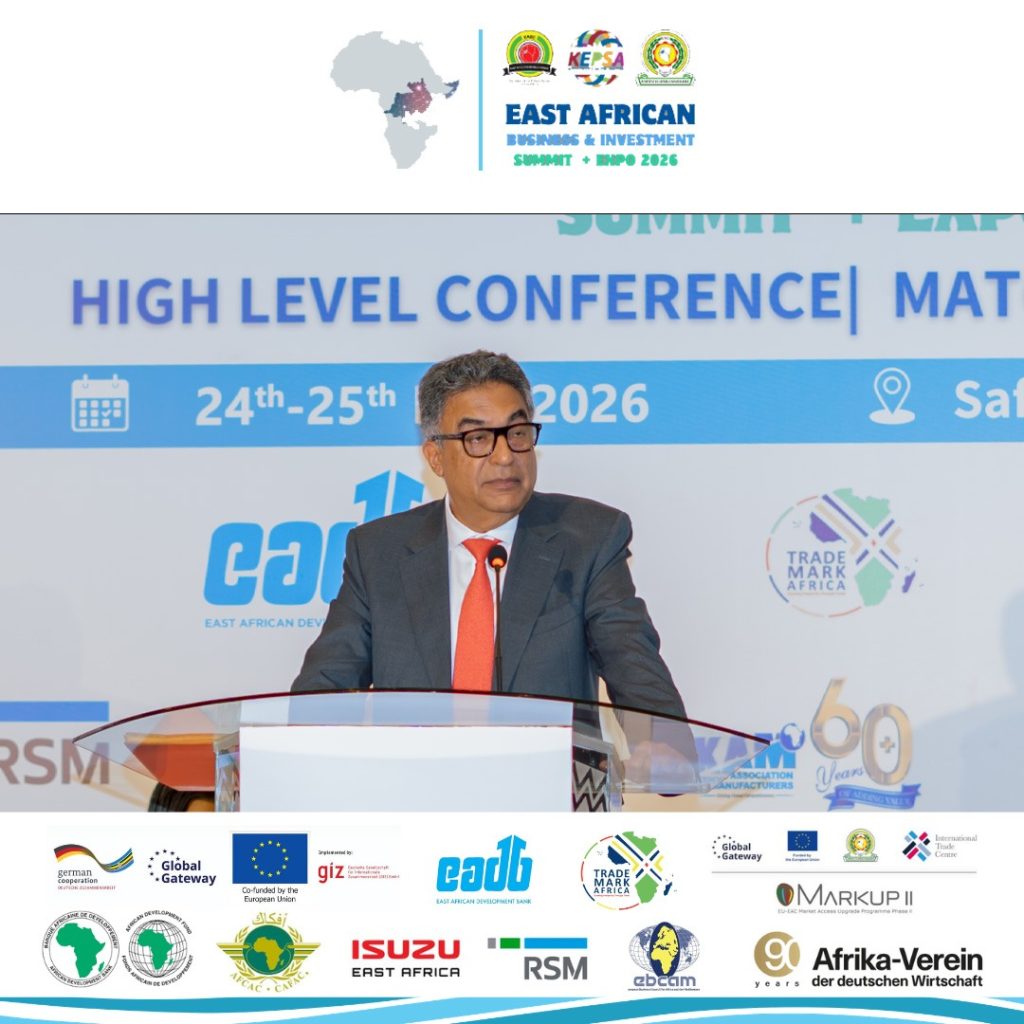
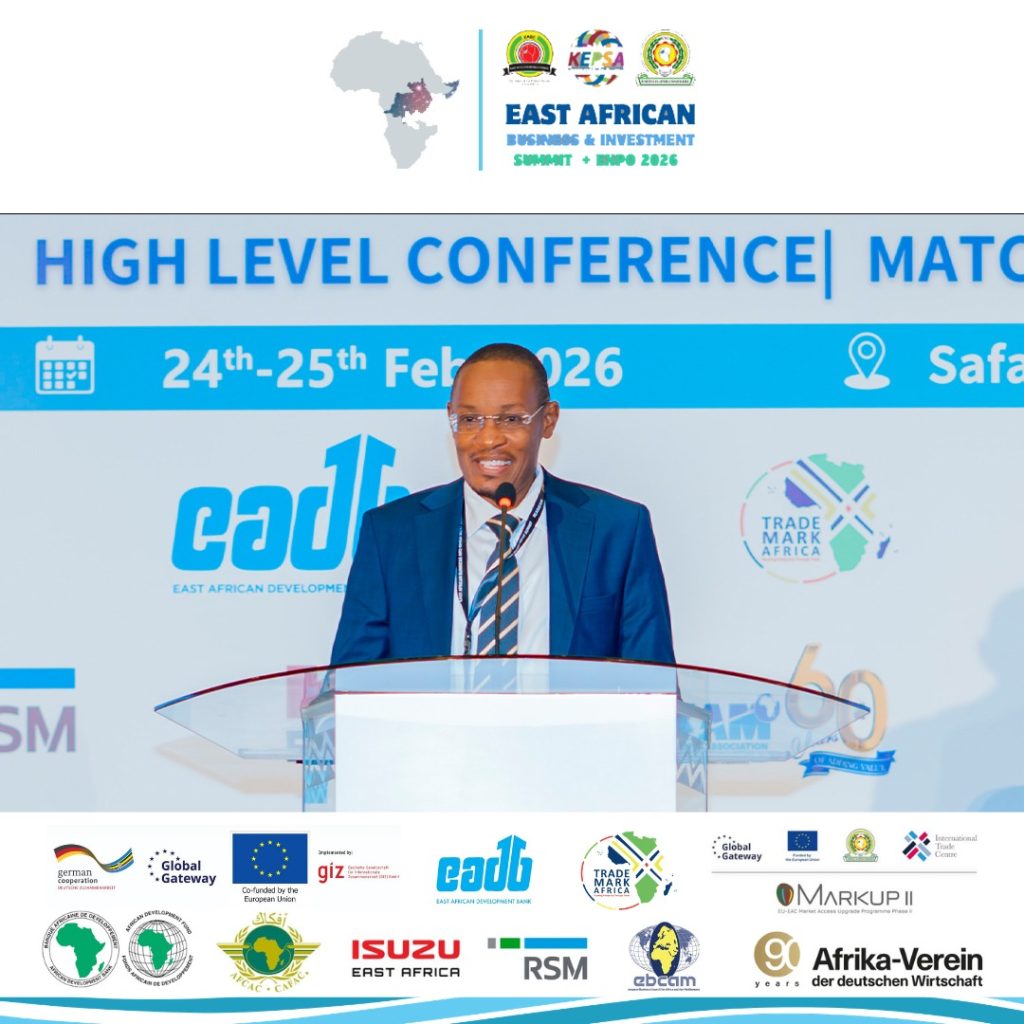
Dr. Jas Bedi, EBS, MBS, Chairperson of KEPSA and Vice-Chair of EABC
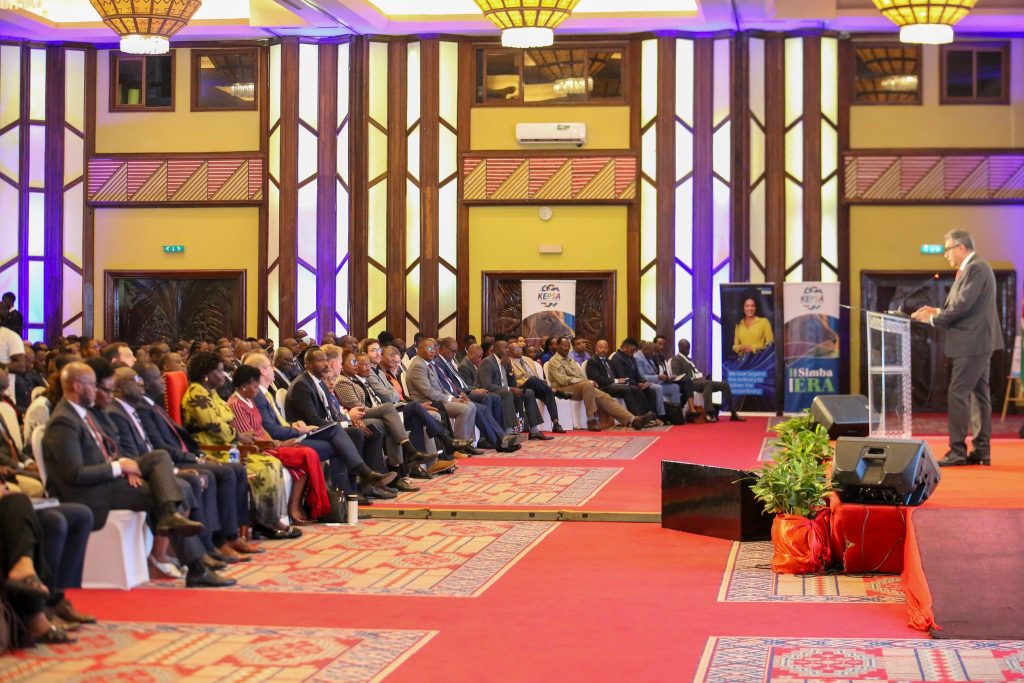
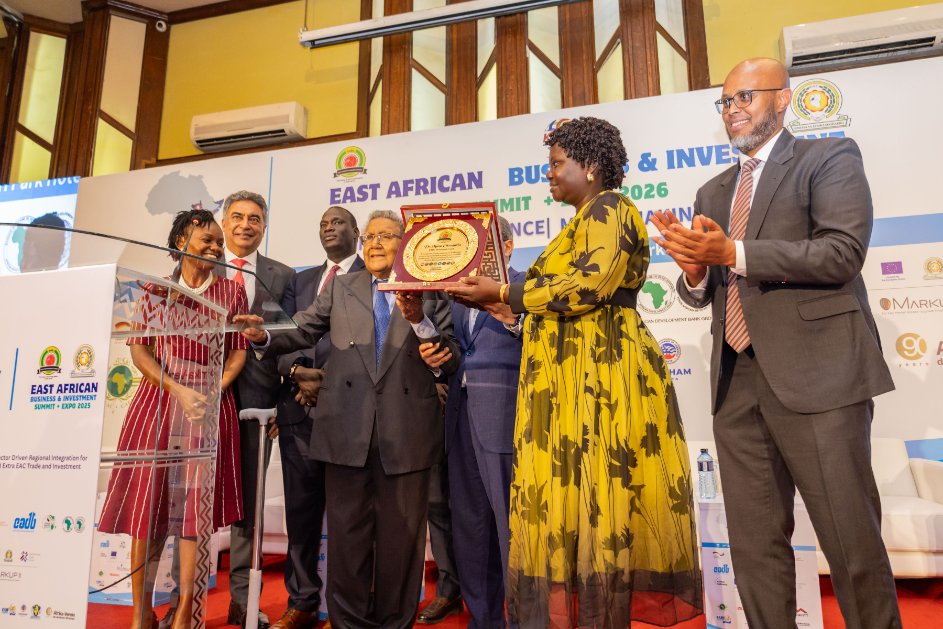
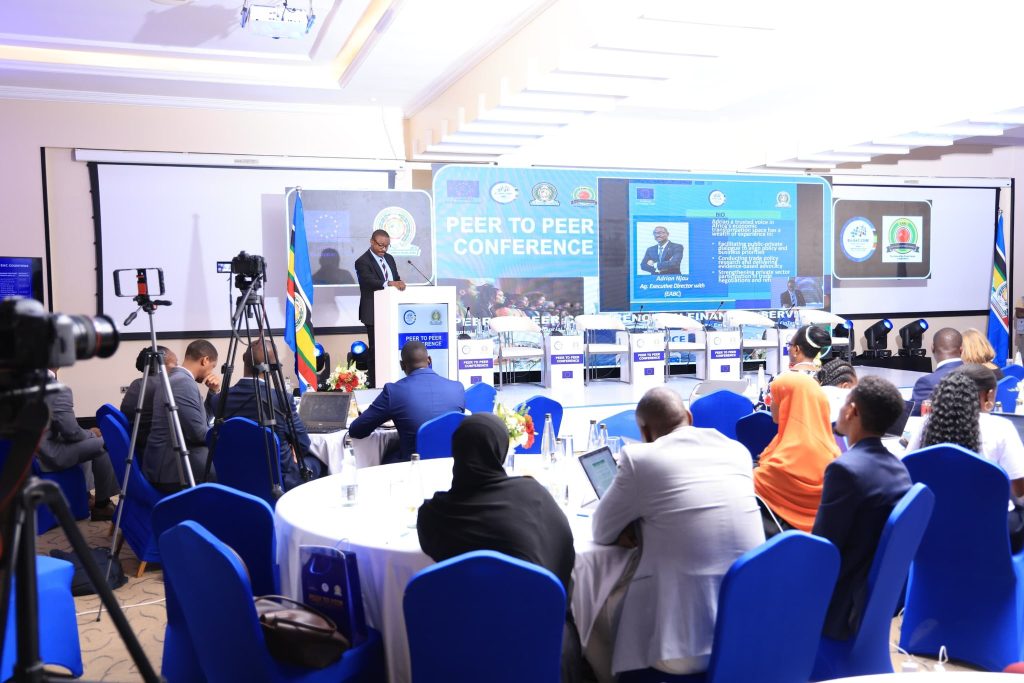
The East African Business and Investment Summit & Expo 2026 (EABIS 2026), organised by the East African Business Council (EABC) in partnership with the Kenya Private Sector Alliance (KEPSA) and the East African Community (EAC) Secretariat, took place from 24th to 25th February 2026 in Nairobi, Kenya.
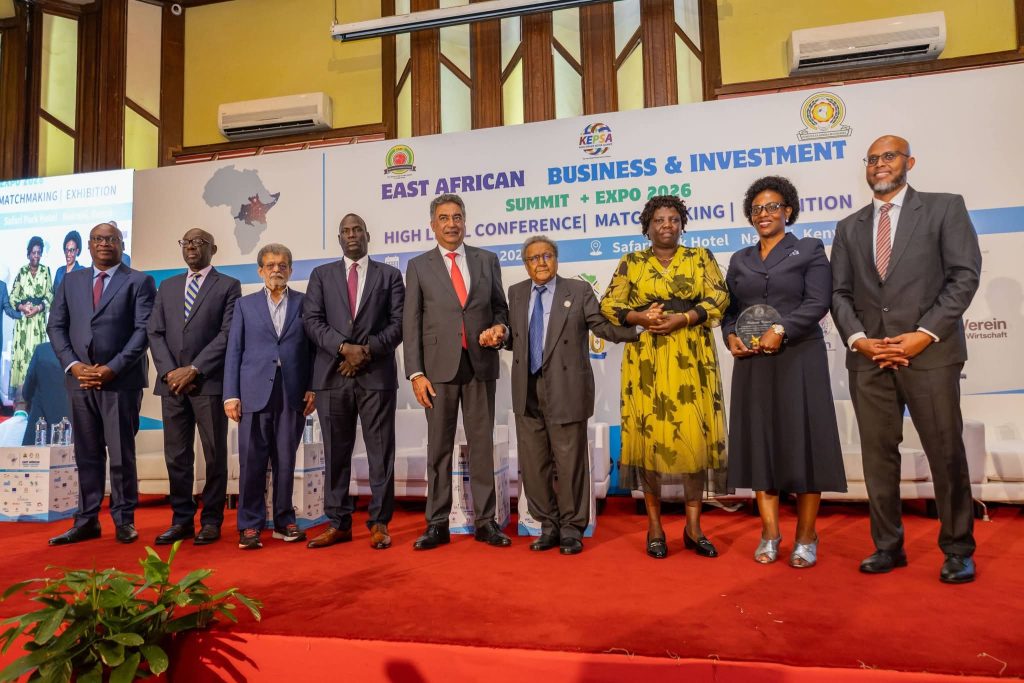 It was held under the Theme: “Promoting Private Sector-Driven Regional Integration for Increased
Intra- and Extra-EAC Trade and Investment”, and the Motto: “EAC Rising: From Reform
to Results in a Thriving Pan-African Market.”
It was held under the Theme: https: and the Motto: “EAC Rising: From Reform to Results in a Thriving Pan-African Market.”
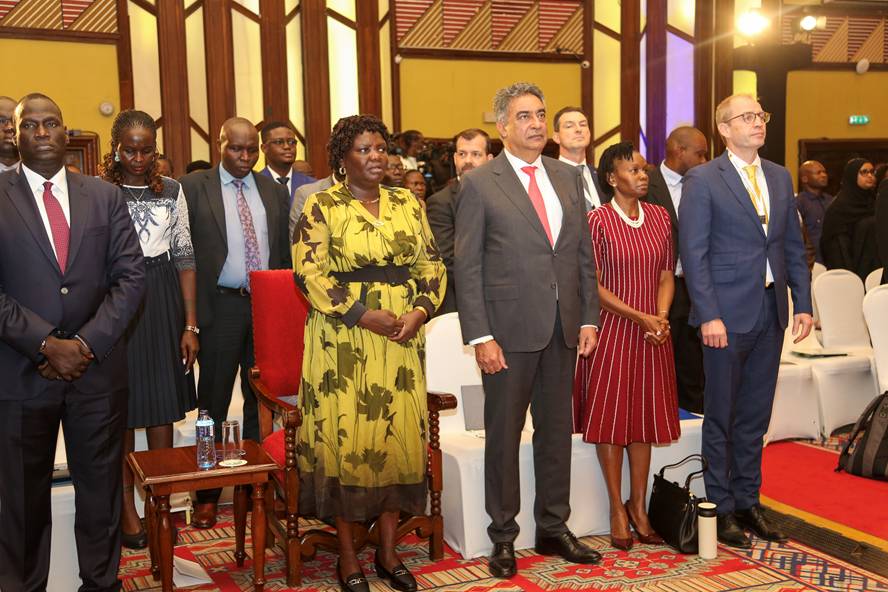
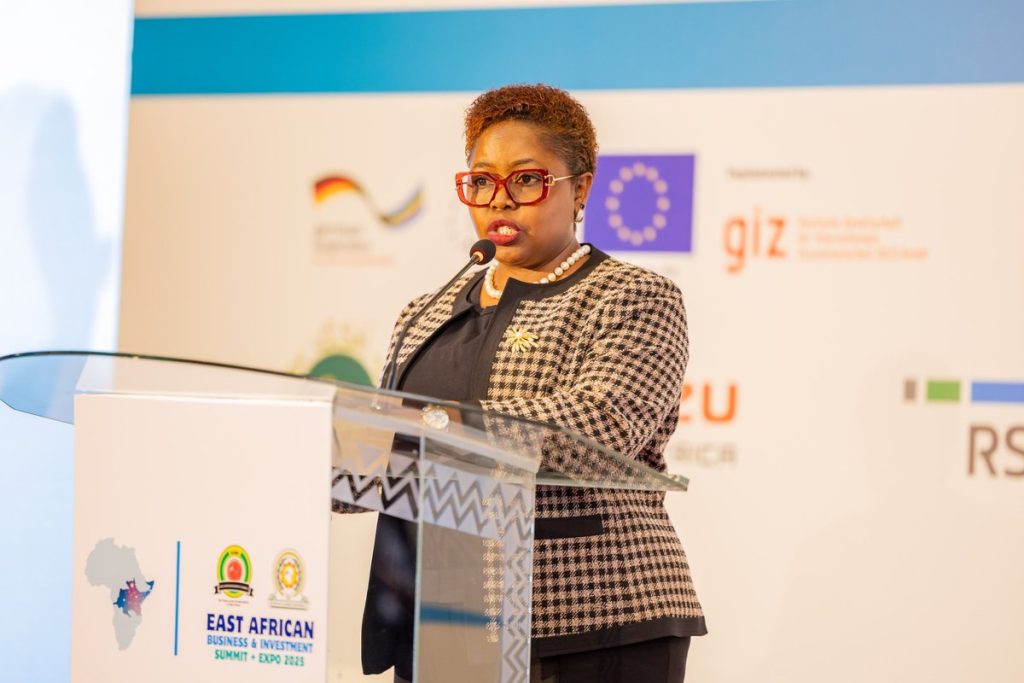
The Summit was officially opened by Hon. Beatrice Askul Moe, Chairperson of the EAC Council of Ministers and Cabinet Secretary, Ministry of EAC, ASALs and Regional Development, Republic of Kenya.
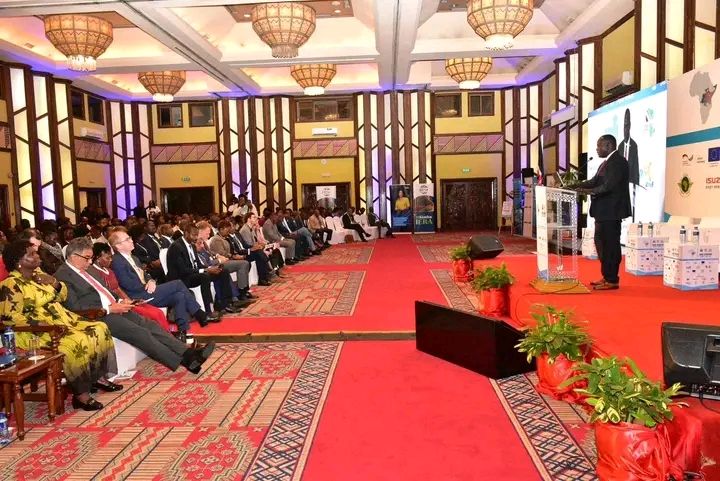 She commended EABC and the EAC Secretariat for convening the transformative Summit and noted that the theme strongly reflects the shared aspiration of building a region that is economically vibrant, globally competitive, and united by enterprise.
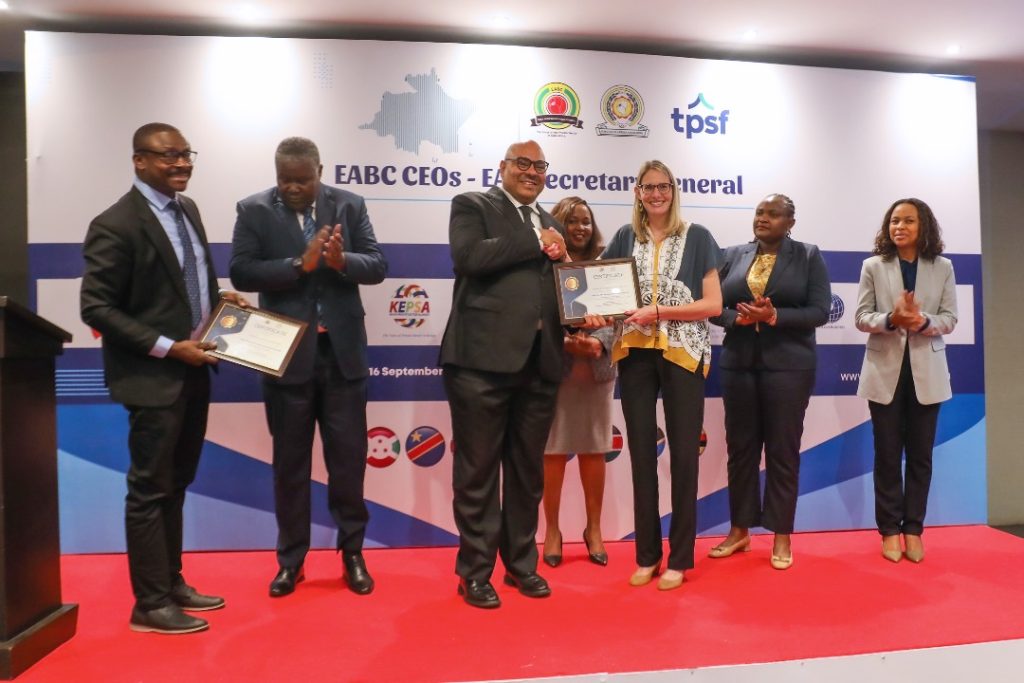
She highlighted that over the past two decades, the EAC has recorded commendable growth in intra-regional trade and cross-border investment, which continues to drive economic development within the Community.
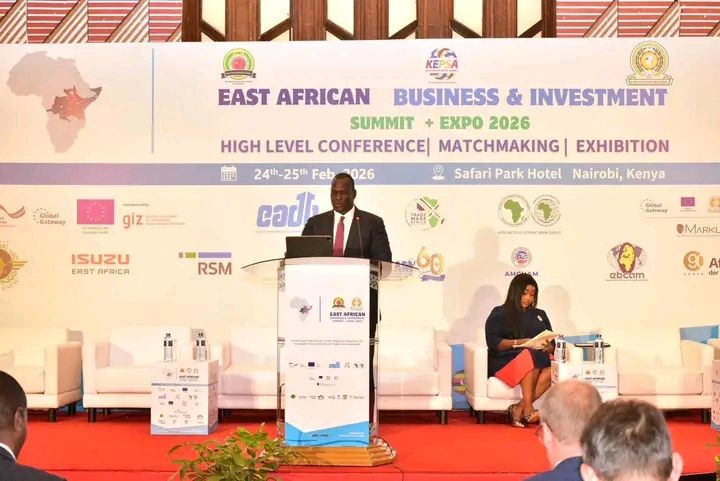
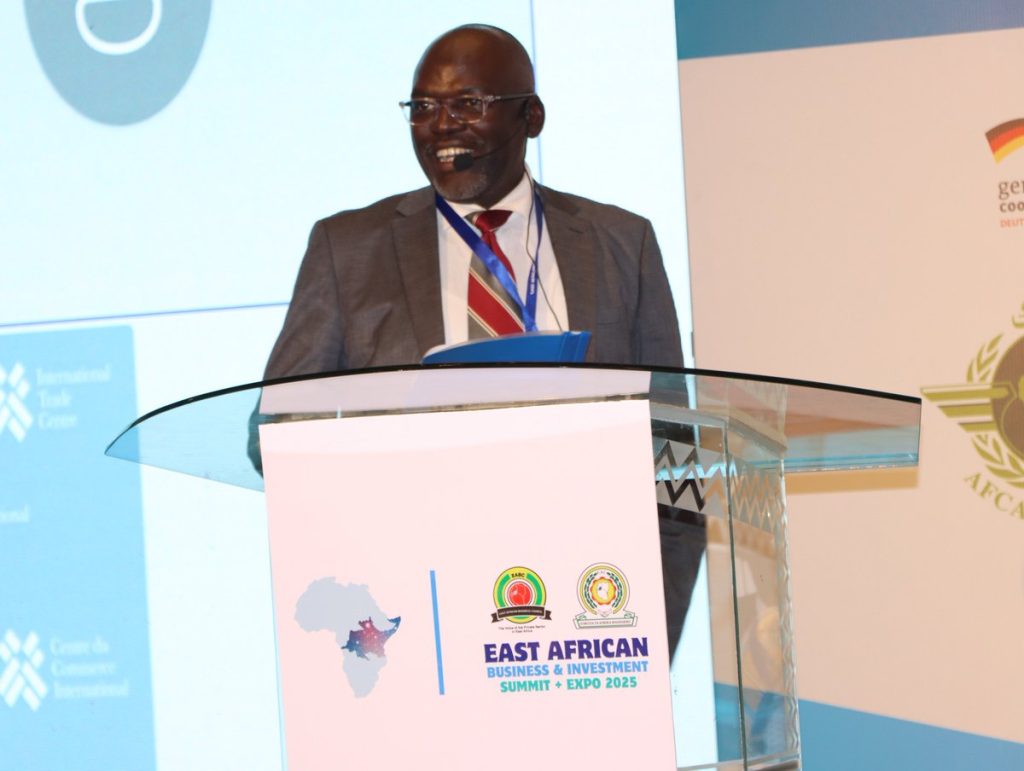
Mr. John Lual Akol Akol, Chairperson of EABC, stated that East Africa stands at a pivotal moment in its economic transformation.
 While intra-EAC trade has shown encouraging growth, it remains below 15 percent of total EAC trade—significantly short of the shared target of 40 percent by 2030.He called upon all EAC stakeholders to move decisively from reform to tangible results.
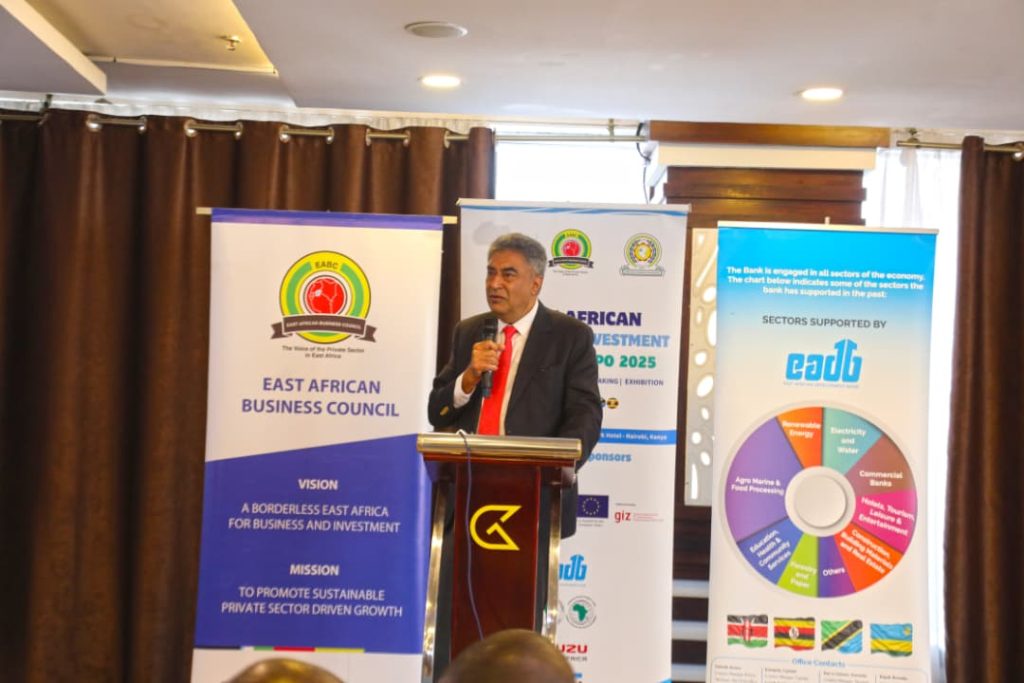
Dr. Jas Bedi, EBS, MBS, Chairperson of KEPSA and Vice-Chair of EABC, emphasized that addressing non-tariff barriers, regulatory inconsistencies, and unpredictable tax regimes is critical to lowering the cost of doing business and strengthening investor confidence.
 He called for increased investment in trade-enabling infrastructure, digital connectivity, and paperless customs systems to enhance regional competitiveness.
The Summit urged EAC Partner States to fully implement agreed commitments under the Customs Union and Common Market Protocols, including effective operationalization of the Single Customs Territory (SCT), harmonization of domestic taxes, and the elimination of non-tariff barriers.
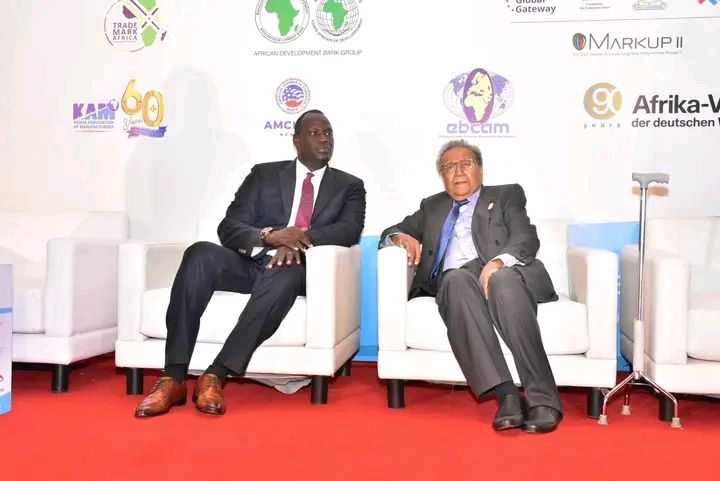
Ms. Annette Ssemuwemba Mutaawe, Deputy Secretary General for Customs, Trade and Monetary Affairs at the EAC, speaking on behalf of the EAC Secretary General, affirmed that the Community has strong policies and frameworks in place.
She emphasized the importance of accelerating implementation and strengthening stakeholder coordination to
fully realize regional integration objectives.
 She reiterated the EAC Secretariat’s commitment to working closely with the private sector to remove barriers, enhance
competitiveness, build regional value chains, and leverage technology as a catalyst for trade facilitation, improved market access, and accelerated regional integration.
The Summit showcased over 60 exhibitors and Business to Business match making sessions for textile, leather and edible oil value chains among others.
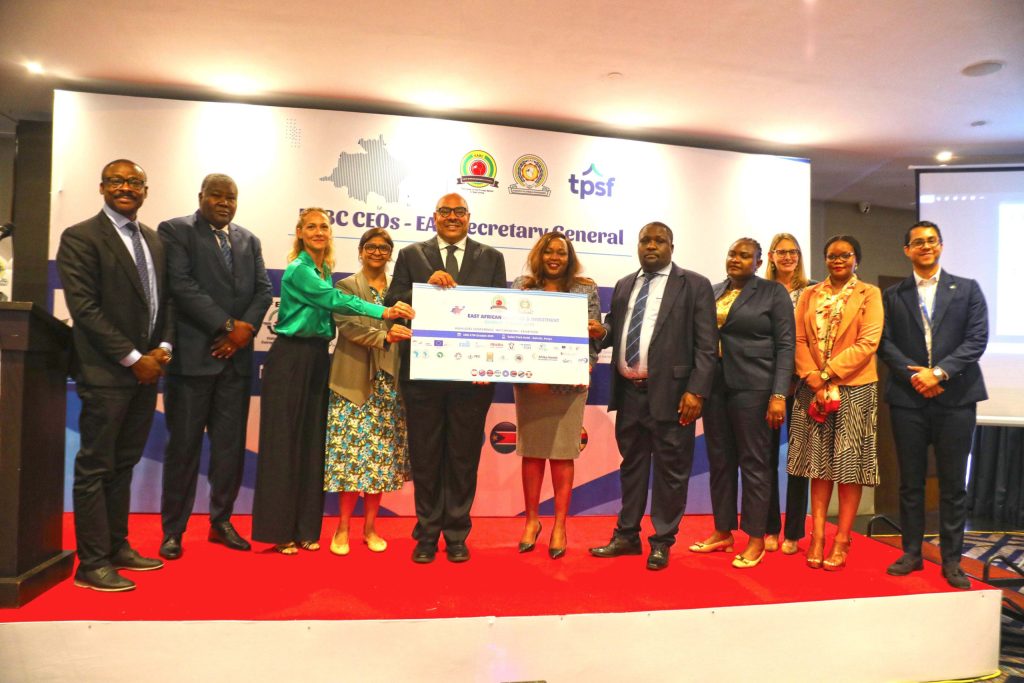
 The resolution of the East African Business and Investment Summit & Expo 2026, which was signed by the Hon. Beatrice Askul Moe, Chairperson of EAC Council of Ministers & Mr. John Lual Akol Akol, Chairperson of the East African Business Council Key Resolutions of the East African Business and Investment Summit 2026.
I. Insight Exchange: Enhancing Intermodal Transport and Infrastructure Connectivity
a) Digitalized, interoperable, and automated customs processes, and centralized cargo declarations to facilitate seamless cross-border trade.
b) 24/7 border operations and harmonization of transport and logistics levies to improve efficiency along corridors and reduce cargo delays.
c) Continue enhancing investments in rail, pipelines, cold chain systems, industrial parks, and other strategic infrastructure to lower logistics costs and facilitate the movement of cargo.
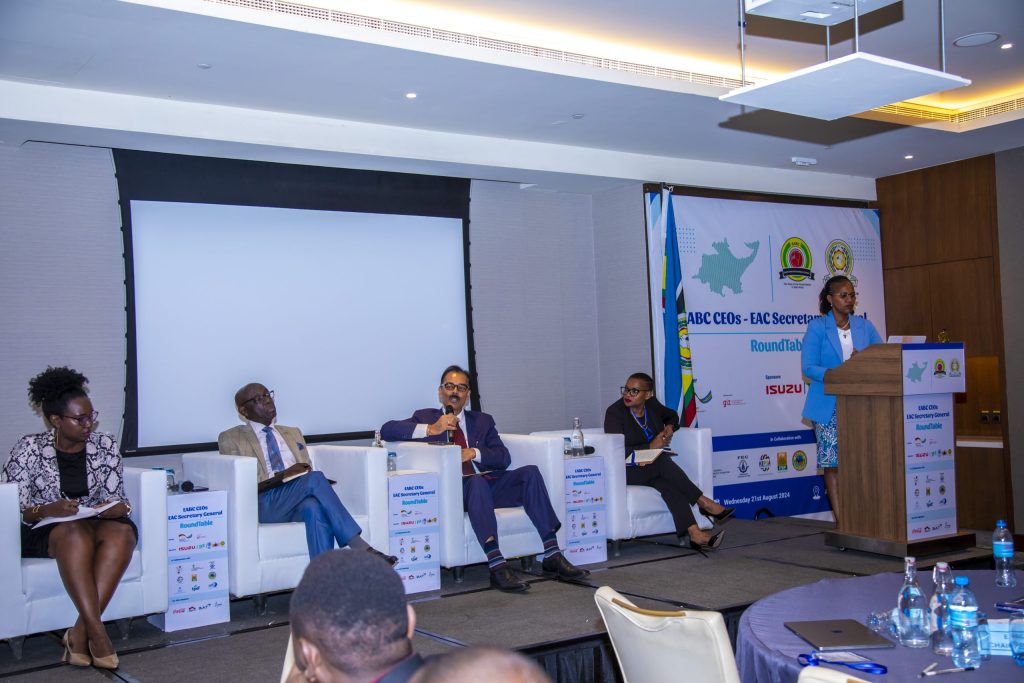
II. High-Level CEOs Dialogue – Unlocking the Potential of Trade in Services:
a) EAC Partner States to fully implement existing commitments on trade in services, eliminate domestic regulatory hurdles, and remove restrictions that continue to fragment the services market and raise transaction costs, with the intention of achieving a fully integrated regional services sector.
b) Expedite the harmonization of regulatory frameworks governing trade in services to reduce fragmentation and facilitate the movement of professional services across the EAC.
c) EAC Partner States should set clear timeframes for achieving a fully integrated regional services sector as the region moves toward the goal of a single currency, which is the climax of the EAC Monetary Union and the third stage of the EAC integration process.
d) Regional payment systems should be interoperable and spearhead long-term aspirations for a single currency to curb costs associated with exchange rates.
 III. High-Level CEOs Dialogue – Driving Industrialization in East Africa
a) Elimination of all Non-Tariff Barriers (NTBs) and refraining from introducing new NTBs.
b) EAC Partner States should set timelines for the full implementation of all commitments under the Single Customs Territory (SCT) framework to facilitate the free circulation of goods to and from the region and across the EAC Partner States.
c) All EAC Partner States should treat all EAC-originating manufactured goods as transfers and refrain from enacting discriminatory laws that treat EAC-originating goods as imports.
d) EAC Partner States should uniformly apply the EAC Common External Tariff to safeguard last-mile investments in the industrial sector and promote export-led, value-added economic growth and regional value chains.
e) Public-Private Partnerships (PPPs) should be strengthened to mobilize private capital for regional industrialization in selected strategic regional value chains, including pharmaceuticals, motor vehicles, textiles, leather, and agro-processing.
f) EAC Partner States should expeditiously harmonize domestic taxes (excise duties and VAT), levies, fees, and other charges of equivalent effect on goods and refrain from applying discriminatory fiscal measures to EAC-originating goods.
 IV. Open Skies: Advancing Air Transport Liberalization for a Borderless Africa
a) All EAC Partner States should expeditiously adopt the Single African Air Transport Market.
b) EAC Partner States should extend air transport liberalization to fifth freedom rights, allowing airlines to carry passengers and cargo between any two countries and onward to a third country.
c) EAC Partner States should expeditiously finalize and implement the EAC Liberalization of Air Services Regulations.
d) EAC Partner States should strengthen regulatory harmonization, reduce excessive taxes, fees, and charges on aviation, enhance facilitation measures, and implement market access reforms that support seamless mobility and regional connectivity.
e) EAC Partner States should create a conducive environment that encourages the business community to actively support air services liberalization efforts, invest in connectivity solutions, and advocate for policy reforms that improve the operating environment for aviation and trade.
f) Partner States should make strategic efforts to improve connectivity, reduce barriers to mobility, lower the cost of travel, and strengthen the environment for trade and investment in the aviation sector to deliver outcomes for open skies and regional integration.
 V. Leveraging Regional and Continental Integration
a) Recognize the importance of undertaking investment facilitation measures to ease sustainable investment expansion and retention.
b) Partner States that are already party to the WTO Investment Facilitation for Development Agreement (IFDA) are encouraged to seek technical assistance and capacity building (Section V of the Agreement) to support investment facilitation assessments.
c) Partner States covered by the AfCFTA Investment Protocol can leverage complementarities with the IFDA.
d) Partner States should accelerate domestication and implementation of regional commitments, with a deliberate focus on boosting intra-EAC trade and supporting industrialization.
e) Address structural constraints facing manufacturers, particularly high energy costs, inadequate transport infrastructure, and weak road networks.
 Governments should prioritize industrial infrastructure corridors and reliable power supply to enhance productivity and regional value chains.
f) Develop regional financing mechanisms and blended finance instruments to provide affordable, long-term capital for firms investing in expansion, technology upgrading, and research and development (R&D).
g) Streamline taxes, sanitary and phytosanitary (SPS) measures, and technical requirements through harmonized regional frameworks.
 Promote mutual recognition of standards within the East African Community to reduce duplication, compliance costs, and trade delays.
h) Enhance accessible and efficient dispute resolution systems at regional and continental levels to protect investors and traders, ensuring predictability and confidence in cross-border commerce.
i) Invest in interoperable digital trade facilitation systems, including customs, cargo tracking, and single window platforms, to reduce logistics bottlenecks and lower the cost of doing business.
j) Support the development and regular updating of user-friendly digital market access tools to help businesses navigate tariff schedules, rules of origin, SPrequirements, and regulatory procedures across African markets.
VI. Broaden Digital Tax Stamps Beyond Revenue Collection – Enhancing Trade
a) Adopt a unified EAC track-and-trace system that enables interoperability and traceability of goods across the region.
b) Revenue authorities in EAC Partner States should explore opportunities to reduce DTS costs to enhance compliance among manufacturers and traders of excisable goods and improve sustainability.
c) Revenue authorities should explore ownership of digital tax stamp systems.
Digitalization of the DTS system with greater ownership will result in effective monitoring of revenue and improved tracking and traceability of products in the market.
In the long run, the DTS system should not impose any financial burden on manufacturers nor increase costs.
d) Broader public stakeholder engagement with the intention of including the private sector in developing systems/technology that create a win-win situation for both public and private sectors.
e) Leverage gains from existing regional initiatives such as the Regional Electronic Cargo Tracking System (RECTS). EAC Partner States can embark on regional systems that combat cross-border illicit trade and facilitate legitimate trade.
 VII. Unlocking SME Growth: Access to Finance and Mentorship for Africa’s
Emerging Enterprises
a) Governments and financial institutions should transition from collateral-based lending to digital, data-driven credit assessment models that use mobile money records, supply chain transactions, and cash flow history to expand working capital access for informal SMEs.
b) Partner States should scale up credit guarantee schemes and blended finance instruments to de-risk SME lending.
c) Commercial banks should allocate a defined share of their portfolios to SMEs, particularly women- and youth-led enterprises.
d) Comprehensive financial literacy, coaching, mentorship, and digital bookkeeping programs must be implemented to improve SME record-keeping, bankability, and compliance with financing requirements.
e) Support SME clustering and cooperative production models, particularly in sectors such as leather and agro- processing, to improve economies of scale and access to finance.
f) Harmonize cross-border trade procedures, simplify documentation requirements under the Simplified Trade Regime (STR), and improve access to real-time market information to enable SMEs to trade competitively within the region.
g) Strengthen collaboration between development finance institutions and commercial banks to provide medium- and long-term concessional financing for SMEs.
h) Develop and regularly update digital market access tools providing information on tariffs, taxes, SPS requirements, and documentation procedures across Partner States.
i) Establish emergency financial support and recovery measures for SMEs during economic shocks such as pandemics.
j) Identify priority regional and international standards and provide targeted capacitybuilding programs to help SMEs meet conformity requirements.
 VIII. Strengthening Digital Trade / E-Commerce in the EAC
a) Partner States should align their national laws with the East African Community Regional E-Commerce Strategy and the African Continental Free Trade Area Protocol to ensure a coherent and predictable digital trade environment.
b) Governments should mandate cross-border digital payment interoperability across the region to reduce transaction costs and facilitate seamless e-commerce transactions.
c) The region should adopt unified standards for courier and logistics services to enable efficient, reliable, and seamless last-mile delivery across borders.
d) Establish a harmonized regional consumer protection framework to build trust, safeguard online buyers and sellers, and provide effective mechanisms for resolving cross-border digital trade disputes.
e) Introduce targeted incentives and support programs to accelerate MSME adoption
of e-commerce platforms and enhance their participation in regional and continental digital markets.
 IX. Non-Tariff Measures (NTM) Self-Assessment Tool Launch Event & MSME Financing Gateway
a) MSMEs, trade associations, and relevant stakeholders are encouraged to adopt the NTM Self-Assessment Tool to enhance compliance, reduce export-related risks, and facilitate strategic market expansion.
b) EAC Partner States and regulatory bodies are urged to strengthen transparency and accessibility of trade regulations, ensuring businesses can easily understand country-specific requirements and reduce compliance uncertainties.
c) Governments, development partners, and private sector organizations should prioritize training programs for MSMEs on using digital tools for trade intelligence, compliance assessment, and market readiness.
d) EAC Partner States commit to accelerating regulatory convergence and alignment of technical, sanitary, and phytosanitary standards to support seamless intraregional trade.
 X. Breakout Session: Mutual Recognition Agreements for Engineers
a) EAC Partner States should adopt a time-bound and enforceable roadmap for full implementation of the Engineers’ MRA.
b) Governments should provide harmonized incentives, including preferential access to regional projects, for engineers registered under the MRA.
c) The EAC Secretariat should establish a centralized digital platform with clear information on MRA eligibility, procedures, and mobility rights.
d) All MRA documentation and procedures should be made available in official EAC languages to enhance accessibility.
e) Partner States should implement a digital, interoperable licensing and credential verification system to enable seamless cross-border professional mobility.
XI. Unlocking Private Capital for Green Logistics in East Africa
a) Develop bankable green logistics projects – Structure projects with clear policy protocols, financing packages, and risk-sharing mechanisms to attract private capital and ensure long-term viability.
b) Enhance policy and regulatory clarity – Standardize licensing, tariffs, and codes (e.g., electric bicycles) to reduce barriers, increase adoption, and unlock regional trade benefits.
c) Strengthen public-private collaboration –Governments, corridor authorities, and private sector players should coordinate to create scalable infrastructure and market-ready solutions for green mobility.
d) Introduce financial incentives and risk mitigation measures – Provide subsidies, insurance solutions, or blended finance options to mitigate initially high costs and perceived risks, fostering private sector investment in sustainable transport.
e) Invest in market data and demonstration projects – Collect and share operational and financial data to reduce perceived investment risks and demonstrate the profitability of green logistics solutions.
f) Expand energy and charging infrastructure – Prioritize renewable energy availability, charging stations, and operational support along major corridors and rural areas to enable wider deployment of green logistics.
g) Support local assembly and regional supply chains – Encourage local production and assembly of electric vehicles and infrastructure components to lower costs,
improve accessibility, and leverage economies of scale across East Africa.
h) Promote capacity building and awareness – Train drivers, operators, and policymakers on green logistics technologies and their economic, environmental, and operational benefits.
The Summit expressed its sincere appreciation to the German Development Cooperation, TradeMark Africa, the European Union, the International Trade Centre, the African Development Bank, the East African Development Bank, Isuzu East Africa, RSM Eastern Africa, and the African Civil Aviation Commission for their invaluable partnership and
generous contributions, which enabled the successful hosting of this prestigious Summit and Expo.
The East African Business and Investment Summit & Expo 2026 was officially closed by Mr. Dennis Karera, Vice Chairperson of the East African Business Council (EABC), who expressed appreciation to the Government of the Republic of Kenya, led by H.E. Dr. William Samoei Ruto, Chairperson of the EAC Heads of State Summit, for hosting the event, and urged stakeholders to prioritize implementation of the Summit resolutions in order to translate dialogue into action and drive measurable regional trade and investment growth.