Nura Kemis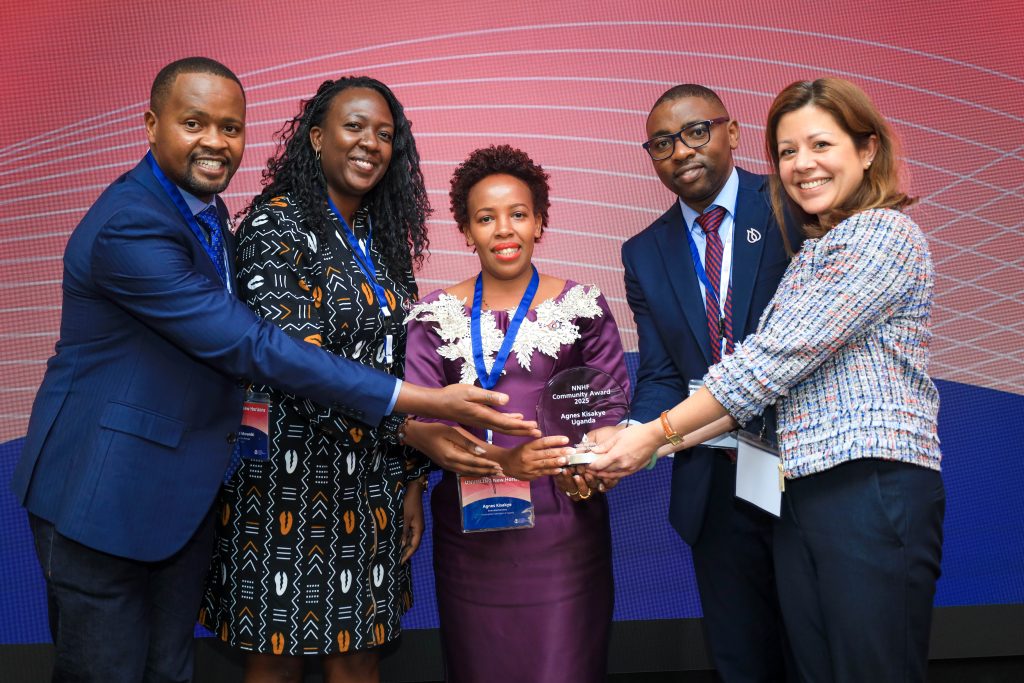
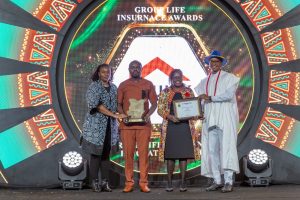
Agnes Kisakye from Haemphilia Foundation of Uganda (Centre), receiving an award from the Novo Nordisk Haemophilia and Hemoglobinopathies Foundation team; Llyord Mwaniki, Carole Gatoto, Amos Gitonga and Natasha Honnan.
- Novo Nordisk Haemophilia Foundation Broadens Mandate to include Sickle Cell Disease and Thallesemia;
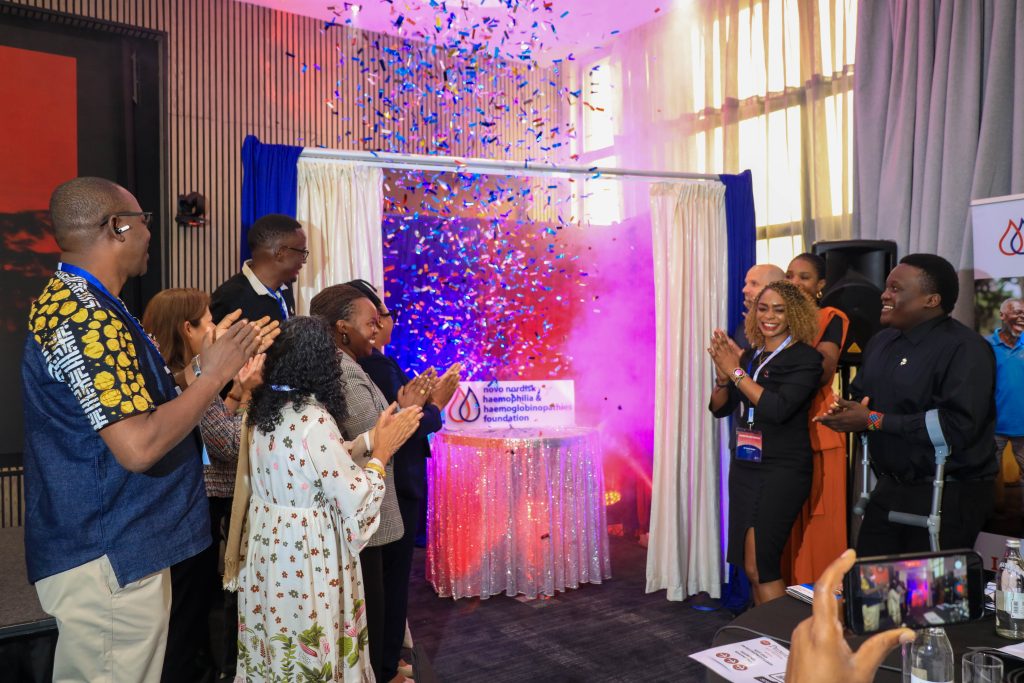
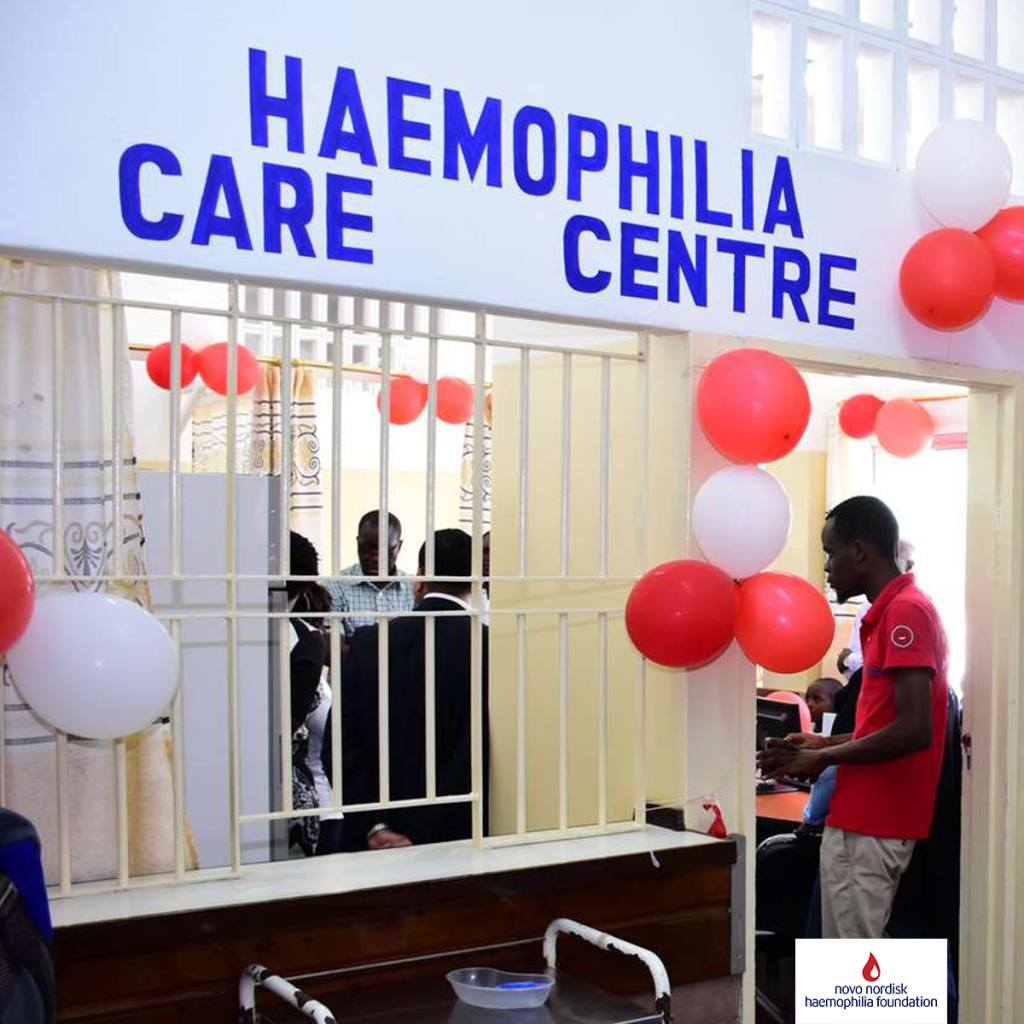
Novo Nordisk Haemophilia Foundation (NNHF) has expanded its focus from haemophilia to formally include haemoglobinopathies, specifically sickle cell disease and thalassemia, prompting a name change to the Novo Nordisk Haemophilia and Hemoglobinopathies Foundation (NNHF) to recognise clinical synergies and shared systemic barriers.
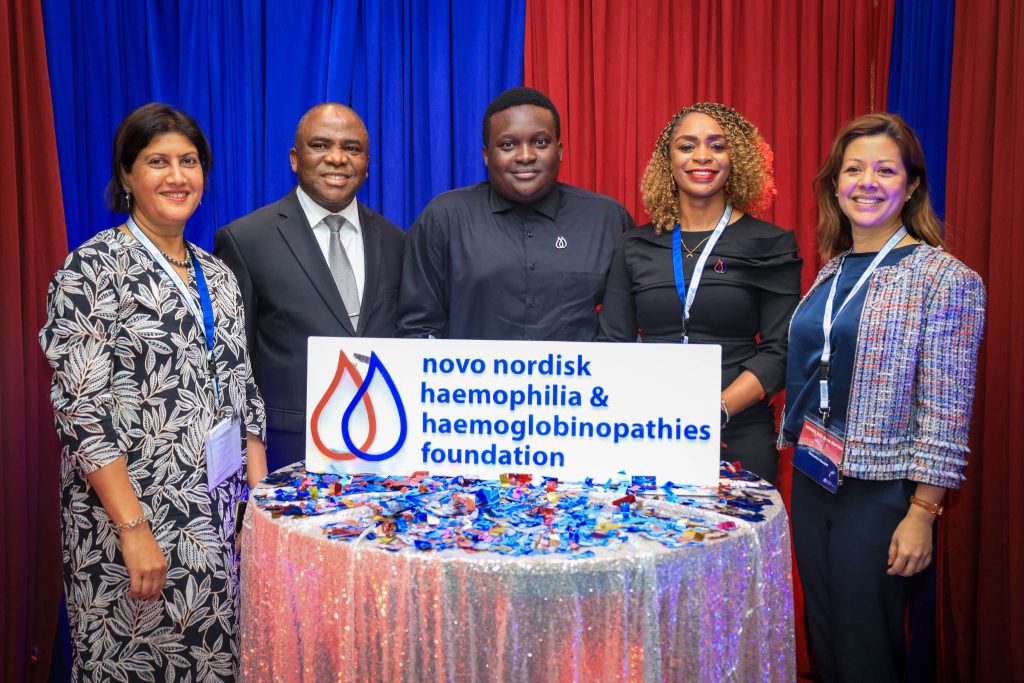
This evolution marks an enhanced commitment in Africa, which is the leading beneficiary of the Foundation with programmes in at least 28 countries.
The continent remains a hub for collaboration, empowering African countries to achieve self-sufficiency by building resilient, locally anchored systems that lead their own progress.
Over the last 20 years, NHHF has supported programmes on haemophilia in low and middle-income countries worldwide.
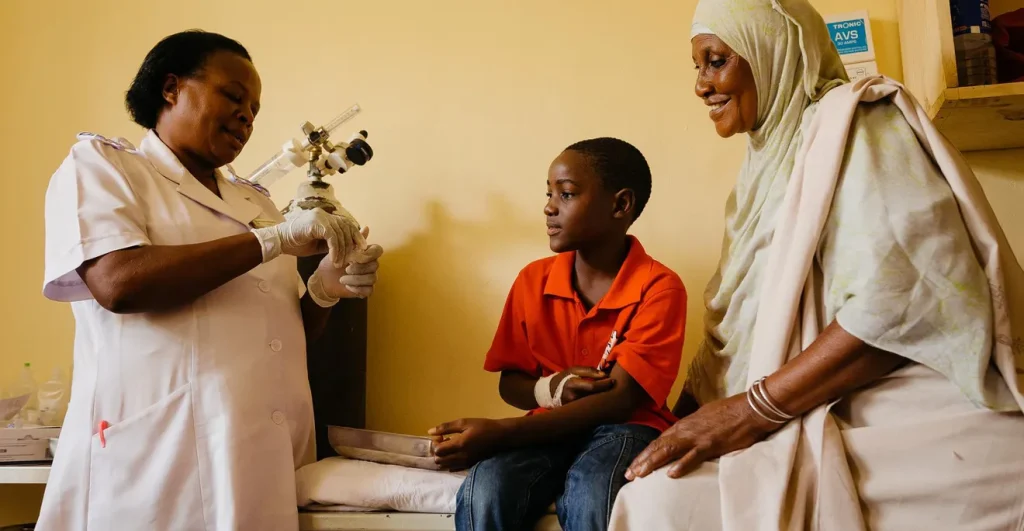
The World Health Organisation(WHO) estimates that each year, between 300,000 and 400,000 children are born with sickle cell disease in Africa, representing approximately two-thirds of the global burden.
In recent years, there has been growing momentum and focused action to combat sickle cell disease globally, with Africa at the forefront of many new initiatives.
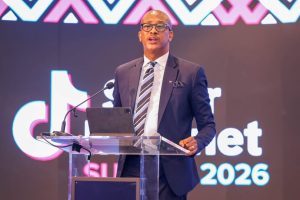
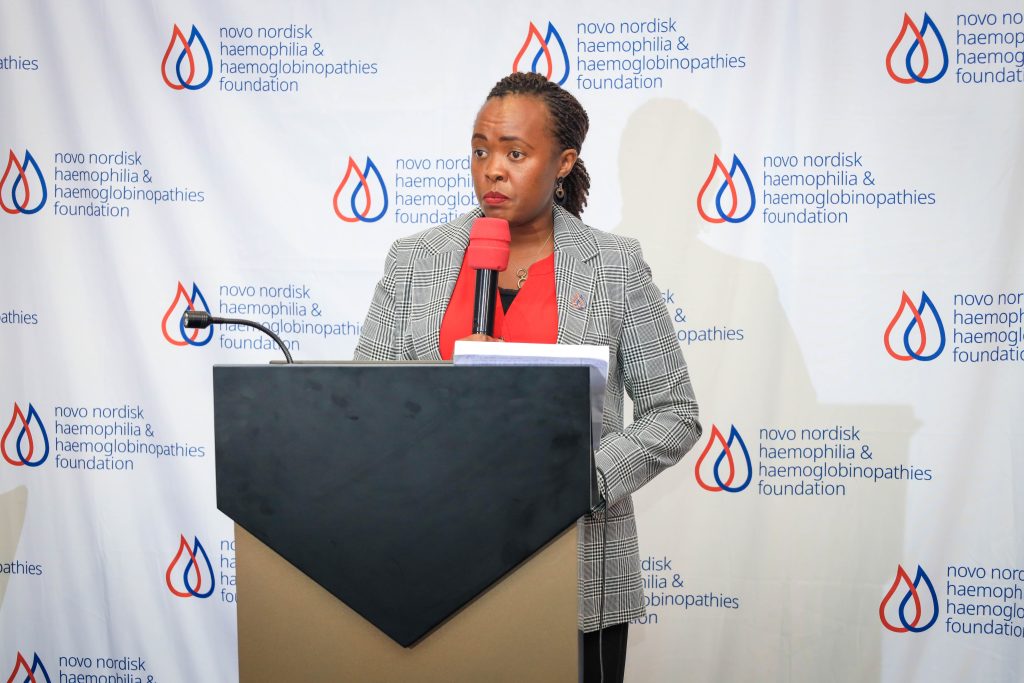
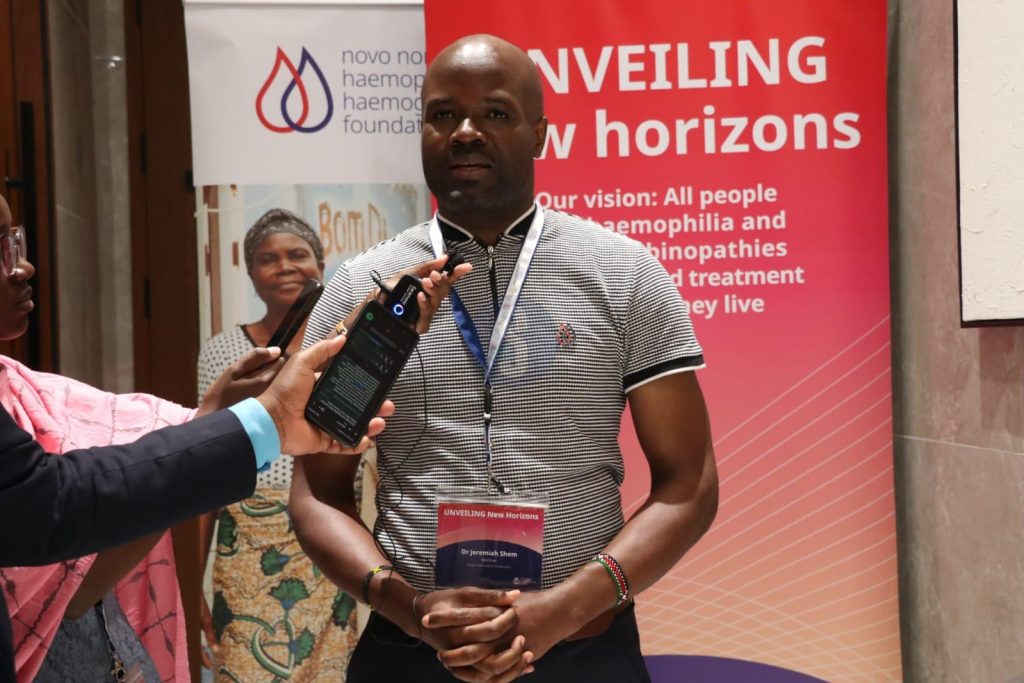
In her opening remarks, Natasha Honan, Senior Advocacy & Communications Manager, NNHF, noted that the organisation is aiming to improve care for over 10 million affected individuals, primarily in low- and middle-income countries. She also said that NNHF will focus on Africa, promoting self- sufficiency and integrated care.
 With a new funding partnership from the Novo Nordisk Foundation, and continued funding from Novo Nordisk, she announced plans to scale up their reach, aiming to reach 100,000 beneficiaries by 2030.
She went on to outline that the strategy includes data-driven advocacy, strengthening diagnostics, training healthcare workers, and aligning policies, with the goal of ensuring sustainable, locally led care.
Emma Muraguri from the Novo Nordisk Foundation (NNF), highlighted that NNF supports medical research, hospital activities, and international initiatives in diabetes and other health areas.
 With a history dating back to insulin production, NNF has expanded to encompass cardiometabolic diseases, food and agricultural systems, and antimicrobial resistance technology.
She highlighted recent achievements, including high-impact projects in East Africa and India, the establishment of
centres of excellence, and new diagnoses.
 She said that NNF emphasises scalability, partner codification, and data-driven advocacy for systemic change.
Dr Yvette Kisaka, Representative, Ministry of Health(MoH), Kenya, emphasised the Ministry of Health’s commitment to providing high-quality care, developing updated guidelines for sickle cell and haemophilia, and piloting an infant screening program in five counties.
 She emphasised the importance of aligning interventions with their vision and highlighted ongoing efforts to increase
access to essential medications, such as hydroxyurea, and to improve health workforce training.
She also emphasised the importance of collaboration and sustainability in healthcare programs.Dr Adelard Kakunze, Technical Officer, CDC, noted that Africa CDC’s continental plan aims to provide early diagnosis, quality care, and equitable access through eight strategic pillars: governance, prevention, integrated health systems, equitable access, human resource capacity, psychosocial support, health financial systems, and data surveillance.
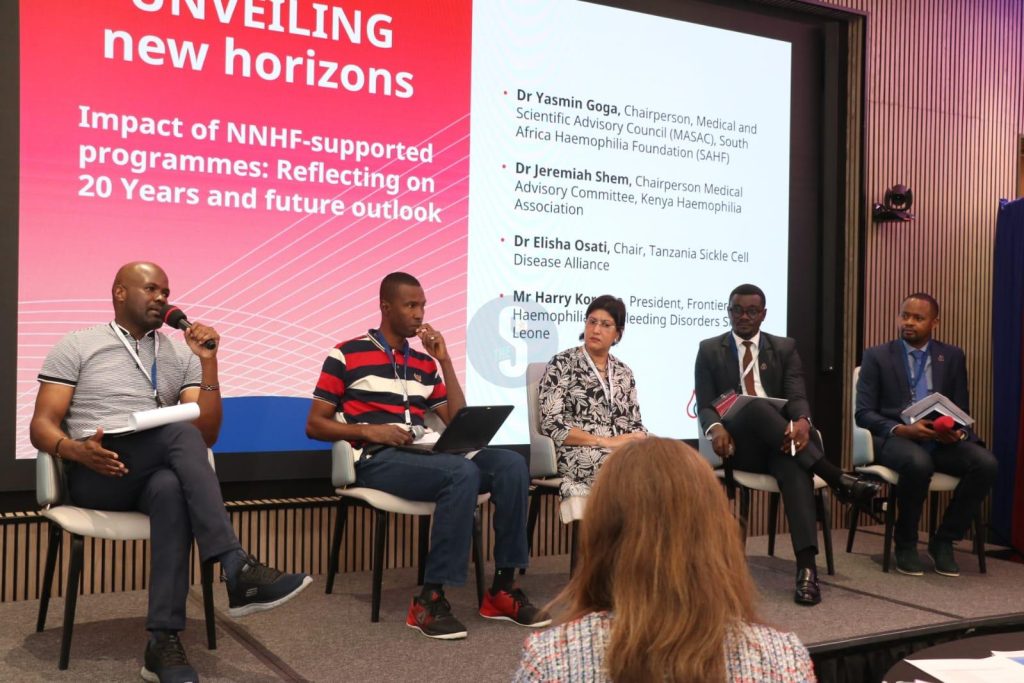 He stated that the plan aims to achieve 70% newborn screening by 2035, train a skilled workforce, and enhance data systems.
Dr Adiele Oyenze, Officer-In-Charge, World Health Organisation (WHO) -Kenya, highlighted the shift in focus towards hemoglobinopathies, particularly sickle cell disease and haemophilia, in Africa, referring to the WHO data, which estimates that 300,000 to 400,000 children are born with sickle cell disease annually in Africa, with many dying before age five despite effective, low-cost interventions.
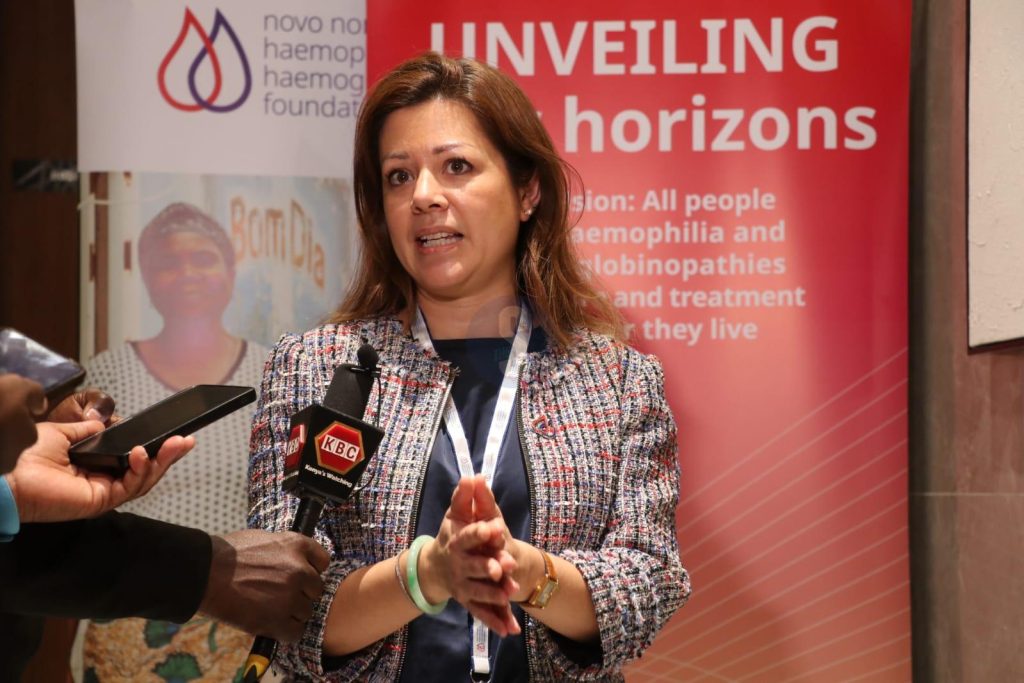 He also said that haemophilia is underdiagnosed, with only 9% of cases identified.He insisted that collaboration among countries, improved diagnostic capacity, and access to essential medicines are crucial for sustainable progress.
Also present in the event were key stakeholders from English- Portuguese- and French-speaking Africa, including government officials, healthcare professionals, representatives from relevant patient organisations, and caregivers, to initiate the collaborative journey towards improved care and outcomes for people living with haemophilia and sickle cell disease across Africa As the NNHF expands its vision to include haemoglobinopathies, specifically sickle cell disease (SCD) and thalassaemia, the continent’s pivotal role in addressing these conditions cannot be overstated.
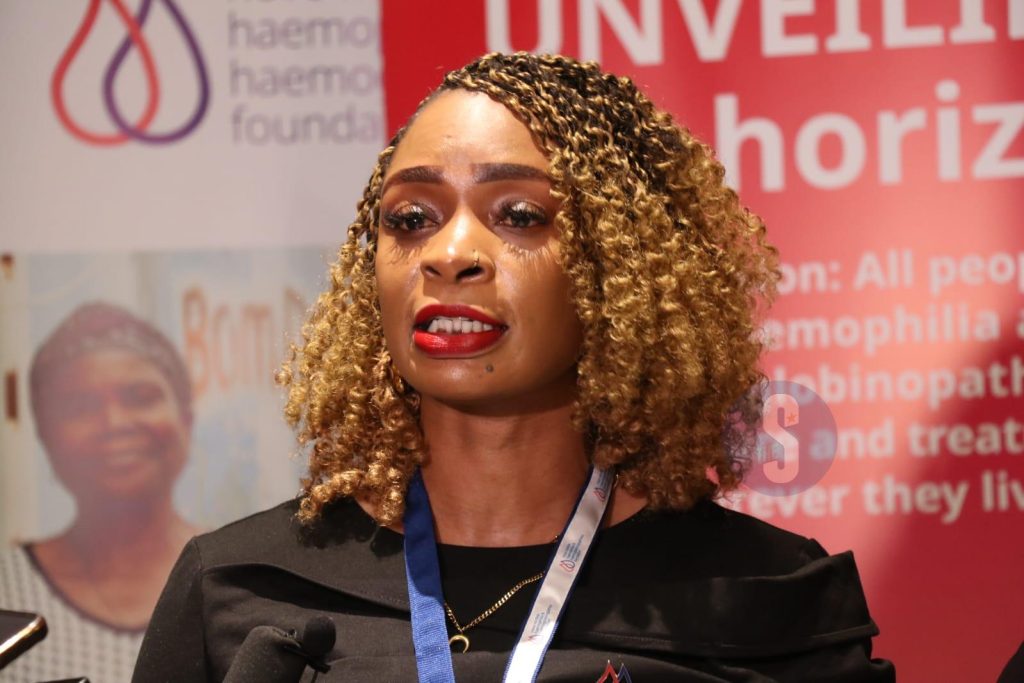 Despite Africa’s significant burden of disease, diagnosis rates for haemophilia remain low, leaving many without access to essential care.
This expanded vision perfectly aligns with NNHF’s strategy, which aims to achieve self-sufficiency for haemophilia care in at least fifteen countries (the majority of which are from the African continent) and to explore an integrated approach to managing haemophilia and sickle cell disease in most, if not all, of the countries most highly burdened by SCD.