Paul Arithi
The Monetary Policy Committee (MPC) decided to maintain the Central Bank Rate (CBR) at 8.75 percent, during its meeting held on April 8, 2026.
During its deliberations, the Committee noted that:
• The conflict in the Middle East has disrupted global supply chains, leading to significantly higher energy prices and heightened risks to the global economic outlook.
 Prior to the conflict, global growth was projected to remain steady at 3.3 percent in 2026, but is now expected to moderate due to effects of higher inflation and reduced demand arising from the higher energy prices and elevated uncertainties.
Additionally, elevated trade policy uncertainty and the Russia-Ukraine conflict remain key risks to growth.
• Global inflation is expected to increase in 2026 on account of higher energy prices and fertiliser costs attributed to the supply disruptions from the conflict.

Inflation rates in the major economies have remained above target due to the stickiness in core inflation, and the recent increase in energy prices.
Central banks in the major economies have kept their policy rates unchanged as they assess the impact of the conflict on their inflation and growth outlooks.
International oil prices have risen sharply and remained volatile due to supply chain disruptions and elevated uncertainties attributed to the conflict.
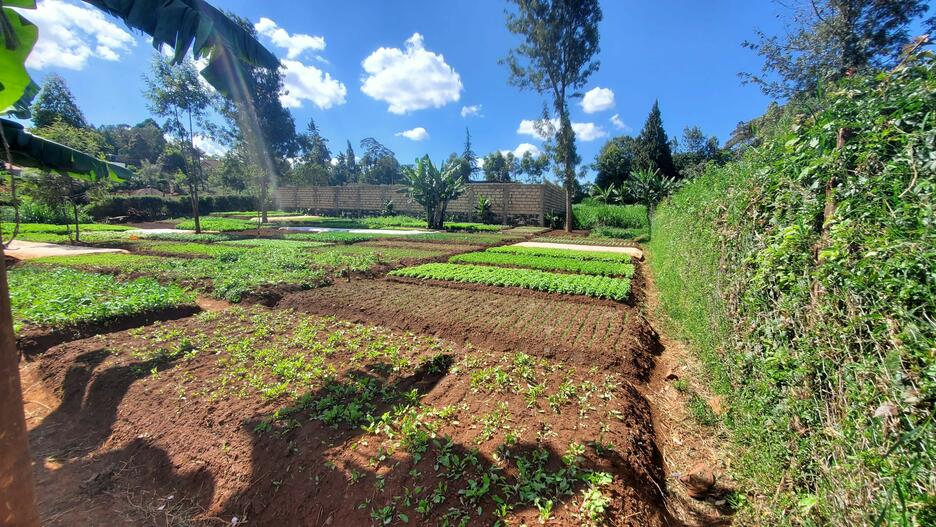 Food inflation has increased modestly, mainly driven by higher inflation rates for edible oils and cereals prices.
• Kenya’s overall inflation stood at 4.4 percent in March 2026 compared to 4.3 percent in February, and remained below the mid-point of the target range of 5±2.5 percent.
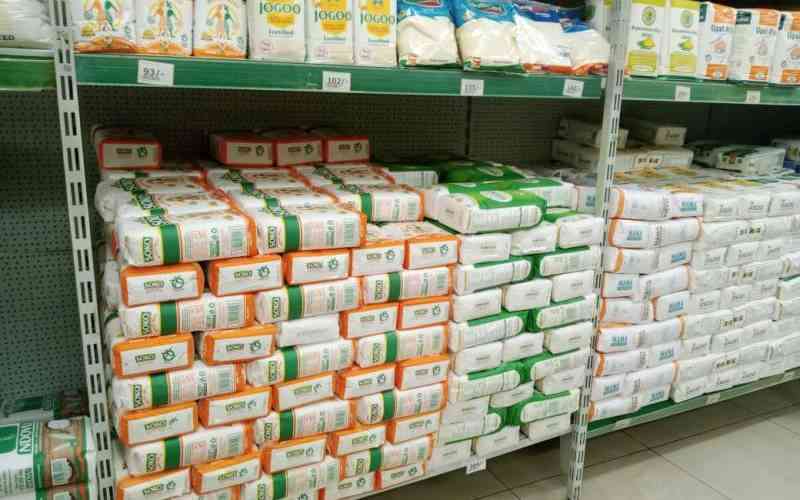
Core inflation remained stable at 2.1 percent in February and March, supported by lower prices of some processed food items, particularly sugar and maize flour.
Nevertheless, non-core inflation increased to 10.8 percent in March from 10.1 percent in February, mainly driven by higher prices of some vegetables, particularly tomatoes and Irish potatoes.
Despite expected upward pressure from higher energy prices, overall inflation is expected to remain within the target range in the near term, supported by appropriate monetary policy actions, expected stability in food prices attributed to favourable weather conditions, and a broadly stable exchange rate.
• The Kenyan economy remained resilient in 2025, with real GDP growth estimated at 5.0 percent compared to 4.7 percent in 2024, supported by a rebound of the industrial sector,resilience of the services sector, and stable agriculture sector growth.Leading indicators of economic activity point to continued resilient performance in the first quarter of 2026.
The growth of the economy is projected at 5.3 percent in 2026 compared to the previous projection of 5.5 percent, reflecting the emerging risks of the conflict in the Middle East on the performance of some key sectors of the economy. This outlook is subject to risks ,particularly a prolonged conflict in the Middle East, and elevated trade policy uncertainties.
• Respondents to the March 2026 Agriculture Sector Survey expect stable food prices attributed to favourable weather conditions, and stability in exchange rate, to contribute to a stable inflation rate in the near term.
A majority of respondents to the February Survey had expected inflation to decline or remain unchanged on account of lower food prices due to favourable weather conditions.
These expectations changed in the March Survey with most respondents expecting some upward pressure on inflation due to higher international oil prices attributed to the conflict in the Middle East.
• The CEOs Survey and Market Perceptions Survey conducted in March 2026 revealed sustained optimism about business activity and economic growth prospects for the next 12 months.
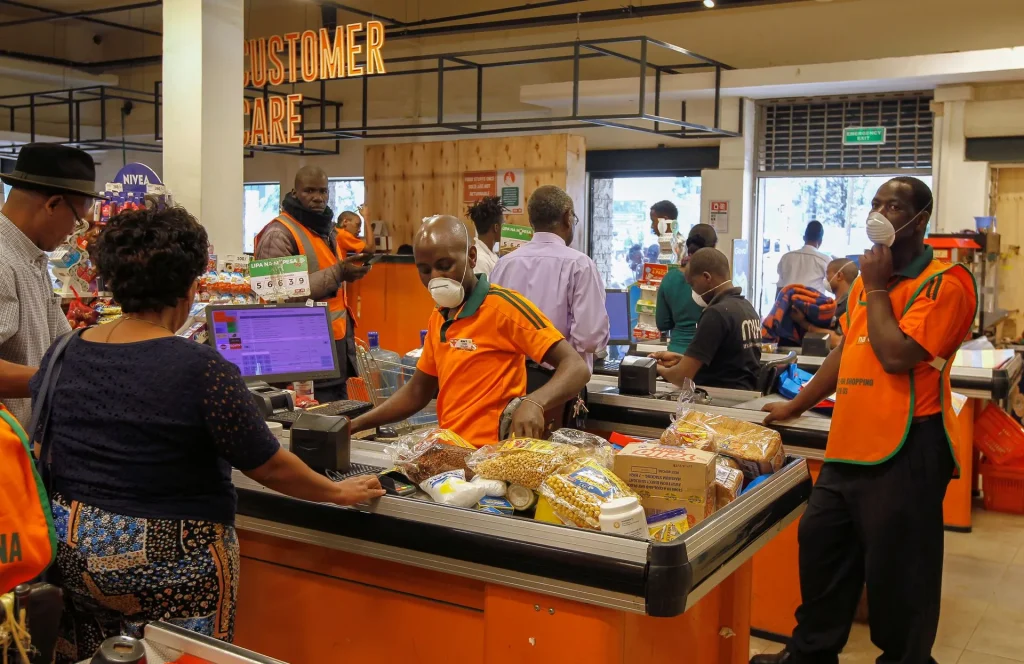 The optimism was attributed to the stable macroeconomic environment with low inflation and stable exchange rate, lower interest rates, expected favourable weather conditions which are expected to support agriculture, increased infrastructure spending, increased digital innovations, and improved private sector credit growth.
Nevertheless, respondents expressed concerns about increased global uncertainties attributed to the conflict in the Middle East, high cost of doing business, and low consumer demand.
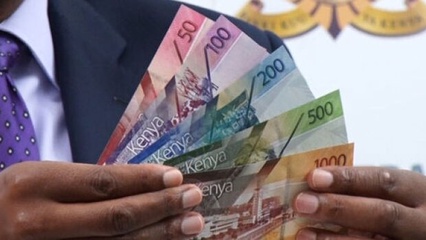 • The current account deficit is estimated at 2.4 percent of GDP in the 12 months to February 2026 compared to 1.3 percent of GDP in a similar period in 2025, due to a higher trade deficit and lower secondary income transfers as a share of GDP.
Goods exports increased by 8.1 percent, driven by horticulture, tea, coffee, food and live animals, and machinery and transport equipment.
Goods imports increased by 10.4 percent, reflecting increases in intermediate and capital goods imports.
Services receipts decreased by 0.5 percent, mainly due to lower receipts from transport services, while diaspora remittances increased by 1.9 percent.
 The current account deficit is projected at 3.0 percent of GDP in 2026 compared to the previous projection of 2.2 percent of GDP, reflecting emerging risks of the conflict in the Middle East, including higher international oil prices, lower receipts from services, slower growth in remittance inflows, and reduced exports.
The current account deficit is expected to be more than fully financed by financial account inflows.
The CBK foreign exchange reserves currently stand at USD 13,354 million (5.68 months of import cover) and continue to provide adequate cover and a buffer against short-term domestic and external shocks.
• The banking sector remains stable and resilient, with strong liquidity and capital adequacy ratios. The ratio of gross non-performing loans (NPLs) to gross loans stood at 15.6 percent in March 2026 compared to 15.4 percent in December 2025, and 17.6 percent in August 2025.

Increases in NPLs were noted in the personal and household, trade, agriculture, and manufacturing sectors.
Banks have continued to make adequate provisions for the NPLs.
• Growth in commercial banks’ lending to the private sector continued to improve and stood at 8.1 percent in March 2026 compared to 7.4 percent in February 2026 and -2.9 percent in January 2025.
Growth in credit to key sectors of the economy, particularly building and construction, trade, agriculture, and consumer durables remained strong, reflecting improved demand for credit in line with the declining lending interest rates.
Average commercial banks’ lending rates stood at 14.7 percent in March 2026, down from 14.8 percent in February 2026 and 17.2 percent in November 2024.
• The revised banking sector Risk-Based Credit Pricing Model (RBCPM) which was fully implemented in March 2026 is expected to improve the transmission of monetary policy decisions to commercial banks’ lending interest rates and enhance transparency in the pricing of loans by banks.
• The Committee noted the ongoing implementation of the FY2025/26 Government Budget, and the planned fiscal consolidation strategy to reduce debt vulnerabilities over the medium term.
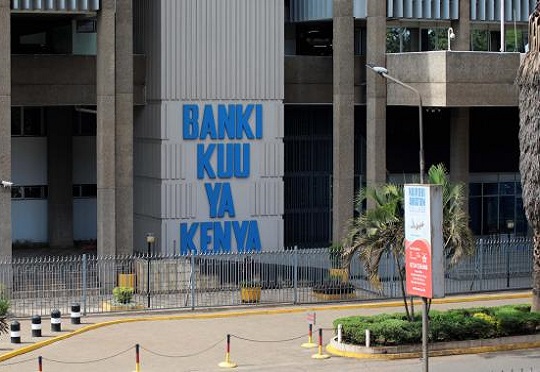 Having considered these developments, the Committee therefore concluded that the current monetary policy stance, with the Central Bank Rate (CBR) unchanged at 8.75 percent, remains appropriate to ensure that inflation expectations remain anchored within the target range,and the exchange rate remains stable.
Additionally, the MPC assessed that there is need to monitor any second-round effects of the recent increase in international oil prices on overall inflation.
 The MPC will closely monitor the impact of this policy decision, the evolution and impact of the conflict in the Middle East, as well as other developments in the global and domestic economies, and stands ready to take further action as necessary in line with its mandate.
The Committee will meet again in June 2026.