Christine Kagendo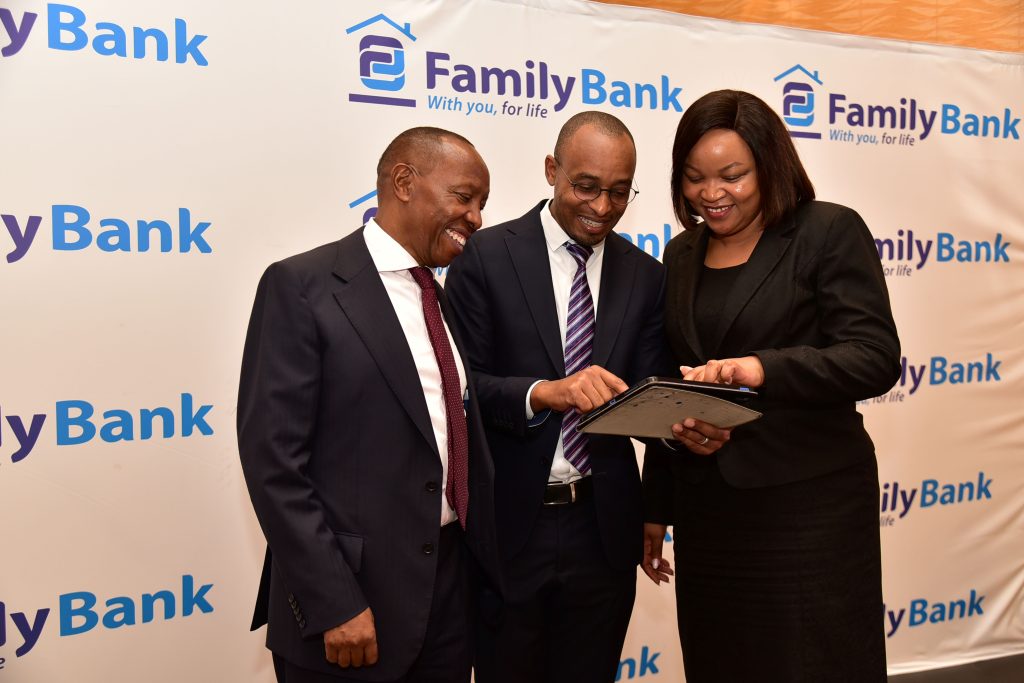
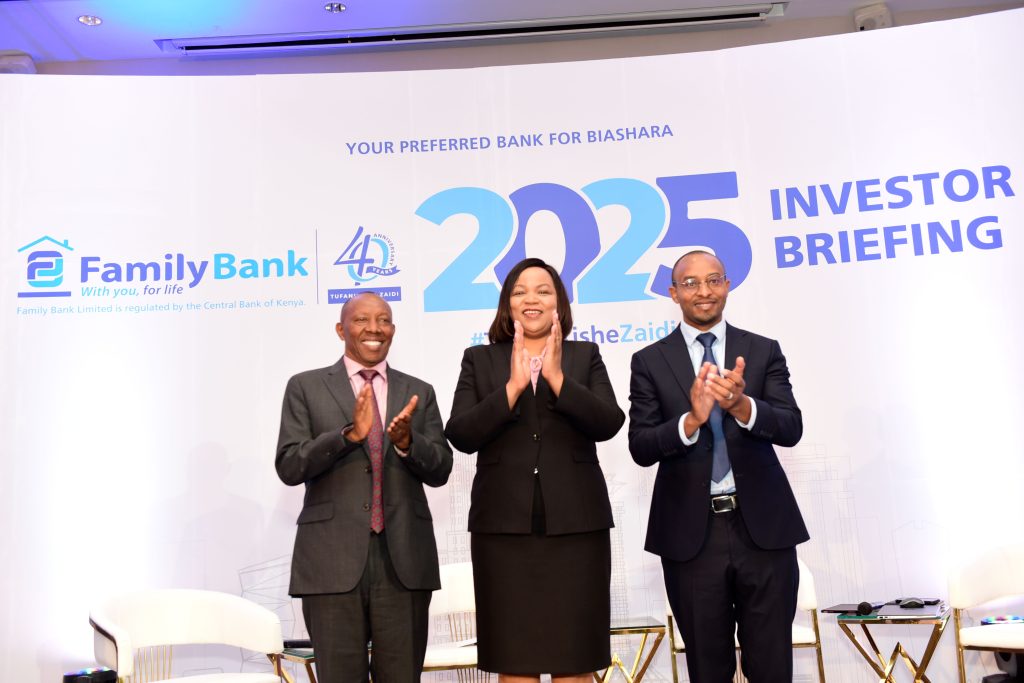
Family Bank Chair Lazarus Muema, CFO Paul Ngaragari and CEO Nancy Njau during the release of the 2025 full-year results, where the Bank reported a 55.4 % surge in Profit After Tax to KES 5.4 billion.
- Family Bank Group Profit after tax Surge by 55.4pc for the Full Year ended 2025;
Family Bank Group Profit After Tax has surged by 55.4% from KES 3.5 billion to KES 5.4 billion for the financial year ended 2025, while Profit Before Tax grew by 61.6% to KES 6.3 billion.
The growth in performance was primarily driven by growth in interest-earning assets and improved income generation, supported by a strengthened balance sheet.
Total assets grew by 23.8% to KES 208.7 billion, driven by a 20% growth in customer deposits and 46% rise in shareholder’s funds reinforcing the Bank’s funding base and overall financial position.
 During the year the bank raised KES 8 billion equity capital through private placement which was oversubscribed by 131%.
 The net loans and advances expanded by 14% to KES 105.9 billion mainly driven by lending to MSMEs while investment in government securities recorded 45% growth to KES 74 billion.
 The growth in interest-earning assets translated into stronger income performance, with net interest income rising by 46% to KES 15.6 billion and non-interest income recording a 5% growth to KES 4.6 billion.
“The year 2025 marked a pivotal start of our five-year strategic plan which is anchored on compelling customer propositions & digital transformation.
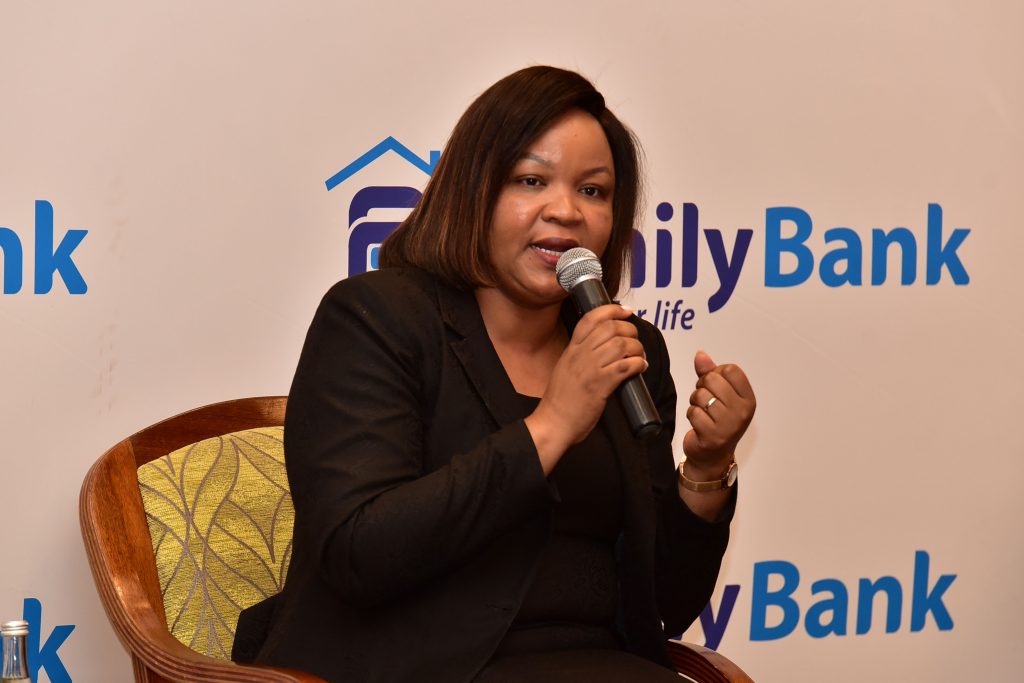
We continued to invest in digital capabilities and optimization of our distribution network to enhance customer experience and improve our product offering, positioning the Bank for sustainable growth,” said Family Bank CEO Nancy Njau.
 “Our continued investments in our employees through capacity building and enabling work environment greatly contributed to the good performance.
Partnerships with Development Finance Institutions strengthened our capacity to lend to key sectors such as SMEs, agribusiness and manufacturing, contributing to the expansion of our loan book,” she said.
 The liquidity ratio remained well above the statutory requirement at 60.9%, while all the capital adequacy ratios remained well above the regulatory threshold.