Paul Arithi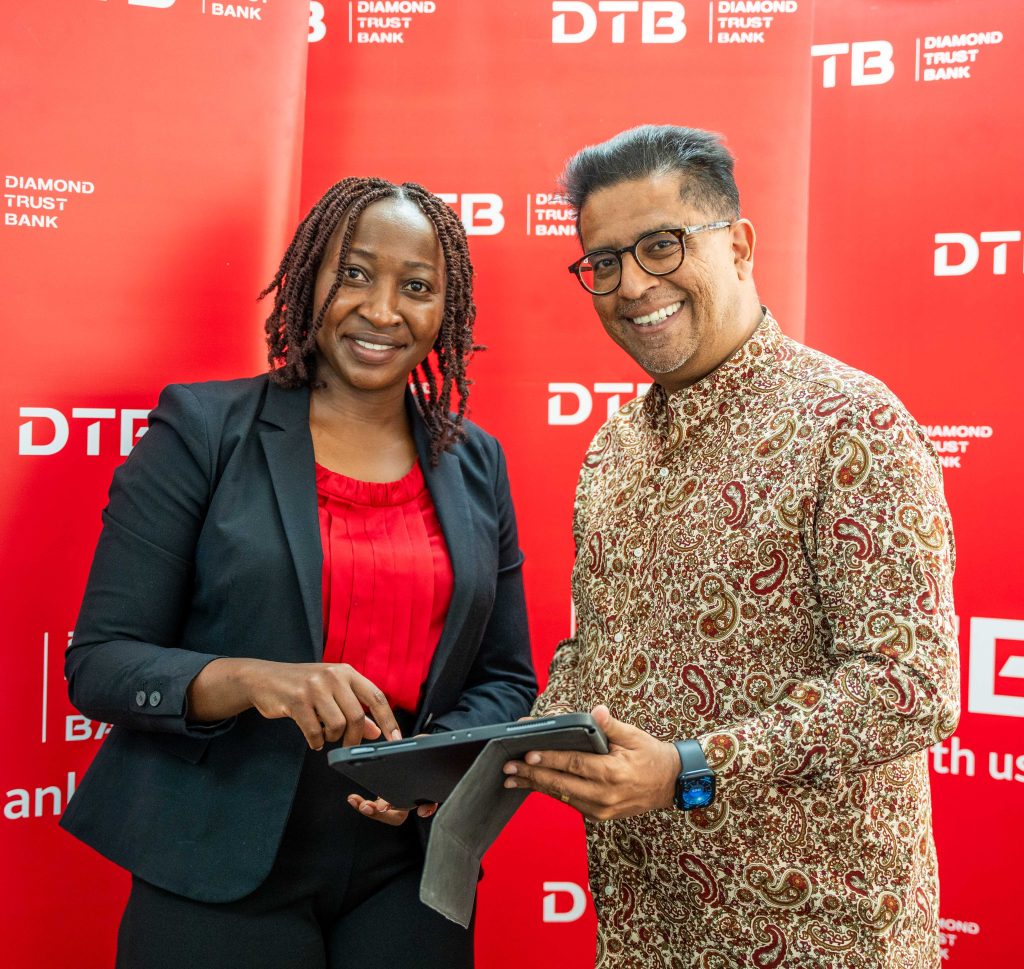
Faith Atiti Head of Strategy and Research, DTB(left) and Alkarim Jiwa Director Finance, DTB
- Government projects and discipline key to Kenya’s economy in 2026, DTB says;
The execution of government projects, fiscal discipline and the management of risks from government borrowing, climate shocks and global uncertainty will determine whether Kenya’s economy continues on the path of recovery, Diamond Trust Bank has said.
DTB projects in its Economic Outlook for 2026 that Kenya’s economic growth will reach 5.3 per cent this year, up from 4.9 per cent in 2025, supported by low inflation, easing financial conditions, recovering domestic demand, targeted spending by the Government, and general macroeconomic stability.
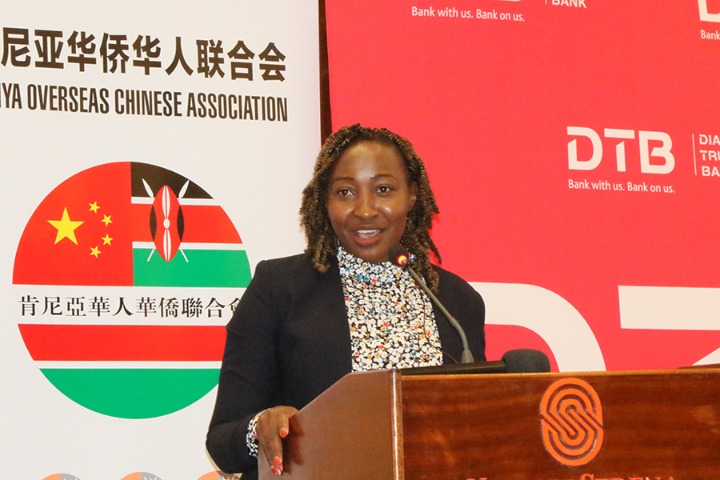
While the recovery will be across the board, said Faith Atiti, DTB’s Head of Research, the pace will vary across various sectors.
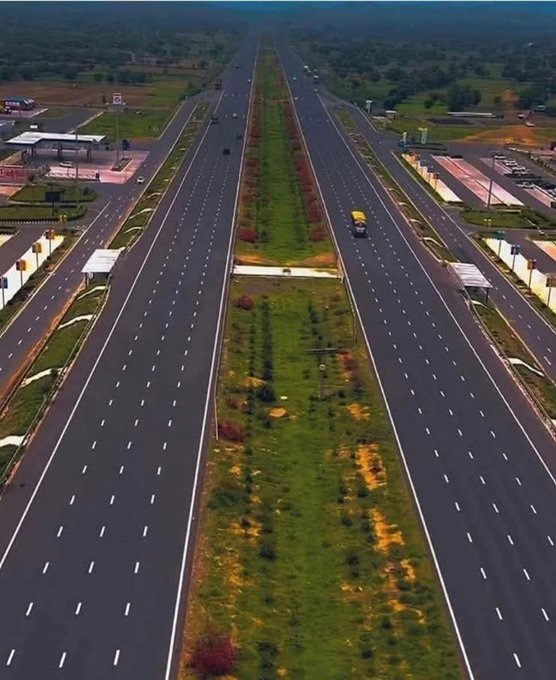
Key government projects currently ongoing include the Affordable Housing across the country, the expansion of the Rironi-Gilgil-Mau Summit Road, and construction of stadiums ahead of the Africa Cup of Nations tournament in 2027.
 Kenya has been on the path of economic recovery over the past two years, driven by -reduced inflation (particularly food inflation), declining interest rates, and a calmer external environment that has seen dollar depreciate & global liquidity improve, enhancing Kenya’s access to international capital markets
 There is more good news for borrowers, with DTB projecting that the CBK will maintain a bias towards reducing the base lending rates to 8.5 per cent from the current 8.0%.
Whether interest rates will actually reduce will however depend on the Government’s appetite for domestic debt, DTB said.
 “Across the region, we expect policymakers to maintain policies aimed at supporting further recovery, reducing the cost of living and driving sustainable growth.
However, an increased shift towards domestic deficit financing could redirect some of this liquidity back to the sovereign, crowding out private development,” said DTB.
DTB forecasts that the effect of the improving economic situation will be felt in Kenyans’ pockets.
“Accelerated economic growth, well managed inflation, strengthening labour markets and the accommodative stance of the central bank are expected to support a gradual acceleration in household incomes and spending,” the bank said in the outlook.
 The bank however predicts that higher income households will feel more of these effects with more Kenyans remaining cautious and spending based on value, prioritising the basics as incomes recover slowly.
DTB also reported that business surveys point to rising employment, which should gradually increase incomes, increase the consumer base and support demand.
Kenya’s debt burden has become a major source of concern over the last five years because it leaves little funds for development, forcing it to borrow from local banks, reducing incentives for lending.
 Over the last three years, good rainfall and the fertilizer subsidy programme have lifted agriculture productivity resulting in reduced food inflation but there are fears that the extended dry periods that follow good rainy seasons could force food prices to go up.
DTB projects that Uganda and Tanzania will outperform Kenya in economic growth in 2026 with risks for the East African region stemming from reduced foreign aid, fiscal pressures, the volatile external environment and emerging socio-political risks.
Uganda and Tanzania are settling down after General Elections in October 2025 and January 2026 respectively while political activities in Kenya have started ahead of the General Election in 2027.