Aiden k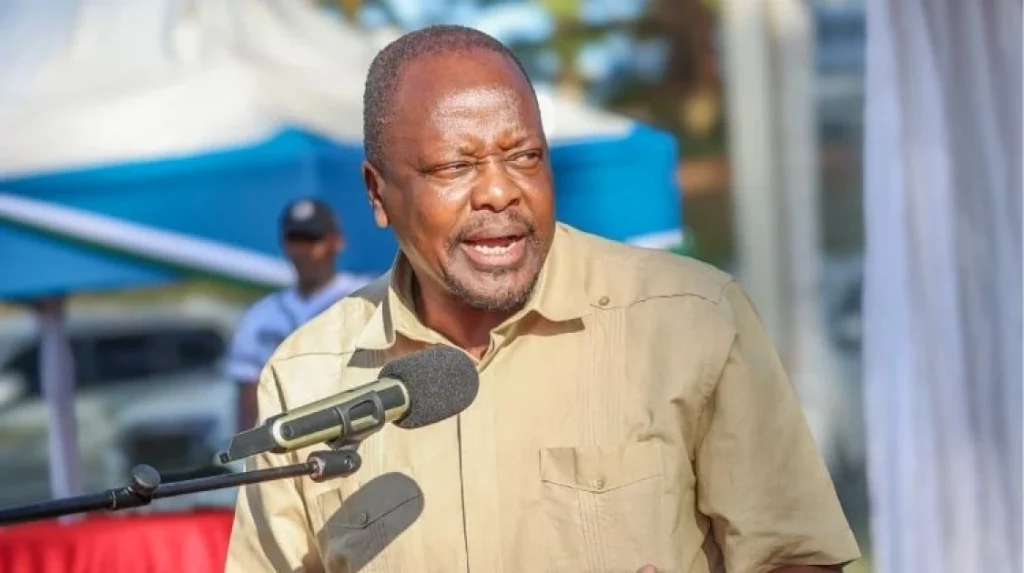
Cabinet Secretary for Agriculture and Livestock Development, Hon. Sen. Mutahi Kagwe
- Kenya to Establish Animal Feed Reserves to Reduce 50 Billion-Shilling Livestock Losses During Drought;
Cabinet Secretary for Agriculture and Livestock Development, Hon. Sen. Mutahi Kagwe, has directed the establishment of national animal feed reserves aimed at preventing billion-shilling losses during drought in a decisive move to safeguard livestock and pastoralist livelihoods.
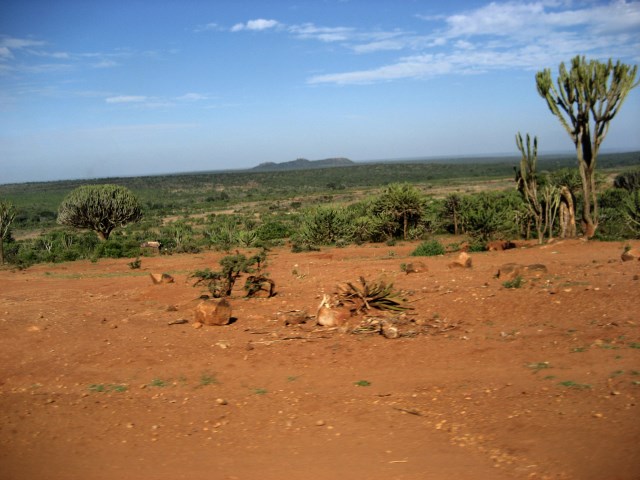
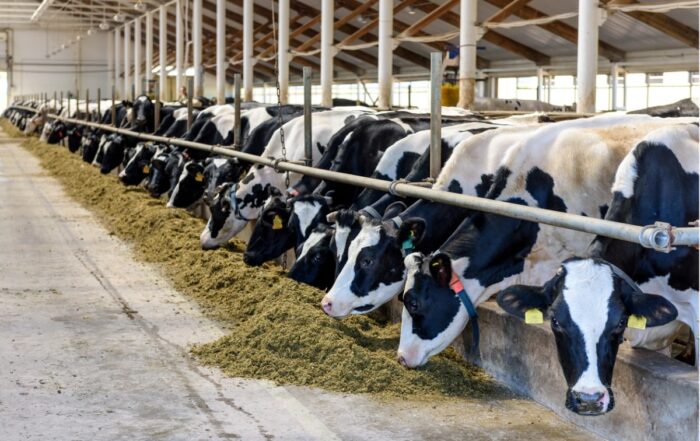 Speaking during the launch of the Emkitha Dairy Cooperative Union in Embu County, Kagwe highlighted the devastating impact of past droughts, noting that the last one claimed over 2.5 million livestock and caused economic losses exceeding KSh 50 billion, crippling pastoralist communities across Arid and Semi-Arid Lands (ASAL).
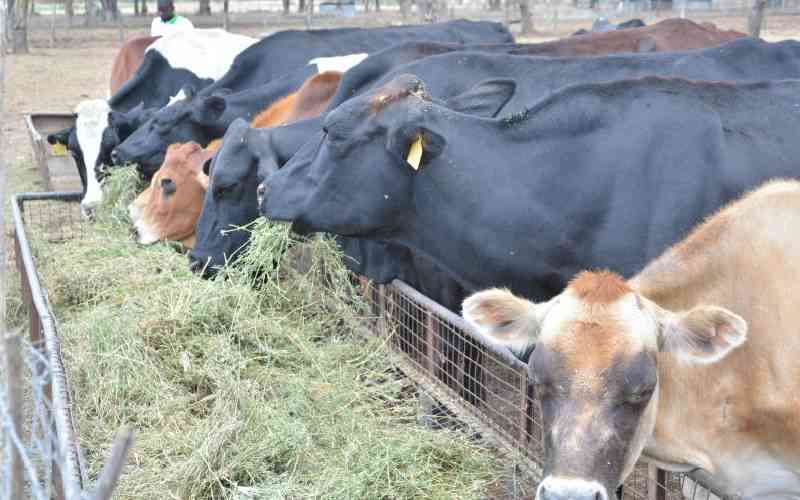 “Drought is no longer an emergency; it is a recurring reality.We must act before losses occur.The Government is committed to protecting pastoralist assets through structured feed and water provision, animal off-take programmes, and disease control measures, while ensuring long-term strategies are in place to prevent future droughts from escalating into emergencies,” Kagwe said.
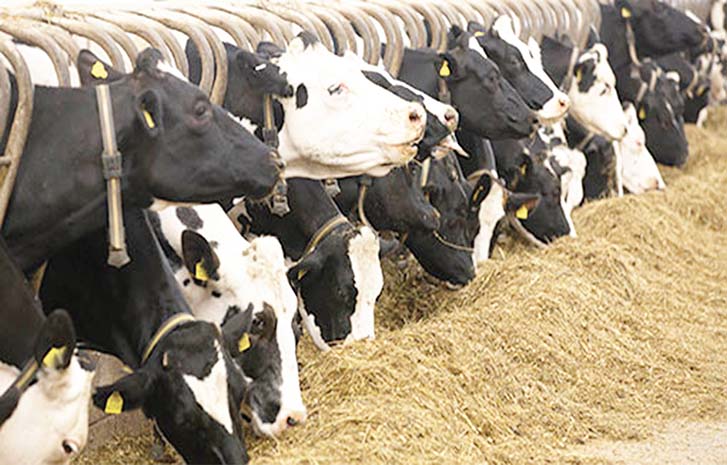
Under the new directive, strategic animal feed reserves; including silage, hay, and other drought fodder, will be stockpiled during periods of surplus and deployed during dry spells.
 Counties will lead in planning, stocking, and distributing feed, with national government support providing coordination, funding, and technical assistance.
Cooperatives will serve as delivery agents, ensuring feed reaches the actual livestock owners efficiently.
Early warning systems will trigger timely feed deployment, preventing distress sales and livestock deaths.
“We cannot allow drought to destroy livestock livelihoods. Feed reserves are critical to stabilizing incomes, protecting food production, and reducing losses worth billions of shillings,” Kagwe emphasized.
 To complement this, strict measures will be enforced to prevent the free movement of livestock from counties affected by Foot and Mouth Disease (FMD) and other outbreaks, with County Commissioners and security forces tasked with enforcement. Vaccination campaigns, including for anthrax, will be intensified, and biosecurity at livestock checkpoints strengthened.
At the Emkitha Dairy Cooperative Union launch, Kagwe also spotlighted the potential of organized dairy cooperatives to boost productivity and resilience.
He urged farmers to focus on doubling milk production per cow through proper feeding and management rather than expanding herd sizes.
Currently, Embu County produces about 101.3 million litres of milk annually, valued at KSh 5.2 billion, but average productivity stands at just 8 litres per cow per day.
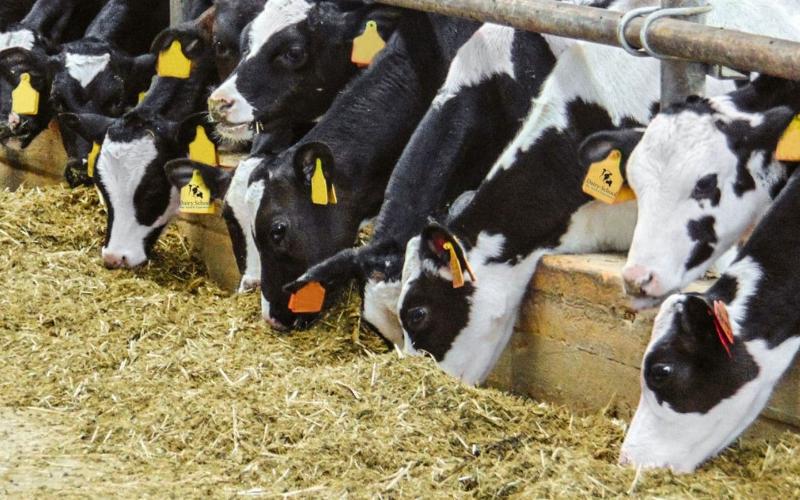
“Farmers can double milk production without adding a single cow. Feed, nutrition, and management, not numbers, are the fastest path to higher incomes,” Kagwe stated.
To further support pastoralists and dairy farmers, the Government will expand its cooperative-based input delivery model:
1. Fertilizer subsidies will continue under the existing programme, with cooperatives handling last-mile delivery and providing loans to farmers. Governor Mbarire has proposed a similar model for feed support, though this is still under discussion.
2. Adjustments to KIAMIS will ensure that registered farmers, not intermediaries, receive benefits, while cooperatives act as distribution agents.
3. Structured animal off-take programmes will be implemented to prevent distress sales during drought.

Kagwe confirmed that additional funding has been approved for more milk coolers in Embu, complementing last year’s delivery of 13 coolers worth over KSh 70 million. The new coolers will reduce post-harvest losses, maintain milk quality, and enable quality-based payments, incentivizing farmers to improve milk hygiene and safety.
CS Kagwe made it clear that counties are the frontline for drought preparedness, livestock protection, and disease control, with the national government providing oversight, funding, and technical guidance.
“We cannot afford reactive responses. Preparedness, coordination, and accountability are key,” he said.
With animal feed reserves, controlled livestock movement, cooperative-based subsidies, and expanded cold chain infrastructure, Kenya aims to prevent the billion-shilling losses of past droughts, safeguard pastoralist livelihoods, and strengthen the dairy sector as a cornerstone of national food security.