steven maseka
- Kenya’s Telecom Telecom Sector Shifts Focus as Growth Moves Beyond Subscriber Numbers;
Kenya’s telecommunications sector is entering a phase of maturity,with overall mobile subscriptions showing a marginal growth as usage patterns evolve rapidly.
 According to the latest Communications Authority of Kenya (CA) Q2’2025/26 report,total mobile (SIM) subscriptions stood at 78.4 million, a 0.1 per cent increase from 78.3 million recorded in Q1’2025/26.
 Despite the slow growth in subscriber numbers within the sector, activity remains strong, particularly in mobile money and data services.
 Mobile money subscriptions grew by 5.6 per cent to 51.36 million, signalling continued expansion in digital financial services.
While Safaricom retains a dominant position with approximately 89 per cent market share, other players are gradually increasing their footprint.
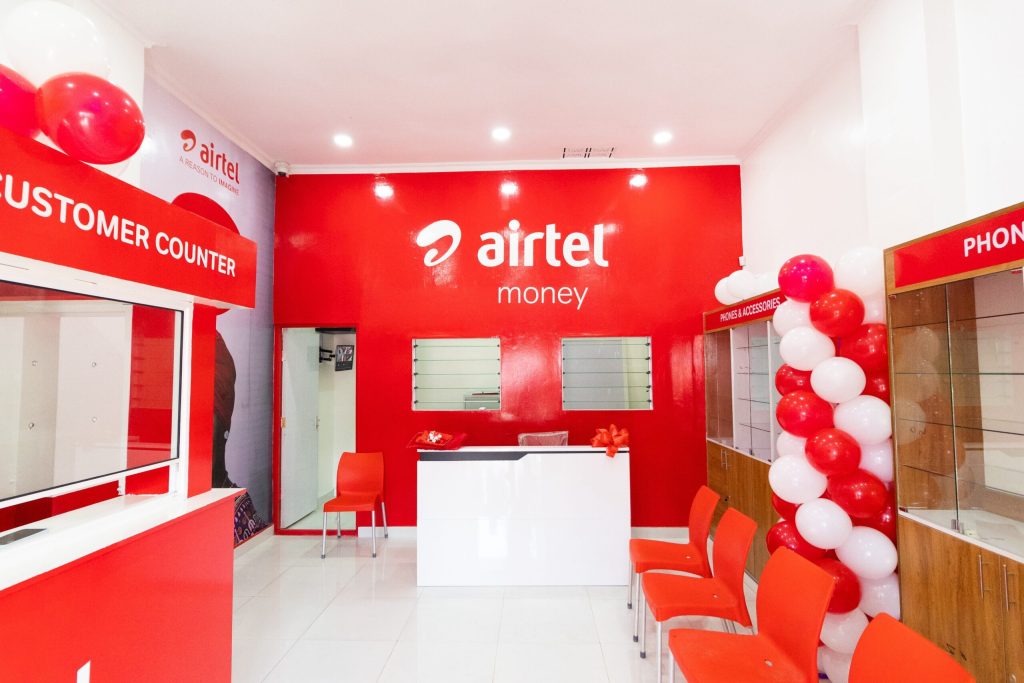
 Airtel Money Kenya‘s market share grew from 10.3 per cent in Q1 to 11.0 per cent in Q2, indicating early signs of competitive shifts within a highly concentrated market.
Voice services, on the other hand, continue to play an important role.Industry trends indicate stable-to-moderate growth in traffic, driven by increased cross-network communication.

Airtel Kenya recorded 11.83 billion minutes of voice traffic in Q2, up from 11.55 billion in Q1, representing a 2.4 per cent increase.
Notably, off-net traffic grew by 8.4 per cent, suggesting rising cross-network engagement and strengthening relevance beyond its own subscriber base.
 Usage patterns also highlight the role of pricing and perceived value.Average call durations remained higher across networks, with Airtel users averaging approximately 2.7 minutes per call, compared to shorter durations of about 1.6 minutes on Safaricom.
 This points to affordability as a key factor shaping access and how consumers use voice services.
Mobile data subscriptions increased by 2.9 per cent, broadband connections rose by 9.3 per cent, and overall data consumption grew by 12 per cent during the quarter.

At the same time, SMS usage continues to decline across the sector.Airtel Kenya recorded a 7.1 per cent drop in SMS volumes during the quarter, compared to an overall market decline of 2.6 per cent, which includes trends observed on Safaricom and other operators.
 This reflects a structural shift toward internet-based messaging platforms, rather than a reduction in overall communication.
Safaricom continues to lead across key segments, including subscriptions and mobile money, though its growth is relatively slower in certain areas compared to emerging competitors.
 Airtel Kenya, with a market share slightly above 30 per cent, continues to strengthen its position through pricing and usage-led strategies.
Other operators such as Telkom Kenya and Jamii Telecommunications remain niche players in the mobile segment, while new entrants like Starlink are beginning to reshape the conversation around connectivity,particularly in underserved regions.
 The latest CA report highlights that growth in Kenya’s telecom sector is no longer defined by subscriber acquisition alone but is increasingly driven by how effectively operators deepen engagement, expand financial services, and support evolving digital lifestyles.

As the market continues to mature, the competitive edge will lie in delivering value, improving accessibility, and building ecosystems that integrate seamlessly into everyday life.
 According to the report, shifts in mobile money adoption,data usage, and cross-network engagement offer a clear indication of where the sector is headed.