Aiden k
- Africa’s Rail Freight Capacity Still Underutilised, African Union Says;
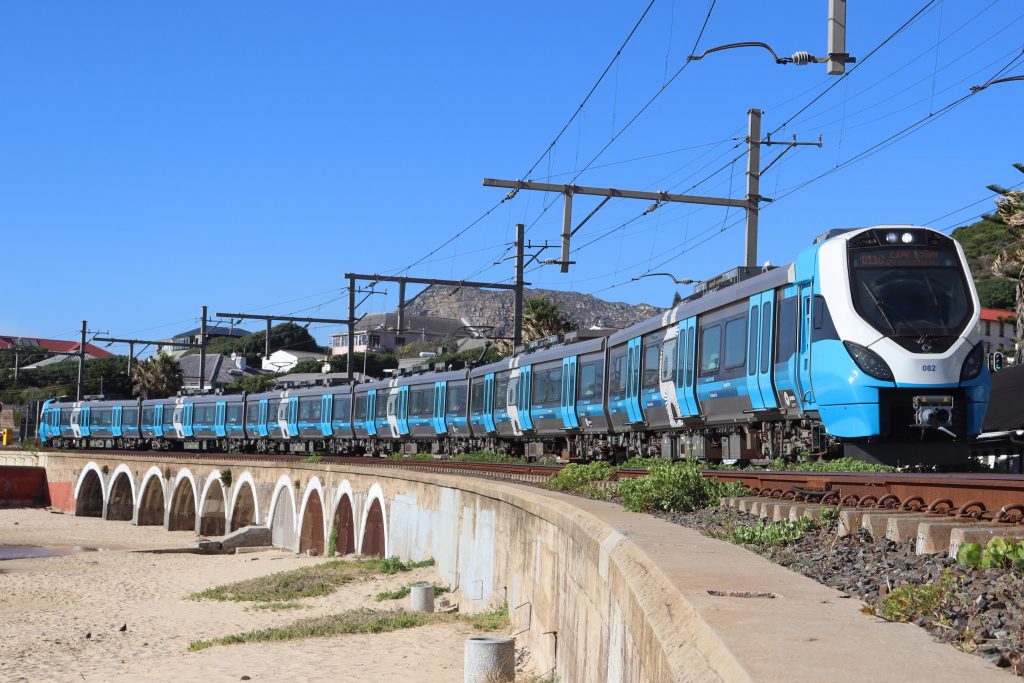
Africa’s rail network continues to carry a fraction of its potential freight capacity, even as policymakers push for deeper integration and investment to unlock continental trade.

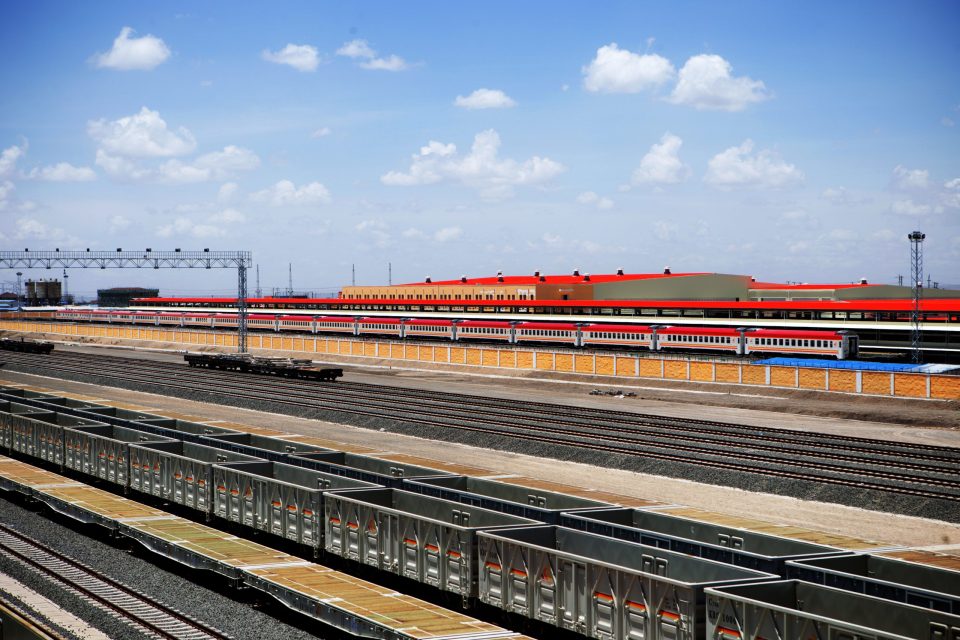
According to the World Bank, Africa transports about 300 million tonnes of freight by rail annually, which is well below what existing and planned infrastructure could handle.
 The issue took centre stage in a recent episode of Connecting Africa on CNN, where journalist Victoria Rubadiri spoke with Eric Ntagengerwa,Head of Transport and Mobility at the African Union Commission.
 Ntagengerwa identified high capital costs as the most pressing challenge facing railway development across the continent.
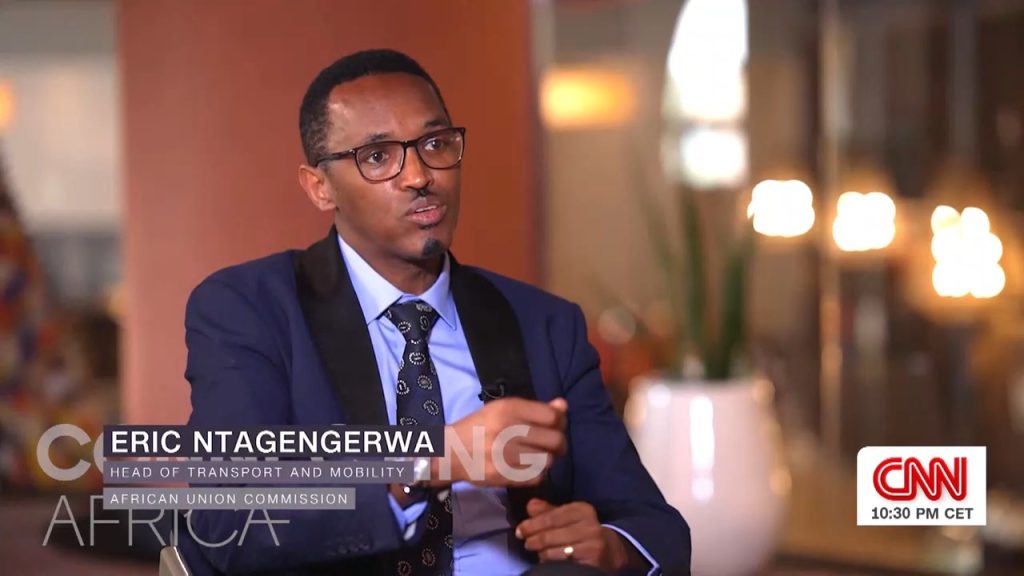
He noted that most large-scale rail projects require concession models or public-private partnerships, with governments playing a central role in enabling and de-risking investments.
 “The capital cost that is needed to construct railway projects means they often have to be structured as concessions or public-private partnerships,” he said, adding that state support remains critical.
 He also outlined progress on the African Integrated High-Speed Railway Network, a flagship infrastructure initiative under the African Union.
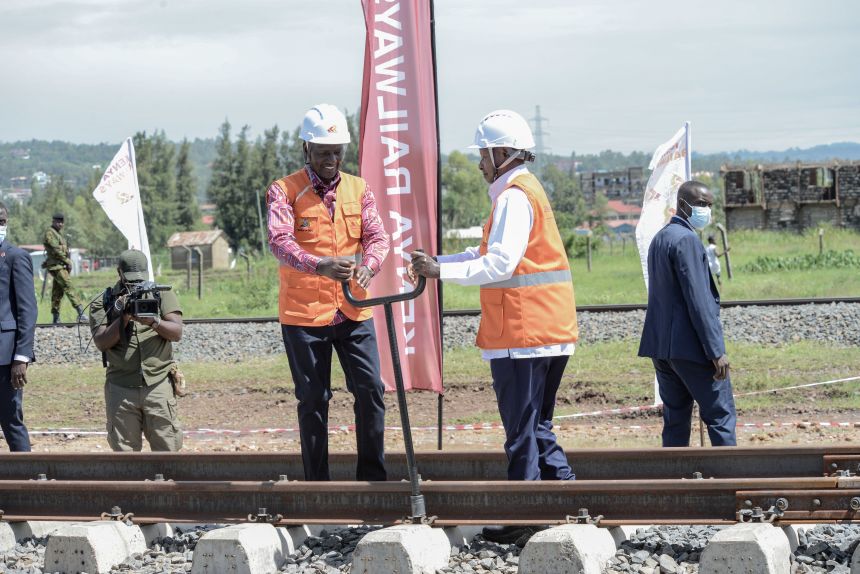 The project aims to link major regions across the continent,from east to west and north to south, to improve the movement of both cargo and passengers.
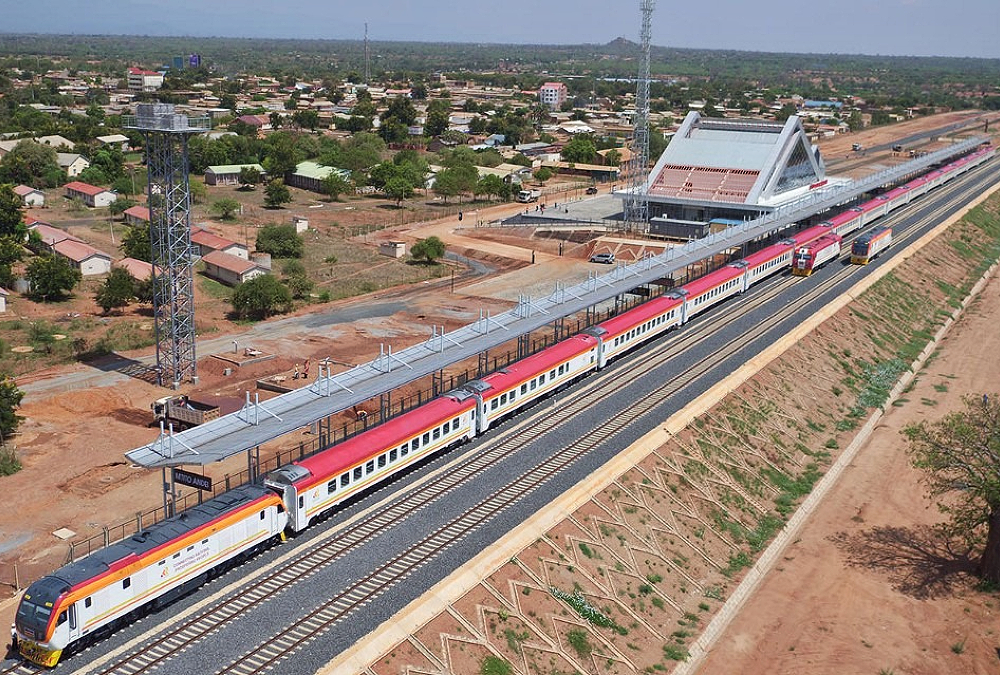 The network is expected to complement the African Continental Free Trade Area (AfCFTA) by facilitating faster and more efficient trade flows.
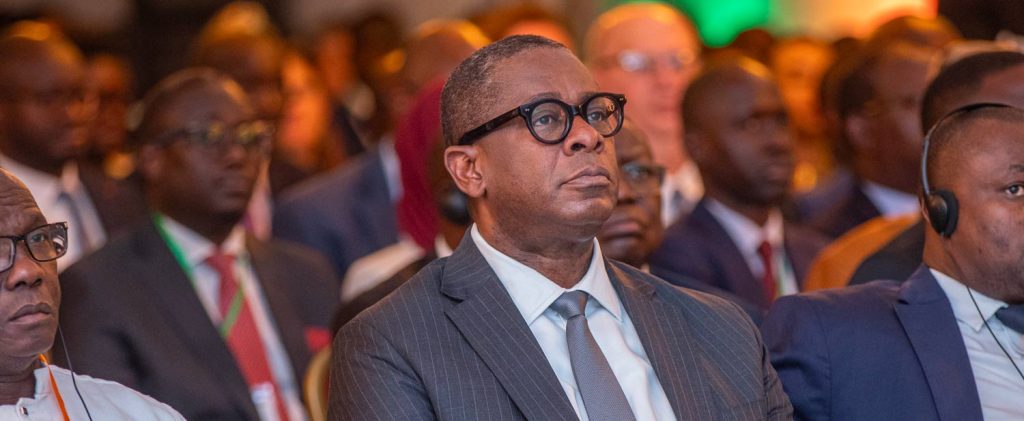 Ntagengerwa said 13 priority corridors were identified in the first phase, with nearly eight already in construction or operational stages.