kwabe vic
The African Development Bank (AfDB) has launched a continent-wide aviation modernization initiative aimed at mobilizing more than $7 billion in financing to strengthen African airlines, improve connectivity, and reduce structural inefficiencies that cost the continent up to $100 billion annually in lost economic opportunity.
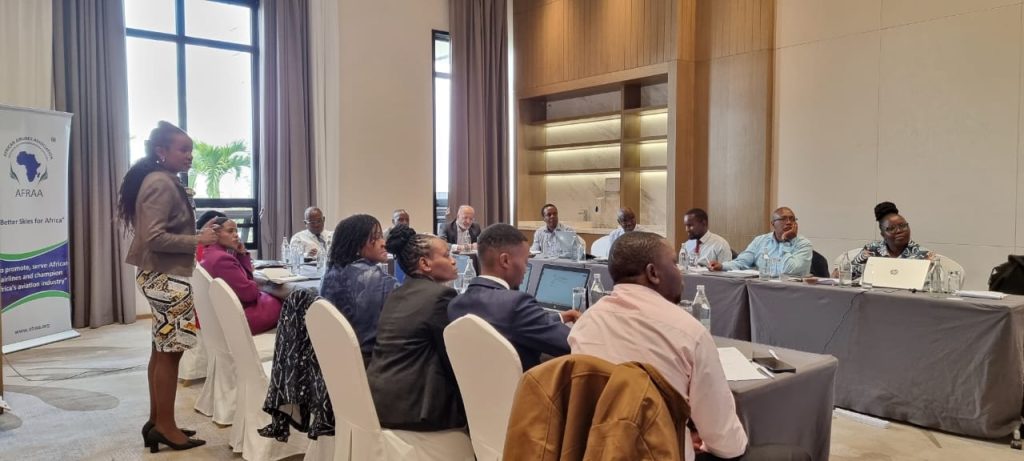
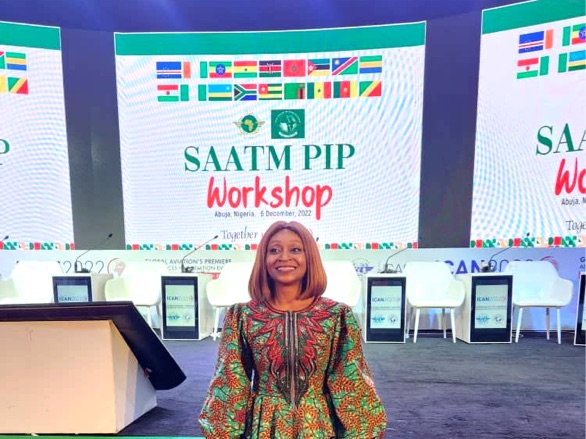
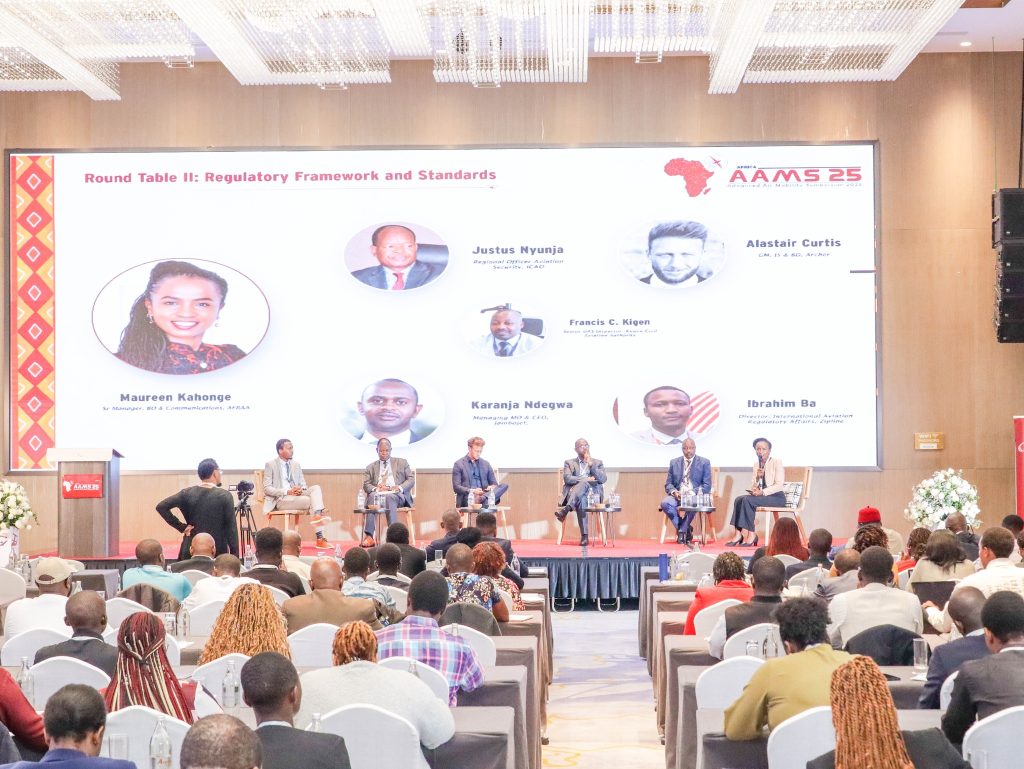 The Integrated Aviation Transformation Program (IATP), unveiled in Nairobi during the Airlines, Capital & Connectivity Forum convened in partnership with the African Airlines Association (AFRAA), seeks to address long-standing fragmentation in Africa’s aviation sector while accelerating implementation of the Single African Air Transport Market (SAATM) and supporting trade integration under the African Continental Free Trade Area (AfCFTA).
 Although Africa accounts for nearly 18% of the world’s population, it represents just 2–3% of global air traffic, a gap policymakers argue reflects structural constraints rather than weak demand.
 A Structural Connectivity Gap
According to AfDB estimates, limited air connectivity costs African economies between $50 billion and $100 billion annually through lost trade, tourism, logistics inefficiencies and reduced competitiveness.
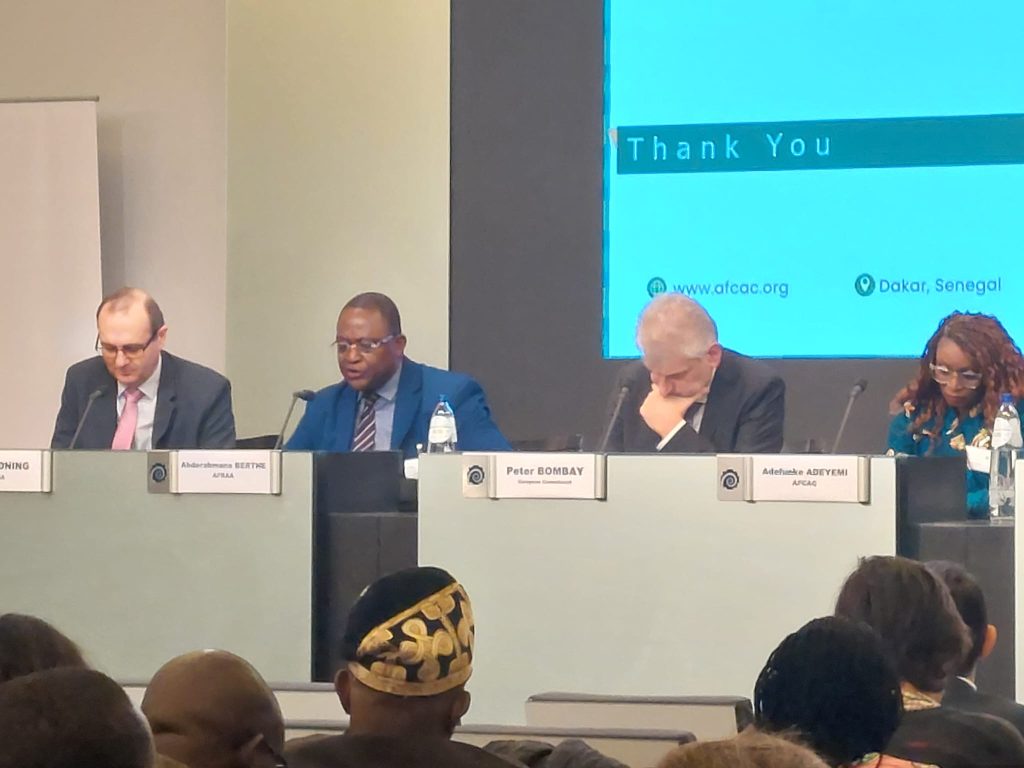
 “Africa’s aviation future cannot be built by airlines alone, nor by governments alone,” said Abderahmane Berthé, Secretary General of AFRAA.
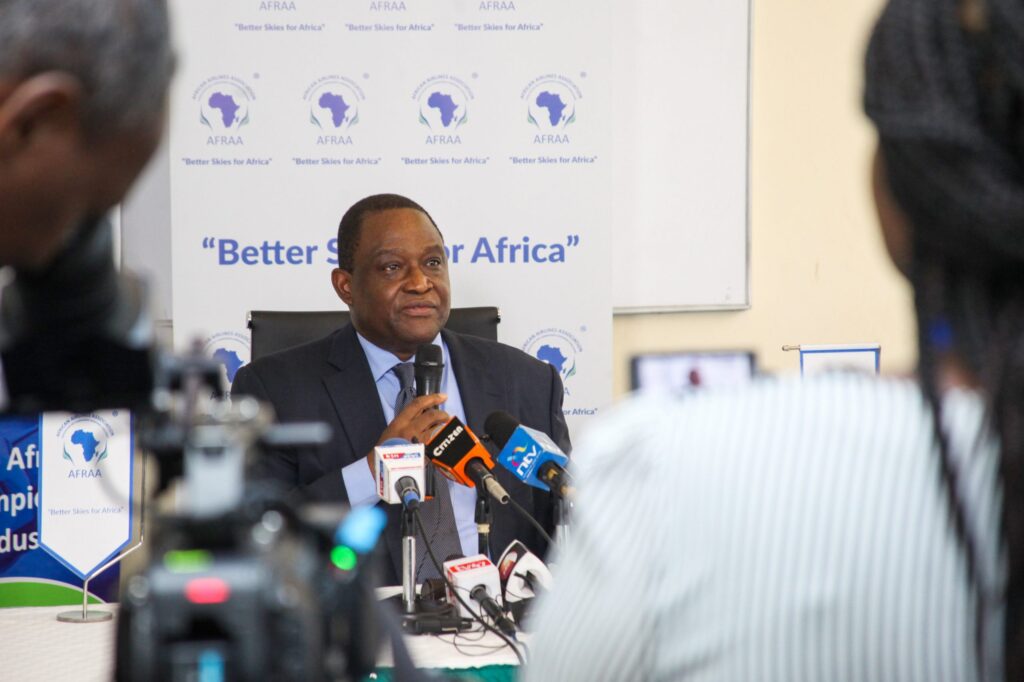
“What is required is aligned financing, coordinated policy implementation, and integrated markets.”
African airlines have shown signs of resilience.Passenger traffic grew by more than 13% year-on-year in 2024, with several months in 2025 outperforming the global average.
 Regional load factors have approached 75%, historically high for the market.
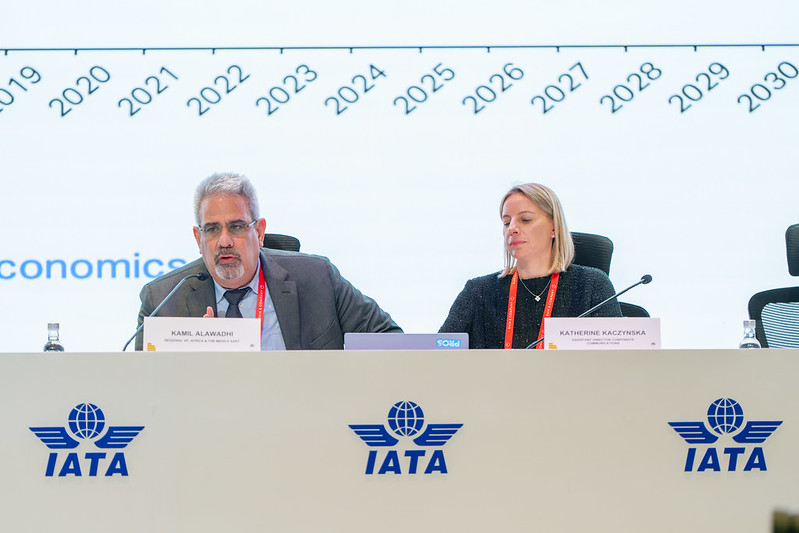
Yet profitability remains thin. According to the International Air Transport Association (IATA), global average airline net margins hover around 4%, with North American carriers typically delivering the strongest profits and Middle Eastern airlines benefiting from dominant intercontinental hubs.
 African airlines, by contrast, are projected to generate margins of just 1–2%, roughly $1–2 profit per passenger compared to nearly $8 globally.
 IATA estimates aviation contributes approximately $75 billion to Africa’s GDP and supports more than 8 million jobs, underscoring the sector’s strategic economic role.
 Growth Potential Meets Structural Barriers
Demand fundamentals remain strong. Africa’s passenger numbers are projected to more than double by 2043, reaching about 345 million annually, growing at roughly 3.7% per year.By 2050, overall aviation demand is expected to triple.
 “One in four future air travellers will be African,” said Captain George Kamal, Acting Managing Director and CEO of Kenya Airways (KQ). “The reality is that demand is not emerging but it is already here.”
 Drivers include rapid urbanization, the world’s youngest population, expanding small and medium enterprises, a rising middle class, stronger intra-African trade under AfCFTA, tourism recovery, and sustained diaspora flows.
 However, growth alone cannot offset structural inefficiency. Unlike North America, Africa remains highly fragmented, comprising more than 50 markets with uneven liberalization and limited consolidation.
Unlike Europe, the continent does not yet benefit from a fully implemented open aviation area equivalent to a seamless single market.
 Unlike Gulf carriers, African airlines often lack; Competitive fuel pricing, Scale efficiencies, Optimal hub infrastructure and Policy alignment that treats aviation as national strategy rather than a taxation opportunity
 Africa remains one of the most expensive regions globally in which to operate an airline, with persistent fuel premiums, high airport charges, and layered taxation increasing cost pressures.
 These structural disadvantages have historically constrained fleet modernization, capital access, and long-term competitiveness.
The $7 Billion Transformation Framework
The IATP aims to address these bottlenecks through a coordinated financing and policy platform aligned with the African Union’s $30 billion Continental Aviation Infrastructure Investment Plan.
At the core of the initiative is a $7 billion Aviation Finance & Connectivity Facility (AFCF), designed as a blended-finance engine to mobilize private, institutional and concessional capital.
 The program is structured around three pillars; policy, Safety, Sustainability and Capacity Building, Airlines and Fleet Modernization, supported by the Pan-African Aviation Financing Platform (PAFP), and Infrastructure, Connectivity and Logistics Development
The PAFP will focus on fleet renewal and aircraft leasing solutions, enabling African carriers to access modern, fuel-efficient aircraft on more competitive terms.
 A second financing window, the Pooled Regional Sukuk Platform, will support investment in airport infrastructure and airspace development.
Over the next five years, the program targets more than $7 billion in aircraft financing alongside broader investment across cargo, airport, and air navigation infrastructure.
“The Integrated Aviation Transformation Program offers something Africa has long needed: a coordinated platform that links airlines, governments, financiers, development institutions and industry partners,” Berthé said.
 The success of the initiative will depend not only on capital mobilization, but also on regulatory harmonization and political commitment to fully implement SAATM.
While Africa’s aviation market is widely viewed as a future growth frontier, unlocking that potential will require overcoming entrenched fragmentation and policy misalignment.
 “Africa is not a marginal aviation story, but it is the next major aviation chapter,” Kamal said. “The question is whether we will write that chapter deliberately or allow others to define it for us.”