

 Aiden k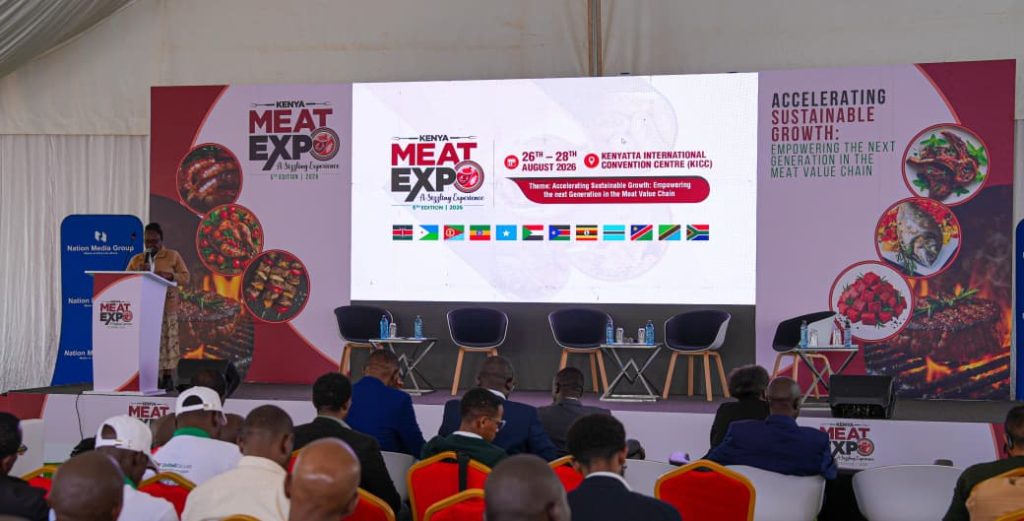
- CS Kagwe Challeges Kenya to Unlock KES397Bn Meat Industry Through Value Addition,Investment Jobs and Premium Exports
Kenya’s meat industry is at a strategic turning point,with the livestock base, growing domestic market, entrepreneurial capacity and geographical advantage to compete regionally and globally.
 CS Sen.Mutahi Kagwe said the priority now is to convert this potential into productivity, investment, jobs, exports and higher incomes for farmers and pastoralists.
Beef accounted for about 260,000t valued at KSh160B, while major opportunities exist in goat meat, mutton, poultry, camel meat, pork and emerging value chains such as rabbit meat.

“When we export the animals, then we are sending out jobs. We are exporting jobs to Europe. We are exporting jobs to Dubai. We are exporting jobs to the Middle East.”
He challenged Kenya to process, brand and export more meat and meat products so that more wealth remains in the country and reaches producers.

With approximately 2,000 slaughter facilities – 49 large slaughterhouses, 322 medium slaughterhouses and about 1,530 slaughter slabs, the CS said the focus must shift from the number of facilities to their quality and performance.
“It is not just a question of quantity.It is also an issue of quality.”
He called for stronger hygiene, inspection, refrigeration, compliance, capacity utilisation, waste management,logistics and market connectivity to enable Kenyan meat to command premium prices.

Kagwe stressed that the value chain begins “right from the birth of the animal all the way to the fork and knife,” putting animal health and food safety at the centre through disease surveillance,vaccination, veterinary services,laboratory capacity,biosecurity and animal movement control.

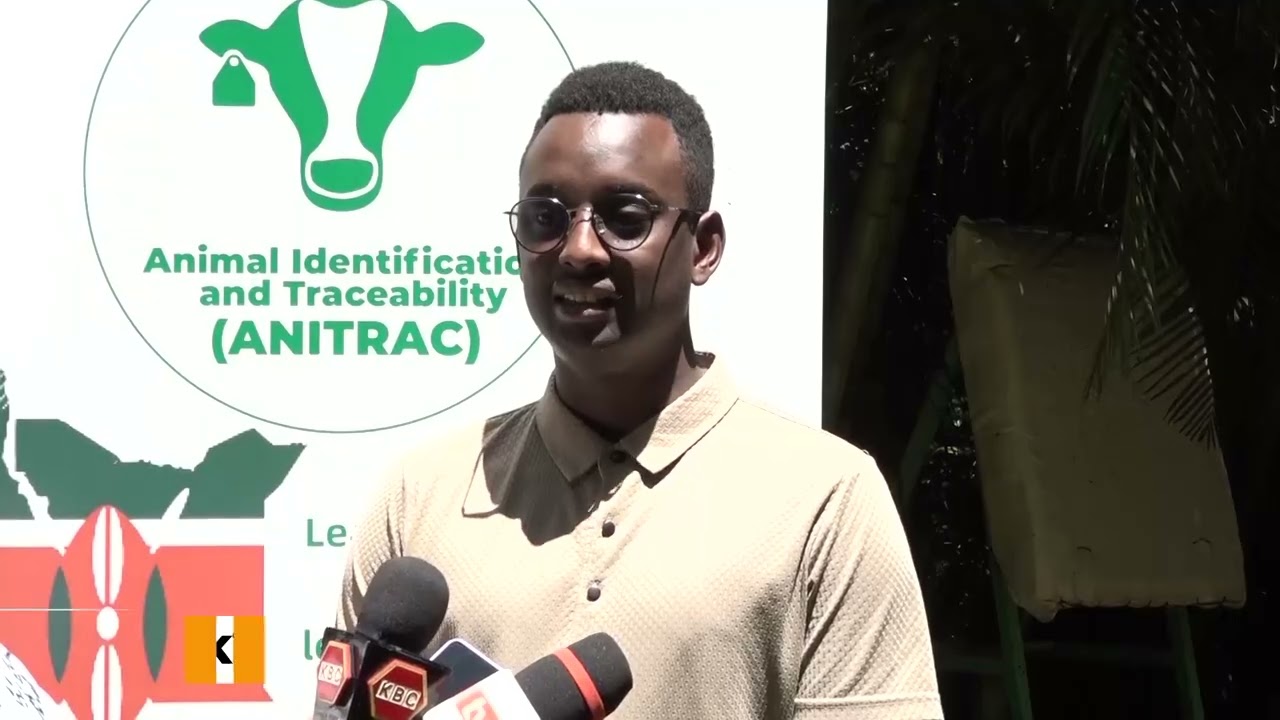
A major pillar is ANITRAC, the Animal Identification and Traceability System,which will enable animals to be traced from origin,ownership and vaccination history to their movement before slaughter.
“Going forward, every Kenyan animal should have an identity and a traceable history.”
He noted that the technology is being developed locally,including chips and systems by Kenyan universities.
 ANITRAC will also strengthen the fight against livestock theft and banditry by making attempts to tamper with identification immediately detectable.
The CS called for investment in improved genetics, artificial insemination, breeding, animal nutrition, commercial feedlots, climate-smart production, water pans, boreholes and livestock insurance, with government, counties and the private sector working together.

On feedlots, Kagwe insisted that they must have adequate feed, water and infrastructure, while insurance should protect farmers against losses from droughts,floods and El Niño-related events.

He challenged young people to see livestock as a modern and profitable business extending beyond herding into breeding, nutrition, processing,manufacturing, technology, branding, logistics and trade.

“Ukulima wa ng’ombe ni pesa. Na nyama siyo tu chakula. Pia ni pesa.Nyama ni chakula, na nyama ni pesa.”
 Kagwe also highlighted opportunities in hides and skins, noting that proper animal handling determines the value of by-products and supports the leather industry.
He identified Algeria and other international markets as major opportunities,recalling Algeria’s previous indication of demand for one million goats during Ramadan.
“We want new markets.We want new enterprises.We want new jobs. We want new opportunities for livestock producers.”


He challenged the country to move from being primarily a producer and consumer of meat to one that “produces, processes, brands, exports world-class meat and meat products,”making Kenyan meat synonymous with quality,safety,traceability,sustainability and competitiveness.
“Let us ensure that the farmer is never, ever left behind.”
His message to young people was clear:Kenya’s meat industry is not just about owning livestock, but owning more of the value chain and turning livestock resources into jobs, investment,wealth and global opportunity.

The CS was accompanied by H.E. Amb.Paulo Neves Pocinho of Portugal to Kenya, a representative of the Algerian Embassy, Garissa Gov. Nathif J. Adam, EGH and Nation Media Group CEO Geoffrey Odundo, among other key officials.
Views: 17

1 thought on “CS Kagwe Unlocks KES397Bn Meat Industry and Premium Exports”