


 Paul Arithi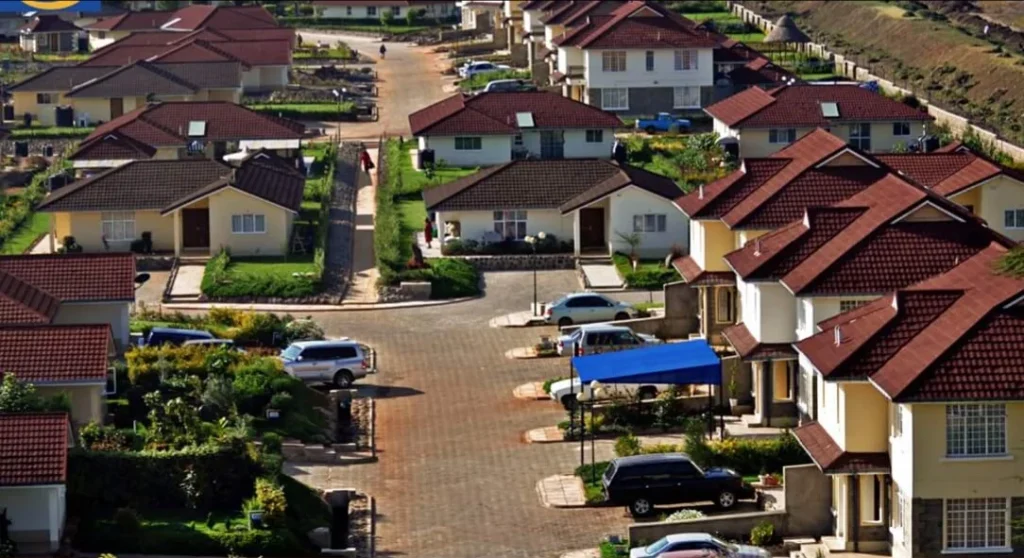
- Property prices in Nairobi’s suburbs grew by 0.9 percent to Ksh.33.1 million in the second quarter, extending their recovery despite moderating growth.
- Satellite town property prices declined by 0.6 percent to Ksh.14.52 million, with eight out of 10 towns recording falling house prices and six out of nine apartment markets posting price declines.
- Ridgeways (3.4 percent), Karen (3.2 percent) and Lavington (3.1 percent) led price growth across Nairobi’s suburbs.
- Rental prices in Nairobi’s suburbs grew by 1.4 percent, while satellite town rents increased by 1.1 percent, reflecting continued occupier demand across both markets.
- Overall property yields in the suburbs remained unchanged at 7.4 percent, while satellite town yields edged up to 5.4
percent from 5.3 percent in the first quarter. - Double-digit annual property returns in selected markets continued to compete favourably with returns from
government securities.
HassConsult has published the Hass Property Price Indices for the second quarter of 2026, showing that
Nairobi’s residential market remained resilient despite moderating sale price growth, although the gap between
Nairobi’s suburbs and satellite towns persisted.
 While the suburbs continued to record positive price growth, satellite towns remained under pressure even as rental demand stayed resilient across both markets.
Average property prices in the suburbs grew by 0.9 percent to KES.33.1 million in the second quarter, compared to 1.1
percent growth in the first quarter of the year.
 In satellite towns, sale prices declined by 0.6 percent to KES.14.52 million, an improvement from the 0.9 percent contraction recorded in the previous quarter.
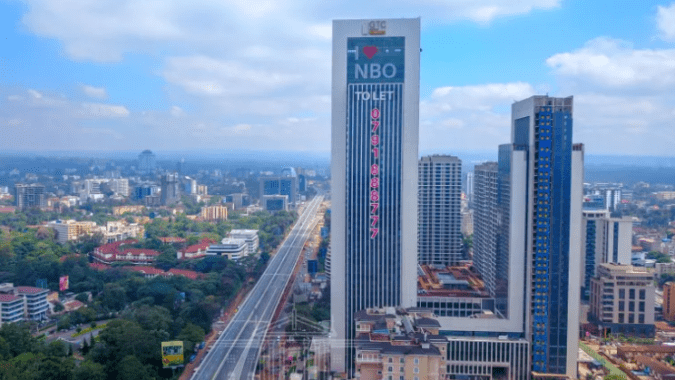
The continued growth in Nairobi’s suburbs was driven by broad-based price growth across all 14 surveyed suburbs,
led by Ridgeways at 3.4 percent to KES.85.2 million, Karen at 3.2 percent to KES.113.4 million and Lavington at 3.1
percent to KES.82.5 million.
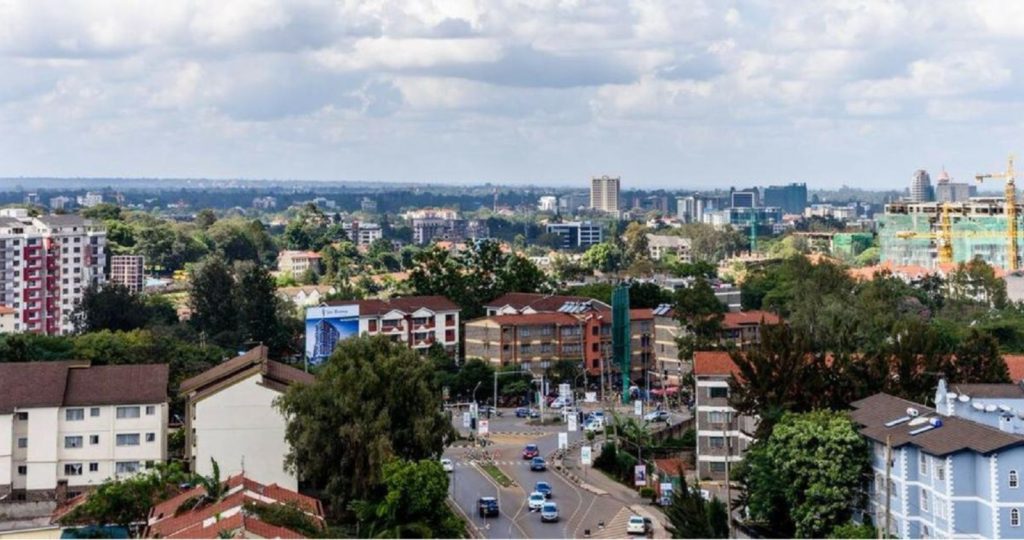
 In contrast, satellite towns remained the weaker-performing segment of the residential market.Eight out of 10 towns recorded declining house prices,led by Ongata Rongai at negative 2.7 percent to KES.15.6 million and Ngong at negative 2.5 percent to KES.19.4 million, while six out of nine satellite apartment markets also recorded price declines during the quarter.
 “Despite resilient occupier demand, satellite towns continue to face greater price pressure than Nairobi’s suburbs,reflecting the sensitivity of their buyer base to rising household costs and tighter economic conditions” said Sakina Hassanali,HassConsult Co-CEO & Creative Director.

The second quarter was characterised by a sharp acceleration in inflation, which rose from 4.4 percent in March to
6.7 percent in May before easing slightly to 6.4 percent in June, placing additional pressure on household purchasing
power during the period.

In the rental market, prices in Nairobi’s suburbs grew by 1.4 percent in the second quarter of 2026, while rents in satellite towns expanded by 1.1 percent.
The suburbs market was led by quarterly rental growth in Runda at 3.4 percent and Ridgeways at 3.2 percent.
Apartments in Ongata Rongai, Athi River and Mlolongo recorded the strongest rental growth among satellite towns at
3.5 percent, 3.2 percent and 3.0 percent respectively.

Overall property yields in the suburbs remained unchanged at 7.4 percent in the second quarter, while satellite town
property yields increased to 5.4 percent from 5.3 percent in the first quarter.
Annual property returns, a combinationof price growth and rental yield, remained a standout feature of the market, with double-digit returns continuing to compete favourably against government bonds and Treasury bills paying between 7.4 percent and 14.0 percent this year.
 The resilience of the rental market reflects Kenya’s structural housing deficit.Kenya’s rapid population growth,
continued urbanisation and low mortgage penetration mean housing demand is expected to remain fundamentally
underpinned over the long term,even as individual market segments move through different phases of the property
cycle.
 “The softening of sale prices in satellite towns should be viewed within the context of the property cycle rather than as a weakening of underlying housing demand.
While Kenya’s long-term housing fundamentals remain intact,individual towns increasingly respond to their own supply and demand dynamics as they mature.” said Ms Hassanali.
 The sustained growth in rental prices,together with resilient yields, indicates that underlying housing demand
remains healthy despite the challenging economic environment.
Views: 26







1 thought on “HassConsult Publishes Property Price Indices Q2 2026”