
 kwabe vic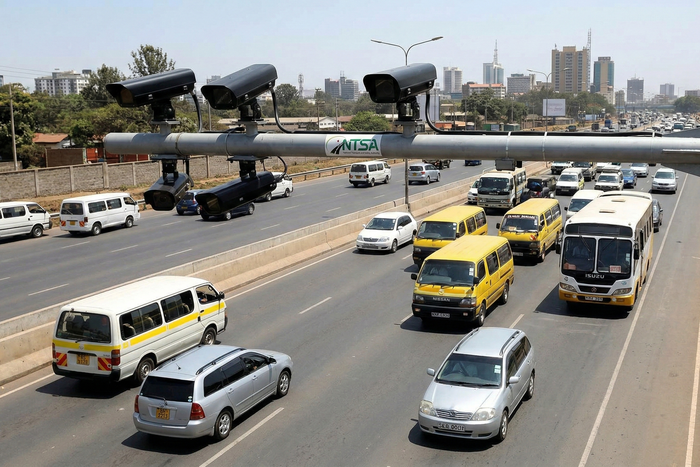
- NTSA’s Instant Fines System Signals Major Shift in Kenya’s Transport Economy
The rollout of Kenya’s Instant Fines Traffic Management System marks one of the most significant digital reforms in the country’s transport sector in recent years, with implications that extend beyond road safety to revenue generation, governance, and the informal transport economy.
 This system, launched by the National Transport and Safety Authority (NTSA), automatically issues traffic violation notifications to motorists via SMS after offences are detected by a network of smart surveillance cameras.
This initiative follows a directive from William Ruto to accelerate the adoption of automated enforcement tools aimed at curbing road fatalities and corruption in traffic policing.
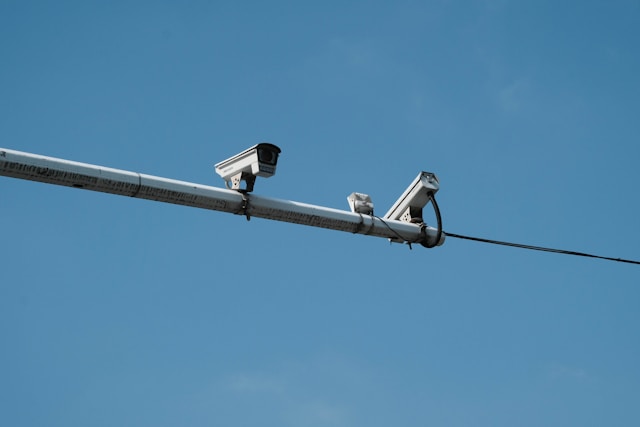
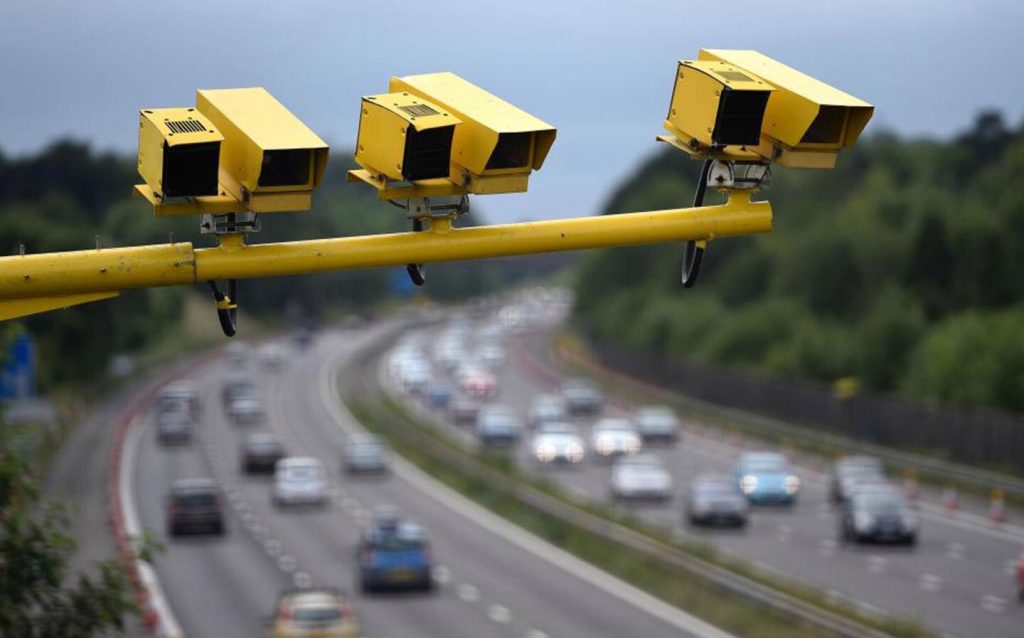
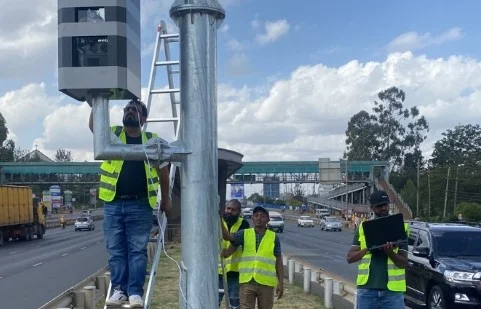
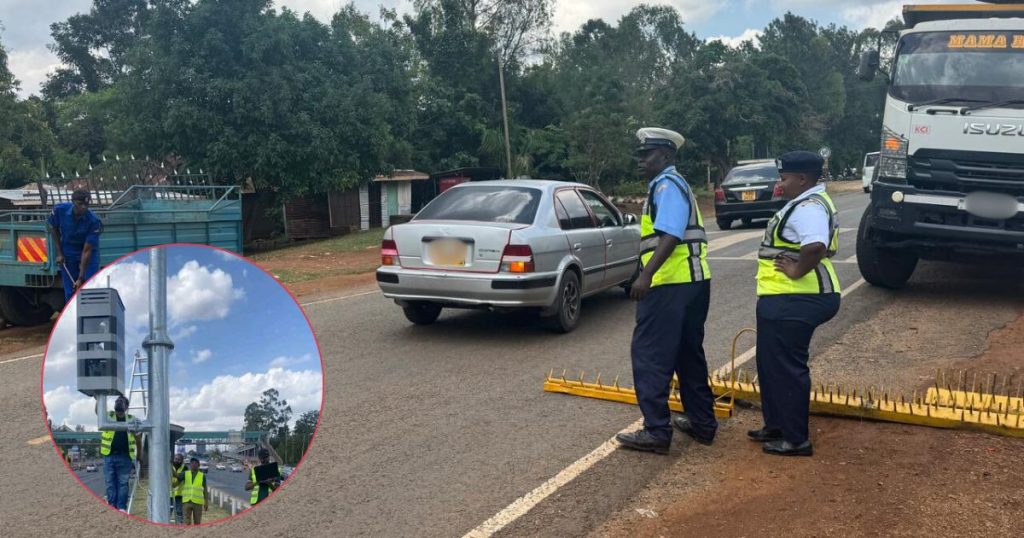 on the system, it relies on 1,000 surveillance cameras, 700 fixed and 300 mobile, installed across major roads.These cameras monitor 37 categories of traffic violations, including speeding, driving on pavements, mobile phone use while driving, and failure to wear seatbelts.
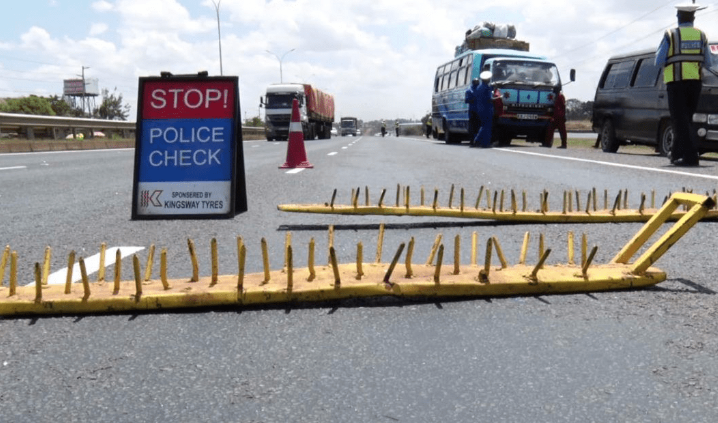 Once an offence is detected, a notification is sent instantly to the registered vehicle owner’s phone number. Offenders are required to pay fines ranging from KES 500 to KES 10,000 within seven days through the branch network of KCB Group.
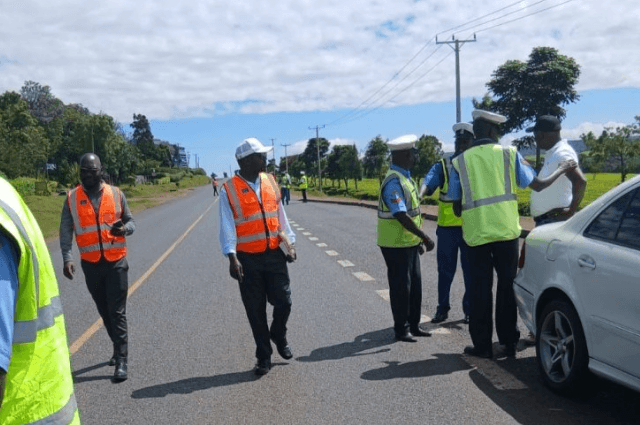 Failure to pay within the stipulated period attracts interest and blocks access to NTSA services such as vehicle ownership transfers.
By eliminating direct interaction between motorists and traffic officers, the government hopes to reduce bribery, a longstanding issue in road enforcement.
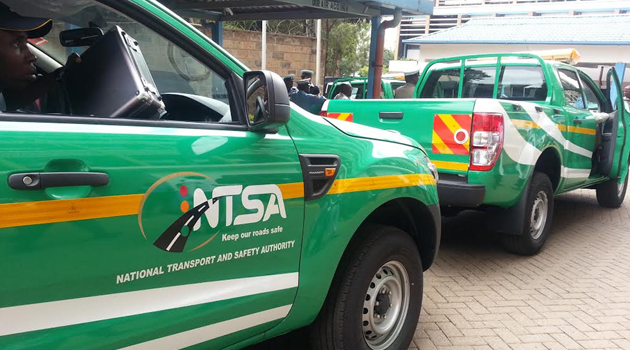 A Potential Digitalized new revenue stream
Beyond safety, the system could significantly expand government revenue collection.
Kenya records over 5,000 road fatalities annually, with thousands more traffic violations occurring daily.
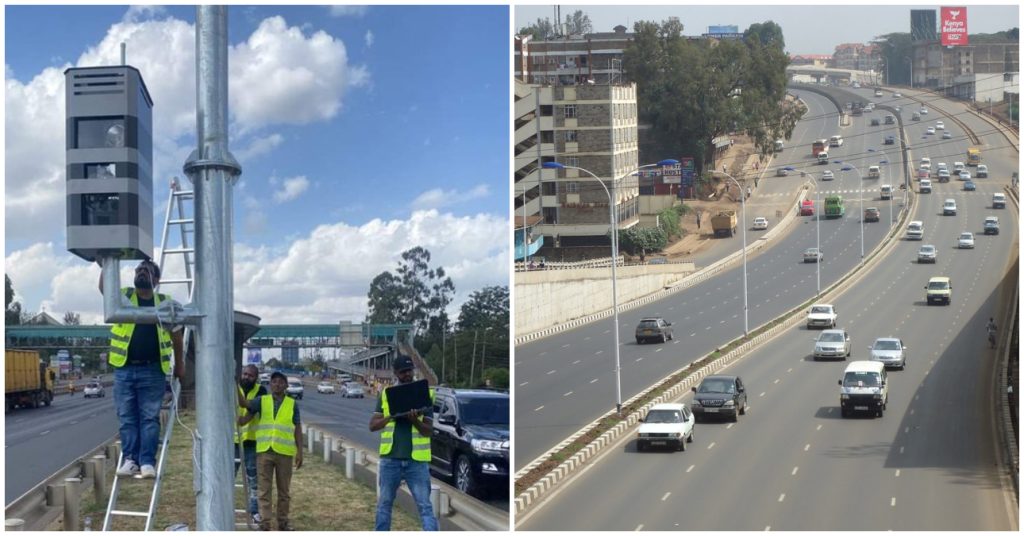 If even a fraction of these violations are captured and paid through the automated system, the state could generate billions of shillings annually in administrative fines.
At the same time, enforcement costs may decline as automation reduces the need for extensive roadside policing.

From a public finance perspective, this introduces a predictable, digitised revenue channel, while also improving compliance monitoring through the integration of enforcement data with law enforcement and judicial systems.
 The urgency of the reforms reflects the high economic cost of road crashes.
Government estimates show that road accidents cost Kenya approximately KES 450 billion annually, roughly 5% of GDP, due to lost productivity, healthcare costs, property damage, and insurance claims.
Digitised enforcement could reduce these losses by deterring risky driving behaviours, particularly speeding, one of the leading causes of road fatalities.
 Impact on matatus and boda bodas
The system is likely to have the greatest impact on public service vehicles (PSVs) and motorcycle taxis, sectors that dominate urban mobility but often operate with limited regulatory compliance.
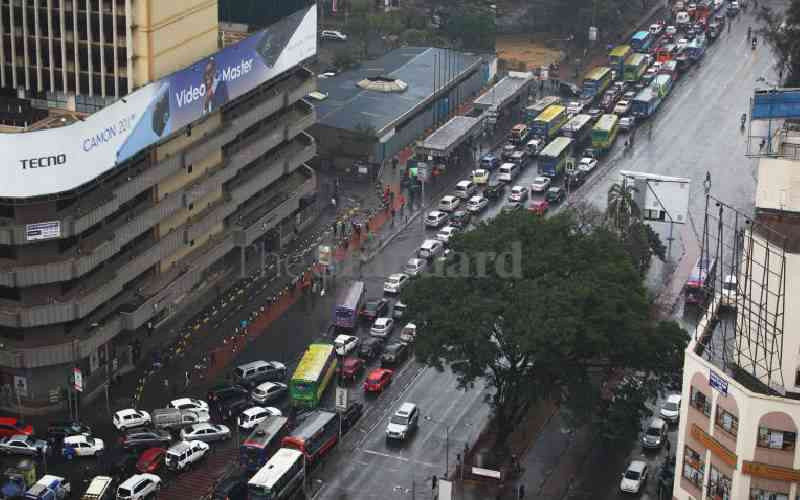
This could force PSV owners to tighten operational oversight, particularly regarding:
- driver licensing
- speed governor compliance
- passenger safety requirements
- designated pick-up points
 Industry analysts say the measure could accelerate the formalisation of the matatu and boda boda sectors, which together employ hundreds of thousands of Kenyans.
The platform will also introduce a Driver Merit and Demerit Points System, enabling regulators to track driver behaviour over time.
Repeated violations could eventually lead to licence suspension or other administrative penalties, shifting minor offences away from Kenya’s already congested court system.
This model mirrors enforcement systems used in countries such as the UK, Australia, and Singapore.
Corruption reduction and digital governance
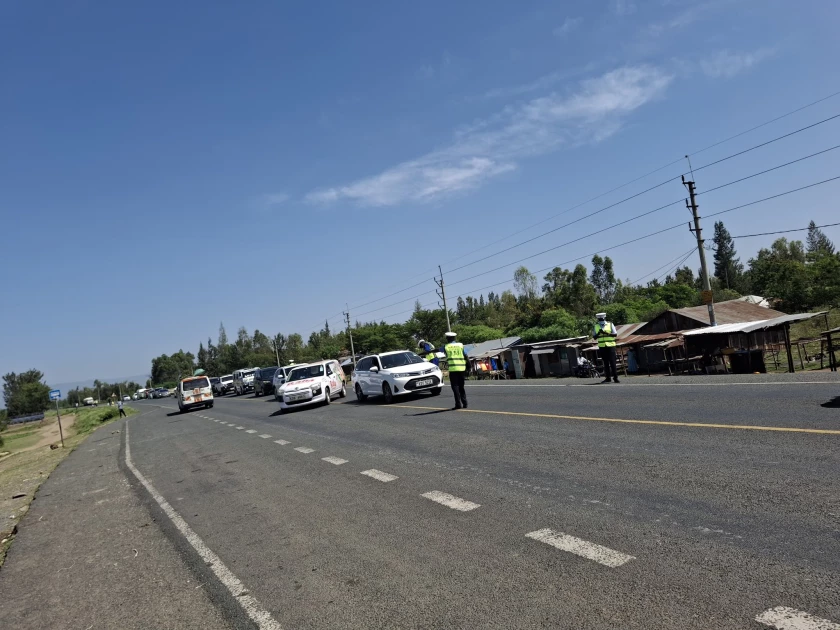
President Ruto has framed the system as part of broader digital governance reforms, arguing that technology-driven enforcement reduces opportunities for bribery.
Traffic police corruption has long been cited as a major barrier to road safety enforcement in Kenya. By replacing discretionary roadside stops with automated detection, the government hopes to close a key loophole.
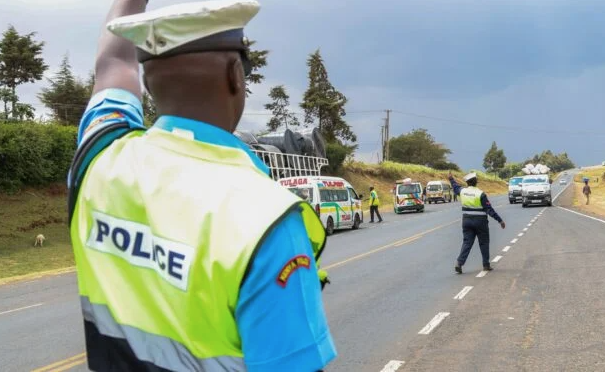 Additional reforms under consideration include:
- body-worn cameras for traffic officers
- integration of enforcement systems with prosecutors and courts
- expanded surveillance infrastructure in major cities
Despite its potential benefits, the rollout may face several challenges remain to be in the public acceptance as motorists may contest fines or question camera accuracy, the data integrity since incorrect vehicle registration records could lead to disputes, the legal challenges that some stakeholders may question automated penalties without immediate human oversight and the operational readiness in ensuring the surveillance network functions reliably across urban centres.
 The success of the system will depend largely on transparency, dispute resolution mechanisms, and consistent enforcement.
The instant fines system signals Kenya’s push toward digitised transport governance, where enforcement, licensing, and compliance are increasingly managed through automated platforms.
If effectively implemented, it could transform how traffic regulations are enforced, reshape behaviour across the transport sector, and potentially become a model for other African countries grappling with road safety and enforcement challenges.
Views: 31