 Business Quest Team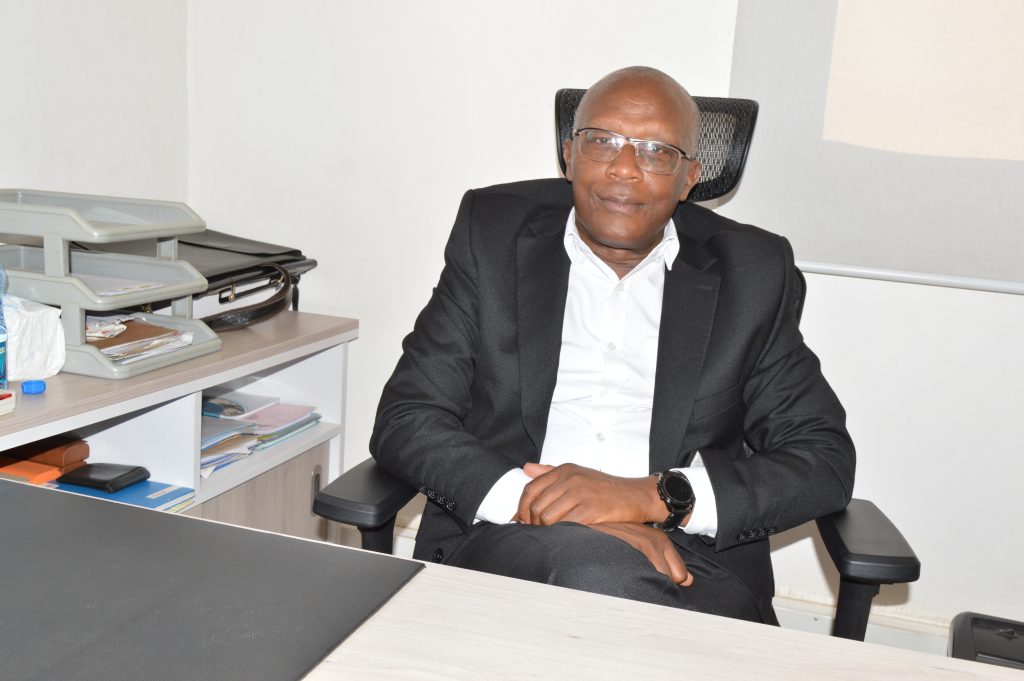
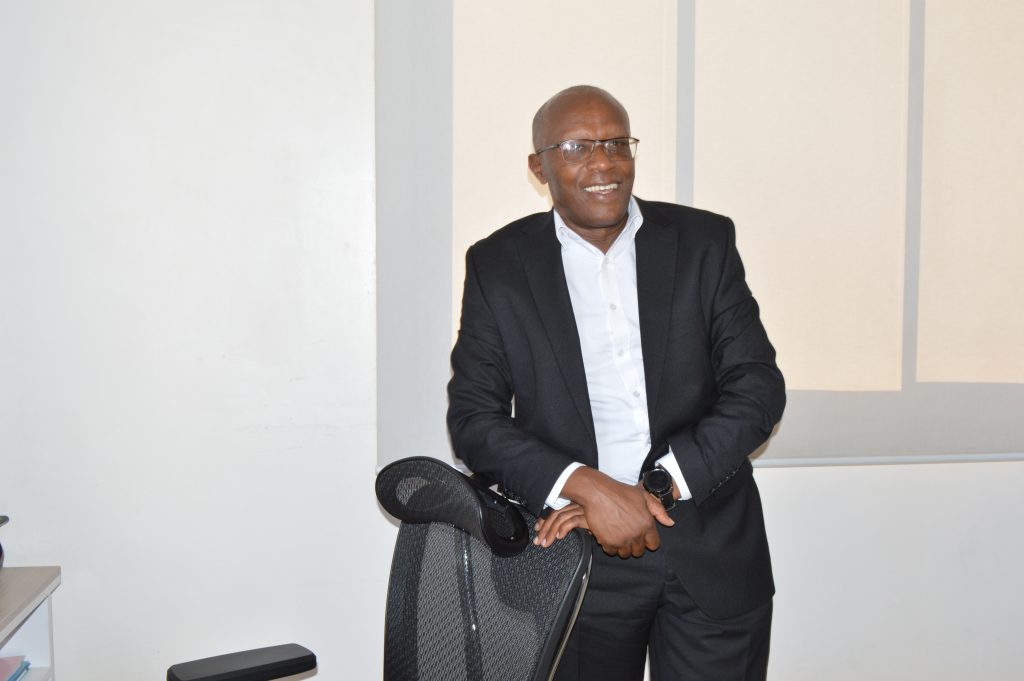
Dr. Gakombe Kanyenje,Founder & CEO,Metropolitan Hospital
- Smart, Scalable Care: How Metropolitan Hospital Set a New Benchmark in Kenyan Healthcare;
When Dr. Gakombe Kanyenje talks about Metropolitan Hospital, he doesn’t start with buildings or balance sheets. He begins with a vision, an ambition to create a healthcare system where expertise, efficiency, and community needs align, shaping a model built on partnership, innovation, and operational excellence.
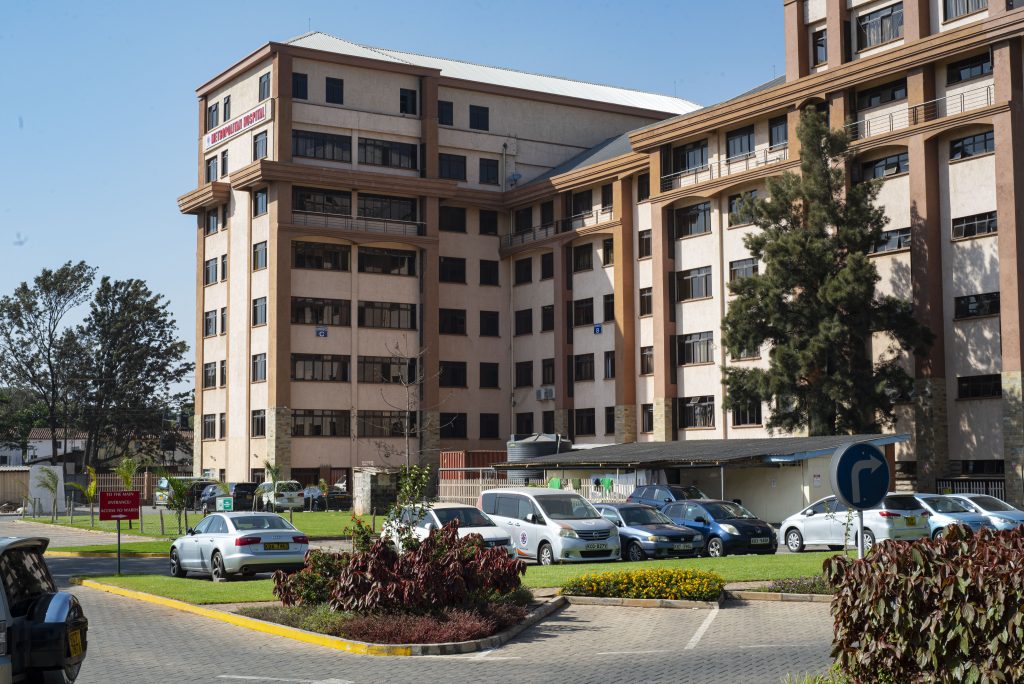
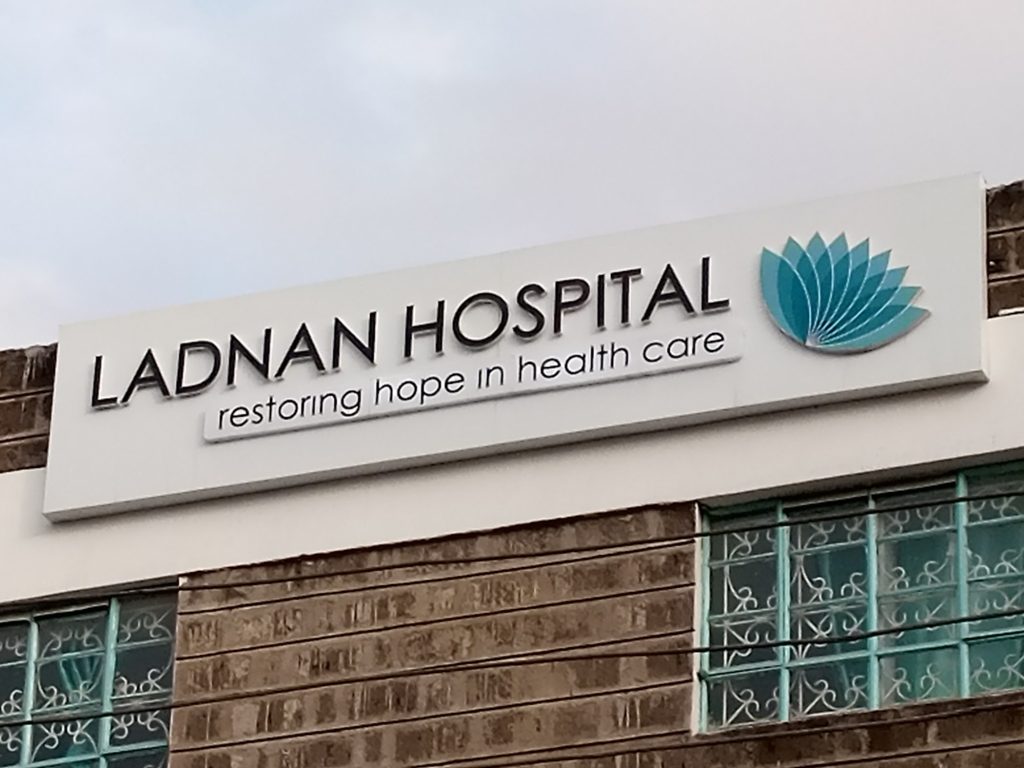
 Dr. Kanyenje now leads Metro Group PLC, overseeing both Metropolitan and Ladnan Hospitals. He recalls the group’s beginnings in the early 1990s, established at a time when Kenya’s public healthcare infrastructure was under significant strain.
 Structural adjustment programs had sharply reduced government spending, leaving public hospitals overcrowded, underfunded, and ill-equipped.
 Faith-based facilities struggled as donor support waned, while private healthcare remained beyond the reach of much of the middle class.
“At the time, I was just finishing medical school and beginning my internship,” he recalls. “It was clear that the system, as it stood, was not working, for us or for most Kenyans.”
 “We were determined not to operate in an environment where hard-earned skills go underutilised simply because there are no resources.”
The choice before him was stark: remain within a collapsing public system or build something entirely new. That moment at the crossroads gave rise to Metropolitan Hospital.
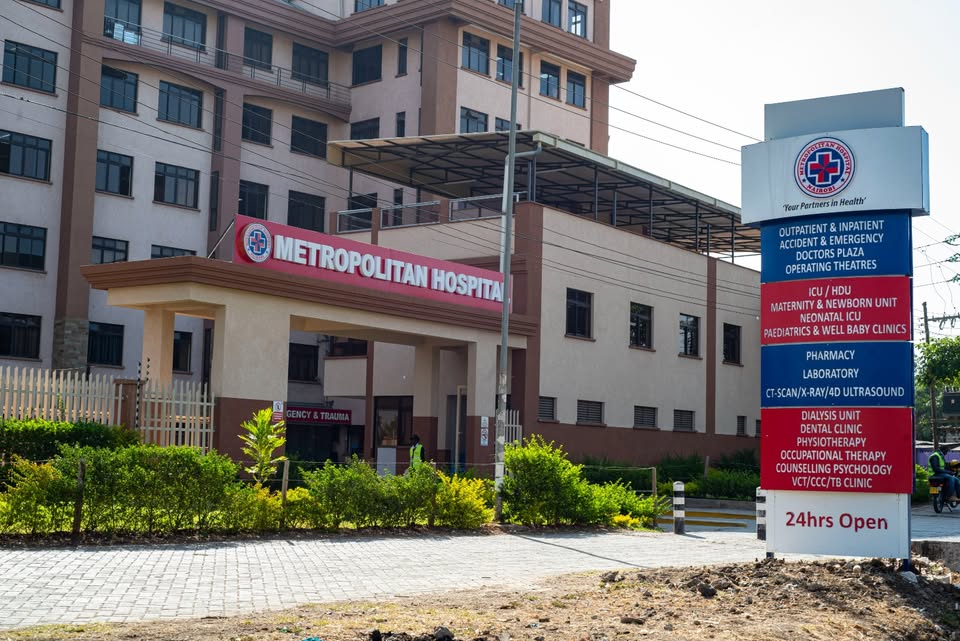 “We believed the middle class needed a hospital they could genuinely afford,” Dr. Kanyenje explains. “Once we realised that most middle-class families lived in the eastern parts of Nairobi, Buruburu became the obvious choice.”
Eastlands had long been underserved, a legacy of colonial-era urban planning that concentrated private hospitals, quality housing, and education in other parts of the city.
 By the time the government established Mama Lucy Kibaki Hospital, Metropolitan had already been operating for 15 years, demonstrating that quality healthcare could succeed where few investors were willing to venture.
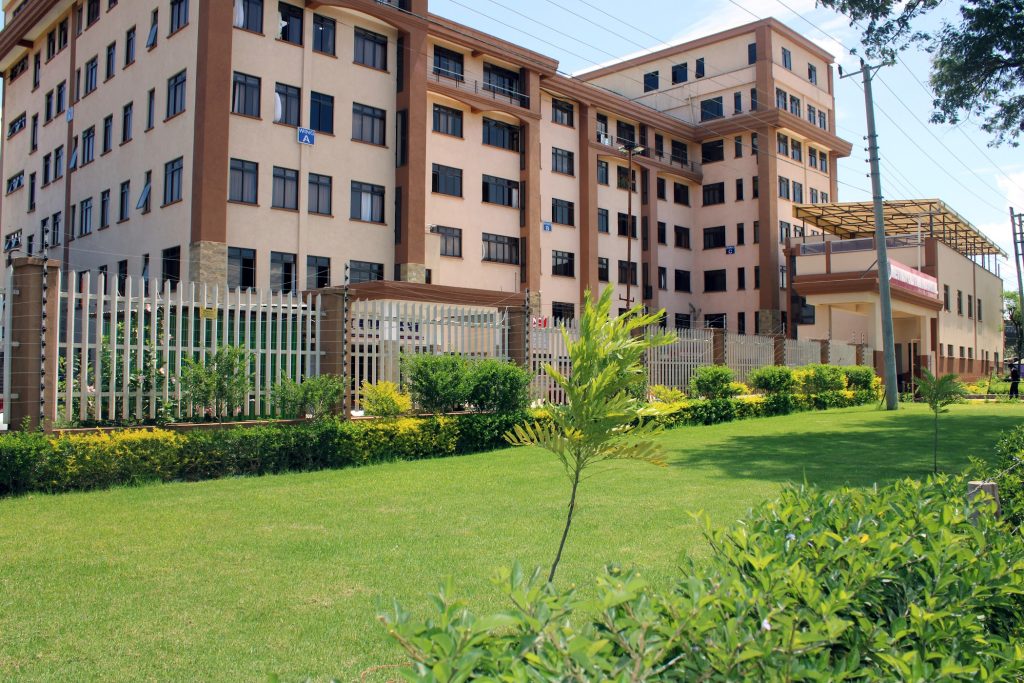
What started as a community-focused facility has since grown into a tertiary level 5 hospital with both national and regional reach.
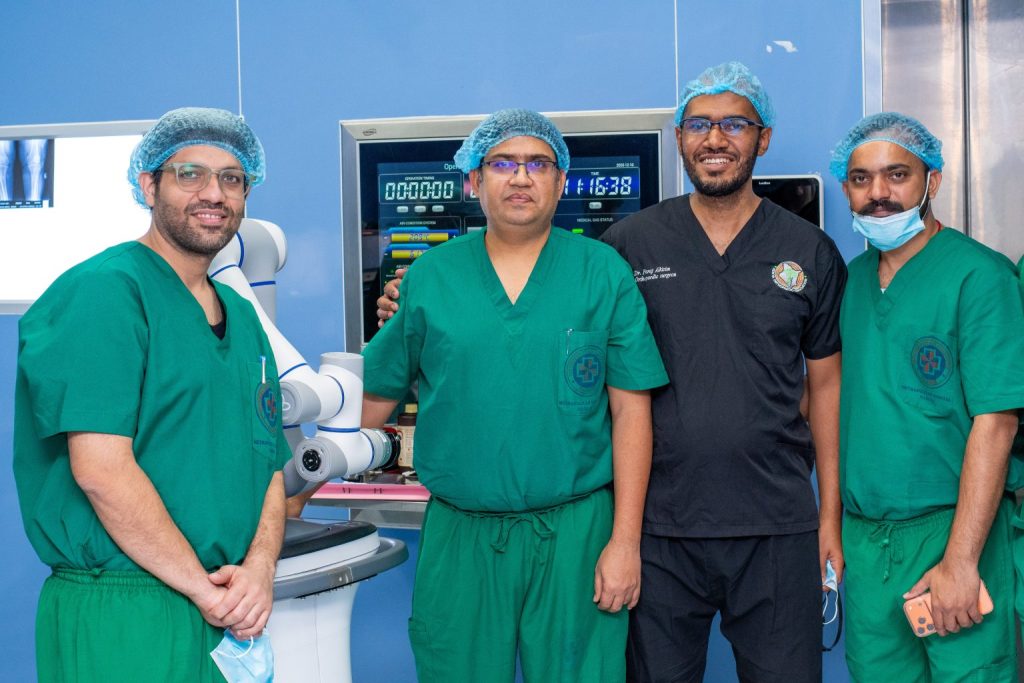
 In the past decade, the hospital introduced specialized services including neonatal intensive care, cleft surgery, knee replacement, and, notably, robotic-assisted surgery, the first of its kind in Eastern and Central Africa.
“With some specialized services, people will come from anywhere,” Dr. Kanyenje notes. “You don’t travel for a cold, but for neonatal intensive care or a knee replacement? That changes everything.”
 Today, Metropolitan Hospital serves patients not only from across Kenya but from the wider region as well. Partnerships with airlines, including Kenya Airways, help facilitate care for transit passengers from across Africa.
Yet even with this expansion, the philosophy that defined Metropolitan’s early years, community, trust, and partnership remains at its core.
 Looking back at the journey from inception to its current standing, Metropolitan Hospital stands out for its rise from a modest start-up. “This was a start-up,” Dr. Kanyenje reflects. “We only had to convince about 160 people to trust us with their money.”
Metropolitan’s Digitised, Data-Driven Care Model
“Systems, systems, systems. Healthcare, the world over, is wasteful.Our job is to design systems that eliminate that waste,” Dr. Kanyenje asserts.
Long before digitisation became a buzzword, Metropolitan invested in hospital information systems. By the early 2000s, off-the-shelf solutions could no longer meet the hospital’s needs for scale, accountability, and quality.
In response, the institution began developing its own enterprise resource planning (ERP) system , AMS 2000,a platform that now integrates clinical care, operations, finance, and data analytics to help with operation
 Digitization at Metropolitan is not technology for its own sake rather its intelligence embedded in care delivery. Whereby patients order meals via tablets, with requests transmitted directly to the kitchen, automatically tracked to the bedside. What seems like hospitality is, in practice, operational efficiency, reducing errors and improving patient experience.
According to Dr. Gakombe, care has two components, with one being the hospitality side; waiting times, flow, discharge, and the second is clinical quality. “You cannot compromise either,” he asserts.
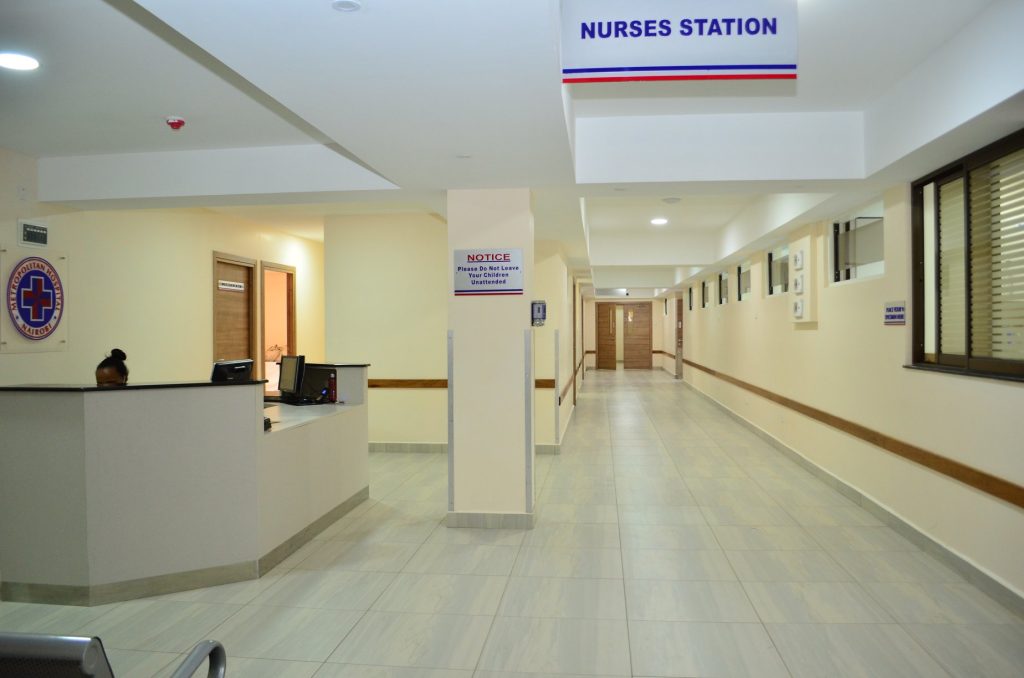 Waiting, he notes, is the single biggest complaint globally. Hence Metropolitan Hospital has redesigned patient journeys to reduce friction with embedding of enabled mobile payments, prepaid accounts, and postpaid arrangements borrowed from sectors like telecommunications to streamline care.
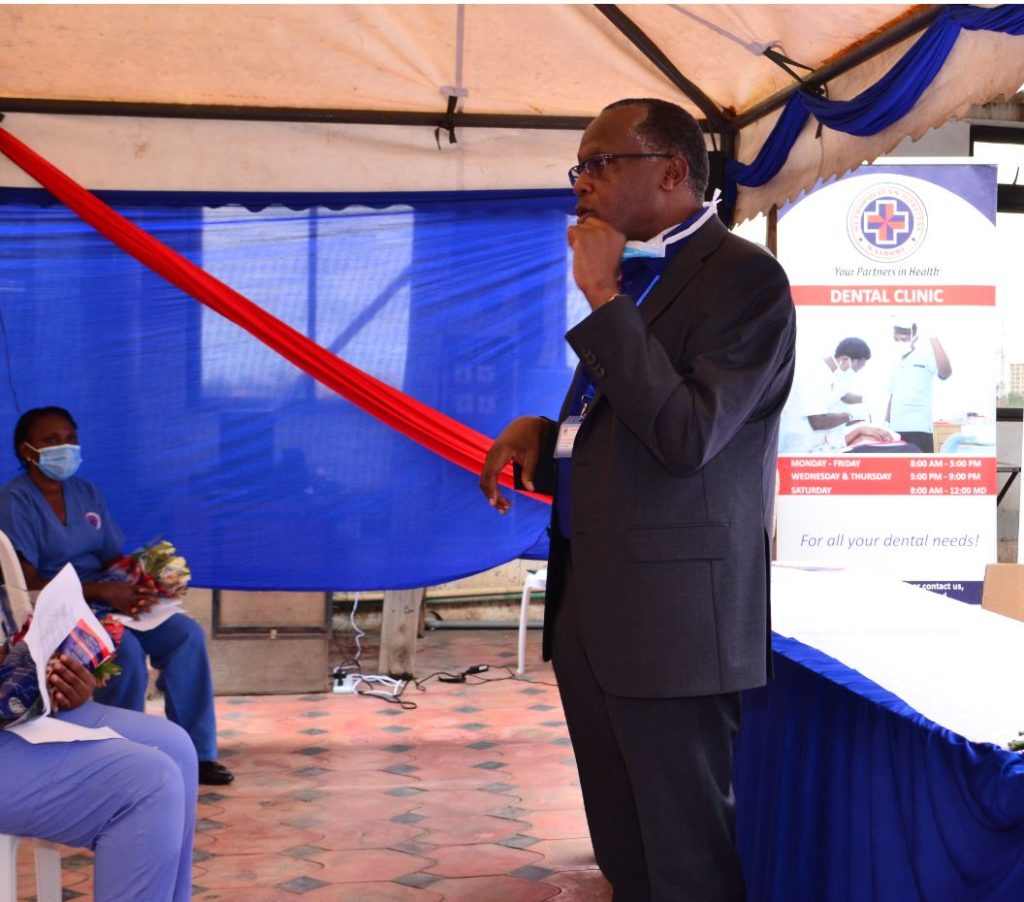 “Digitization allows us not only to set standards but to measure them,” he reveals with certainty. Metrics for waiting times, discharge, and pharmacy turnaround create accountability, while clinical quality is controlled through credentialing, biometric staff registration, and strict equipment and medicine vetting.
External scrutiny reinforces these internal systems. Metropolitan is among a small group of hospitals in Sub-Saharan Africa accredited by the Council for Health Service Accreditation of Southern Africa (COHSASA), alongside participation in SafeCare programs and long-standing laboratory accreditation.
 Data, Affordability, and High-Impact Care
Systems thinking at Metropolitan extends to cost management without compromising quality. Length of stay, treatment costs, and outcomes are tracked meticulously. As the CEO affirms, even a single day less in intensive care can save patients hundreds of thousands of shillings.
Data-driven reviews allow comparisons across doctors, treatments, and inputs, enabling cost-effective alternatives. One example involved adopting surgical sutures produced by a Kenyan-owned company in South Africa.
A scenario in which global data and phased trials reassured clinicians, reducing costs by two-thirds without compromising outcomes.
“The most expensive care is often the care that arrives too late,” Dr. Kanyenje emphasizes. This insight drives the hospital’s pivot toward telemedicine, home-based care, and remote monitoring, guided by patterns of chronic disease, hypertension, diabetes, and cardiovascular risk.
Extended monitoring via wearables, telemetry, and dashboards allows interventions before patients deteriorate into high-cost inpatient care.
These innovations are part of a broader goal: creating a replicable blueprint for efficient, high-quality care.
From Hospital to Health System
Metropolitan now functions less as a static facility and more as a continuously measured system. With an average stay of three days, digitally tracked response times, and advanced ERP integration, the hospital optimizes ICU stays, reduces treatment costs, and ensures consistent clinical outcomes.
High-acuity programs demonstrate this approach in action.
Surgeries are performed in infection-controlled environments comparable to leading regional centers, while neonatal care has produced remarkable outcomes.
“We’ve seen preterm infants born at just 900 grams not only survive but thrive, thanks to the combined effect of specialized equipment, trained staff, and strict protocols,” Dr. Kanyenje notes, underscoring how meticulous planning and monitoring save lives.
Through visits, open systems sharing, and participation in professional bodies, Metropolitan positions itself as a reference institution, demonstrating what is possible when governance, financing discipline, digitization, and clinical accountability align.
Lessons for Kenya’s Health Sector
Metropolitan’s 30-year journey proves that healthcare isn’t a trade-off. The hospital has prioritized systems thinking, accountability, and innovation, demonstrating that affordable, quality care can thrive alongside advanced medical services.
Metropolitan illustrates urban resilience in action.Through data-driven operations and a strategic presence in Eastlands, the hospital addresses the root causes of healthcare strain such as delayed interventions and overcrowding.
In doing so, it builds a buffer against the compounding pressures of rapid urbanization and rising disease burdens.
ltimately, Metropolitan Hospital’s story is one of institutional evolution guided by principles rather than chance.
From community beginnings to a Level 5 referral center, it demonstrates that quality care is defined by systems, affordability is achieved through efficiency and transparency, and innovation is meaningful only when it measurably improves outcomes.
Metropolitan’s model offers a way forward for Kenya’s healthcare sector. It is a blueprint where community care, data, and digital innovation converge to build lasting trust. What Metropolitan has built over the last 30 years isn’t just a hospital; it is a new benchmark for what healthcare can and should be tomorrow.
Views: 75