
 Paul Arithi
- Nationwide, property prices climbed by 0.3 per cent in Q4 2025 and 7.7 per cent in 2025;
· In Nairobi’s suburbs, property prices rose by 0.8 per cent and rents rose by 1.5 per cent, pushing up yields to 7.4 per cent, the highest level since records began in 2007.
· Across the capital city’s 14 monitored satellite towns, property prices rose by 4.5 and rents by 8.7 per cent, raising yields to 5.2 per cent, their highest level since 2019.
 ·Within the city, the house rent rises were highest in its wealthiest suburbs, rising by 9.6 per cent in Ridgeways and 9 per cent in Lavington. Q4 growth was strongest in Runda at 3.1 per cent.
· However, house rent rises were even stronger in the satellites, led by Ruiru, up 15.6 per cent, and Kiambu, up 14.4 per cent.
· Apartments rents rose in all satellites and most suburbs, but performance of apartment sales prices was much more mixed Subdued property price rises and ongoing rent rises in Q4 2025 took Nairobi city rental yields to a new record of 7.4 per cent, reported HassConsult as it today unveiled the quarter’s property index results.

Overall, property prices climbed by 0.3 per cent in the quarter and 7.7 per cent for the year, while rents fell by 0.9 per cent in Q4 and 2.5 per
cent in 2025, as rents softened at the coast and in the country’s other major cities.
However, around the capital city, rent rises were significantly higher and sales price rises more subdued than
nationally, leading to further climbs in rental yields in both the city suburbs and its satellite towns.
 “Nairobi’s rental yields have been a clear upwards path for the last two years, climbing steadily above 7 per cent after many years of running at between 5 and 6 per cent. It’s a shift happening across the board, despite the city’s property fortunes being markedly mixed across different locations.” said Sakina Hassanali, Co-CEO of HassConsult.
Property prices in the 18 city suburbs rose by 0.8 per cent in the fourth quarter, while rents rose by 1.5 per cent.
The largest decline in sales prices across the year was for apartments in Westlands, down 11.5 per cent over 2025, but by
only 0.5 per cent in the fourth quarter as demand began to catch up with the latest wave of new apartments.
 A steep rise in Westlands apartment rents in 2013, as it emerged as the city’s most vibrant quarter, took rents from an
average Sh91,000 a month to over Sh115,000 in a single year, triggering a raft of new developments.
Successive
waves of construction have since led to several dips as new supply came to market, generating new rent falls from
January to April 2025, before stabilising at around Sh134,000 from May.

By the fourth quarter, the stabilization in rents and improved occupancy had stopped the sales price decline.
A similar pattern suppressed apartment rents in Kileleshwa and Upper Hill during 2025, both of which turned positive
by the fourth quarter, while apartment rents in all other suburbs rose across the year.
“In the apartments market, demand has never stopped expanding, but each area is now finely tuned in the volume of new development it can absorb at a time and very large developments often create a dip in rates as entrants discount to gain full occupancy,” said Sakina.
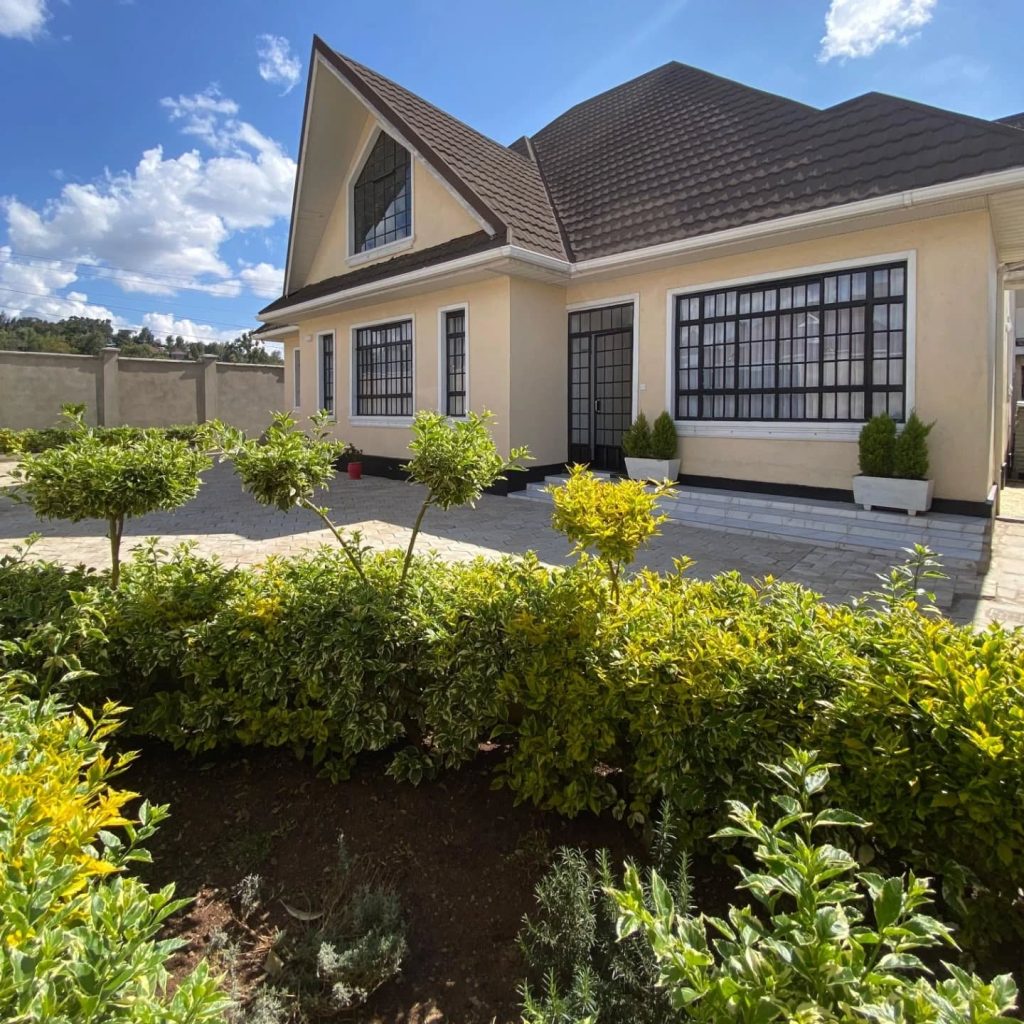 In the market for houses, Runda remained the strongest outperformer, with sales prices up by 12.8 per cent across
the year, but by only 0.9 per cent in Q4.
Lavington, Muthaiga and Ridgeways also experienced strong house price growth, at over 10 per cent for the year, with the growth in Lavington strongest in the final quarter, up 2.8 per cent from September to December.
The growth in rental prices for houses was strong in most of the city’s suburbs, led by Ridgeways, up 9.6 per cent across the year, followed by Lavington, at 9 per cent. In Q4, house rents rose most strongly
in Runda, by 3.1 per cent.
Nairobi’s satellite towns delivered a stronger performance, however, with property sales prices rising by 4.5 per cent
in Q4, while rental prices rose by 8.7 per cent.
 Annual house price growth was strong in all the satellites, led by Juja at 12.2 per cent.
This growth slowed in Q4, but remained strong, except in Kiambu, Ngong and Kiserian where prices fell in the final months of the year.
The house price strength was supported by rapid rises in satellite town house rental prices, led by Ruiru, where rents
rose by 15.6 per cent in 2025, before stabilizing in the final quarter.
The performance of apartments in the city’s satellite towns was more subdued.
Apartment prices surged by 10.1 per cent in 2025 in Syokimau, rising 2.2 per cent in Q4. But performance elsewhere was much more mixed, with the biggest decline for the year in Kiambu at 4.4 per cent. Apartment rental prices rose significantly across all satellites.
 City land price growth remains elevated, driven by the city’s wealthiest suburbs, but satellite town land price growth has
returned to normal levels for the decade.·
Land price growth in the city’s 18 monitored suburbs edged down to an annual 5.92 per cent at the end of 2025, and 1.32 per cent in Q4 2025.
·For six years until October 2023, the city’s annual price growth ran in a range between -2.56 per cent and 2.96 per cent.
·The Q4 2025 rises continued the city’s strongest run in land price growth since 2016, with now 21 months of quarterly
and annual growth at elevated rates.
·A similar, but longer and more extreme, surge in satellite town land price also came down a notch in Q4 2025, having
slowed much more rapidly during 2025.
·The peak growth for satellite town land was an annual growth of 12.58 per cent in Q3 2024. By the end of 2025, annual growth had slowed to 6.21 per cent.
Views: 63