 kwabe vic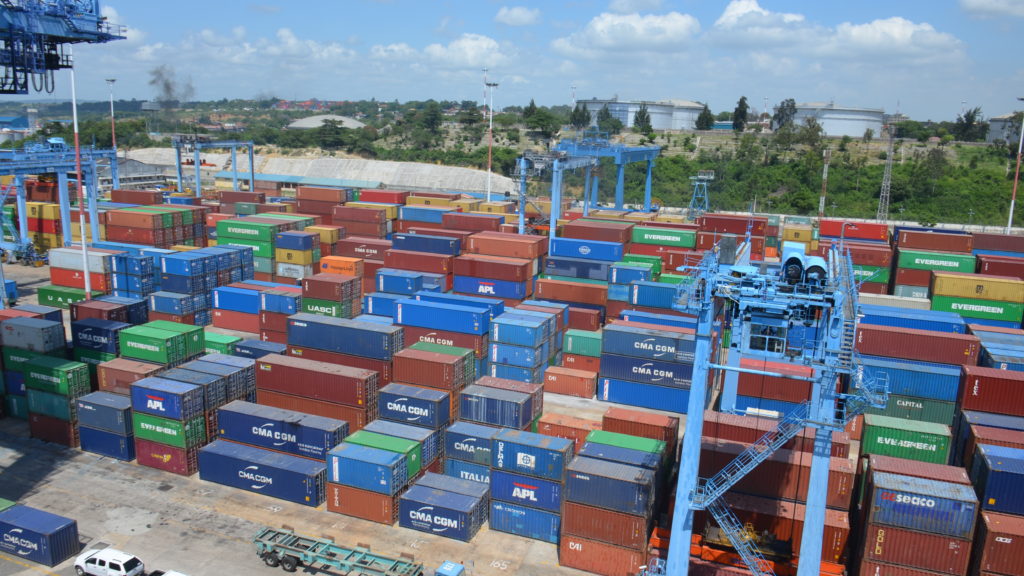
- Mombasa Port Undergoes Major Revamp to Ease Congestion, Cut Costs;
Kenya’s Port of Mombasa, the primary gateway for the country’s international trade and a key hub for East Africa, is set for a sweeping operational overhaul.
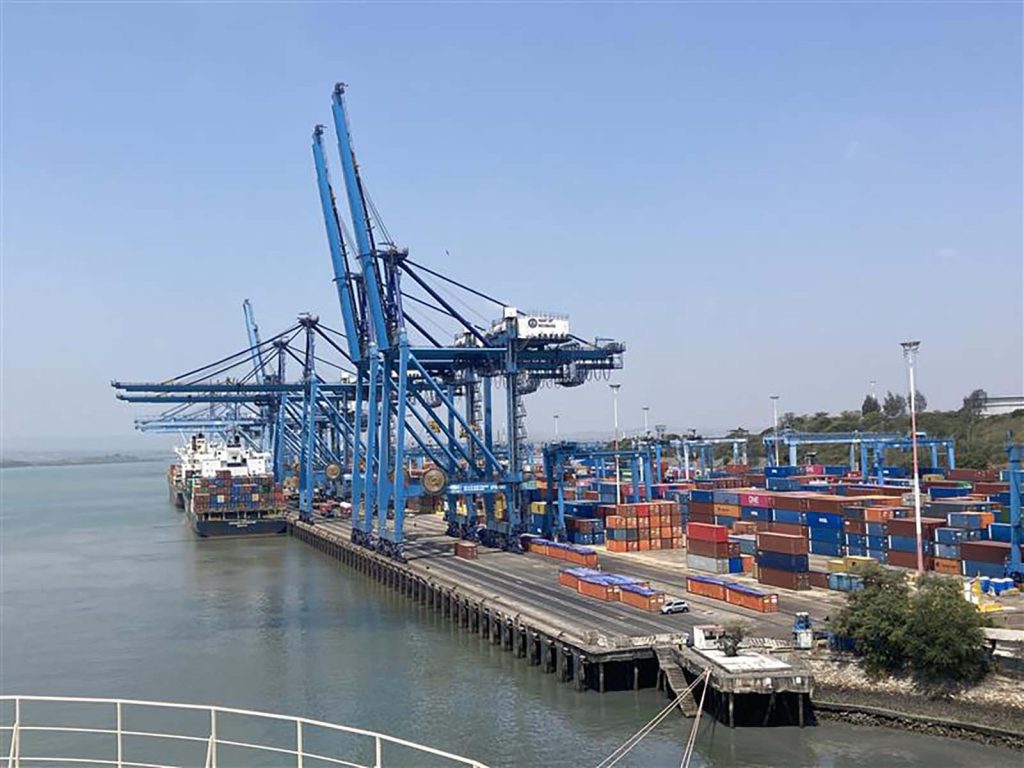 The Kenya Revenue Authority (KRA) and Kenya Ports Authority (KPA), together with logistics stakeholders, have launched coordinated reforms aimed at tackling chronic congestion, speeding up cargo clearance, and lowering costs for traders.
The measures follow extensive talks with players across the shipping and logistics chain, including transporters, freight forwarders, shippers, and regulators.
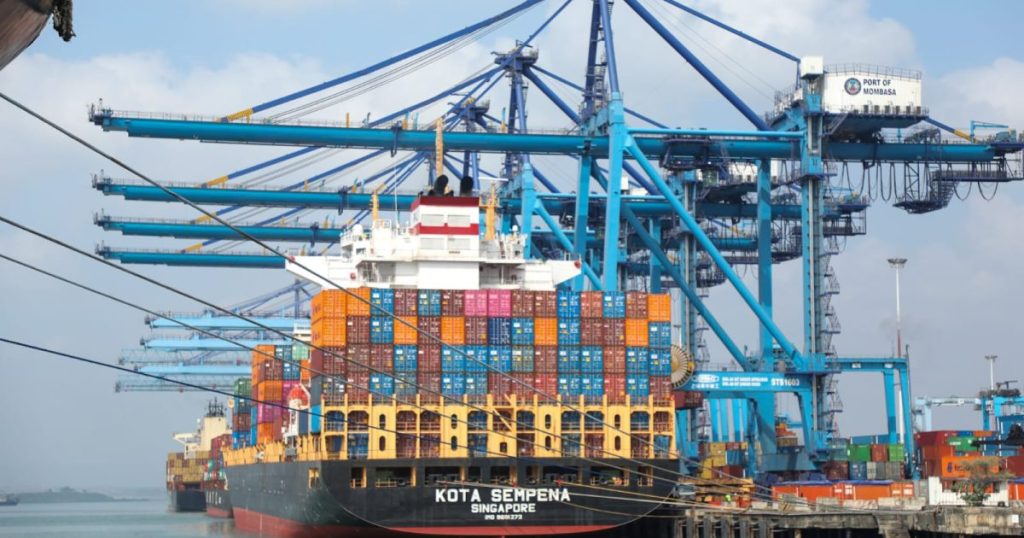 The goal is to reduce the time cargo spends in the port, clear bottlenecks, and modernize systems through technology-driven solutions.
As a first step, cargo left at the port for more than 21 days, and those destined for auction or destruction, will be moved to designated Container Freight Stations.
The clearance operation will start in the port’s G-section and is expected to free up vital storage space, improve cargo flow, and reduce delays.
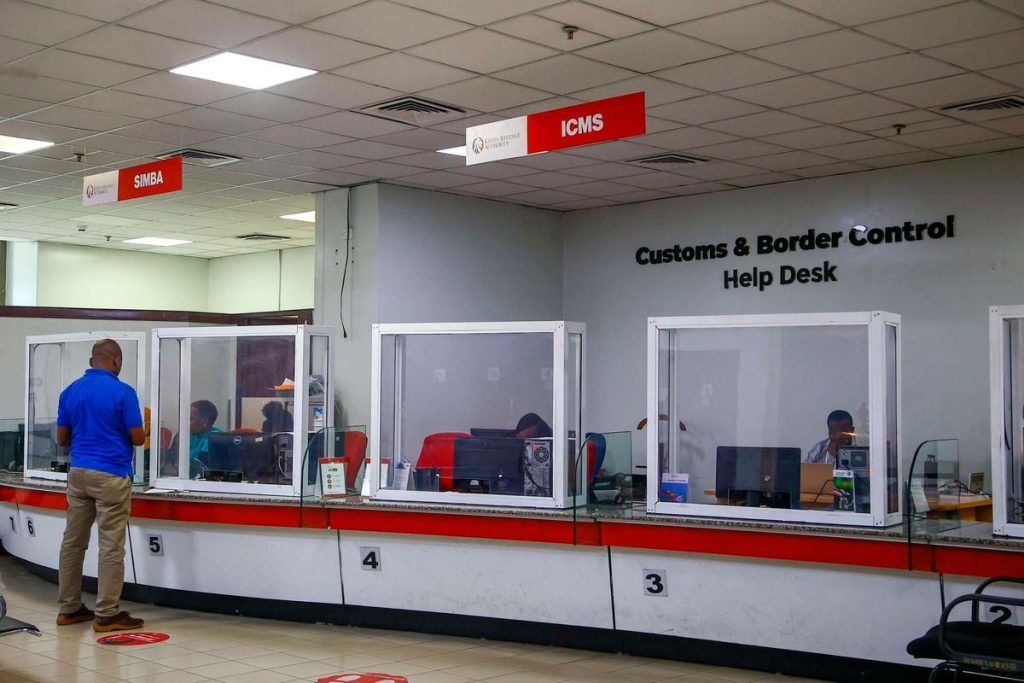
 At the same time, KRA will expand its Pre-Arrival Processing system, prioritizing bulk shipments, low-risk consignments, and Authorized Economic Operators.
This means documents can be cleared before goods arrive, cutting waiting times and offering traders greater predictability.
KPA Managing Director Capt. William Ruto said the changes would “unlock capacity, improve operational flow, and strengthen Mombasa’s competitiveness as a regional and global port.”
 He added that KPA would commit the necessary infrastructure and resources to ensure the reforms succeed.
Regional rebalancing and rail boost
Looking beyond Mombasa, stakeholders agreed to increase the use of Lamu Port for transshipment cargo to relieve pressure on Kilindini harbor.
 KPA will dedicate infrastructure to support Lamu’s growth as a complementary hub.
In addition, KRA and KPA will work with Kenya Railways to add more Standard Gauge Railway (SGR) wagons, accelerating the transfer of cargo to inland depots in Embakasi and Naivasha, easing road and port congestion.
To tackle shortages of electronic cargo tracking seals (RECTS), KRA will introduce a multi-vendor model to improve supply and ensure uninterrupted monitoring.

More staff will also be deployed at RECTS offices and port gates to speed up exit processes.
KPA has also allocated a dedicated area within the port for empty container handling, with a new industry framework taking effect in January 2026 to streamline operations.
Behind the scenes, deeper digital integration between agencies aims to reduce duplicate paperwork, manual checks, and processing delays.

KRA Commissioner-General Humphrey Wattanga described the reforms as a move toward “a predictable, efficient, and digitally enabled port ecosystem,” emphasizing the port’s role as a regional trade facilitator.
If implemented effectively, the changes are expected to shorten cargo dwell time, boost reliability, and reinforce Mombasa’s position as East Africa’s leading logistics hub.
Views: 25